

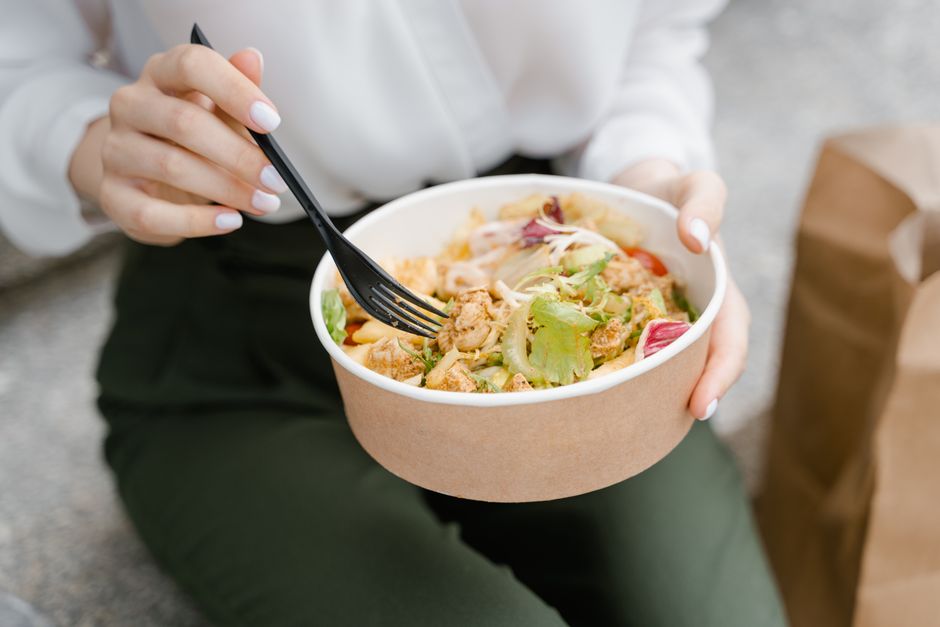
If you finish a meal feeling uncomfortably full, gassy, or bloated, your first instinct might be to cut something out. Maybe gluten, maybe dairy, maybe that side of beans. But before you eliminate anything, consider a simpler question: in what order did you eat that meal?
Research suggests that the sequence in which you eat your food, not just the food itself, plays a meaningful role in how your digestive system handles that meal. Starting with vegetables and fiber before protein and carbohydrates may help reduce post-meal bloating, slow gastric emptying in a beneficial way, and prevent the blood sugar spike that often leaves you sluggish and uncomfortable an hour later. No food group removed. No portions slashed. Just a shift in sequence.
Why Eating Order Affects Digestion at All
Your stomach does not treat all foods equally when they arrive. Digestion is a staged process, and the order in which foods enter that process affects gastric emptying rate, enzyme activity, and how quickly fermentable compounds reach the large intestine.
When high-fiber vegetables lead the meal, they form a physical matrix in the stomach that slows the movement of everything that follows. A 2019 study published in the journal BMJ Open Diabetes Research and Care found that eating vegetables and protein before carbohydrates significantly reduced postprandial blood glucose and insulin levels in people with type 2 diabetes compared to eating carbohydrates first. Lower blood sugar spikes mean less rapid fermentation in the gut, which is one of the primary drivers of bloating and gas.
Beyond blood sugar, fiber from vegetables stimulates peristalsis, the rhythmic muscular contractions that move food through your digestive tract at a steady pace. When carbohydrates or processed foods arrive first, they digest quickly, leave the stomach fast, and can rush fermentable sugars to the colon before the rest of the meal is ready. That mismatch is a common recipe for gas and distension.
For a closer look at how eating order influences digestion beyond blood sugar, the guide Digestive Comfort Through Eating Order: Which Foods First Actually Stop Bloating Without Restriction covers the mechanics in practical detail.

The Vegetable-First Method: How to Actually Do It
This is not a complicated protocol. It works at any meal, with any food you already eat.
Step 1: Plate your vegetables separately or eat them first at the start of the meal.
Before you touch your rice, pasta, bread, or protein, eat the salad, roasted vegetables, or raw crudites on your plate. Aim for at least three to five bites of vegetables to establish that fiber foundation.
Step 2: Move to lean protein next.
Protein digests more slowly than simple carbohydrates and reinforces the slowing effect fiber began. Chicken, fish, legumes, eggs, or tofu all work. This also helps with satiety signals, so you are less likely to overeat the carbohydrate portion that follows.
Step 3: Finish with starchy carbohydrates or grains.
By the time your carbohydrates reach your stomach, the digestive environment has already shifted. Gastric emptying has slowed, enzyme activity is in full swing, and your blood sugar response will be more gradual. Fermentable carbs that reach the colon do so more steadily, reducing the gas burst that often causes bloating.
Step 4: Slow down between courses.
You do not need a formal pause, but chewing each section of your meal thoroughly before moving to the next gives your stomach time to signal its state. Rushed meals undermine the sequencing benefit. If workday lunches tend to be rushed and bloating follows, Why Digestive Bloating Worsens on Rushed Workdays and How Eating Order Fixes It Without Food Restriction addresses that specific pattern.

What This Does Not Mean
Eating vegetables first is not a rigid rule that requires you to eat courses like a formal dinner every night. At a mixed plate, you can simply start by taking several forkfuls of your green vegetables or salad before touching anything else. That is enough to trigger the physiological sequence.
It also does not mean fiber is always symptom-free for everyone. If you are significantly increasing your vegetable intake at once, your gut microbiome needs time to adapt. Fiber Without the Bloat: A Progressive Eating Plan to Add Plant Foods Without Digestive Distress is a useful companion guide if you are new to eating more vegetables and want to avoid trading one form of discomfort for another.
And this approach is not a substitute for medical evaluation if your bloating is severe, persistent, or accompanied by pain, changes in bowel habits, or other symptoms. Those warrant a conversation with a qualified healthcare professional.

Beyond Sequence: Supporting Habits That Compound the Effect
Eating order works best as part of a wider pattern of digestive-friendly habits rather than as a standalone fix.
- Posture during meals influences how efficiently your digestive organs function. Slouching compresses your stomach and slows gastric motility. Sitting upright after eating supports normal movement. The guide Digestive Comfort Through Breath and Movement Timing: Why Posture Fixes Beat Food Swaps for Afternoon Bloating explains this connection in depth.
- Light movement after meals, such as a short walk, has research support for improving gastric emptying and reducing bloating, particularly after larger meals.
- Meal timing and spacing matter too. Eating at irregular intervals or grazing continuously can prevent the digestive tract from completing a full cycle between meals. Meal Timing for Stable Afternoon Energy: Why Food Order and Gaps Matter More Than Snack Calories explores how spacing and order interact.

A Realistic Week of Practicing This
You do not need to overhaul how you eat. Pick one meal per day to practice the vegetable-first sequence. Lunch is often the easiest starting point because the stakes feel lower and the meal is usually simpler.
A practical starting pattern:
- Monday through Friday lunch: eat your salad or vegetable side completely before touching your sandwich, wrap, or grain bowl.
- Dinner: start with a small side salad or steamed vegetable before the main plate.
- After one week, notice whether post-meal heaviness or bloating feels different.
Small, consistent changes tend to show results more clearly than dramatic overhauls that are hard to maintain.
Sources
- Shukla, A.P., et al. (2019). “Food order has a significant impact on postprandial glucose and insulin levels.” BMJ Open Diabetes Research and Care. Published by the BMJ Publishing Group. (Search BMJ Open Diabetes Research and Care for Shukla food order study.)
- National Institute of Diabetes and Digestive and Kidney Diseases (NIDDK), NIH. Overview of digestive system physiology and gastric motility. https://www.niddk.nih.gov
- U.S. Department of Agriculture (USDA) Dietary Guidelines for Americans 2020-2025. Recommendations on vegetable intake and fiber. https://www.dietaryguidelines.gov
Choose one meal today, eat your vegetables first, and keep it up for a week before evaluating. That single shift, practiced consistently, may do more for your digestive comfort than removing any single food group. For more practical guidance on digestion, energy, and balanced eating, explore related guides on Clean Body Mentor or subscribe to the weekly newsletter for evidence-informed wellness ideas you can actually use.
This article is for general educational and informational purposes only and is not a substitute for medical advice, diagnosis, or treatment. Health needs vary by individual. Consult a qualified healthcare professional before making significant changes to your diet, exercise routine, supplements, medication, or treatment plan, especially if you have a medical condition, are pregnant or breastfeeding, take medication, or have concerns about your symptoms.


