

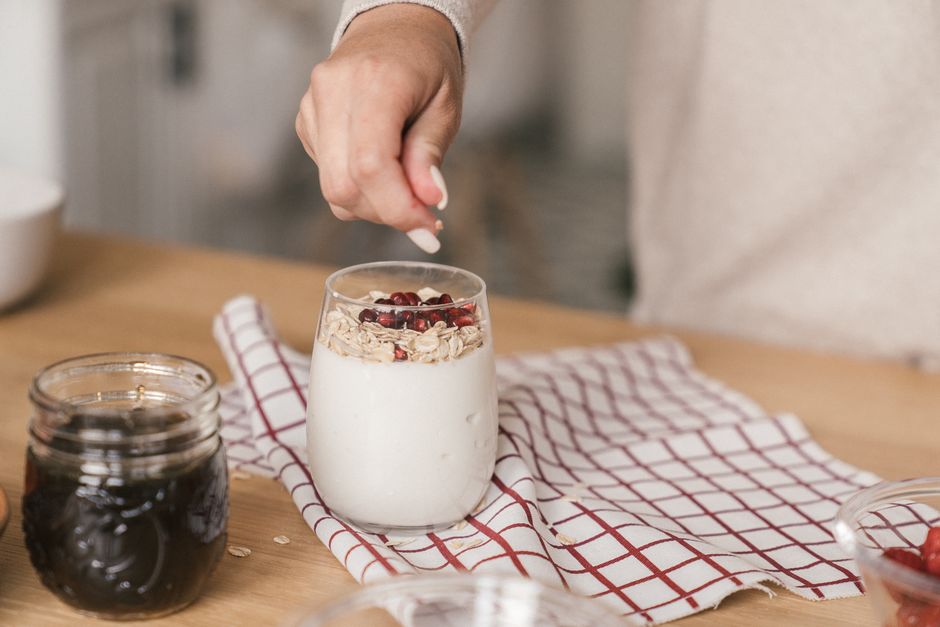
You switched from toast to oats. You cut the coffee creamer. You added berries instead of jam. And you still feel bloated by 9am. If that sounds familiar, the problem probably has nothing to do with which foods are on your plate and everything to do with which one you reach for first.
Research into postprandial digestion suggests that bite sequence, not just food composition, shapes how quickly your stomach empties, how sharply blood sugar rises, and how much fermentation happens in the gut before you even sit down at your desk. Getting familiar with that sequence may be one of the most practical moves you can make for your digestive health breakfast routine.
Why Food Order Affects More Than You Expect
Your stomach processes foods at different rates. Protein and fat slow gastric emptying, which is generally a benefit: slower emptying keeps you full longer and allows digestive enzymes more time to do their work. Fermentable fiber and simple sugars move faster. When high-fermentation foods like fruit or whole-grain flakes hit the stomach before protein has set the pace, they can get caught behind a slower protein bolus later, sit, ferment, and produce gas.
A 2019 study published in Nutrients found that eating vegetables and protein before carbohydrates produced a meaningfully lower postprandial glucose response compared with eating carbohydrates first. Lower glucose spikes are associated with less reactive hunger later in the morning and steadier energy across the day. That matters for digestion because stress hormones triggered by blood sugar swings can slow gut motility, making bloating worse.
For a deeper look at how this principle plays out beyond breakfast, Digestive Comfort Through Eating Order: Which Foods First Actually Stop Bloating Without Restriction walks through the mechanics in detail.
The Three-Layer Breakfast Sequence
Think of your breakfast plate as three layers stacked in a specific order. You do not need to eat them in separate courses, just start with one layer before transitioning to the next.
Layer 1: Protein and fat first (2-4 bites)
Start with the anchor of the meal. Eggs, Greek yogurt, cottage cheese, nut butter, smoked salmon, or beans all work here. These foods signal the stomach to prepare digestive acid and slow gastric emptying into a comfortable pace. If you drink coffee with milk or a protein-rich addition, this is a reasonable time for that first sip.
Layer 2: Non-fermentable vegetables or cooked fiber (next portion)
Cooked spinach, sauteed zucchini, roasted sweet potato, or avocado fill this slot. These foods add fiber and micronutrients but are gentler fermenters than raw cruciferous vegetables or raw onion. They build on the digestive pace set by protein without introducing a large fermentable load too soon.
Layer 3: High-sugar or high-fermentation items last
Fresh fruit, whole-grain cereals, granola, honey, and fruit-sweetened yogurt fit here. By the time they arrive, digestive enzymes are active, stomach acid is primed, and gastric emptying is regulated. The fermentation load lands in a gut that is ready for it.
You can see how this same logic applies to protein timing specifically in Protein Timing at Breakfast Changes Your Hunger Signals Until Dinner: Why Eating Eggs or Beans First Reshapes Your Whole Day.
Common Breakfast Habits That Quietly Worsen Bloating
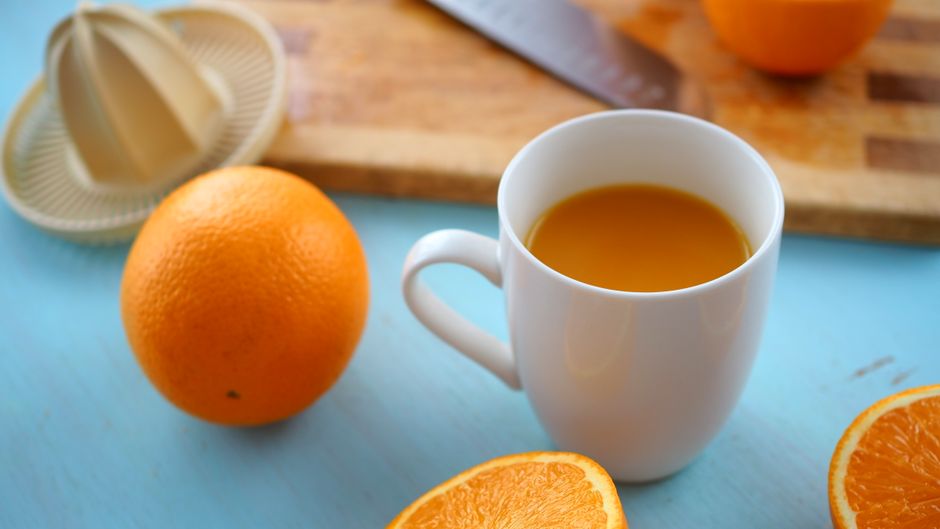
Starting with fruit juice or a plain fruit smoothie. Liquid fruit delivers a fast sugar load with very little protein or fat to buffer gastric emptying. Even if the rest of your breakfast is balanced, leading with juice can trigger a fermentation window that leaves you uncomfortable before the meal ends. If you love smoothies, build them with a protein base (Greek yogurt, kefir, or protein powder) and blend the fruit in rather than drinking fruit juice on the side.
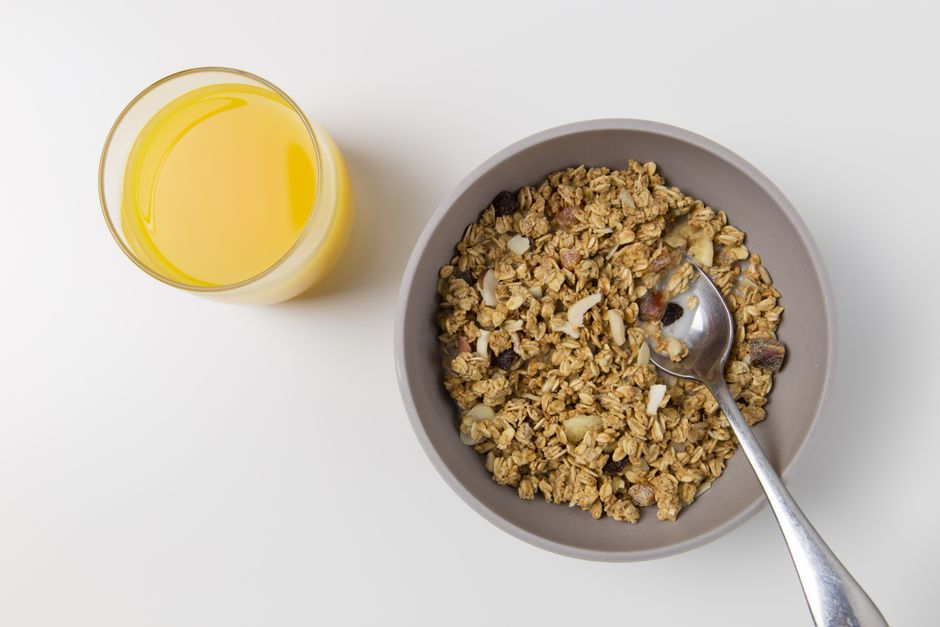
Eating cereal or granola as the first bite. Highly processed grain products digest quickly. Starting with them before any protein means blood sugar climbs steeply, then drops, before your protein has had a chance to pace anything. Sprinkling granola on top of yogurt you eat first reorders the same foods without changing the plate.
Rushing and swallowing air. Eating quickly under time pressure causes you to swallow significantly more air, which is a direct cause of upper bloating. If your mornings are rushed, the sequence above helps, but pausing to chew 15 to 20 times per bite matters too. Why Digestive Bloating Worsens on Rushed Workdays and How Eating Order Fixes It Without Food Restriction covers this specifically.
Eating in a hunched posture. Rounded shoulders and a compressed torso reduce the space your stomach has to expand and slow the movement of food through the gastroesophageal junction. Sitting upright, or even standing, for the first 10 minutes after eating can reduce that pressure meaningfully. Why Your Posture Collapses During Meals and How Sitting Upright Actually Changes Your Digestion explains the anatomy behind this.
Resequencing Real Breakfasts: Three Quick Examples
Eggs and toast with orange: Eat the eggs first, then the toast, then peel the orange for last. The protein anchors digestion; the fiber in whole-grain toast follows; the fructose in the orange arrives into an active digestive environment.
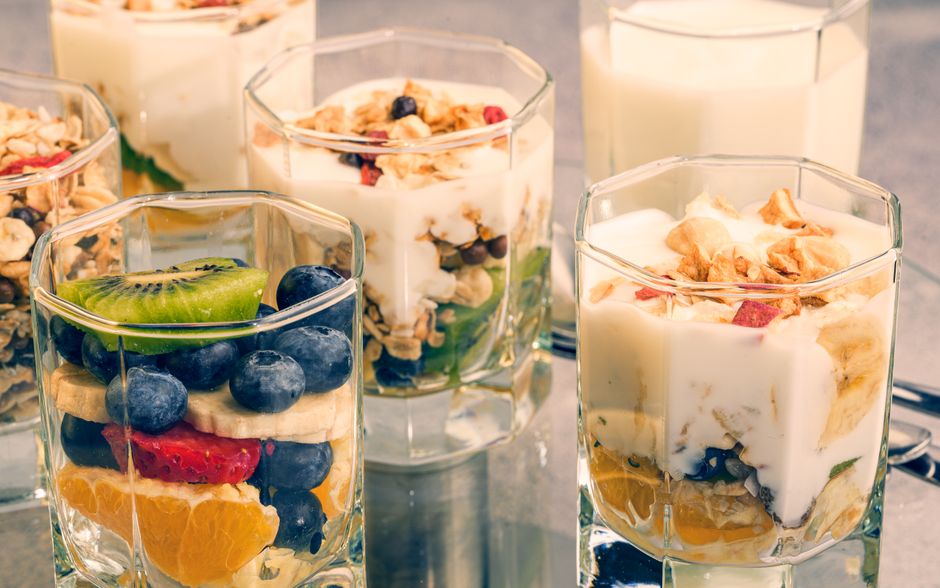
Yogurt parfait with granola and berries: Eat several spoons of plain yogurt first, then layer in the berries, and finish with the granola on top as you reach the bottom of the bowl. Same ingredients, reordered.
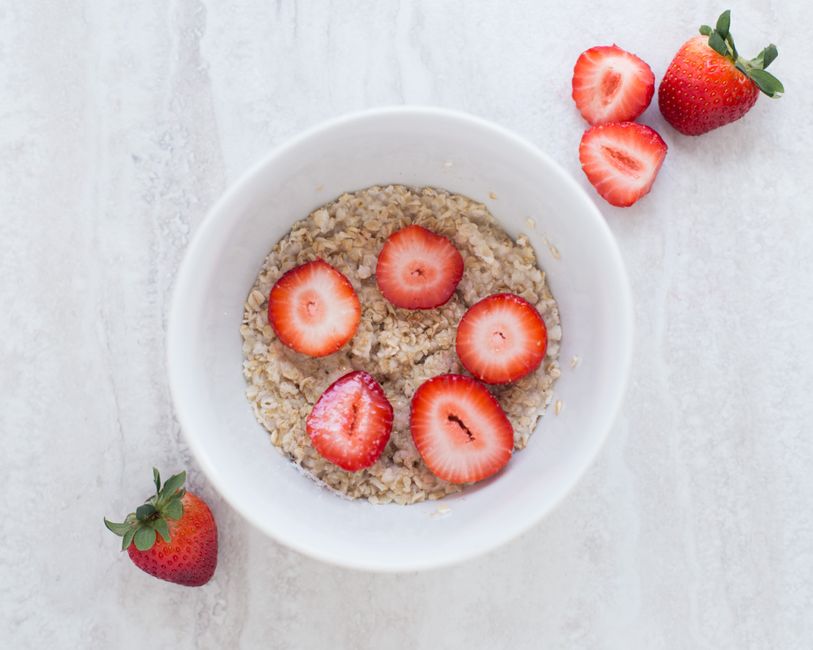
Overnight oats with nut butter and banana: Stir the nut butter through and eat a few bites of nut-heavy oats first before moving into the banana-topped layers. Even a small protein-fat buffer at the start changes the digestive rhythm.
What to Do If Bloating Persists
For many people, reordering breakfast produces noticeable change within a week. If it does not, food order is one variable among several. Eating speed, stress levels, gut microbiome diversity, hydration, and underlying digestive conditions all contribute. Five Reasons You Feel Bloated After Healthy Meals (And Which Eating Habits Actually Fix It) offers a broader troubleshooting view.
If bloating is severe, persistent, or accompanied by pain, changes in bowel habits, or unintended weight loss, please consult a qualified healthcare professional or a registered dietitian. Eating order is a practical tool, not a medical treatment.
Try One Shift This Week
Choose one breakfast you eat regularly and reorder it using the three-layer sequence above. Notice how you feel at 90 minutes and again at mid-morning over several days. Small, consistent adjustments build far more lasting digestive comfort than dramatic food swaps. If you want more practical weekly guidance delivered to your inbox, the Clean Body Mentor newsletter is a good place to keep building that momentum.
Sources
- Shukla AP, Iliescu RG, Thomas CE, Aronne LJ. “Food Order Has a Significant Impact on Postprandial Glucose and Insulin Levels.” Diabetes Care, 2015. (Cornell University / Weill Cornell Medicine)
- Imai S et al. “A novel strategy for preventing postprandial hyperglycaemia by eating vegetables and protein before carbohydrates.” Nutrients, 2019. (J-STAGE / PubMed)
- National Institute of Diabetes and Digestive and Kidney Diseases (NIDDK): information on gastric emptying and digestive function. niddk.nih.gov
This article is for general educational and informational purposes only and is not a substitute for medical advice, diagnosis, or treatment. Health needs vary by individual. Consult a qualified healthcare professional before making significant changes to your diet, exercise routine, supplements, medication, or treatment plan, especially if you have a medical condition, are pregnant or breastfeeding, take medication, or have concerns about your symptoms.


