


You planned a recovery day, but by mid-afternoon your stomach feels heavy, your waistband feels tighter, and you are wondering if something you ate is disagreeing with you. Chances are, food is not the only variable. The absence of movement itself plays a significant role in how your gut functions on rest days.
Understanding why digestive health on rest days changes, and how to eat in response, helps you recover without discomfort and without swinging toward unnecessary restriction.
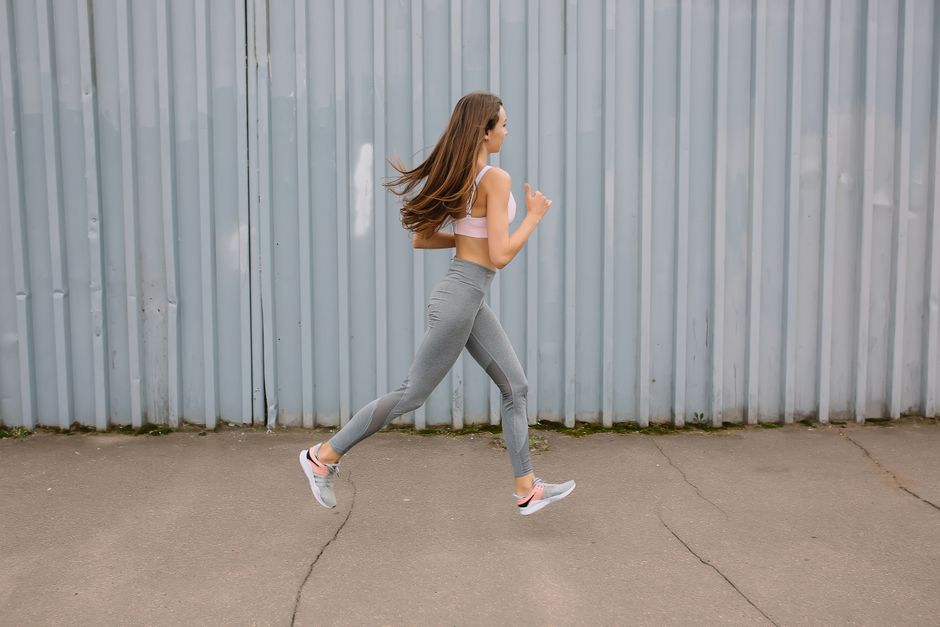
Why Movement Keeps Your Gut Moving
Your digestive tract relies on muscular contractions called peristalsis to move food and waste through the intestines. Physical activity, even something as gentle as walking, stimulates those contractions and speeds what researchers call gastrointestinal transit time. A 2019 review published in Alimentary Pharmacology and Therapeutics found that regular physical activity is associated with faster colonic transit and reduced constipation risk (Gao et al., Alimentary Pharmacology and Therapeutics).
When you take a full rest day, especially after consecutive training days, that mechanical stimulus disappears. Your intestines slow down, gas accumulates longer than usual, and the sensation of fullness lingers well past your last meal. This is not a dysfunction. It is your body responding logically to a quieter day.
Stress can compound the effect. If you feel guilty about skipping the gym or anxious about a packed week ahead, your nervous system shifts toward a sympathetic state that further depresses gut motility. The connection between stress and digestion is well documented through the gut-brain axis, meaning your emotional state on a rest day can be just as influential as your food choices.

How to Eat for Digestive Comfort on Rest Days
Adjusting what and how you eat on inactive days does not require a special diet or a drastic calorie cut. It is more about timing, portion intuition, and food texture than rigid rules.
Shift Toward Lighter, Easier-to-Digest Meals
High-fat, high-fiber, or very large meals take the most digestive effort. On active days, that effort is supported by stimulated gut motility. On rest days, the same meals may sit longer and cause bloating.
Swap a dense post-workout smoothie loaded with nut butter, protein powder, and frozen fruit for a lighter version. A smoothie that is too heavy for your activity level can stall digestion on days you are not burning through fuel at the same rate. Try blending leafy greens, cucumber, a small banana, and a moderate scoop of protein instead of adding multiple calorie-dense add-ins.
Cooked vegetables tend to move through the gut more comfortably than raw on sluggish days. Steamed zucchini, roasted carrots, or a simple vegetable soup are easy to digest, genuinely nourishing, and light enough not to pile onto existing slowdown.
Space Your Meals Generously
On training days, you may eat every few hours to fuel performance and recovery. On rest days, your hunger signals naturally shift, and there is no performance demand pushing you toward frequent eating. Listening to those cues matters.
Aim for two to three moderate meals with a four-to-five-hour gap between them. That spacing gives your stomach time to empty before you add more, reducing the stacking effect that worsens bloating. Research suggests that irregular meal timing and grazing patterns are linked to slower gastric emptying in some individuals (Stanhope et al., Current Opinion in Clinical Nutrition and Metabolic Care).
If you do feel hungry between meals on a rest day, a small, low-fiber snack, such as a few crackers with a light spread or a piece of fruit, tends to sit better than a second high-protein bar or a dense meal.
Prioritize Hydration Without Overdoing Carbonation
Slowed transit on rest days means hydration becomes more important, not less. Water helps soften stool and supports the mucus lining of the intestines. Aim for consistent sips through the day rather than large gulps.
Carbonated beverages can worsen gas and bloating when your gut is already sluggish, so plain water, herbal teas, or diluted fruit-infused water tend to be more comfortable choices on inactive days.
Try a Short Walk, Even on a Rest Day
A rest day from structured training does not have to mean zero movement. A ten-to-twenty-minute gentle walk after your largest meal can noticeably improve how you feel. As explored in detail at why digestive comfort improves on outdoor walking days, even low-intensity movement after eating accelerates gastric emptying and reduces post-meal bloating without stressing recovering muscles.
This is not about burning calories. It is about giving your gut the mild physical prompt it uses to keep things moving.

Rest Day Foods That Support Digestive Comfort
Here is a practical starting list, without being prescriptive about exact amounts:
- Cooked leafy greens (spinach, kale, Swiss chard): gentle fiber, easier to digest than raw
- Warm broth-based soups: hydrating and easy on gut motility
- Eggs or lean poultry: moderate protein without the fermentation that high-legume meals can trigger
- Bananas and cooked apples: soluble fiber that moves smoothly through the gut
- Plain rice or oats: low-residue carbohydrates that do not add much bulk
- Ginger or peppermint tea: both have evidence suggesting they may support gastric motility and reduce nausea (Lohsiriwat et al., Journal of the Medical Association of Thailand)
You do not need to avoid all high-fiber foods. The goal is moderation on the higher end, especially with raw cruciferous vegetables like broccoli and cabbage, which ferment more readily and can increase gas when transit is slow.

What to Avoid Overdoing
You do not need a rigid list of forbidden foods, but a few patterns tend to amplify rest-day sluggishness:
- Very large single meals: your gut has less mechanical help to move them through
- Excess artificial sweeteners: some, like sorbitol and mannitol found in sugar-free products, draw water into the colon and can cause bloating
- Multiple high-legume servings in one day: beans and lentils are excellent foods, but spacing them across the week is more comfortable when gut motility is low
- Late heavy dinners: eating a large meal close to bedtime leaves your gut working while your body is trying to wind down
For more on how digestive bloating worsens on sedentary days, including why eating order makes a difference, that guide offers additional practical strategies.

One Realistic Step to Start
Choose one change from this article and practice it consistently rather than overhauling your rest-day routine all at once. Spacing your meals by four hours, adding a brief post-dinner walk, or swapping a heavy smoothie for a lighter version are all reasonable starting points.
If rest-day digestion remains persistently uncomfortable despite these adjustments, that is worth discussing with a registered dietitian or your healthcare provider, especially if bloating is accompanied by pain, changes in stool, or significant fatigue.
For more practical guidance on eating and moving well, explore the Clean Body Mentor newsletter for weekly, evidence-informed wellness ideas you can actually use.
This article is for general educational and informational purposes only and is not a substitute for medical advice, diagnosis, or treatment. Health needs vary by individual. Consult a qualified healthcare professional before making significant changes to your diet, exercise routine, supplements, medication, or treatment plan, especially if you have a medical condition, are pregnant or breastfeeding, take medication, or have concerns about your symptoms.
Sources
- Gao R, et al. (2019). Physical activity and constipation in older adults. Alimentary Pharmacology and Therapeutics. Referenced for gastrointestinal transit and physical activity association.
- Stanhope KL, et al. Meal timing and gastric emptying. Current Opinion in Clinical Nutrition and Metabolic Care. Referenced for meal spacing and gastric motility patterns.
- Lohsiriwat S, et al. Effect of ginger on lower esophageal sphincter pressure. Journal of the Medical Association of Thailand. Referenced for ginger and gut motility support.


