

The 3pm wall hits, and suddenly every vending machine looks reasonable. Most snack advice either ignores your budget, assumes you have a blender at your desk, or leans on protein bars with ingredient lists longer than a lease agreement.
This guide takes a different approach. Five high-protein afternoon snacks are ranked by three criteria that actually matter: how well they hold you until dinner (satiety), what they realistically cost per serving, and whether you can prepare them without any kitchen equipment. Each pick is practical enough for a break room, a home office, or a car.
If you want to understand why the 3pm energy dip happens in the first place, the guide Why Your Afternoon Cravings Feel Irresistible at 3pm and Four Snack Pairings That Actually Interrupt the Cycle covers the blood sugar and cortisol mechanics behind it.
Why Protein Specifically Helps in the Afternoon
Protein slows gastric emptying and stimulates peptide YY, a gut hormone that signals fullness to the brain. Research published in the American Journal of Clinical Nutrition (Weigle et al., 2005) found that increasing dietary protein from 15 to 30 percent of calories significantly reduced hunger and spontaneous calorie intake. A high-protein afternoon snack leverages the same effect on a smaller scale: a modest protein hit between lunch and dinner can reduce the urgency to overeat at the evening meal.
Protein also pairs well with fiber or a small amount of fat to slow glucose entry into the bloodstream, keeping energy more stable than a carb-heavy snack alone. That combination is what separates a snack that lasts 30 minutes from one that carries you two to three hours.
The Five Snacks, Ranked
1. Plain Greek Yogurt with a Handful of Nuts
Satiety: Excellent | Cost per serving: $0.80-$1.50 | Prep: 30 seconds
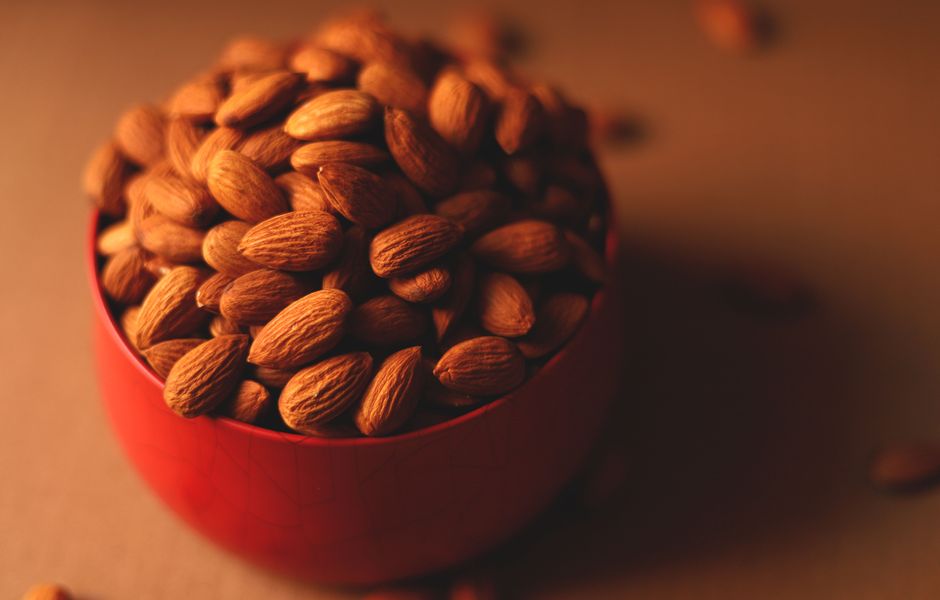
A 6-ounce (170g) container of plain, full-fat or 2% Greek yogurt delivers roughly 15-17 grams of protein plus live cultures that support gut function. Add a small handful (about 1 oz) of almonds or walnuts and you add another 4-6 grams of protein alongside healthy fats that significantly extend fullness. This combination hits all three satiety levers: protein, fat, and a small amount of carbohydrate from the yogurt’s natural lactose.
Greek yogurt travels easily in a small cooler bag or insulated lunch box. No spoon? Pick a brand that comes with one, or keep a reusable spoon in your bag. Cost depends heavily on brand and store; store-brand plain Greek yogurt costs roughly $0.70-$1.00 for a single-serve cup. Nuts add about $0.40-$0.60 per ounce when bought in bulk.
Bottom line: The most protein per dollar of any option on this list, with almost no prep.
2. Hard-Boiled Eggs (Pre-Cooked)
Satiety: Very Good | Cost per serving: $0.50-$0.90 | Prep: Zero at snack time
Two large hard-boiled eggs provide about 12 grams of complete protein plus dietary fat, both of which extend satiety. The key word is “pre-cooked.” If you boil a batch of four to six eggs on Sunday, snack-time prep is literally peeling, which takes under a minute. Keep them refrigerated in their shells for up to one week (USDA guidance).
Eggs are one of the most affordable complete protein sources available, running roughly $0.25-$0.45 per egg depending on your market and egg type. They also pair naturally with a few whole-grain crackers if you want to add a small carbohydrate buffer without much effort.
If you want to build a fuller picture of how eggs compare to other protein sources for sustained fullness, see Legumes vs. Eggs vs. Greek Yogurt: Which Breakfast Protein Keeps You Full Longest Without the Crash.
Bottom line: Cheapest option on the list; the only cost is planning one batch-cook session per week.
3. Cottage Cheese with Cherry Tomatoes
Satiety: Very Good | Cost per serving: $0.90-$1.40 | Prep: One minute
Half a cup of low-fat cottage cheese contains about 12-14 grams of casein protein, the slow-digesting form that keeps hunger suppressed longer than whey. Casein releases amino acids gradually, which is part of why it has been studied for overnight muscle protein synthesis (Res et al., 2012, Medicine and Science in Sports and Exercise), though its slow-release quality also makes it a reliable afternoon option.
Cherry tomatoes add fiber and volume without many calories, and the combination feels like a meal rather than a snack. Portioning cottage cheese into a small container takes about 60 seconds the night before.
Bottom line: Underrated and often overlooked; beats most protein bars on protein quality, cost, and ingredient simplicity.
4. Roasted Chickpeas (Pre-Packaged or Batch-Roasted)
Satiety: Good | Cost per serving: $0.60-$1.80 | Prep: Zero if pre-packaged
A 1-ounce serving of roasted chickpeas delivers 5-6 grams of protein plus 4-5 grams of fiber, a combination that creates reasonable satiety without the dairy of the options above. They are the most portable option on this list (no refrigeration needed) and come in resealable bags you can keep in a desk drawer.
Protein per serving is lower than eggs or yogurt, which is why chickpeas rank fourth for satiety. However, their fiber content compensates, and they work well as a crunchy alternative for anyone avoiding dairy. For a deeper look at how plant proteins compare on satiety, the guide Whole-Food Plant Proteins Ranked by Satiety, Cost, and Prep Time: A Beginner’s Real-Life Comparison is worth reading.
Batch-roasting your own chickpeas from a can reduces cost significantly; pre-packaged options cost more but require zero effort.
Bottom line: Best shelf-stable option, especially if you need something that lives in your bag all week.
5. String Cheese with an Apple
Satiety: Moderate-Good | Cost per serving: $0.70-$1.20 | Prep: Zero
Two sticks of part-skim mozzarella string cheese provide about 14 grams of protein and pair naturally with an apple for fiber and a modest glycemic buffer. This combination is specifically useful if your afternoon slump involves both hunger and a craving for something sweet.
String cheese is individually wrapped, requires no refrigeration for a few hours in a bag, and costs roughly $0.30-$0.50 per stick. It ranks fifth not because it is poor, but because the protein-to-satiety ratio is slightly lower than options one through three, and the apple adds sugar that may not sustain energy quite as long for people sensitive to blood sugar fluctuation.
Bottom line: The easiest grab-and-go pairing on the list, especially for parents or commuters who need something that travels without thought.
How to Use This List Without Overthinking It
You do not need to prep all five options. Pick one that matches your current routine and make it the default snack for two weeks. Consistency with a single good choice does more for afternoon energy than rotating five perfect snacks inconsistently.
For a related look at how meal timing and food order affect the afternoon slump, Why Your Afternoon Energy Collapses at 2pm and How One Food Timing Shift Stops It for Four Hours offers a useful companion read.
If you found one option that fits your day, that is enough. Build the habit of reaching for it first, and let that small consistency compound over time.
Sources
- Weigle, D.S., et al. (2005). A high-protein diet induces sustained reductions in appetite. American Journal of Clinical Nutrition, 82(1), 41-48. (PubMed)
- Res, P.T., et al. (2012). Protein ingestion before sleep improves postexercise overnight recovery. Medicine and Science in Sports and Exercise, 44(8), 1560-1569. (PubMed)
- U.S. Department of Agriculture Food Safety and Inspection Service: Hard-boiled egg storage guidance.
This article is for general educational and informational purposes only and is not a substitute for medical advice, diagnosis, or treatment. Health needs vary by individual. Consult a qualified healthcare professional before making significant changes to your diet, exercise routine, supplements, medication, or treatment plan, especially if you have a medical condition, are pregnant or breastfeeding, take medication, or have concerns about your symptoms.


