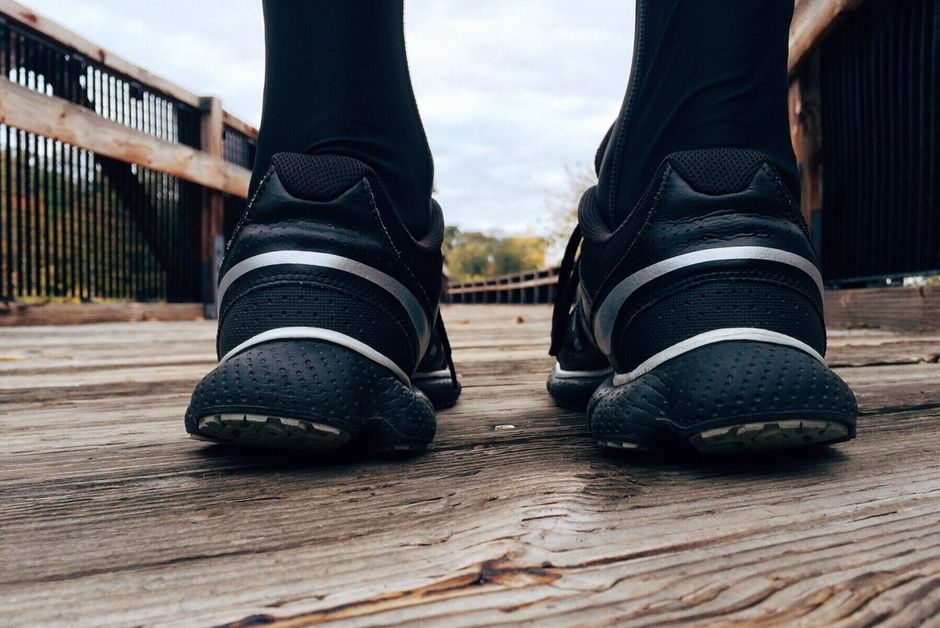
You lace up your shoes, head outside, and walk. Simple enough. But whether you step onto a groomed sidewalk or a dirt path studded with roots and rocks makes a surprisingly large difference in which muscles fire, how your ankles adapt, and what kind of strength you build over time.
The comparison between trail walking vs flat surface exercise is not just about scenery. It is about biomechanics, injury prevention, and choosing the right tool for where you are in your fitness journey.

What Flat Pavement Does Well
Flat pavement is predictable, and predictability has real value. When the surface beneath you never changes, your body can settle into a consistent stride pattern, which makes it easier to:
- Maintain a steady pace for cardiovascular goals
- Track distance and time precisely
- Recover comfortably after an injury or surgery
- Build a walking habit without the mental load of watching your footing
For beginners, people returning from lower-limb injuries, or anyone managing joint pain, flat pavement is often the safer starting point. Research published in the Journal of Biomechanics has shown that predictable surfaces reduce peak joint loading compared with uneven terrain, which matters when your primary goal is simply moving more without aggravating an existing condition.
Flat walking also delivers genuine cardiovascular benefit. A consistent 30-minute brisk walk on pavement can support heart health, mood regulation, and blood sugar management. The limitation is not that pavement is bad. It is that pavement rarely challenges your stabilizing muscles.

What Trail Walking Demands That Pavement Cannot Replicate
Every time your foot lands on uneven ground, dozens of small muscles in your feet, ankles, and lower legs fire rapidly to prevent a twist or stumble. This is reactive neuromuscular activation, and it is almost absent on flat surfaces.
On a trail, your:
- Intrinsic foot muscles (the small muscles inside the foot itself) work continuously to grip and adapt to the ground
- Peroneals and tibialis anterior (the muscles running along the outer and front of the lower leg) engage to stabilize the ankle with each uneven step
- Glutes and hip abductors activate more to control lateral sway on slopes and cambers
- Core and postural muscles stay alert because your center of gravity shifts unpredictably
This is the core argument for trail walking vs flat surface exercise: uneven ground acts like a low-level balance and stability workout embedded inside every single step. You are not just walking. You are training proprioception, the body’s sense of joint position, without doing a single dedicated balance drill.
A review in Gait and Posture found that walking on uneven terrain significantly increased muscle activity in the lower limb compared with level treadmill walking, particularly in the muscles responsible for ankle control. This kind of training may support ankle sprain prevention over time, because a well-trained ankle reacts faster when the ground shifts unexpectedly.
If you want to deepen this foundation further, the guide on how to restore foot strength and ankle stability when desk work has locked your movement pairs well with a trail walking routine.

The Injury Prevention Argument: Nuanced, Not One-Sided
It would be easy to declare trails the obvious winner for injury prevention, but the evidence is more nuanced. Uneven terrain that trains stability can also cause acute ankle sprains in people who are not yet ready for it. If your ankle stabilizers are weak or your proprioception is poor from years of flat-surface walking, jumping straight onto rocky trails may increase short-term injury risk rather than reduce it.
The practical answer: gradual progression matters more than surface choice alone. Starting on slightly uneven grass, gentle gravel paths, or packed dirt trails before moving to technical rocky terrain gives your stabilizing muscles time to adapt without overwhelming them.
For a deeper look at footwear choices that affect this transition, the comparison of barefoot walking vs. supportive shoes for daily movement explores how sole thickness influences how much of this stability work your feet actually do.
Calorie Burn and Body Composition: Does Surface Matter?
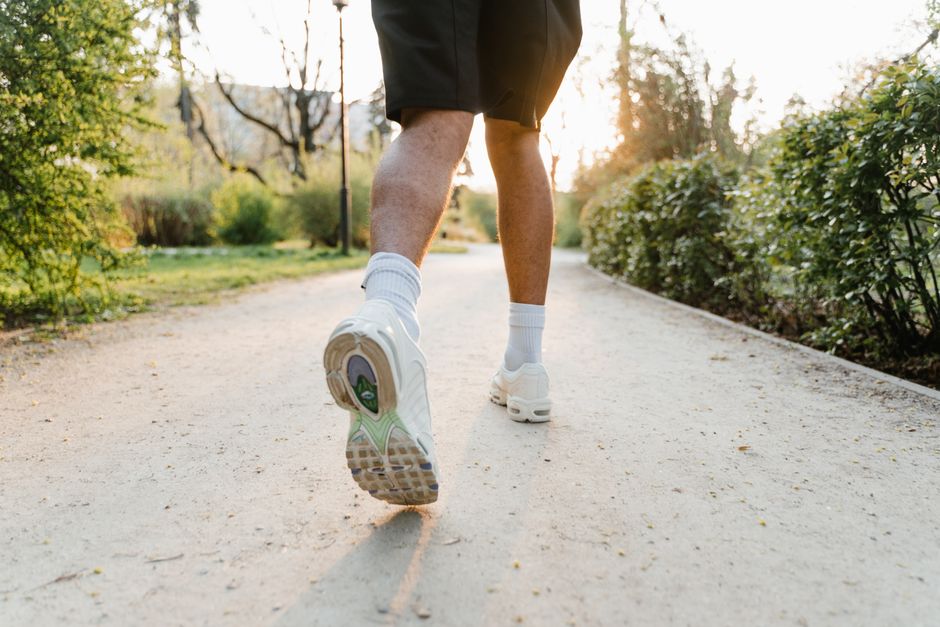
Research suggests trail walking burns more calories than flat pavement walking at the same speed. A study in the International Journal of Sports Medicine found that walking on an irregular surface increased energy expenditure by roughly 8 to 17 percent compared with level walking. This happens because more muscles are working, terrain changes force micro-adjustments in pace, and uphill sections add direct cardiovascular demand.
For readers interested in sustainable fat loss or leaning out, trail walking offers a gentle metabolic edge without requiring a gym. It also tends to feel more engaging, which may support consistency over time. For more on how outdoor walking compares with other approaches, the outdoor walking vs. gym strength training comparison for beginners lays out the tradeoffs clearly.

A Simple Framework for Choosing Your Surface
Choose flat pavement when:
- You are brand new to regular walking
- You are recovering from a foot, ankle, or knee injury
- Your primary goal is pace, distance, or cardiovascular consistency
- You are walking in the dark or in weather that makes uneven ground risky
Choose trails when:
- You already walk regularly and want to build functional strength
- Ankle stability or balance is a goal
- You want to increase calorie burn without increasing speed significantly
- Boredom with pavement is eroding your consistency
Combine both when:
- You want cardiovascular base-building on flat days and neuromuscular challenge on trail days
- You are easing into trail walking progressively to protect your ankles
This mixed approach also complements home strength work. If you are building leg power alongside your walking habit, home leg strength without equipment offers progressive drills that directly support trail readiness.
One Realistic Step Forward
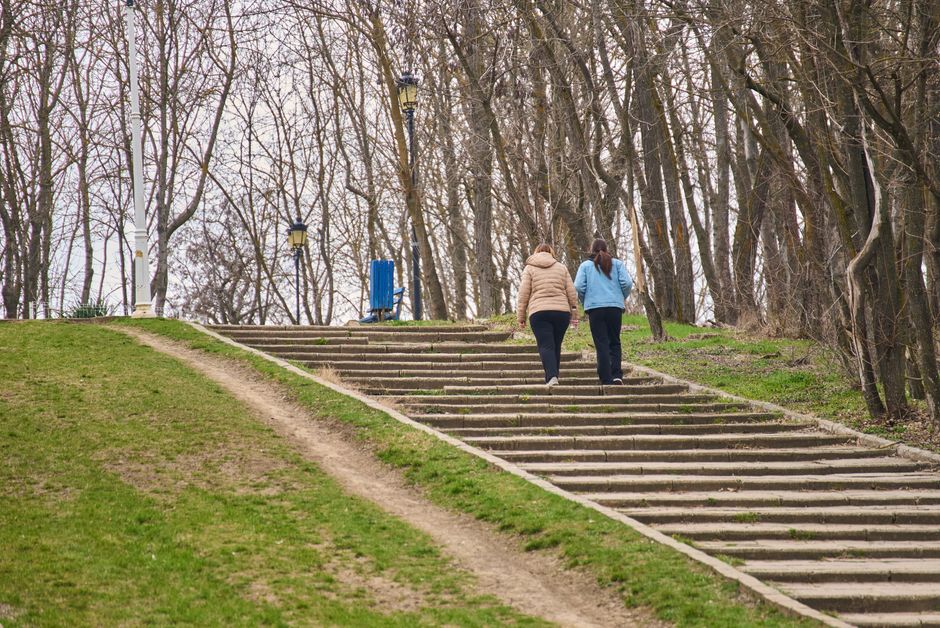
If you currently walk exclusively on pavement, consider adding one short trail or uneven-surface walk per week. Even a grass park, a packed gravel path, or a gently sloped neighborhood sidewalk qualifies. Give your feet a new surface to respond to, and pay attention to how your ankles and calves feel the next day. That mild post-walk awareness is often the stabilizing muscles waking up.
For weekly wellness guidance that helps you build and sustain habits like this, consider joining the Clean Body Mentor newsletter.

Sources
- Gait and Posture: Research on muscle activity during uneven terrain walking (referenced by name; consult PubMed for specific publications).
- Journal of Biomechanics: Studies on joint loading across surface types.
- International Journal of Sports Medicine: Energy expenditure comparison between irregular and level surface walking.
- American College of Sports Medicine (ACSM): Physical activity guidelines and recommendations for progressive training.
This article is for general educational and informational purposes only and is not a substitute for medical advice, diagnosis, or treatment. Health needs vary by individual. Consult a qualified healthcare professional before making significant changes to your diet, exercise routine, supplements, medication, or treatment plan, especially if you have a medical condition, are pregnant or breastfeeding, take medication, or have concerns about your symptoms.