

You blended the same thick, creamy smoothie you always make, drank it before a light walk, and spent the next hour feeling uncomfortably full. Sound familiar? The truth is that a smoothie that feels perfect after a strength session can feel like a meal that never ends on a rest day or a slow morning.
Smoothie composition is not one-size-fits-all. The smoothie ingredients for energy that serve you on a hard workout day may work against you when your body needs something lighter. Learning to read the signals your body sends can help you adjust the blend to match what you are actually doing that day.
Here are five clear signs your smoothie is heavier than your activity level calls for, plus specific ingredient swaps to try.
1. You Feel Bloated Within an Hour of Drinking It
Bloating after a smoothie often points to a mismatch between fiber load, fat content, and how active your digestive system actually is. Research suggests that gut motility slows on lower-movement days, which means the same high-fiber ingredients your body handles easily after a workout can sit longer and cause discomfort when you are mostly sedentary. (For more on this connection, see Why Your Digestion Improves on Movement Days and Slows on Rest Days: The Gut-Activity Connection.)
The swap: On rest days, reduce or skip ingredients like raw cauliflower, large amounts of frozen mango, or multiple servings of nut butter. Swap to water-rich bases such as cucumber or light coconut water, and scale back your nut butter to one teaspoon rather than a tablespoon.

2. You Have No Appetite for Lunch or Feel Overfull for Hours
A smoothie that suppresses hunger for five or six hours on a training day is a feature. On a rest day, that same fullness becomes a problem because you end up skipping meals or eating at irregular times, which can disrupt hunger signals over time.
This often happens when the smoothie is high in both fat and protein simultaneously: for example, two tablespoons of almond butter, a full scoop of protein powder, full-fat coconut milk, and avocado all in one blend. Each of those ingredients is nutritious, but together they add up to a calorie load that may exceed what a low-activity morning actually needs.
The swap: Keep one satisfying fat source instead of stacking several. Try one teaspoon of almond butter and use unsweetened almond milk instead of coconut milk. If you still want protein powder, halve the serving. This approach keeps the smoothie satisfying without crowding out your next meal.
3. You Feel Sluggish or Low-Energy After Drinking It
This is one of the more counterintuitive signs. You expect a smoothie packed with smoothie ingredients for energy to actually give you energy, yet you end up reaching for coffee an hour later. Post-smoothie sluggishness often happens when the blend is high in natural sugars paired with high fat. The fat slows digestion, and the glucose from fruit or sweetened additions causes a blood sugar rise followed by a dip, which leaves you dragging.
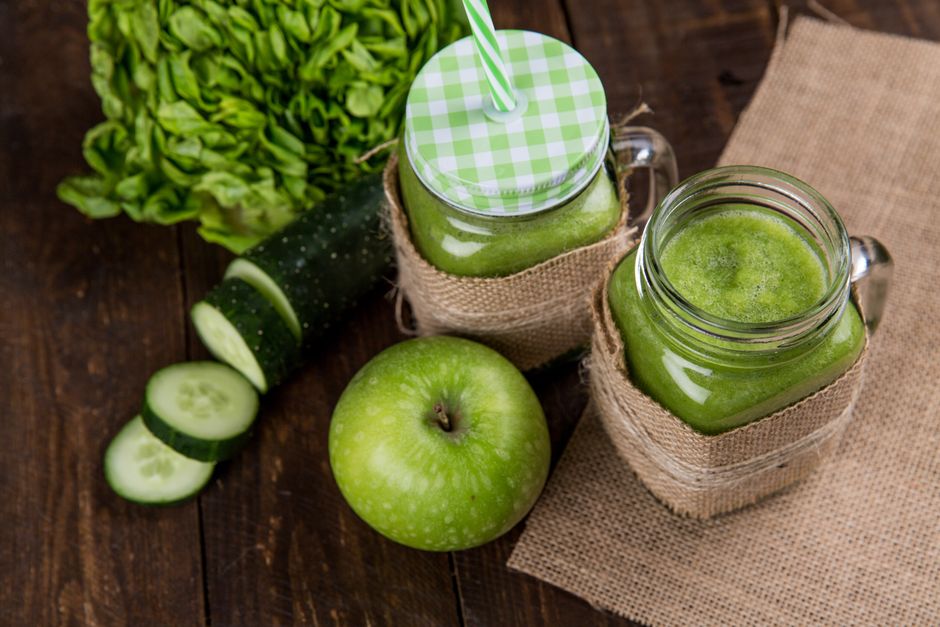
The swap: Emphasize lower-glycemic fruits such as berries, green apple, or half a banana instead of two full servings of tropical fruit. Add a small handful of spinach or kale for micronutrients without adding significant calories. Pairing fiber with a modest protein source can help moderate glucose response, according to general dietary guidance from the USDA.
If afternoon crashes are a recurring problem regardless of your smoothie, this guide on Five Reasons Your Afternoon Energy Crashes Before 3pm and Which Snack Pairing Actually Fixes It explores what else might be driving it.
4. You Find Yourself Skipping Your Planned Walk or Movement Because You Feel Too Full
If your smoothie is consistently making you want to sit down rather than move, that is a practical red flag. A pre-walk or pre-light-activity smoothie should settle within twenty to thirty minutes, not leave you loosening your waistband.
Calorie-dense smoothies designed for recovery after hard workouts typically contain 500 to 700 or more calories. A thirty-minute neighborhood walk may burn roughly 130 to 200 calories, depending on pace and body size. The numbers are simply out of proportion.
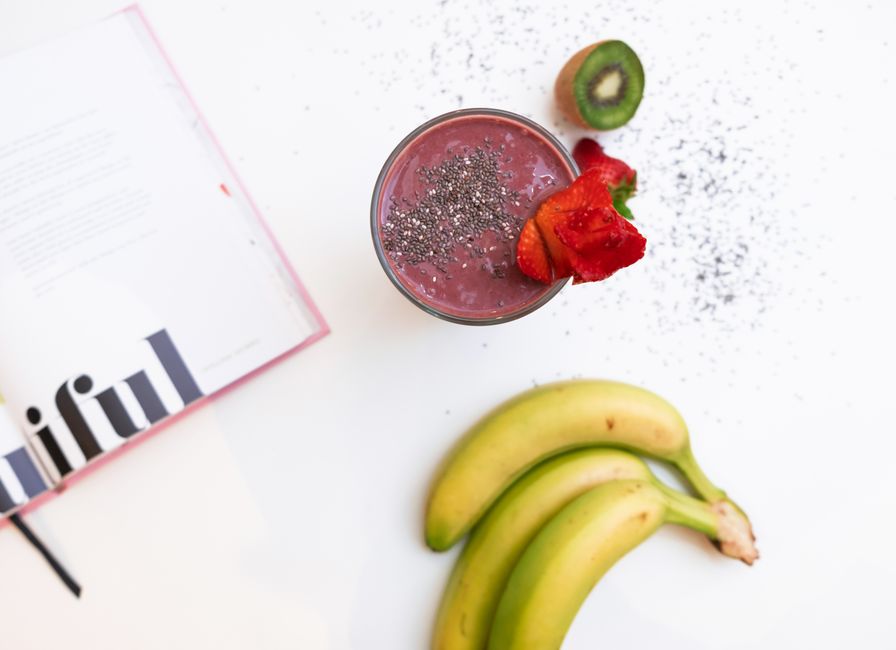
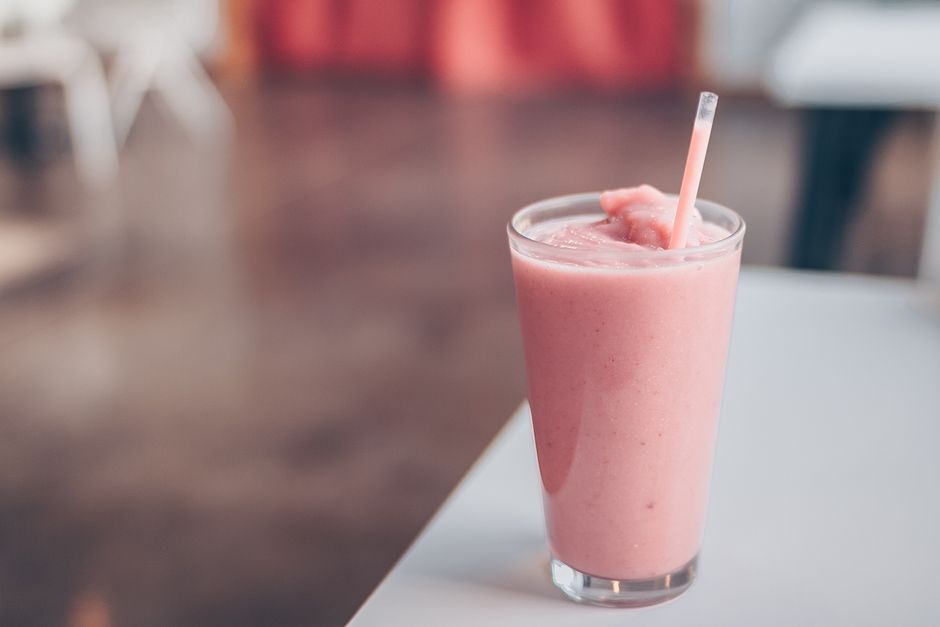
The swap: For pre-walk blends, think small and simple: half a cup of frozen berries, one cup of unsweetened oat milk, half a scoop of protein powder or two tablespoons of Greek yogurt, and one teaspoon of chia seeds. This combination offers protein and fiber for light satiety without the heaviness. For a deeper look at why protein timing matters for all-day hunger, see Protein Timing at Breakfast Changes Your Hunger Signals Until Dinner.
5. Your Hunger Returns Unusually Fast After a High-Calorie Blend
Wait, is the issue that the smoothie is too big AND that you are still hungry quickly? This can happen when a calorie-dense smoothie is low in fiber and protein relative to its fat and sugar content. Liquid calories in general are processed faster than solid food, which means a 600-calorie smoothie dominated by nut butter and sweetened add-ins may leave you hungry sooner than a smaller but better-structured blend.
This is distinct from a smoothie being too light. The problem is imbalanced macros rather than pure calorie count. Smoothie Ingredients That Keep You Full: Why Protein Source, Fat Type, and Fiber Order Actually Matter breaks this down in more detail.
The swap: Prioritize soluble fiber sources such as oats, flaxseed, or chia seeds. These slow gastric emptying and may help you stay satisfied longer, according to guidance from the Harvard T.H. Chan School of Public Health on dietary fiber. Pair fiber with a quality protein source, like plain Greek yogurt or a minimal-ingredient protein powder, rather than relying on calorie-dense fats alone to create fullness.
A Simple Framework: Match the Blend to the Day
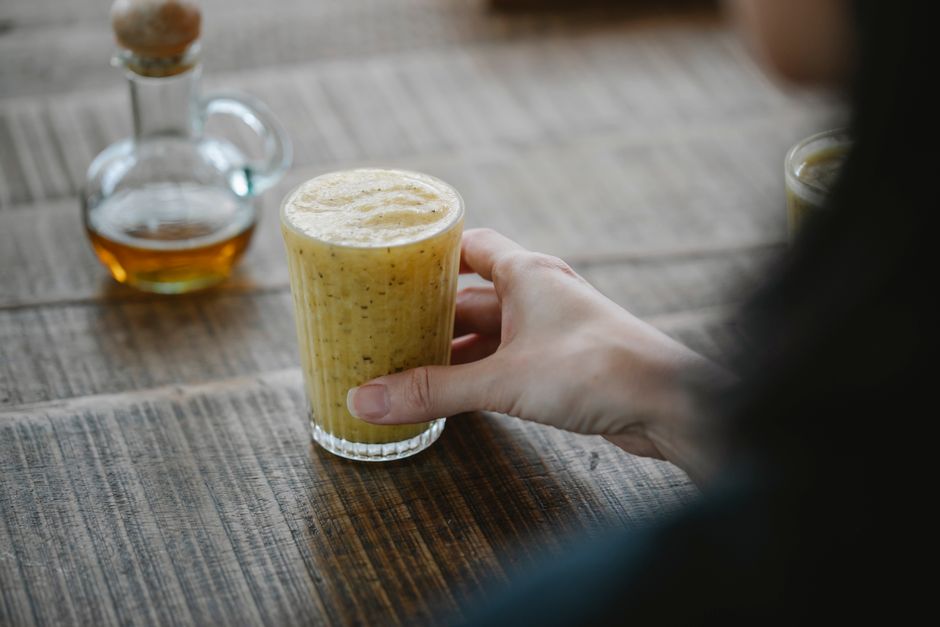
Think of your smoothie like a meal, because that is what it is. On days with intense movement or strength training, a denser blend with more protein, healthy fat, and calories supports recovery and keeps energy steady. On rest days, walking days, or slow mornings, a lighter version with more water-rich ingredients, less fat, and lower overall calories often serves you better.
You do not need to track everything precisely. A practical shortcut: look at what you have planned for the next two to three hours. If the answer is a hard workout, blend richer. If the answer is desk work or a gentle walk, blend lighter.
One small change worth trying first: swap your largest fat source for a smaller portion and add a cup of leafy greens. That single shift can meaningfully reduce calorie density while keeping your smoothie ingredients for energy working in your favor.
For more on how smoothie format and texture interact with how full you feel, the comparison Smoothie vs Smoothie Bowl Satiety: Which Format Actually Keeps You Fuller, Longer is worth reading if you are experimenting with your morning routine.
This article is for general educational and informational purposes only and is not a substitute for medical advice, diagnosis, or treatment. Health needs vary by individual. Consult a qualified healthcare professional before making significant changes to your diet, exercise routine, supplements, medication, or treatment plan, especially if you have a medical condition, are pregnant or breastfeeding, take medication, or have concerns about your symptoms.
Sources
- USDA MyPlate: Balancing food groups and portion guidance. myplate.gov
- Harvard T.H. Chan School of Public Health, The Nutrition Source: Dietary fiber and digestive health. Harvard T.H. Chan School of Public Health.
- General guidance on gut motility and physical activity: research published in journals including the World Journal of Gastroenterology supports the connection between movement and intestinal transit time.


