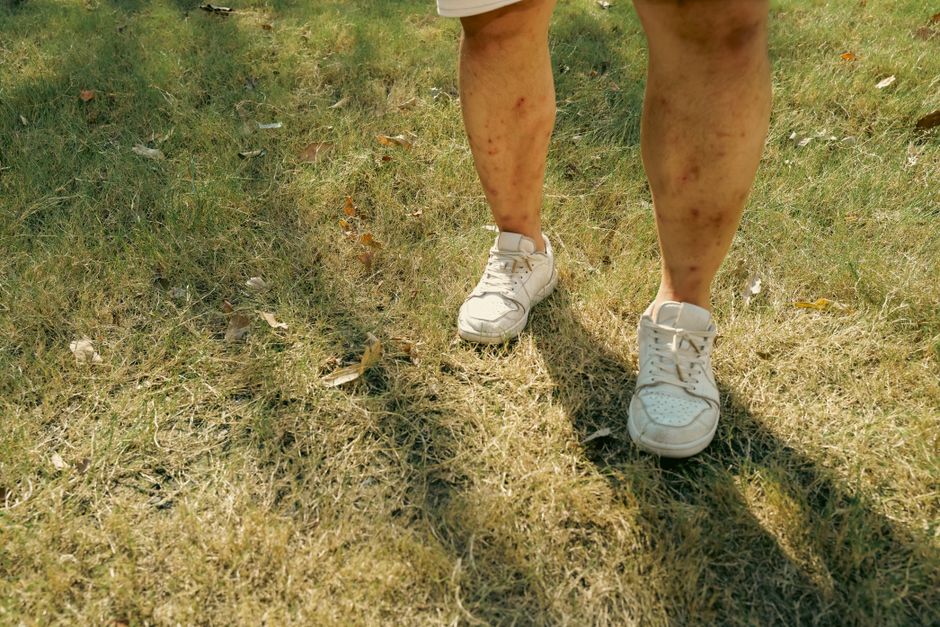
You start walking every morning, mostly because you want to feel better and maybe lose a little weight. Then, around week four or five, a friend mentions your skin looks different. Clearer. More even. You had not expected that.
This is not a coincidence, and it is not placebo. There are real physiological reasons why skin health from walking improves over time, and none of them involve buying an expensive serum. Let’s break down exactly what is happening inside your body.
What Consistent Walking Does to Blood Flow
Your skin is a vascular organ. It relies on a constant supply of oxygenated blood to deliver nutrients to skin cells, carry away metabolic waste, and support the turnover of new cells. When you sit for most of the day, that circulation is sluggish.
Aerobic movement like walking increases cardiac output, meaning your heart pumps more blood per minute. Research published in the Journal of Physiology confirms that repeated bouts of moderate aerobic exercise increase capillary density in skeletal and peripheral tissue over time. For your skin, this translates into more efficient delivery of oxygen and nutrients, including vitamin C, vitamin E, zinc, and amino acids, all of which support collagen synthesis and cellular repair.
A 30-minute brisk walk raises skin-surface blood flow for up to an hour afterward. Do that consistently for four to six weeks, and you begin building a baseline where circulation is reliably better, even at rest.
The Stress Hormone Factor Nobody Talks About
Cortisol is one of the most underappreciated contributors to problem skin. When cortisol stays elevated chronically, it increases sebum production and drives low-grade inflammation, two conditions that are directly linked to breakouts, uneven tone, and slower wound healing.
Moderate-intensity walking, the kind where you can still hold a conversation, has been shown to reduce cortisol levels both acutely and over time. A review in Psychoneuroendocrinology (2016) found that regular aerobic exercise at moderate intensity was consistently associated with lower baseline cortisol compared to sedentary individuals.
Lower cortisol also tends to improve sleep quality, which compounds the benefit further because skin cell regeneration peaks during deep sleep. If stress and poor sleep have been affecting your complexion, consistent walking addresses both at the same time without requiring anything beyond comfortable shoes and a route.
For a closer look at how recovery and rest interact with skin clarity, Why Your Skin Clears on Walking Rest Days and How Recovery Builds Complexion From Within offers a practical companion perspective.

How Walking Supports the Gut-Skin Axis
One of the more surprising connections in skin health research is between digestive function and complexion. Gut motility, the rhythmic movement of food through your intestines, slows considerably with inactivity. When digestion is sluggish, nutrient absorption becomes less efficient and waste spends more time in the colon, which can increase systemic inflammation markers.
Walking acts as a natural stimulant for gut motility. Even a 15-minute walk after a meal measurably speeds gastric emptying and reduces postprandial blood sugar spikes, according to research reviewed in Sports Medicine (2022). Better gut transit means your body absorbs the skin-supporting nutrients in your food more reliably, including biotin, selenium, and the B vitamins that support the skin barrier.
This connection is explored in more depth in Skin Clarity From Digestive Movement: How Post-Meal Walking Supports Nutrient Absorption and Complexion, if you want to understand the timing piece in detail.
What Actually Changes Between Weeks One and Six
Here is a rough timeline based on the physiological mechanisms above, framed as a realistic case study of someone walking 25 to 35 minutes five days per week:
Week 1-2: You may notice mild flushing during and after walks, which is normal increased surface blood flow. No visible skin change yet, but cellular processes are already shifting.
Week 3: Sleep tends to improve slightly for walkers, which is when some people see a subtle reduction in puffiness or under-eye circles. Cortisol is beginning to trend lower with consistent movement.
Week 4-5: Skin cell turnover has had enough time to cycle through. New cells, better nourished by improved circulation, begin reaching the surface. Many people notice a more even tone or fewer small breakouts during this window.
Week 6 and beyond: The benefits compound. Capillary density in peripheral tissue has measurably increased. Cortisol baseline is lower. Gut motility is more consistent. You are looking at sustainable, physiologically grounded skin health from walking rather than a one-time effect.
This progression is also supported by findings covered in Why Your Skin Improves After Two Weeks of Consistent Walking and How Movement Supports Healing From Inside Out.
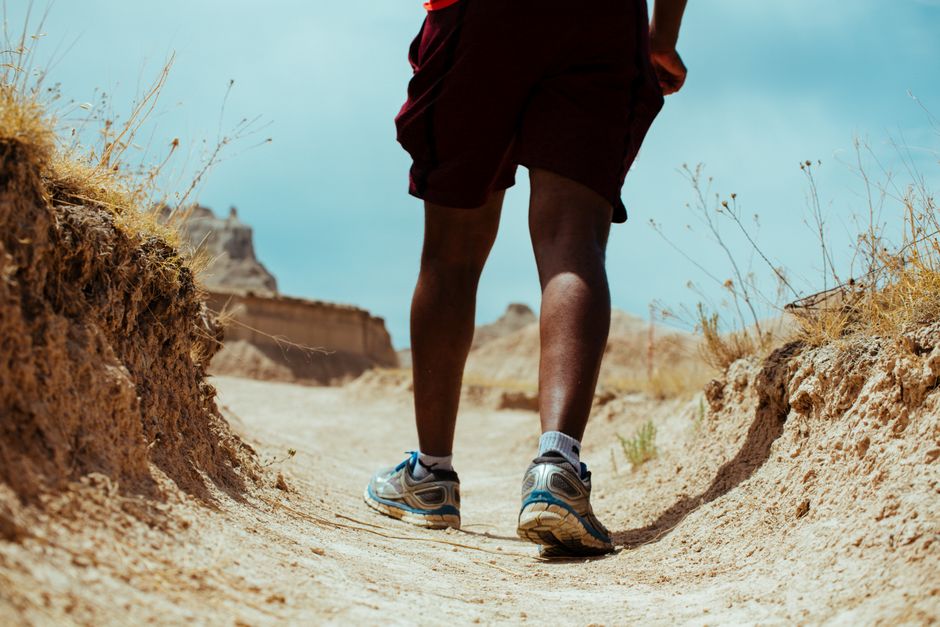
Modifications for Different Schedules and Fitness Levels
You do not need to walk an hour at high intensity to see these benefits. Here are three realistic entry points:
- Beginners or those short on time: Two 15-minute walks per day, one after lunch and one after dinner, deliver most of the gut motility and cortisol benefits while keeping effort low.
- Moderate fitness: 30 minutes at a brisk but conversational pace, five days a week, is the most studied range for the skin-circulation connection.
- Shift workers or irregular schedules: Consistency matters more than timing. Even indoor walking during a break can maintain the habit on days when early mornings or evenings are not possible. Workplace Wellness on Shifts: How to Eat, Sleep, and Move When Your Schedule Flips has specific strategies for this.
If building the habit has felt hard to sustain, Why Your Walking Habit Stops After Three Weeks and How One Mindset Shift Makes It Stick for Good addresses the common sticking point directly.
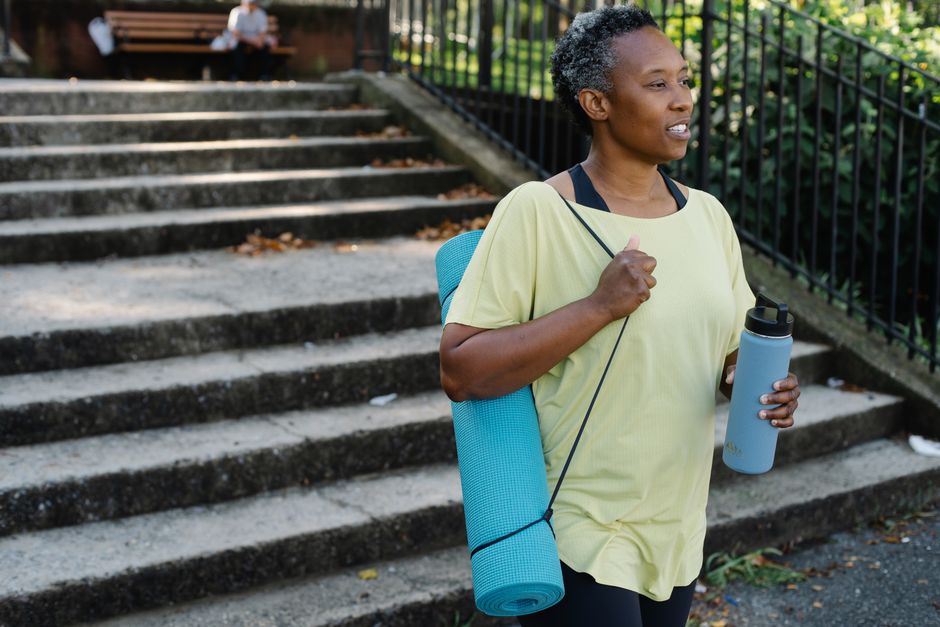
One Practical Step to Start Today
Choose one of the modifications above and try it for two weeks before evaluating results. Keep everything else about your routine the same so you can actually observe the effect of the walking. Notice how your skin feels around day 10 to 14, not just how it looks, because texture and hydration often shift before visible clarity does.
If you want practical weekly guidance on sustainable habits like this one, the Clean Body Mentor newsletter brings evidence-informed tips to your inbox without the noise.
This article is for general educational and informational purposes only and is not a substitute for medical advice, diagnosis, or treatment. Health needs vary by individual. Consult a qualified healthcare professional before making significant changes to your diet, exercise routine, supplements, medication, or treatment plan, especially if you have a medical condition, are pregnant or breastfeeding, take medication, or have concerns about your symptoms.

Sources
- Hellsten, Y. and Nyberg, M. (2015). Cardiovascular adaptations to exercise training. Comprehensive Physiology. American Physiological Society.
- Zschucke, E., Gaudlitz, K., and Strohle, A. (2013). Exercise and physical activity in mental disorders. Journal of Preventive Medicine and Public Health.
- Henson, J. et al. (2022). Physical activity and postprandial glycemic control. Sports Medicine review series.
- Thau, L., Gandhi, J., and Bhimji, S. (updated 2023). Physiology, Cortisol. StatPearls, National Library of Medicine (NIH). Available at: https://www.ncbi.nlm.nih.gov/books/NBK538239/
- Salmon, P. (2001). Effects of physical exercise on anxiety, depression, and sensitivity to stress. Clinical Psychology Review, 21(1), 33-61.