

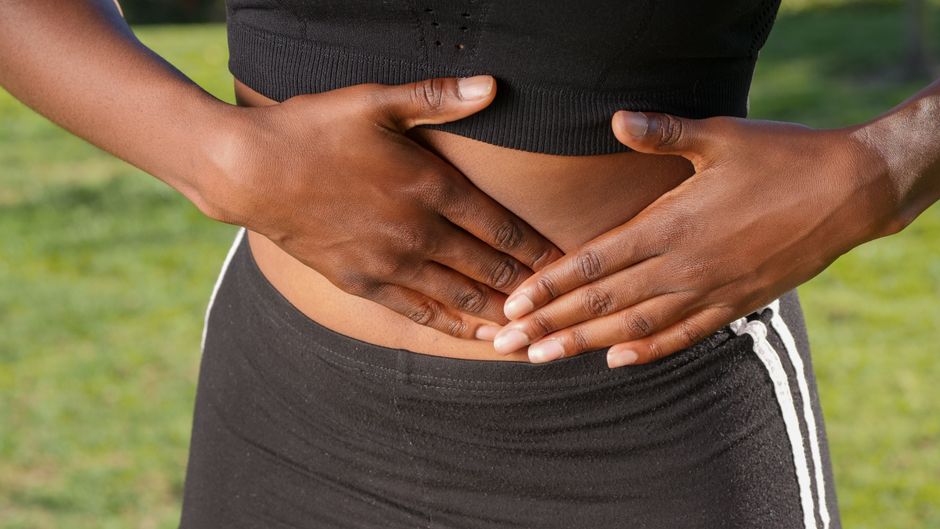
You eat a reasonable meal, use decent ingredients, and still feel bloated and heavy an hour later. The usual suspects get blamed: too much fiber, the wrong foods, eating too fast. But one factor almost never comes up in that conversation: how you were sitting.
Posture and digestion are more closely connected than most people realize, and the relationship is mechanical, not mystical. When your spine rounds forward and your shoulders creep toward your ears, your abdominal organs get compressed, your diaphragm loses room to move, and the whole digestive process slows down. The good news is that correcting it takes less effort than overhauling your diet.
This tutorial walks you through exactly why mealtime posture collapses, what that does to digestion, and three practical cues you can start using today.
What Slouching Does to Your Digestive Organs
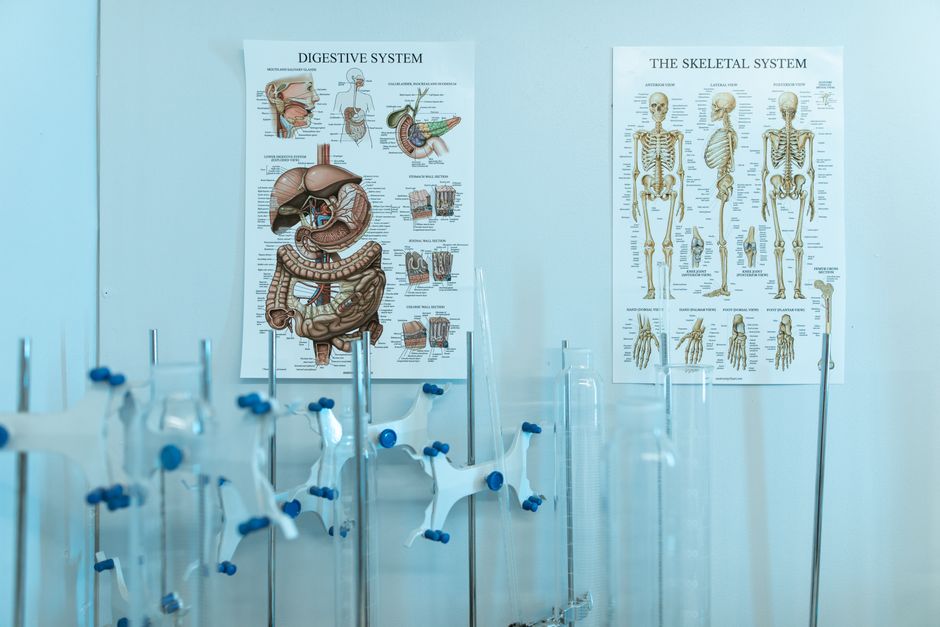
Your stomach, intestines, and diaphragm share a compact space. When you sit upright, that space stays open and each organ can do its job without interference. When you slouch, the lower ribs drop toward the hips, the abdomen folds, and the organs beneath get compressed.
Research published in the Journal of Clinical Gastroenterology has examined how body position affects gastric emptying and motility. While most of that work compares lying down to sitting, the underlying principle is consistent: compression and gravity angle matter. A rounded posture puts mechanical pressure on the stomach and can slow the rate at which food moves into the small intestine.
Beyond organ compression, slouching collapses your thoracic cavity. Your diaphragm, which is the primary breathing muscle, shares real estate with the digestive organs. When it cannot drop fully during an inhale, you breathe shallowly into the chest. Shallow breathing keeps your nervous system in a mild stress state, and the digestive system is strongly regulated by the parasympathetic nervous system, the branch that activates rest-and-digest. Shallow, chest-dominant breathing can suppress that signal.
If you want to dig deeper into how breathing directly affects bloating, the guide on Digestive Bloating From Shallow Breathing and Rounded Posture: Why Breathwork Beats Food Swaps for Afternoon Relief covers the breathwork side in detail.

Why Posture Collapses at the Table in the First Place
Understanding the mechanics helps, but it is worth knowing why this happens so automatically before you can fix it.
Most people arrive at the dinner table after hours of desk work or screen time. By that point, the hip flexors are shortened, the thoracic spine is already in flexion, and the deep core muscles that hold your torso upright have been underused for hours. Sitting down to eat does not reset any of that. You carry the same collapsed position from your desk chair straight to your dining chair.
Add to that the natural forward lean most people do when eating: chin coming down toward the bowl, elbows on the table, shoulders rounding inward. It feels comfortable because your body has adapted to that shape. But comfort and function are not always the same thing.
If rounded posture from desk work is part of your pattern, the guide on Mobility Moves for Tech Neck and Rounded Shoulders: A 7-Minute Desk Break That Reverses Forward Posture gives you a useful reset before meals.
Three Postural Cues That Actually Change Your Digestion
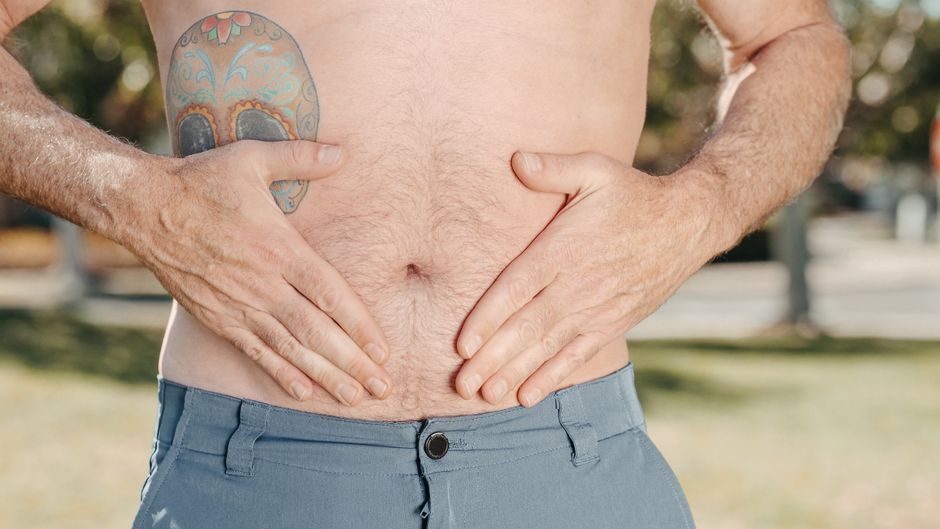
You do not need a special chair or a lumbar cushion. These three cues work at any table and can be done mid-meal without interrupting conversation.
Cue 1: Stack Your Ribcage Over Your Pelvis
Before your first bite, sit back in your chair and feel your sit bones make contact with the seat. Tilt your pelvis very slightly forward, not aggressively, just enough to feel your lower back come to a neutral curve rather than flatten. Then lift your lower ribs straight up, as if someone were pulling them gently away from your hip bones.
This single adjustment opens the abdominal space the most. You are literally creating room for your stomach and intestines to sit without compression. Hold it for two or three breaths and notice how much easier it is to take a full inhale.
Cue 2: Bring the Fork to Your Face, Not Your Face to the Fork
This sounds obvious, but most people do the opposite. Lifting food to your mouth keeps your spine long. Dropping your chin toward the bowl locks you back into flexion within seconds.
A practical anchor: rest your free hand on the table, palm down, and press lightly. That small amount of feedback tends to keep your upper body from collapsing forward between bites. Try it for one meal and notice how different the end of the meal feels compared to a slouched sitting.
Cue 3: Take One Diaphragmatic Breath Before You Start
Before your first bite, place one hand on your belly and take a single slow breath in through your nose. If your hand rises, your diaphragm is engaging. If only your chest moves, you are still in shallow-breathing mode.
This one breath does two things: it opens the abdominal space for the meal ahead, and it signals your parasympathetic nervous system to begin the rest-and-digest process before food even arrives. Research reviewed by the NIH’s National Center for Complementary and Integrative Health suggests that slow diaphragmatic breathing can reduce physiological stress markers, which supports better digestive function.
For a fuller picture of how stress posture and gut function overlap, the article on Digestion and Emotional Stress: Why Your Gut Freezes When You Rush and What Breathwork Actually Fixes explains the gut-nervous-system connection well.
Checking In Mid-Meal
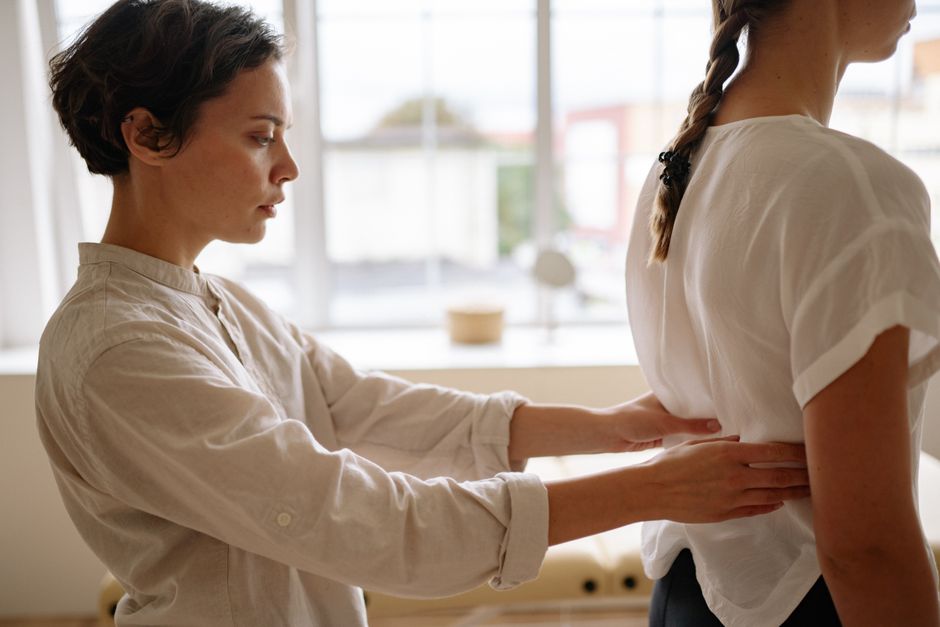
Posture tends to drift. Most people start a meal sitting reasonably well and end it fully collapsed. A useful habit is to do a quick reset at the midpoint: set down your fork, roll your shoulders back once, re-stack your ribs, and take one more diaphragmatic breath. The whole check-in takes under ten seconds.
This mid-meal reset is especially helpful if you feel that familiar pressure or fullness before you have finished eating. That early fullness is sometimes a compression signal rather than a satiety signal. Sitting upright can genuinely relieve it.
If bloating after meals is a recurring issue for you, Five Reasons You Feel Bloated After Healthy Meals (And Which Eating Habits Actually Fix It) explores additional contributing factors beyond posture.

Making the Habit Stick
Three cues practiced occasionally will not change much. What tends to work is anchoring one cue to something you already do at every meal, such as sitting down, picking up your fork, or placing your napkin. Choose one cue, attach it to one anchor, and practice it consistently for two weeks before adding the others. Gradual progress beats trying to overhaul everything at once.
You might also find that improving posture during meals starts to carry over to how you sit afterward, which matters because Why Your Digestion Stalls on Sedentary Days and How Movement Timing Fixes It Without Diet Changes shows that what you do after a meal has its own effect on how well digestion proceeds.
Choose one cue from this tutorial, practice it at your next meal, and notice how your body feels an hour later. If you want more practical guidance delivered weekly, the Clean Body Mentor newsletter covers whole-person wellness topics just like this one.
This article is for general educational and informational purposes only and is not a substitute for medical advice, diagnosis, or treatment. Health needs vary by individual. Consult a qualified healthcare professional before making significant changes to your diet, exercise routine, supplements, medication, or treatment plan, especially if you have a medical condition, are pregnant or breastfeeding, take medication, or have concerns about your symptoms.
Sources
- Kuo, B., et al. Body position and gastric emptying: related clinical evidence. Journal of Clinical Gastroenterology (various issues). Cited for positional effects on gastric motility.
- National Center for Complementary and Integrative Health, NIH. Relaxation techniques: What you need to know. Cited for diaphragmatic breathing and stress physiology. (nccih.nih.gov)
- Bharucha, A.E., et al. Gastrointestinal motility disorders: Updates and clinical perspectives. Mayo Clinic Proceedings, 2014. Cited for parasympathetic regulation of digestion.


