
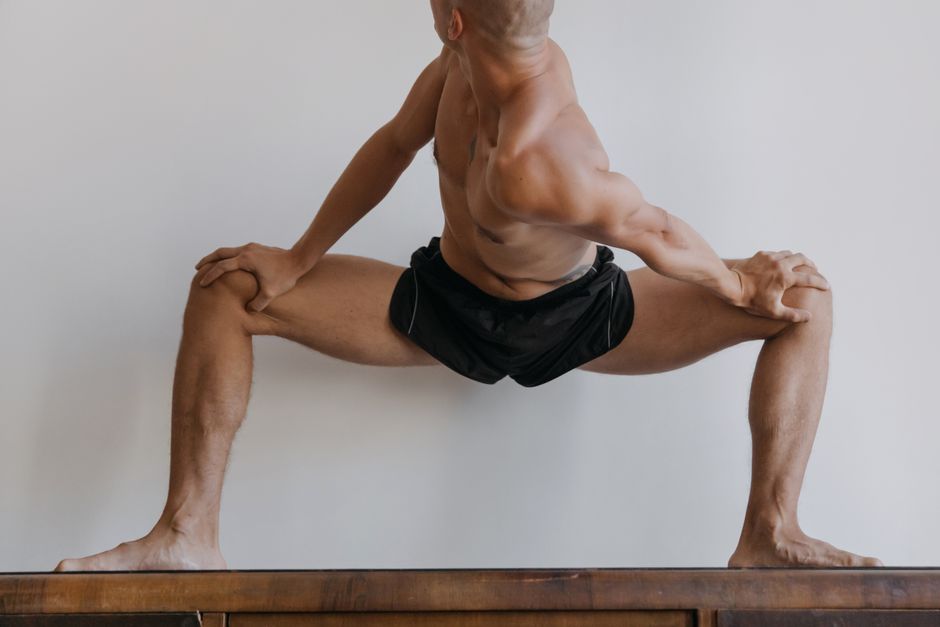
If your neck aches by mid-afternoon or your upper back feels locked in a permanent hunch, you are not imagining things. Hours of looking at a screen pull the head forward, shorten the muscles across the front of your chest, and switch off the muscles that hold your shoulder blades back. Over time, that pattern affects more than comfort: research published in the Journal of Physical Therapy Science suggests that forward head posture can reduce lung capacity and compress the abdominal space that your digestive organs need. Posture is not just about how you look standing up.
The good news is that this pattern is largely reversible with consistent, targeted movement. You do not need a gym, a foam roller, or a dedicated workout block. The routine below takes about seven minutes, uses your desk chair and a wall, and hits every key area: the neck flexors, chest, thoracic spine, and the mid-back muscles that pull your shoulders into alignment.
If you want a longer option, the Mobility Drills for Desk Workers: Reverse Sitting Stiffness and Reclaim Posture in 10 Minutes guide covers a fuller sequence you can do at lunch.

Why Forward Posture Causes More Than Neck Pain
Forward head posture places roughly 10 extra pounds of load on the cervical spine for every inch the head shifts forward, according to research cited by the American Journal of Pain Management. But the downstream effects extend further. When your ribcage collapses forward and your diaphragm is compressed, shallow breathing becomes the default, which can increase feelings of tension and low energy throughout the day.
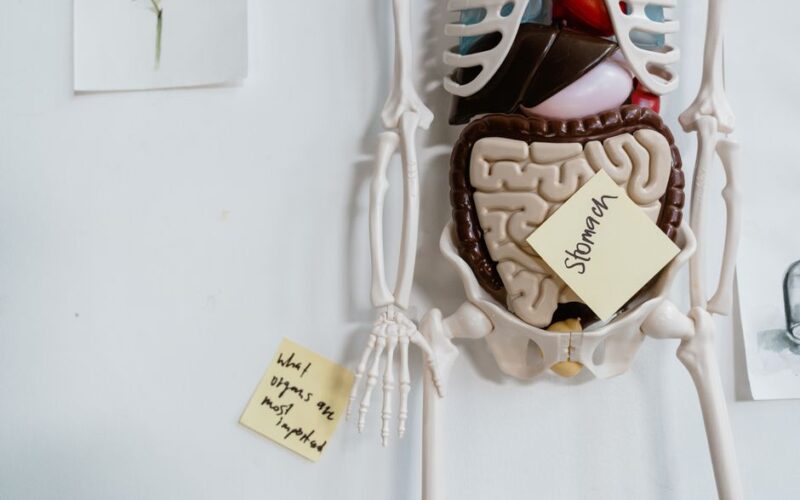
Posture also shapes digestion. Slouching compresses the abdomen, which can slow gastric emptying and contribute to the bloated feeling many desk workers notice after lunch. The Digestive Comfort Through Breathing and Posture: Why How You Sit Matters More Than What You Eat guide explains that connection in more detail if you want to understand the mechanism.
The point here is practical: fixing forward posture with mobility exercises is a whole-person wellness move, not just a vanity fix.
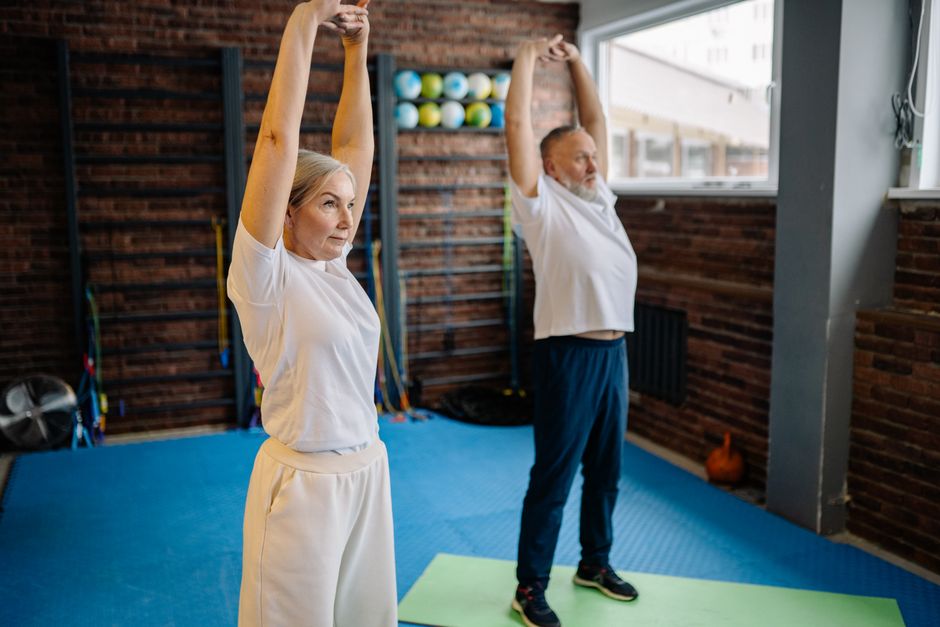
The 7-Minute Routine: Seven Drills in Order
Do these drills in sequence. Move slowly and breathe through each one. You are not trying to stretch aggressively; you are asking your nervous system to accept a new range of motion and asking your mid-back muscles to wake up.
1. Chin Tucks (1 minute)
Sit upright. Without tilting your chin down, slide your head straight back so your ears stack over your shoulders. Hold two seconds, release, repeat. Aim for 12 reps. This directly decompresses the cervical joints and retrains the deep neck flexors that weaken under forward head posture.
2. Neck Side Stretch (1 minute)
Drop your right ear toward your right shoulder. Place your right hand lightly on your left temple and let gravity do the work for 20 to 30 seconds each side. Do not pull. The target is the upper trapezius and the scalene muscles along the side of your neck, both of which shorten under tech-neck conditions.
3. Doorway or Chair-Back Chest Opener (1 minute)
If you have a doorframe nearby, place your forearms on each side at shoulder height and step one foot through. If you are at your desk, lace your fingers behind your head, open your elbows wide, and lean gently back over the top of your chair back. Hold 20 to 30 seconds, breathe deeply. This stretches the pectoralis minor, which is often the primary driver of rounded shoulders.
4. Thoracic Extension Over Chair (1 minute)
Sit at the edge of your chair. Place your hands behind your head, support your weight, and gently arch your upper back over the top of the chair, looking at the ceiling. Hold five seconds, return to upright, repeat five times. This is the single most effective drill for restoring extension in the mid-back, which loses mobility faster than any other spinal region in sedentary adults.
5. Shoulder Blade Squeezes with a Pause (1 minute)
Sit tall. Draw both shoulder blades together and down, as if you are trying to tuck them into your back pockets. Hold five seconds, release fully, repeat 10 times. This activates the lower trapezius and rhomboids, the muscles responsible for holding your shoulders back. Without deliberate activation, these muscles stay switched off while your chest muscles do all the pulling.
6. Wall Angels (1 minute)
Stand with your back, head, and both arms against a wall. Bend your elbows to 90 degrees. Slowly slide your arms up the wall toward overhead and back down, keeping all contact points touching the wall. Do eight to ten slow reps. If your lower back arches away from the wall or your arms lose contact, stop at the point you can maintain form. This drill integrates all the muscles you have just isolated.
7. Deep Diaphragmatic Breath with Tall Posture (1 minute)
Sit or stand tall. Place one hand on your chest and one on your belly. Inhale for four counts so that your belly hand rises first. Exhale slowly for six counts. Repeat five times. Retraining breathing mechanics reinforces the postural changes you have just made and signals the nervous system to downregulate tension. For more on how Digestive Bloating From Tight Breathing and Shallow Movement: Why Posture Fixes Work Better Than Food Restriction is connected to your breathing habits, that article is worth a read.
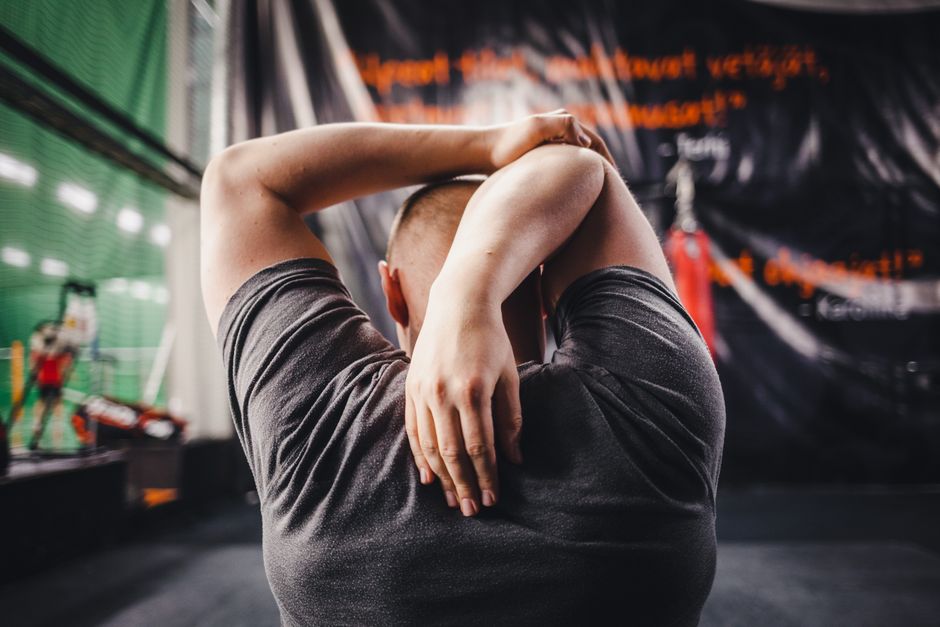
How to Build the Habit Without Willpower
Knowing a routine and actually doing it are two different challenges. The most effective strategy is not motivation; it is friction reduction. Try these three approaches:
- Anchor the routine to an existing trigger. Do the sequence every time you finish a video call or right before your lunch break. Habits attach to existing rituals more easily than to scheduled alarms.
- Start with just two drills. Chin tucks and shoulder blade squeezes are the highest-leverage pair. Once those feel automatic after a week, add the chest opener and thoracic extension.
- Keep a visual cue at your desk. A sticky note, a printed card, or even a phone wallpaper showing the sequence removes the cognitive load of remembering what comes next.
If you want to extend your practice on recovery days or weekends, Mobility for Rounded Shoulders and Forward Posture: A 6-Exercise Home Routine That Reverses Desk Stiffness in 10 Minutes pairs well with this desk routine.
A Note on When to Seek Help
Mobility exercises for posture are appropriate for general stiffness and discomfort from desk work. If you have radiating pain down your arm, numbness or tingling in your hands, severe neck pain after any movement, or a recent injury, stop and speak with a qualified healthcare professional before continuing. These drills are not a treatment for cervical disc problems or nerve impingement.

Start With One Move Today
Choose the drill that feels most immediately relevant, probably chin tucks or the chest opener, and do it at your next break. Consistency with one move beats occasional perfection with all seven. Once it feels easy, layer in the next drill. Small, sustainable additions compound into real postural change over weeks.
If this kind of movement guidance appeals to you, the Clean Body Mentor newsletter delivers practical weekly tips on movement, meals, and whole-person wellness directly to your inbox.
Sources
- Hansraj KK. Assessment of stresses in the cervical spine caused by posture and position of the head. Surg Technol Int. 2014;25:277-279.
- Dimitriadis Z, et al. The effect of cervical traction, core strengthening, and diaphragmatic breathing on lung function and thoracic posture. Journal of Physical Therapy Science. 2015.
- American Journal of Pain Management, cited in clinical guidelines on cervical posture loading.
This article is for general educational and informational purposes only and is not a substitute for medical advice, diagnosis, or treatment. Health needs vary by individual. Consult a qualified healthcare professional before making significant changes to your diet, exercise routine, supplements, medication, or treatment plan, especially if you have a medical condition, are pregnant or breastfeeding, take medication, or have concerns about your symptoms.