
If you have ever blended a smoothie with great intentions on a Monday and then abandoned the habit by Wednesday, you are not alone. The idea of drinking something nutritious every day sounds simple, but the reality often involves forgotten produce, repetitive flavors, and the kind of morning chaos that makes a granola bar feel easier.
The good news is that a smoothie routine does not have to be complicated, expensive, or boring. When you approach it as a system rather than a spontaneous activity, smoothie recipes for healthy eating become something you actually look forward to, instead of one more wellness task on your to-do list.
This tutorial walks you through everything you need to set up a smoothie practice that lasts: how to stock your kitchen strategically, how to batch-prep ingredients so blending takes under three minutes, how to build balanced flavor combinations, and how to adapt your smoothies for specific goals like sustained energy, post-workout recovery, or weight management support.
Why Smoothies Work Better as a System Than as a Spontaneous Habit
One of the most common reasons people stop making smoothies is decision fatigue. When you open the fridge at 7 a.m. and have to figure out what goes in the blender, the whole process feels like a project. A system removes that friction.
Think of it the way you might think about meal prep for beginners: the real time savings happen during a short planning session on Sunday, not during each individual meal. The same logic applies to smoothies. Spend 20 to 30 minutes once a week portioning, washing, and freezing ingredients, and your daily blending routine becomes almost effortless.
A sustainable smoothie practice also avoids one of the biggest pitfalls of healthy eating: produce waste. Research from food sustainability organizations consistently shows that leafy greens and soft fruits are among the most commonly wasted household foods. Freezing those ingredients at their peak freshness solves that problem while locking in nutrients.
Building Your Smoothie Pantry: What to Keep on Hand
A strategic pantry is the foundation of any smoothie routine. You do not need every superfood on the market. You need a reliable selection across a few key categories.
Frozen Fruits and Vegetables
Frozen produce is your best friend here. It is typically harvested and frozen at peak ripeness, keeps for months, costs less per serving than fresh, and eliminates prep time. Build your base from:
- Frozen banana slices (peel and slice fresh bananas before freezing)
- Mixed berries (blueberries, strawberries, raspberries)
- Frozen mango or pineapple chunks
- Frozen cauliflower florets (nearly tasteless, adds creaminess)
- Frozen spinach or kale portions
Liquid Bases
Your liquid determines the overall texture and calorie content. Common options include:
- Unsweetened almond, oat, or soy milk for creaminess
- Water or coconut water for a lighter base
- Plain kefir or Greek yogurt thinned with water for a protein boost and gut-health support
If you are mindful of digestive health and whole-person wellness, fermented dairy bases like kefir can contribute beneficial bacteria alongside your smoothie ingredients.
Protein Sources
A smoothie without protein can leave you hungry within an hour. Adding a protein source helps stabilize blood sugar and keeps you satisfied longer, which is especially helpful if a smoothie is replacing a meal. Options include:
- Plain Greek yogurt
- Silken tofu
- Hemp seeds or chia seeds
- A quality protein powder (whey, pea, or rice-based)
- Nut butter (also adds healthy fats)
For more ideas on building filling, protein-rich mornings, see high-protein breakfast ideas for steady energy and satiety.
Fats, Fiber, and Flavor Boosters
- Avocado (adds creaminess and heart-healthy fats)
- Ground flaxseed or chia seeds (fiber and omega-3 fatty acids)
- Cacao powder or cinnamon (flavor without added sugar)
- Ginger root (frozen in small cubes for easy use)
- Vanilla extract (a small amount transforms flavor)
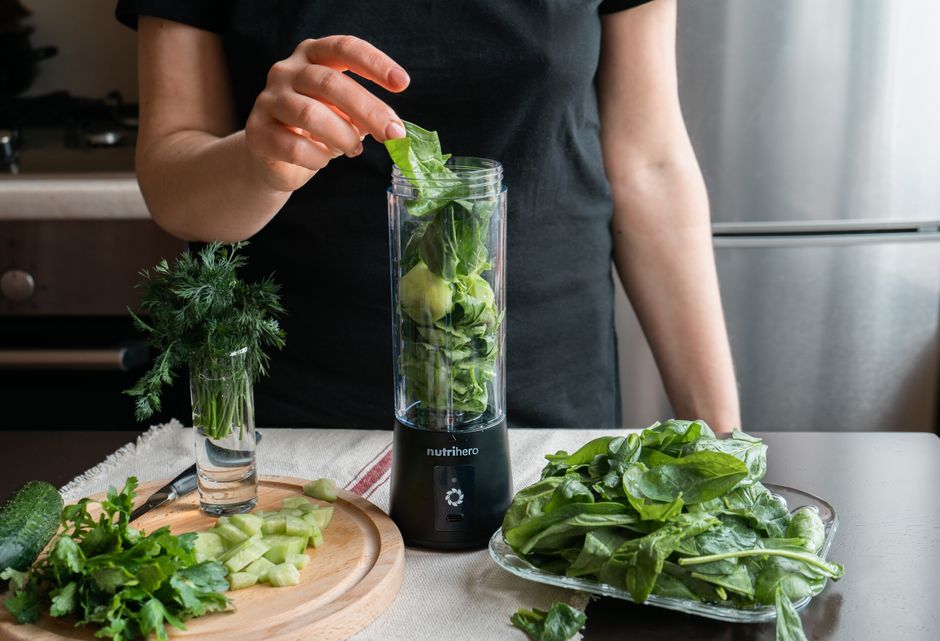
How to Batch-Prep Smoothie Ingredients in 30 Minutes
Batch prepping your smoothie ingredients is the single most effective step for making the habit stick. Here is a practical system you can set up in one short session.
Step 1: Choose Your Weekly Rotation
Select three to four different smoothie combinations for the week. Rotating flavors prevents boredom and ensures you are getting a variety of nutrients. Write them down or keep a note on your phone so the decision is already made when you wake up.
Step 2: Portion Into Freezer Bags or Containers
For each smoothie combination, measure the fruit, vegetables, and any dry add-ins (seeds, protein powder, cacao) into a zip-top freezer bag or a reusable silicone bag. Label each bag with the flavor name and the liquid to add. Stack the bags in your freezer in the order you plan to use them.
When morning arrives, you empty one bag into the blender, add your liquid, and blend. That is it.
Step 3: Prep Perishables Separately
Some ingredients like Greek yogurt, fresh ginger, or nut butter do not freeze well on their own in a bag. Keep a note on each bag indicating what to add from the fridge, so the process remains just as fast.
Step 4: Clean as You Go
Rinse the blender immediately after use with warm water and a drop of dish soap. Blend for 10 seconds and rinse. This one-minute habit prevents residue from hardening and makes the entire routine feel cleaner.
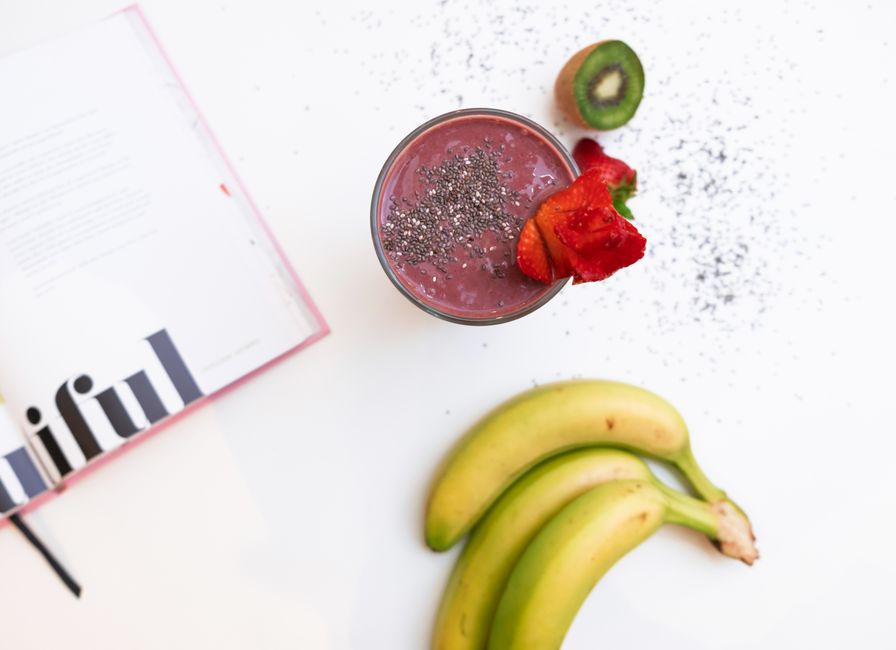
Four Smoothie Recipes for Healthy Eating Goals
These four combinations cover the most common health goals readers ask about. Each is designed to be balanced, satisfying, and easy to batch-prep.
1. Sustained Energy Smoothie
This is a great option for busy mornings when you need to stay focused and fueled for several hours. The combination of complex carbohydrates, protein, and fat works together to support stable energy rather than a quick spike.
Ingredients:
- 1 cup frozen banana slices
- 1/2 cup frozen spinach
- 1 tablespoon almond butter
- 1 tablespoon chia seeds
- 1 cup unsweetened oat milk
- A pinch of cinnamon
For more on how nutrient combinations influence your energy throughout the day, eating for stable energy goes deeper into the science behind food and focus.
2. Post-Workout Recovery Smoothie
After a workout, your muscles need protein and carbohydrates to begin rebuilding. This smoothie delivers both without overthinking it.
Ingredients:
- 1 cup frozen mixed berries
- 1/2 cup frozen cauliflower
- 3/4 cup plain Greek yogurt
- 1 teaspoon honey or 1/4 cup frozen mango for natural sweetness
- 1/2 cup water or coconut water
3. Balanced Nutrition Smoothie
This is the everyday smoothie for someone who wants balanced macronutrients and a wide range of micronutrients without overthinking ratios. It works as a breakfast or a between-meal option.
Ingredients:
- 1/2 cup frozen blueberries
- 1/2 frozen banana
- 1/4 cup frozen kale
- 2 tablespoons hemp seeds
- 1 tablespoon ground flaxseed
- 1 cup unsweetened almond milk
- 1/4 teaspoon vanilla extract
4. Tropical Gut-Support Smoothie
Mango, pineapple, and kefir make a pleasant combination that also supports digestive comfort. Pineapple contains bromelain, an enzyme that research suggests may support digestion, and kefir provides live cultures.
Ingredients:
- 1/2 cup frozen mango
- 1/2 cup frozen pineapple
- 1 cup plain kefir
- 1 teaspoon fresh or frozen ginger
- A squeeze of lime juice
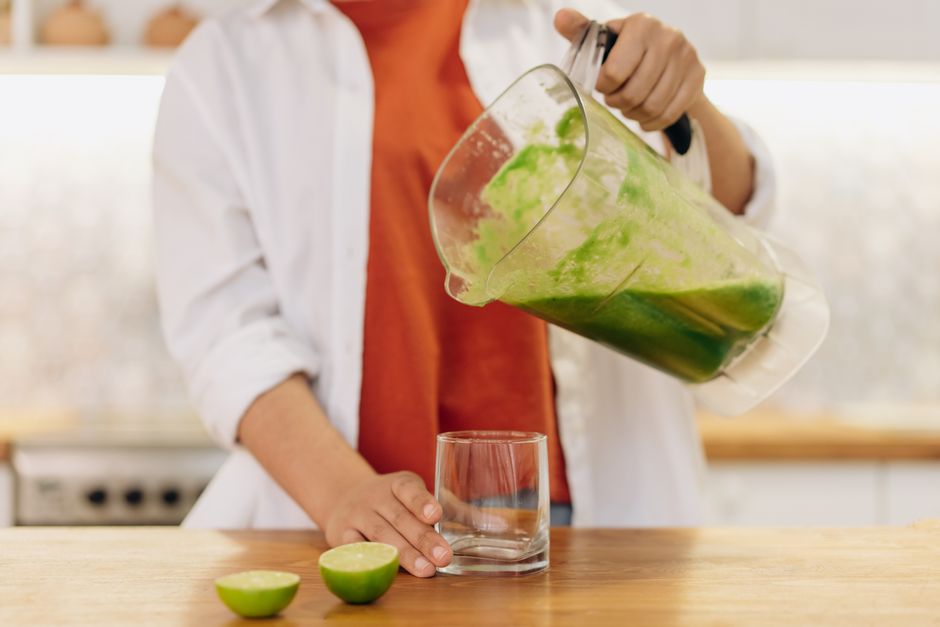
Adapting Smoothies for Specific Health Goals
For Weight Management Support
Smooties can support a calorie-conscious approach to eating without feeling restrictive. The key is building in enough protein and fiber so the smoothie is genuinely filling. A smoothie that is mostly fruit and juice can add significant calories without much staying power.
Practical adjustments:
- Use water, unsweetened plant milk, or kefir as your base instead of juice
- Add a protein source (Greek yogurt, hemp seeds, or protein powder)
- Include at least one high-fiber ingredient (chia seeds, flaxseed, or frozen kale)
- Keep portions reasonable: 12 to 16 ounces is typically satisfying as a meal replacement
Smooties work best as part of a broader approach that includes regular movement. If you are building a more active lifestyle alongside your nutrition changes, building a sustainable walking plan for fat loss and fitness confidence is a gentle place to start.
For Skin and Hair Support
Certain nutrients are consistently linked to skin health, including vitamin C, zinc, omega-3 fatty acids, and antioxidants. Berries, spinach, chia seeds, and hemp seeds are all practical ways to get more of these nutrients through your daily smoothie. For a deeper look at how nutrition supports your complexion from the inside out, skin health from the inside out covers the evidence clearly.
For Digestive Comfort
If bloating or irregular digestion is something you are managing, pay attention to which ingredients you are combining. High-fiber additions like raw kale and flaxseed in large amounts can be harder to digest for some people, especially if your fiber intake is currently low. Add these gradually. Ginger, kefir, and banana are generally gentler starting points.
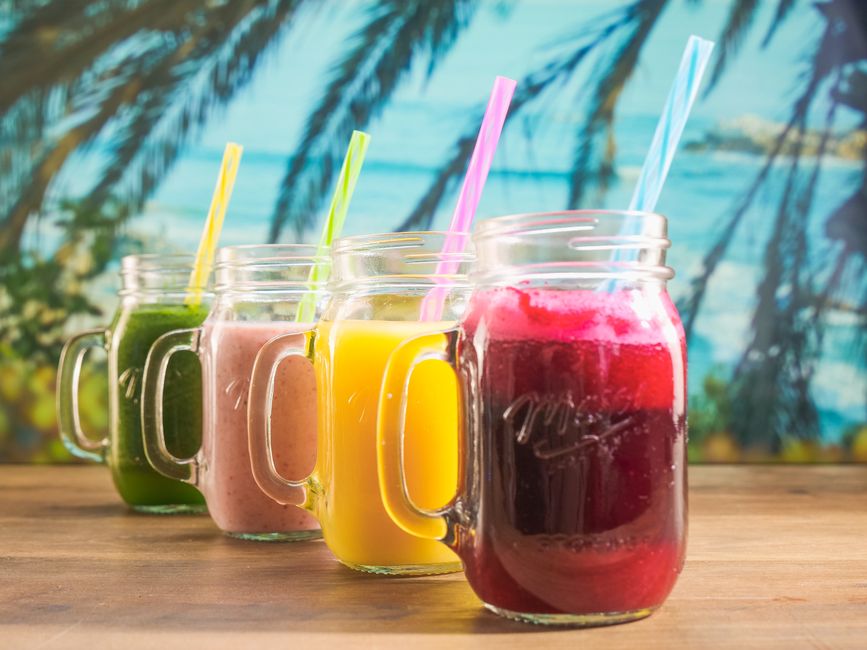
Keeping Your Smoothie Rotation Fresh and Interesting
Routine is what makes the habit stick, but variety is what keeps it from feeling like a chore. Here are practical ways to introduce variety without overhauling your system.
Seasonal Swaps
Change your frozen fruit selection with the seasons when fresh options are on sale and at their peak. Freeze them yourself to save money. Stone fruits like peaches and cherries work beautifully in summer. In cooler months, roasted or steamed frozen beets add earthiness and color.
Flavor Theme Days
Assigning loose flavor themes to different days can make the rotation feel intentional rather than random. For example: tropical on Mondays, berry-rich mid-week, chocolate-banana on Fridays. You stay within your prep system but each smoothie feels a little different.
Upgrade Your Liquids
Swapping the liquid base is one of the easiest ways to change the flavor profile without changing anything else. Try hibiscus tea as a base for berry smoothies, or cold brew coffee blended with banana and almond butter for a morning pick-me-up.
Smoothie Bowls as a Weekend Upgrade
If you have a few extra minutes on the weekend, use less liquid and pour your blend into a bowl. Top it with granola, sliced fruit, or a drizzle of nut butter. It becomes a more leisurely and visually appealing version of your usual routine. For a full comparison of bowls versus blended drinks, smoothie bowls vs. blended smoothies explores which format fits different goals and lifestyles.
Common Mistakes to Avoid
Making it too sweet. Fruit is naturally sweet, and adding juice, sweetened yogurt, or honey on top of multiple fruit servings can push the sugar content higher than expected. Taste before adding sweeteners.
Skipping protein. A fruit-only smoothie is not a meal. Without protein and fat, many people feel hungry again within 45 minutes. This is easy to fix with a small addition of yogurt, seeds, or nut butter.
Using too many ingredients. More does not mean better. Beyond six or seven ingredients, smoothies become harder to balance in flavor, cost more, and take longer to prep. Keep it simple.
Not blending long enough. Seeds and frozen kale need adequate blending time to break down properly. Most blenders need 45 to 60 seconds for a fully smooth result.
Drinking too fast. Even liquid food benefits from being consumed at a moderate pace. Drinking too quickly can contribute to bloating for some people. The principle of mindful eating without restriction applies here too: slow down and notice how the food makes you feel.
Budget-Friendly Smoothie Strategies
A common misconception is that smoothies are expensive. They can be, if you buy single-serve pouches or specialty superfoods at full price. But with a few strategies, a satisfying smoothie can cost less than two dollars per serving.
- Buy frozen fruit in bulk bags rather than fresh or pre-portioned packs
- Purchase spinach and bananas when on sale and freeze them yourself
- Use hemp seeds or chia seeds instead of branded protein powders when possible
- Check the international aisle for coconut milk and ginger at lower prices
- Refer to grocery shopping for balanced nutrition on a budget for a broader system to apply across your whole pantry
Frequently Asked Questions
Can I make smoothies the night before?
Yes, with some caveats. Blended smoothies can be stored in a sealed jar in the fridge for up to 24 hours. Give it a good shake or stir before drinking. Some separation and oxidation will occur, especially with green smoothies. Flavor and texture are best fresh, but overnight prep works well as a backup option.
Are smoothies a good option for weight loss?
Smooties can support a calorie-deficit approach when they are built to be filling rather than just fruity. High-fiber and high-protein smoothies that replace a higher-calorie meal may help with overall calorie management. However, smoothies are not magic and work best as part of a consistent, balanced eating pattern rather than a short-term solution.
How do I prevent my green smoothies from tasting bitter?
Balance is the key. Pair leafy greens like spinach or kale with naturally sweet fruit such as banana, mango, or pineapple. A small amount of vanilla extract or cinnamon can also soften bitter notes. Start with a small amount of greens (1/4 cup) and increase gradually as your palate adjusts.
Do smoothies count as whole fruit or processed food?
Blending breaks down the physical structure of fruit and vegetables, which may affect how quickly some sugars are absorbed compared to eating the whole food. However, blended produce still retains fiber, vitamins, and phytonutrients. Smoothies are a meaningful step up from juice, which removes most of the fiber. Including fiber-rich add-ins like chia or flaxseed can further support a slower, steadier response.
Is it okay to drink a smoothie every day?
For most people, yes. Variety is important, though: rotating ingredients ensures you get a range of nutrients and reduces the chance of developing sensitivities to ingredients you consume in large amounts daily. If you have specific health conditions, kidney issues (oxalate-containing greens), or take medications that interact with certain foods, check with a qualified healthcare professional.
A Realistic Next Step
You do not need to overhaul your entire kitchen this week. Pick one smoothie from the four recipes above, gather the ingredients, and batch-prep three portions this weekend. See how it feels to wake up on Monday, Tuesday, and Wednesday with a ready-to-blend bag in the freezer.
If that goes well, add a second flavor next week. Small, repeatable actions build the kind of sustainable routine that actually changes daily life over time, not a dramatic overhaul that fizzles out by the end of the month. The readers in how three readers built sustainable healthy habits without perfectionism found exactly that: consistency with one small habit opened the door to everything else.
When you are ready to explore further, the Clean Body Mentor newsletter delivers practical weekly wellness guidance with new recipes, habit strategies, and evidence-informed ideas directly to your inbox.
This article is for general educational and informational purposes only and is not a substitute for medical advice, diagnosis, or treatment. Health needs vary by individual. Consult a qualified healthcare professional before making significant changes to your diet, exercise routine, supplements, medication, or treatment plan, especially if you have a medical condition, are pregnant or breastfeeding, take medication, or have concerns about your symptoms.