
Most workdays don’t leave much room for a formal workout. Between back-to-back meetings, deadlines, and the mental load of staying on task, your physical health and mental well-being can quietly take a back seat. By the end of the day, you’re tired, stiff, and possibly stressed, yet you somehow never made it to the gym.
Here’s the thing: a gym is not a prerequisite for workplace wellness. The research on sedentary behavior and occupational stress is clear enough to say that small, consistent habits woven into your existing workday can meaningfully support your energy, focus, mood, and long-term health. You don’t need an hour block or a locker room. You need realistic strategies that actually fit a busy professional life.
This guide walks you through exactly that. You’ll find desk-friendly movement breaks, stress-management techniques you can use between tasks, hydration and nutrition timing tips, and sustainable workplace wellness habits you can start this week.

Why Workplace Wellness Matters More Than You Might Realize
Sitting for long, unbroken stretches is associated with a range of health concerns, including reduced circulation, muscle tension, increased fatigue, and higher risk for metabolic issues over time. Remote and office workers alike often accumulate eight or more hours of mostly sedentary time during the workday, which compounds even when you exercise in the evening.
At the same time, occupational stress is one of the most common sources of mental and emotional strain for adults. Chronic work stress, when left unmanaged, can affect sleep quality, immune function, and mood. It can also make it harder to make thoughtful food choices or stay motivated to move.
The good news is that workplace wellness habits don’t require dramatic changes. Research suggests that breaking up sitting time with short movement periods, practicing brief stress-reduction techniques, and making small improvements to nutrition and hydration timing can produce real, noticeable benefits without requiring extra hours in your schedule.

Movement Habits That Work at Your Desk (or Kitchen Table)
You don’t need to run laps or do burpees to counteract the effects of sitting. Gentle, purposeful movement throughout the day can reduce muscle tension, support circulation, and help you feel more alert.
The Two-Hour Rule for Breaking Up Sitting
A practical starting point for most people is to stand, stretch, or walk briefly at least once every 90 to 120 minutes. You can set a phone reminder, use a smartwatch nudge, or simply commit to standing up whenever you finish a task or complete a meeting.
This doesn’t mean you need a standing desk, though some people find them helpful. It means building in a habit of transitioning your position regularly throughout the day. Even a two-minute walk to the kitchen and back counts.
Desk-Friendly Stretches and Mobility Work
Seated work tends to shorten the hip flexors, compress the lower back, round the shoulders, and tighten the neck. Targeted stretching can help reverse these patterns and reduce the cumulative discomfort many desk workers experience over time.
A few movements that work well between tasks:
- Neck rolls and side stretches: Gently tilt your ear toward your shoulder and hold for 20 to 30 seconds per side. This releases tension that builds from screen use.
- Seated figure-four stretch: Cross one ankle over the opposite knee and gently press down on the bent knee while leaning slightly forward. Hold for 30 seconds each side to open the hips.
- Chest opener: Clasp your hands behind your back, squeeze your shoulder blades together, and lift your chest. This counters the forward rounding posture of typing.
- Standing calf raises: While waiting for a document to load or a meeting to start, rise onto your toes repeatedly. This supports circulation in the lower legs.
- Thoracic rotation: Sit tall in your chair, cross your arms over your chest, and gently rotate your upper body left and right. This mobilizes the mid-back.
For a more structured approach, the Stretching and Mobility Routines for Desk Workers: Counteract Sitting and Improve Daily Movement guide provides a beginner-friendly routine you can complete in under 10 minutes without leaving your workspace.
Walking as a Workday Tool
Walking is one of the most underrated workplace wellness habits available to you. A short walk after lunch, a walking call instead of a seated video meeting, or a brief loop around the block before your first task can all contribute to your daily movement total and your mental clarity.
Research suggests that even a 10-minute walk can temporarily lift mood and improve cognitive function. For those interested in using walking more intentionally for fitness and body composition, Walking for Weight Loss: A Realistic Approach to Fat Loss Through Daily Movement offers a practical framework you can adapt to your schedule.
Building Strength Without a Gym
If you want to go beyond mobility and walking, bodyweight exercises require no equipment and can be done in a small space. A few sets of squats, wall push-ups, or standing lunges during a break take fewer than five minutes and begin to build strength and lean muscle over time. For a more complete home workout structure, Strength Training for Beginners at Home: Build Confidence and Lean Muscle Without Equipment or a Gym is a solid starting point.
Stress Relief Techniques That Fit Between Tasks
Managing occupational stress effectively is one of the most valuable workplace wellness habits you can build. The goal is not to eliminate stress entirely, which is neither realistic nor always desirable. The goal is to prevent it from accumulating unchecked throughout the day.
Controlled Breathing for Quick Stress Relief
Breathing techniques are evidence-informed, require no equipment, and take under two minutes. One of the most accessible is box breathing:
- Inhale through your nose for a count of four.
- Hold your breath for a count of four.
- Exhale slowly through your mouth for a count of four.
- Hold again for a count of four before repeating.
Repeating this cycle three to five times activates your parasympathetic nervous system, helping to lower heart rate and reduce the physical tension associated with stress. You can use this before a difficult conversation, after an overwhelming email, or any time your stress feels like it’s building.
Another effective option is extended exhale breathing: inhale for four counts and exhale for six to eight counts. The longer exhale is thought to activate the body’s calming response more directly.
Micro-Mindfulness Between Meetings
Mindfulness doesn’t require a meditation app, a cushion, or 20 minutes of silence. A simple practice you can use at your desk is a brief body scan. Close your eyes for 60 seconds, notice where you’re holding tension in your body (jaw, shoulders, hands), and consciously release it. That small act of awareness interrupts the automatic stress response before it becomes a physical burden.
If you want to build a more consistent mindfulness practice outside of work hours, starting with even five quiet minutes per day can gradually shift your baseline stress response over weeks.
Setting Psychological Boundaries Within Your Workday
One of the most underappreciated workplace wellness habits is structuring your day to protect your mental well-being. This includes:
- Defining a clear end time for your workday and sticking to it when possible.
- Taking a real lunch break away from your screen, even for 15 to 20 minutes.
- Batching notifications rather than responding reactively throughout the day.
- Building brief transition rituals between tasks to signal to your brain that one thing has ended and another is beginning.
For remote workers especially, the line between work time and personal time can blur quickly. Protecting that boundary is not laziness. It’s sustainable performance.

Hydration Habits That Support Energy and Focus
Dehydration, even mild dehydration, can impair concentration, increase perceived effort during tasks, and contribute to afternoon fatigue. Many office and remote workers drink far less water than they realize, particularly when they’re focused on a project.
Practical hydration habits for your workday:
- Keep a water bottle at your desk and refill it consistently. Visual cues work. If you can see the bottle, you’re more likely to drink from it.
- Drink a glass of water before your first coffee. Coffee is mildly diuretic, and starting with water first sets a more hydrated baseline for the day.
- Pair hydration with existing habits. For example, drink water at the start of every meeting, every time you stand up, or every hour on the hour.
- Watch for signs of under-hydration: fatigue that arrives mid-morning, difficulty concentrating, headaches, or darker urine color.
Skin hydration and overall body function are also supported by consistent water intake. If you’re curious about the broader connection between hydration and appearance, Skin Health From the Inside Out: Foods, Hydration, and Habits That Support a Clearer Complexion explores that relationship in a practical way.

Nutrition and Meal Timing for Workday Energy
What you eat and when you eat it has a measurable effect on your energy levels, mood, and cognitive performance during the workday. You don’t need a restrictive plan. You need a few reliable habits that make nutrient-dense food accessible during a busy schedule.
Starting the Day With Protein
A breakfast anchored by protein tends to produce more stable energy and better satiety compared to a high-sugar or carbohydrate-only meal. When you avoid the mid-morning blood sugar crash, you’re more likely to make thoughtful food choices throughout the rest of the day and less likely to reach for a vending machine at 10:30 a.m.
High-Protein Breakfast Ideas for Steady Energy and Satiety provides practical options that work even on rushed mornings, from Greek yogurt with seeds to egg-based meals you can prep the night before.
Eating for Sustained Energy During Work Hours
The type and combination of nutrients in your meals and snacks affects how long you stay focused and energized. A lunch that is mostly refined carbohydrates may cause an energy dip an hour later, while a meal that includes protein, fiber, and some healthy fat tends to produce a steadier, longer-lasting energy curve.
For a deeper look at the specific nutrient combinations that support all-day focus, Eating for Stable Energy: Nutrient Combinations That Keep You Full and Focused All Day covers this in practical, non-technical language.
Snacking can also be strategic. When hunger genuinely arrives between meals, a high-protein snack helps bridge the gap without the crash that often follows sugary options. High-Protein Snacks and Light Meals for Sustained Energy Between Meals offers real options that require minimal prep.
Meal Timing and Digestion at Work
Eating at consistent times during the workday can support digestive comfort and reduce the energy swings that make afternoon productivity difficult. Eating lunch too late, skipping meals entirely, or eating quickly at your desk without pausing can all create digestive discomfort that compounds fatigue.
For guidance on how meal timing affects digestion and energy more broadly, Digestive Comfort and Meal Timing: How to Eat for Better Digestion and Sustained Energy is a helpful companion read.
Meal Prep as a Workplace Wellness Strategy
When healthy food is ready to go, you don’t have to make good decisions under pressure. Spending an hour on the weekend prepping a few grab-and-go options, such as portioned snacks, a batch of grain salad, or cooked proteins, removes the friction that leads to less nourishing choices during busy workdays. Meal Prep for Beginners: Simple Systems to Save Time and Build Healthier Eating Habits provides a straightforward system to get started.

Common Mistakes That Undermine Workplace Wellness
Even well-intentioned efforts can stall if you fall into some common patterns. Here are the ones worth watching:
- Waiting until you feel bad to take action. By the time you notice stiffness, fatigue, or stress, it’s already been building for hours. Building proactive habits before symptoms arrive is more effective.
- Treating movement as all or nothing. Skipping a long gym session because you’re busy is reasonable. Skipping all movement entirely is a different choice. Two minutes of stretching counts.
- Relying on caffeine to manage energy. Coffee is not inherently a problem, but using it as a primary strategy for managing fatigue often masks the real cause, whether that’s poor sleep, dehydration, or blood sugar instability.
- Eating lunch at your desk every day. This removes the cognitive break that midday rest provides and often leads to distracted, hurried eating. Even a 15-minute physical separation from your workspace can reset your afternoon focus.
- Trying to implement too many new habits at once. Choose one or two changes to focus on first. Sustainable progress builds on consistency, not complexity.
For honest, practical perspective on how real people build sustainable habits without perfectionism, How Three Readers Built Sustainable Healthy Habits Without Perfectionism is worth a read.

A Safety Note for Workers With Health Conditions
Most of the workplace wellness habits in this article are gentle and appropriate for the majority of healthy adults. However, if you have a musculoskeletal injury, a chronic health condition, cardiovascular concerns, or you’re pregnant, some modifications may be appropriate before starting new movement routines.
If you experience pain during any desk stretches or exercises, stop the movement and consult a qualified healthcare professional or physical therapist before continuing. Similarly, if work stress is significantly affecting your sleep, mood, or ability to function, speaking with a licensed mental-health professional is a meaningful step, not a last resort.
Frequently Asked Questions
How often should I take movement breaks during the workday?
Aiming for a short movement break every 60 to 90 minutes is a reasonable starting point for most desk workers. This doesn’t need to be a formal exercise session. Standing up, walking to another room, or doing two minutes of stretching all count as meaningful breaks from uninterrupted sitting.
I work from home. How do I stay motivated to move when I’m already in a comfortable environment?
Building movement into existing transitions helps. For example, standing up during phone calls, walking outside before starting work, or doing a brief stretch between completing tasks can make movement feel like a natural part of your day rather than an extra obligation. Treating it as a routine rather than a choice reduces the friction.
What are the best foods to eat at my desk without causing an energy crash?
Foods that combine protein, fiber, and a moderate amount of healthy fat tend to produce more stable energy. Good options include cottage cheese with fruit, a handful of nuts and seeds with a piece of whole fruit, hummus with raw vegetables, or a hardboiled egg with whole grain crackers. Meals or snacks that are mostly refined carbohydrates or sugar tend to be followed by noticeable energy dips within an hour or two.
Can short breathing exercises really reduce work stress noticeably?
Research suggests that controlled breathing techniques can activate the parasympathetic nervous system, which helps counteract the physical stress response. The effects are modest but real, and they accumulate over consistent practice. Many people notice a meaningful reduction in tension and mental agitation after just a few minutes of deliberate breathing.
Do I need any equipment to support workplace wellness habits?
No equipment is required to start. A water bottle, comfortable shoes for walking, and a willingness to stand up regularly are enough to begin. Optional tools, such as a foam roller for stretching, resistance bands, or a simple timer, can add variety later, but they’re enhancements rather than necessities.
This article is for general educational and informational purposes only and is not a substitute for medical advice, diagnosis, or treatment. Health needs vary by individual. Consult a qualified healthcare professional before making significant changes to your diet, exercise routine, supplements, medication, or treatment plan, especially if you have a medical condition, are pregnant or breastfeeding, take medication, or have concerns about your symptoms.
Your Next Step
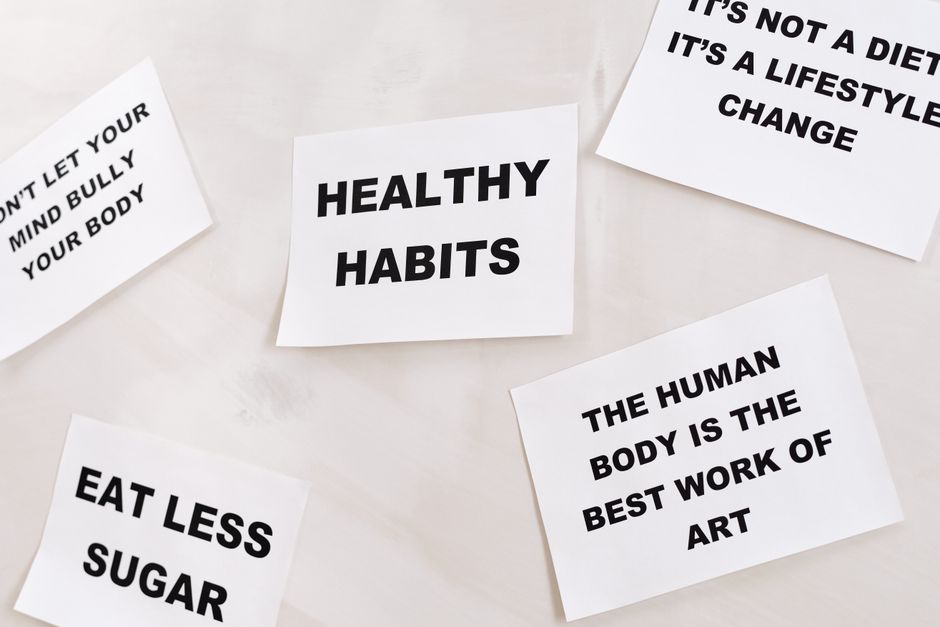
You don’t need to overhaul your workday to improve how you feel during it. Pick one habit from this guide, whether that’s a two-minute stretch between meetings, a glass of water before your first coffee, or a walking call on your schedule this week, and practice it consistently for the next two weeks before adding anything else.
Small, repeated actions shape your workday health more reliably than ambitious plans that last three days. Progress over perfection, every time.
If you’d like more practical, evidence-informed guidance on building sustainable wellness habits, consider signing up for the Clean Body Mentor newsletter for weekly ideas delivered straight to your inbox.