

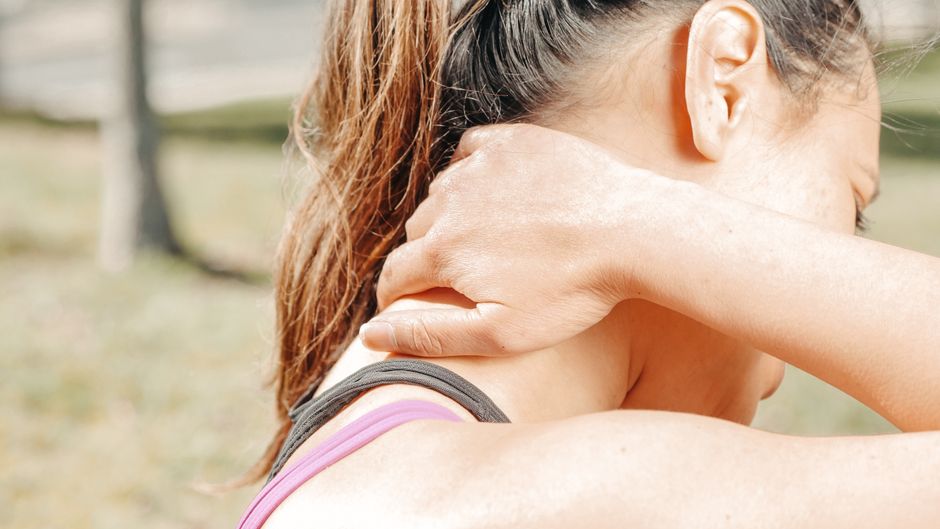
Ice baths have become a cultural shorthand for serious recovery. Social media is full of athletes lowering themselves into frigid tubs, grimacing through the cold in the name of faster muscle repair. But if you dig into the actual research, the picture gets complicated fast.
A 2021 review published in the Journal of Physiology noted that cold water immersion may actually blunt some of the muscle adaptation signals that make training effective over time. For most people building sustainable fitness, that is a meaningful tradeoff to understand.
The good news: muscle soreness recovery does not require an ice bath, a compression sleeve, or expensive recovery gear. The five methods below are ranked by a combination of evidence quality, cost, and realistic daily effort. They work for beginners and experienced exercisers alike.
If you want the full picture on what the research says about soreness relief, Seven Recovery Practices That Actually Reduce Muscle Soreness Better Than Ice Baths or Compression Sleeves gives a broader comparison with more context on the science.
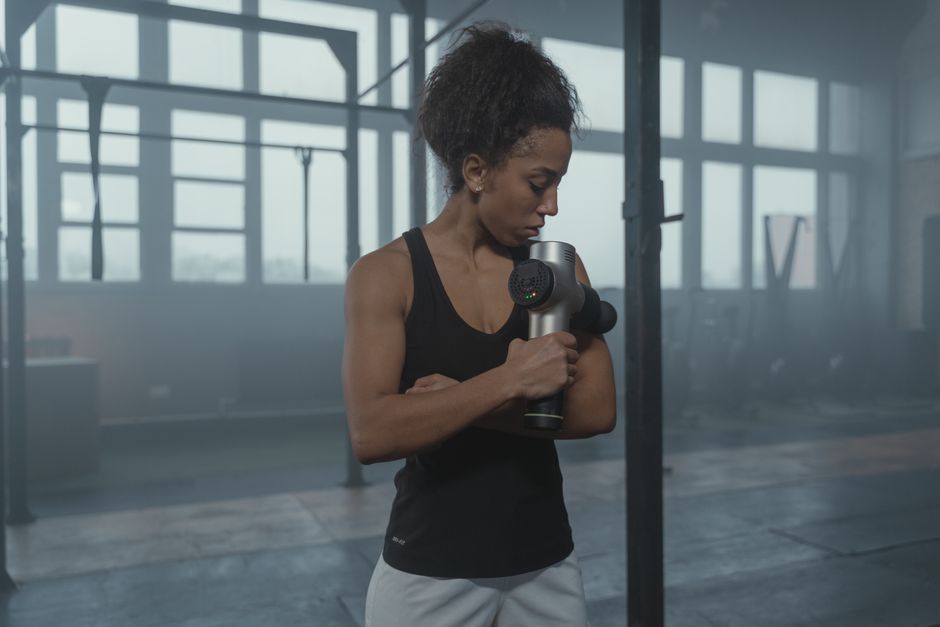
1. Sleep: The Highest Return, Zero Cost
Evidence quality: Strong | Cost: Free | Effort: Low to medium
Sleep is the most underrated recovery tool available to you. During deep sleep, your body releases growth hormone, repairs damaged muscle tissue, and consolidates the neuromuscular patterns you trained that day. The National Sleep Foundation and research published in Current Sports Medicine Reports both point to sleep as a primary driver of physical recovery, not a passive afterthought.
Shortening sleep to seven hours or less consistently has been associated with slower recovery, higher perceived soreness, and increased injury risk. If you are sore after a hard workout, one of the most effective things you can do is protect your sleep window that night.
Practically, this means going to bed 30 to 45 minutes earlier the night after a hard session rather than relying on supplements or cold showers. If your sleep quality is inconsistent, that is worth addressing before experimenting with any other recovery method.
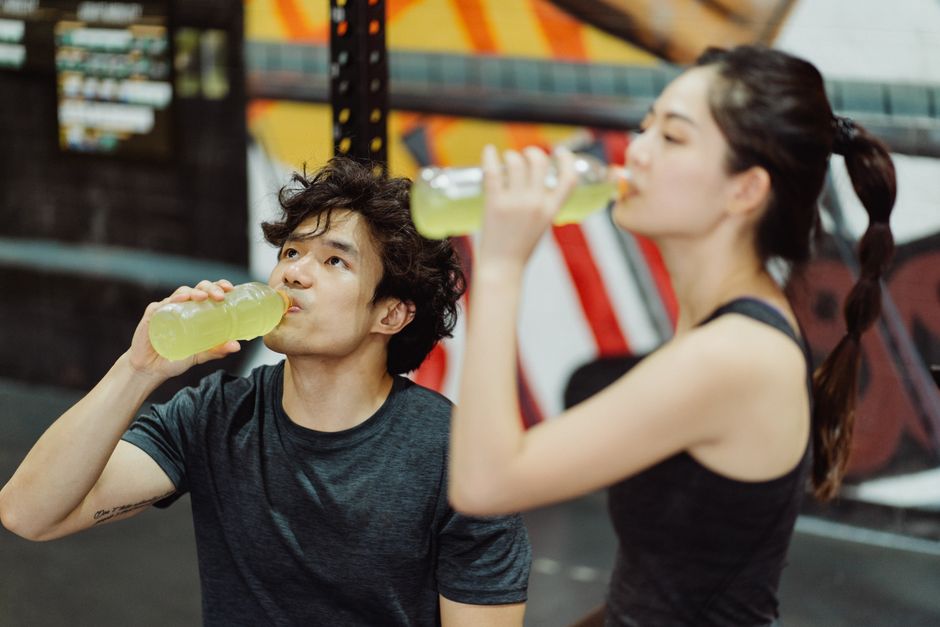
2. Hydration with Electrolyte Timing: Cheap and Often Skipped
Evidence quality: Moderate to strong | Cost: Very low | Effort: Low
Muscle soreness and stiffness after exercise are partly driven by metabolic waste accumulation and mild cellular inflammation. Staying well hydrated helps your body clear those byproducts more efficiently. Research from the American College of Sports Medicine supports adequate fluid and electrolyte intake as a foundation for post-exercise recovery.
The timing matters more than most people realize. Rehydrating within 30 to 60 minutes of finishing a workout, before soreness sets in, appears to support better recovery than drinking the same amount of water sporadically throughout the day. For longer or sweat-heavy sessions, adding a small amount of sodium and potassium helps your body actually retain and use the fluid you drink.
For a deeper look at how electrolyte timing fits into your training, Hydration for Strength Training Recovery: When Water Alone Falls Short and What Electrolytes Actually Do explains the specifics without overcomplicating it.
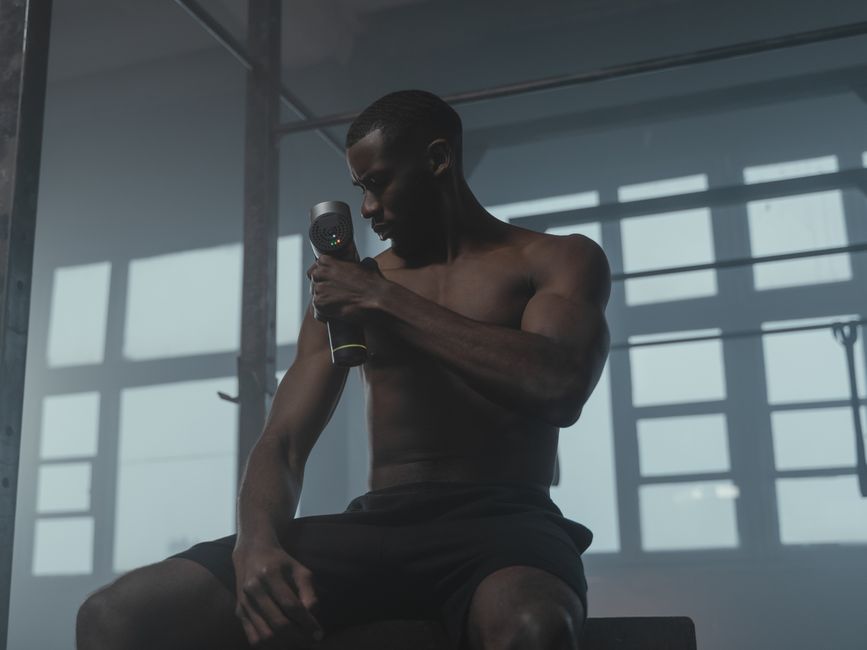
3. Active Recovery Movement: Light Effort, Real Results
Evidence quality: Moderate to strong | Cost: Free | Effort: Low
Gentle movement the day after a hard workout consistently outperforms full rest in reducing delayed onset muscle soreness (DOMS). A slow 20-minute walk, easy cycling, or a low-intensity mobility session increases blood flow to sore tissue without adding new stress to muscle fibers.
Research suggests that active recovery reduces DOMS ratings compared to passive rest, likely because light movement helps flush metabolic byproducts and reduces localized swelling. The key word is light. This is not a cardio session or a strength circuit. It is a walk, a gentle yoga flow, or some joint circles and dynamic stretching.
For a simple, structured option, Stretching for Desk Posture: Five Moves That Reverse Rounded Shoulders in 10 Minutes works well as a low-effort active recovery session on rest days, especially if you train upper body.
4. Strategic Post-Workout Nutrition: Moderate Effort, Meaningful Payoff
Evidence quality: Strong | Cost: Low to moderate | Effort: Moderate
What you eat within a few hours of exercise directly affects how your muscles repair. The core research here is well established: consuming 20 to 40 grams of protein after a workout, combined with adequate carbohydrates to replenish glycogen, reduces muscle protein breakdown and supports tissue rebuilding.
Timing still matters. A 2017 review in the Journal of the International Society of Sports Nutrition (Stokes, T. et al.) confirmed that protein spread across meals, with a dose consumed close to training, produces better recovery outcomes than leaving protein intake to chance.
You do not need expensive powders or recovery shakes. A meal with eggs and whole grains, Greek yogurt with fruit, or a legume-based dinner within two hours of training covers the bases well. For protein ideas that fit a real budget, Five Plant Proteins Ranked by Real Satiety, Cost, and Honest Prep Time for Beginners is a practical starting point.
5. Contrast Therapy: Higher Effort, Situational Benefit
Evidence quality: Moderate | Cost: Low to moderate | Effort: Moderate to high
If you are drawn to temperature-based recovery, contrast therapy (alternating between warm and cold water) has more consistent evidence behind it for muscle soreness than cold immersion alone. A meta-analysis published in the British Journal of Sports Medicine found contrast water therapy produced meaningful reductions in DOMS compared to passive rest, with less of the adaptation-blunting effect associated with extended cold immersion.
A practical version does not require a spa. Alternating a warm shower with a 30-second cool rinse, repeated three to four times, captures some of the circulatory benefit. The warm phase promotes blood flow; the cooler phase creates a mild vasoconstriction. Together, they create a pumping effect that may help move fluid through fatigued tissue.
For a thorough comparison of cold plunges and heat-based recovery, Cold Water Plunges vs. Sauna Sessions: Which Recovery Method Actually Works for You lays out the tradeoffs clearly.
A Practical Note on Where to Start
If you are new to thinking deliberately about muscle soreness recovery, the ranking above is also a good sequence to build from. Start with sleep and hydration because they cost nothing and benefit everything else you do. Add active movement on the day after hard sessions. Build your post-workout nutrition habits over a few weeks. Use contrast therapy occasionally when you want something extra.
Choose one of these practices, apply it consistently for two weeks, and notice how your soreness responds before adding another. Sustainable recovery is built incrementally, not all at once.
If you want to explore how Strength Training Fatigue vs. Muscle Soreness: A Beginner’s Guide to When to Push Through and When to Rest differ, that guide helps you decide when soreness signals rest versus when it is safe to keep moving.
Sources
- Ihsan, M. et al. (2021). Mechanisms underlying the muscle recovery benefits of cold water immersion. Journal of Physiology. (organization reference; see PubMed for full text)
- National Sleep Foundation. Sleep and Athletic Recovery. sleepfoundation.org
- American College of Sports Medicine. Position Stand on Nutrition and Athletic Performance. acsm.org
- Stokes, T. et al. (2018). Recent perspectives regarding the role of dietary protein for the promotion of muscle hypertrophy. Nutrients. PubMed PMID 29462923
- Bieuzen, F. et al. (2013). Contrast water therapy and exercise-induced muscle damage. PLOS ONE. (referenced in BJSM meta-analysis context)
This article is for general educational and informational purposes only and is not a substitute for medical advice, diagnosis, or treatment. Health needs vary by individual. Consult a qualified healthcare professional before making significant changes to your diet, exercise routine, supplements, medication, or treatment plan, especially if you have a medical condition, are pregnant or breastfeeding, take medication, or have concerns about your symptoms.


