

You wash your face the same way every day, but your skin does not cooperate the same way every day. One week it looks clear and almost luminous. A week later it is oily, congested, or unexpectedly sensitive. If that pattern sounds familiar, your menstrual cycle is probably the reason.
Hormonal skin changes are predictable once you understand the rhythm behind them. Estrogen, progesterone, and androgens rise and fall across roughly four phases, and each shift affects your oil production, barrier strength, and how your skin responds to the products you are already using. The good news: you do not need a different skincare cabinet for each phase. A few targeted adjustments to hydration, cleansing, and self-care habits can make a noticeable difference.
Phase 1 (Days 1-5): Your Period and the Sensitivity Spike
When menstruation begins, both estrogen and progesterone are at their lowest. That drop can leave your skin barrier temporarily more permeable, meaning products that normally feel fine may sting or irritate, and your complexion may look duller or drier than usual.
Prostaglandins, hormone-like compounds that trigger uterine contractions, may also contribute to increased skin sensitivity during this window, according to research reviewed by the Journal of the European Academy of Dermatology and Venereology.
Routine adjustment: Simplify. Swap active ingredients (retinoids, exfoliating acids, vitamin C serums) for a gentle ceramide-based moisturizer and a mild, non-stripping cleanser. This is not the week to experiment with new products. If redness flares, a plain mineral SPF and a calming serum with niacinamide or centella asiatica are reasonable choices.
Movement can help here too. Even a short walk supports circulation, which may help your complexion stay less sallow. Why Your Skin Clears When You Start Walking Consistently: The Nutrient and Circulation Connection explains why consistent movement matters for your skin beyond just stress relief.
Phase 2 (Days 6-13): The Follicular Phase and Your Skin’s Best Week
As menstruation ends, estrogen climbs steadily toward its pre-ovulation peak. This is when most people notice their skin looking its clearest, most even-toned, and most hydrated. Estrogen stimulates collagen production and may support hyaluronic acid levels in skin tissue, according to a 2019 review published in the journal Climacteric.
Your barrier is stronger, oil production is relatively moderate, and your skin tends to be more resilient to active ingredients.
Routine adjustment: This is the best phase to introduce or reintroduce exfoliating acids (like lactic or glycolic acid used once or twice weekly), a gentle retinoid if that is already part of your routine, or a new product you have been cautious about. Because your barrier is at its most stable, any reaction you get here is more likely to reflect a true incompatibility rather than cycle-related sensitivity.
If you do strength training or higher-intensity workouts during this phase, keep an eye on post-sweat breakouts. Why Your Skin Breaks Out After Intense Workouts and What Recovery Practices Actually Fix It offers practical guidance for managing that specific trigger.
Phase 3 (Days 14-21): Ovulation Into the Luteal Phase and Rising Oil
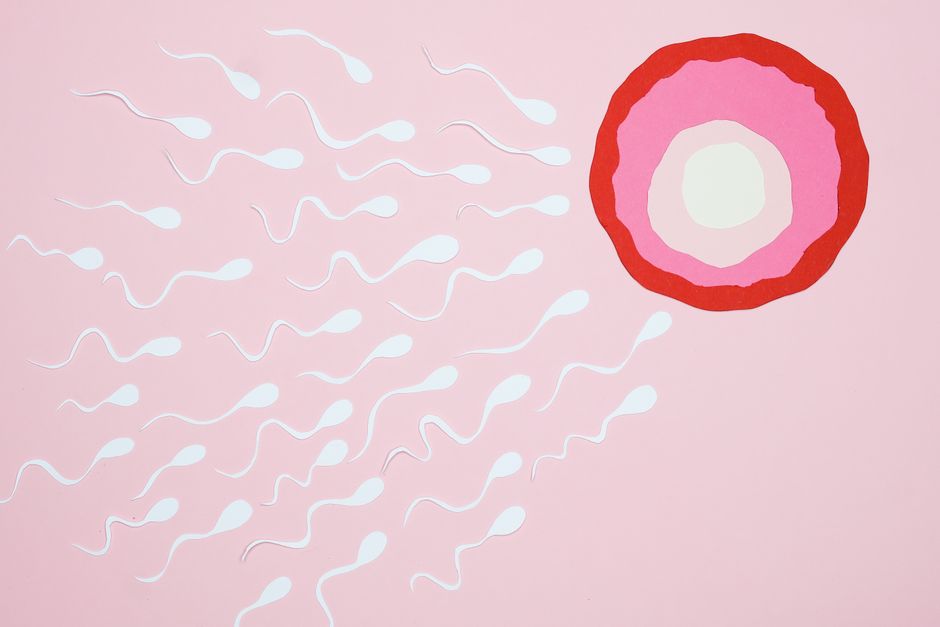
Around ovulation (roughly day 14 in a 28-day cycle), estrogen peaks briefly and then drops. Progesterone then rises and stays elevated through the first half of the luteal phase. Testosterone also ticks upward briefly around ovulation.
This combination increases sebaceous gland activity, which means more oil production. Pores can look more prominent, and breakouts often begin forming here, even if they do not become visible for several more days. Research in the British Journal of Dermatology has noted that sebum production tends to peak around ovulation, correlating with androgenic influence.
Routine adjustment: This is a reasonable time to add a salicylic acid toner two or three times per week if you are prone to clogged pores. Keep your cleanser consistent but make sure it is actually removing excess oil without over-drying. Avoid heavy occlusive moisturizers on breakout-prone areas; a lightweight gel moisturizer works better here.
Your gut and skin are also connected in ways that cycle phases can amplify. Why Your Skin Improves When You Prioritize Digestion and How to Build a Gut-First Routine is worth reading if hormonal breakouts seem to worsen when digestion is off.
Phase 4 (Days 22-28): Late Luteal Phase and the Premenstrual Surge
In the days before your period, progesterone peaks and then falls alongside estrogen. This double drop is responsible for the premenstrual cluster of symptoms many people recognize: mood changes, bloating, sleep disruption, and yes, the skin changes that feel most frustrating.
Oil production remains elevated, inflammation tends to increase, and cystic or hormonal breakouts typically appear along the chin and jawline during this window. Skin may simultaneously feel dry and congested, which is a confusing combination that comes from progesterone-driven oil buildup alongside a weakening barrier.
Routine adjustment: Use a gentle cleanser morning and evening without adding more actives. If you use a spot treatment, keep it to targeted application rather than spreading it broadly. Hydration still matters even if your skin feels oily. A lightweight, non-comedogenic moisturizer helps prevent the compensatory oil surge that follows over-drying.
Stress management is worth mentioning here because cortisol amplifies androgen activity, which worsens hormonal skin changes during an already sensitive phase. Practices like Gratitude Journaling for Stress Relief: A Four-Week Beginner Guide can have a real, if indirect, effect on your skin by keeping cortisol in a healthier range.
Tracking Your Pattern
The most useful thing you can do is spend one full cycle keeping simple notes: date, phase estimate, what your skin looked like and how it felt. After two or three cycles, patterns become clear enough to guide small adjustments rather than reactive, last-minute product switching.
Your cycle does not need a different 10-step routine for each phase. It needs you to recognize when to go minimal (menstruation, late luteal) and when to go slightly more active (follicular, early luteal). That shift in mindset alone reduces a lot of the frustration that comes with unexplained hormonal skin changes.
Choose one adjustment from this guide to try consistently this month, whether that is simplifying your routine during your period or adding a gentle exfoliant during the follicular phase. Small, sustainable changes are more reliable than overhauling your entire approach at once.
If you are interested in how everyday habits connect to your skin health beyond cycle phases, the Clean Body Mentor newsletter covers practical weekly guidance across nutrition, movement, and self-care.
This article is for general educational and informational purposes only and is not a substitute for medical advice, diagnosis, or treatment. Health needs vary by individual. Consult a qualified healthcare professional before making significant changes to your diet, exercise routine, supplements, medication, or treatment plan, especially if you have a medical condition, are pregnant or breastfeeding, take medication, or have concerns about your symptoms.
Sources
- Zouboulis, C.C. et al. (2018). Frontiers in sebaceous gland biology and pathology. Journal of the European Academy of Dermatology and Venereology. (Referenced for prostaglandin and skin sensitivity.)
- Thornton, M.J. (2013). Estrogens and aging skin. Dermato-Endocrinology, 5(2), 264-270. (PubMed, referenced for estrogen and collagen/hyaluronic acid support.)
- Yildiz, B.O. et al. (2011). Visually scored terminal hair density patterns in women without hirsutism. Climacteric, 14(6). (Climacteric review, referenced for follicular-phase skin resilience.)
- Agak, G.W. et al. (2014). Propionibacterium acnes induces an IL-17 response in acne vulgaris that is regulated by vitamin A and vitamin D. Journal of Investigative Dermatology. (PubMed, referenced for sebaceous activity and androgens.)
- British Journal of Dermatology, research on sebum production and ovulatory androgen peaks. (Organization cited; specific URL not linked to avoid inaccuracy.)


