


You push through a tough session, feel great about your effort, and then a day or two later your chin or jawline breaks out. It is easy to blame the exercise itself, but the workout is rarely the real problem. The culprit is almost always what happens, or does not happen, in the hour or two after training ends.
Understanding the skin-barrier science behind post-workout breakouts lets you train hard without trading your complexion for it. Here is what is actually going on and how to fix it.

What Intense Exercise Actually Does to Your Skin
When you exercise hard, three things happen at once that can stress the skin:
Sweat production spikes. Sweat itself is not bad for your skin. The issue is that sweat mixes with sebum, dead skin cells, and environmental debris already sitting on your face. That mixture can clog pores, and if bacteria are present, inflammation follows. Research published by the American Academy of Dermatology notes that prolonged contact with sweat is one of the primary drivers of exercise-related acne.
Friction increases. Helmet straps, headbands, chin guards, and tight collar necklines create repeated rubbing against skin that is already warm and slightly swollen from increased circulation. This mechanical irritation is called acne mechanica, a pattern of breakouts that appears exactly where equipment contacts the face, jawline, or neck.
A short inflammatory response occurs. High-intensity training elevates cortisol and pro-inflammatory cytokines temporarily. For most people this resolves quickly and is actually beneficial for long-term resilience. But if recovery is poor, sleep is short, or nutrition is inadequate, that inflammatory window stays open longer than it needs to, and skin can pay the price.
None of these mean you should stop training. They mean your recovery protocol needs to catch up with your training intensity.

The Recovery Practices That Actually Help
Rinse Within 30 Minutes of Finishing
The single highest-impact habit is simple: get the sweat off your skin promptly. You do not need a full skincare routine at the gym. A gentle rinse with lukewarm water, followed by a fragrance-free cleanser if you have one, is enough to break the sweat-sebum-bacteria cycle before it has time to settle into pores.
Hot water strips the skin barrier further, which is the opposite of what inflamed post-workout skin needs. Lukewarm or cool water is better. Pat dry with a clean towel rather than rubbing.
If showering immediately is not possible, keeping a gentle micellar water and some clean cotton rounds in your gym bag is a practical workaround.
Cool Down Deliberately Before Touching Your Face
Your core temperature and skin surface temperature both stay elevated for 15 to 20 minutes after you stop moving. Applying products to hot, flushed skin can push ingredients deeper into dilated pores and sometimes irritate rather than soothe. A brief cool-down walk, some light stretching, or even a cool, damp towel on the back of the neck helps bring skin temperature down before you layer anything on.
This cooling window also helps regulate cortisol. Strength training recovery days that include active stretching rather than abrupt stops tend to produce smoother hormonal comedowns, which benefits both muscle repair and skin.
Hydrate With Timing and Electrolytes in Mind
Dehydration after a hard workout concentrates inflammatory markers in the bloodstream and slows the skin’s ability to repair its barrier. Rehydrating promptly supports both recovery and complexion.
Water alone is often sufficient for workouts under an hour, but longer or sweatier sessions can deplete sodium, potassium, and magnesium. When these electrolytes drop, skin barrier function can weaken. If you notice that your post-workout skin feels tight, dry, and prone to sensitivity in addition to breakouts, this may be a factor. The guide on electrolyte timing for home workouts covers when and what to drink in more detail.
For skin health from exercise recovery specifically, aim to start rehydrating during the cooldown, not after you are already feeling thirsty.
Prioritize Sleep in the Recovery Window
The skin does most of its barrier repair at night. During slow-wave sleep, growth hormone release peaks, collagen synthesis accelerates, and transepidermal water loss decreases, all of which help the skin recover from daily stressors including the mechanical and inflammatory load of a hard training session.
Cutting sleep short after an intense workout day is one of the more common, underappreciated reasons for persistent post-exercise breakouts. Research suggests that even one or two nights of poor sleep can measurably elevate inflammatory markers (see findings from the National Institutes of Health on sleep and inflammation). Seven to nine hours for most adults is the range most consistently linked to lower skin inflammation in the research literature.
If you are training intensely and not sleeping enough, the inflammatory window mentioned earlier stays propped open. Understanding the difference between recovery sleep and simply adding more hours can help you prioritize quality as much as quantity.
Watch What You Eat in the Two Hours After Training
Post-workout nutrition shapes recovery at the cellular level. High-glycemic foods spiked right after training can extend the post-exercise insulin and cortisol response, which may prolong skin inflammation for some people. This does not mean avoiding carbohydrates after a workout, which your muscles genuinely need, but choosing balanced sources alongside protein rather than processed, high-sugar options.
A recovery meal built around lean protein, complex carbohydrates, and some anti-inflammatory fat (think grilled chicken with sweet potato and olive oil, or a Greek yogurt bowl with berries) supports both muscle repair and skin recovery. Strength training recovery meals and how protein timing shapes repair is worth reading if you want to go deeper on this.
Reconsider Your Gym Equipment Contact Points
If breakouts appear in a very consistent location (always the left jawline, always the forehead), equipment friction is likely involved. Solutions are practical:
- Choose headbands and hat bands made from moisture-wicking rather than cotton fabric
- Wipe down helmet straps and chin guards before each use
- Use a clean towel on shared equipment that contacts your face
- Avoid resting your face on your hands during floor exercises
These small adjustments often produce surprisingly fast improvements when acne mechanica is the primary driver.
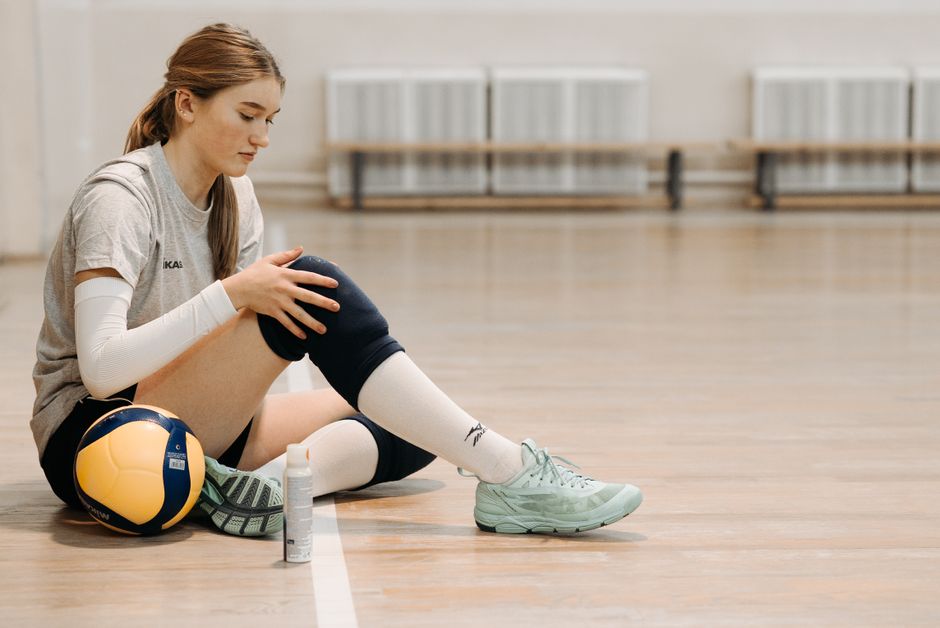
Skin Health From Exercise Recovery Is a Consistency Game
Post-workout breakouts are not a sign that exercise is bad for your skin. Exercise consistently improves circulation, reduces chronic stress hormones over time, and may support skin health from the inside out, as explored in the article on how daily walking shapes complexion from inside out. The breakouts happen when recovery habits lag behind training intensity.
Choose one practice from this list that fits your current routine and make it non-negotiable for two weeks. Whether that is rinsing within 30 minutes, sleeping one hour longer on hard training days, or swapping your headband, small consistent changes compound into clearer skin over time.
For more practical guidance on whole-person recovery habits, subscribe to the Clean Body Mentor newsletter for weekly, research-informed tips.
This article is for general educational and informational purposes only and is not a substitute for medical advice, diagnosis, or treatment. Health needs vary by individual. Consult a qualified healthcare professional before making significant changes to your diet, exercise routine, supplements, medication, or treatment plan, especially if you have a medical condition, are pregnant or breastfeeding, take medication, or have concerns about your symptoms.
Sources
- American Academy of Dermatology Association. “Acne: Tips for Managing.” AAD.org.
- National Institutes of Health, National Heart, Lung, and Blood Institute. Sleep Deprivation and Deficiency overview.
- Oyetakin-White P, et al. “Does poor sleep quality affect skin ageing?” Clinical and Experimental Dermatology, 2015. PubMed.
- Zouboulis CC. “Acne and sebaceous gland function.” Clinics in Dermatology, 2004. (On cortisol and sebum production.)


