

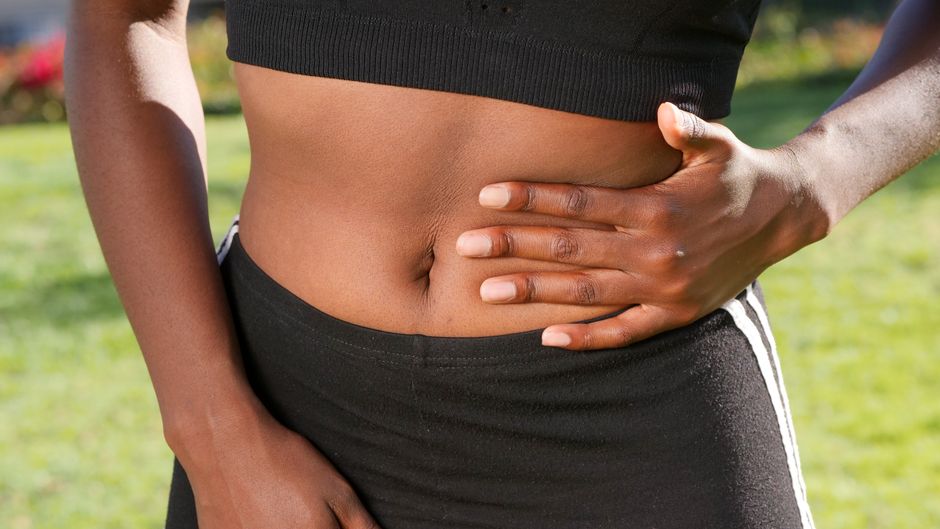
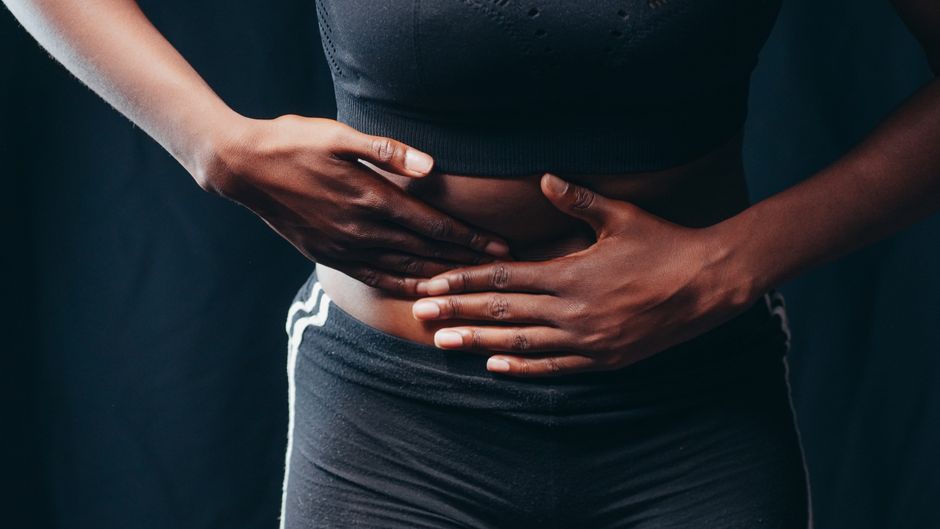
You eat the same breakfast on Saturday that you eat on Tuesday, but by mid-afternoon on your rest day you feel heavier, bloated, and a little uncomfortable. Nothing changed on your plate, yet your body is responding differently. This is one of the most common and least-discussed experiences in everyday wellness, and it has a clear explanation rooted in how your digestive system actually works.
Understanding digestion on rest days helps you make small, smart adjustments that ease discomfort without eliminating food groups, counting calories obsessively, or treating your recovery day like a penalty.

Why Movement Is a Core Driver of Digestive Transit
Your gut does not work in isolation. Physical activity mechanically stimulates peristalsis, the rhythmic contractions your intestines use to move food through the digestive tract. When you walk, run, cycle, or strength train, increased blood flow reaches your abdominal organs and the physical motion of your torso literally helps push contents along.
Research published through the National Institute of Diabetes and Digestive and Kidney Diseases (NIDDK) confirms that physical inactivity is a recognized contributing factor to constipation and slowed transit time. A 2019 review in the journal Gut found that higher levels of physical activity correlate with faster colonic transit, particularly in people who are sedentary for extended periods.
On a rest day, this mechanical stimulation largely disappears. You sit more, move less, and your gut picks up on that signal almost immediately. The result is slower transit, more time for gas to accumulate in the colon, and that familiar feeling of sluggishness that has nothing to do with willpower or eating poorly.
If you have ever noticed that digestion on rest days feels different from your active days, you are not imagining it. Why Your Digestion Stalls on Sedentary Days and How Movement Timing Fixes It Without Diet Changes goes deeper into the transit-timing connection if you want the full picture.
What Changes in Your Body on Low-Activity Days
Beyond peristalsis, a few other shifts happen on rest days that compound the sluggish feeling.
Appetite signals can lag behind actual needs. On training days, your body burns more fuel and sends clearer hunger cues. On rest days, your caloric need is genuinely lower, but your habitual eating patterns may not adjust. This does not mean you should undereat; it means your meals may benefit from a lighter composition rather than a smaller volume.
Stress hormones and the gut-brain axis play a role. For some people, rest days bring a subtle psychological restlessness, especially if exercise is a primary mood regulator. That low-level tension can activate the sympathetic nervous system, which slows digestive activity. Why Rest Days Feel Emotionally Harder and How Movement Timing Shapes Your Mood Without Medication explores this connection in detail.
Hydration habits sometimes slip. Many people drink water more consistently when they are active because thirst cues are more obvious. On rest days, mild dehydration can quietly slow motility further.
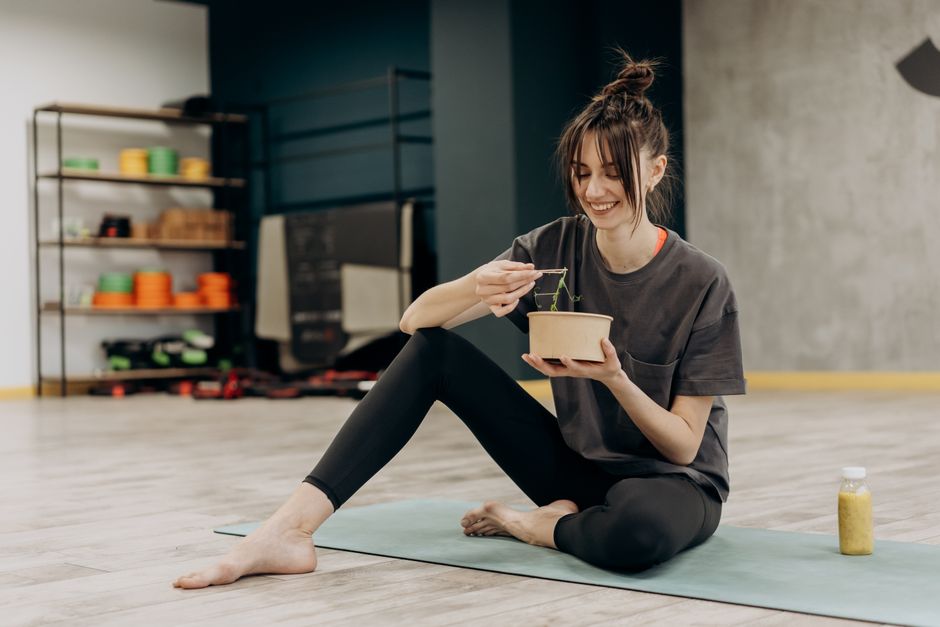
How to Eat Lighter on Rest Days Without Restriction
The goal here is not to eat less food or avoid entire food groups. The goal is to adjust the composition and timing of your meals so your digestive system is not working harder than it needs to on a day when its natural stimulation is reduced. Think of it as matching your plate to your physiology, not punishing yourself for resting.
Shift Toward Easier-to-Digest Proteins
On active days, a large portion of red meat or a heavy protein shake may sit comfortably because transit is moving efficiently. On rest days, consider lighter protein options: eggs, canned fish, lentils, Greek yogurt, or tofu. These tend to move through the digestive tract with less demand and still deliver the amino acids your muscles need during recovery.
Prioritize Soluble Fiber Over Insoluble Fiber
Not all fiber behaves the same in a slower gut. Insoluble fiber (think raw brassicas and rough grains) can feel bulky when transit is already sluggish. Soluble fiber from oats, cooked carrots, ripe banana, or canned beans forms a gel that moves more smoothly and feeds beneficial gut bacteria without adding uncomfortable bulk. If you want a practical guide to increasing fiber without the side effects, Fiber Without the Bloat: A Progressive Eating Plan to Add Plant Foods Without Digestive Distress is a good companion read.
Consider Meal Timing and Spacing
Your gut benefits from time between meals to complete its housekeeping cycle, a process called the migrating motor complex. On active days, faster transit means this process hums along efficiently. On rest days, giving yourself three to four hours between meals rather than grazing throughout the day can allow each digestive phase to complete before the next begins. This is not intermittent fasting; it is simply spacing.
Adjust Portion Sizes of Heavy Anchor Foods
Rather than removing anything, try reducing the portion of the densest element on your plate. If you normally eat a cup and a half of rice, try a cup paired with more cooked vegetables. If you usually have a double serving of nuts or nut butter, pull back slightly. These small shifts reduce the digestive workload without leaving you hungry or feeling deprived.
Stay Hydrated and Add Warm Liquids
Warm liquids, particularly herbal teas like ginger or peppermint, have long been used to ease digestive discomfort, and there is reasonable mechanistic support for their mild pro-motility effects. Even a cup of warm water in the morning helps stimulate the gastrocolic reflex, the natural signal that triggers bowel movement after a meal. Maintaining consistent water intake across rest days is one of the simplest tools available.
A Quick Note on Low-Impact Movement
Rest days do not have to mean complete stillness. A 15-to-20 minute gentle walk after your largest meal can meaningfully support transit without undermining recovery. Why Digestive Comfort Improves on Outdoor Walking Days and How to Use Movement Timing to Reset Your Gut outlines exactly how post-meal walking timing affects digestive speed and comfort. Even light stretching or gentle yoga poses that compress and release the abdomen can stimulate peristalsis without taxing your muscles.

Putting It Into Practice
You do not need a separate meal plan for rest days. A few practical shifts, choosing lighter proteins, leaning toward soluble fiber, spacing meals, adjusting heavy portions slightly, and staying hydrated, can make a noticeable difference in how you feel by evening.
Choose one adjustment from this article to try on your next rest day. Notice whether it changes how comfortable you feel over the following few hours. Small, consistent changes build real habits without the stress of overhauling your entire routine.
For ongoing practical guidance on gut health, nutrition, and everyday wellness, consider joining the Clean Body Mentor newsletter for weekly evidence-informed tips.
This article is for general educational and informational purposes only and is not a substitute for medical advice, diagnosis, or treatment. Health needs vary by individual. Consult a qualified healthcare professional before making significant changes to your diet, exercise routine, supplements, medication, or treatment plan, especially if you have a medical condition, are pregnant or breastfeeding, take medication, or have concerns about your symptoms.
Sources
- National Institute of Diabetes and Digestive and Kidney Diseases (NIDDK). “Constipation.” U.S. Department of Health and Human Services. https://www.niddk.nih.gov/health-information/digestive-diseases/constipation
- Dimidi E, et al. “Mechanisms of action of probiotics and the gastrointestinal microbiota on gut motility and constipation.” Advances in Nutrition, 2019. (PMC6566966 via PubMed)
- Johannesson E, et al. “Physical activity improves symptoms in irritable bowel syndrome.” The American Journal of Gastroenterology, 2011. (referenced via PubMed)
- NIDDK. “The Digestive System and How It Works.” https://www.niddk.nih.gov/health-information/digestive-diseases/digestive-system-how-it-works


