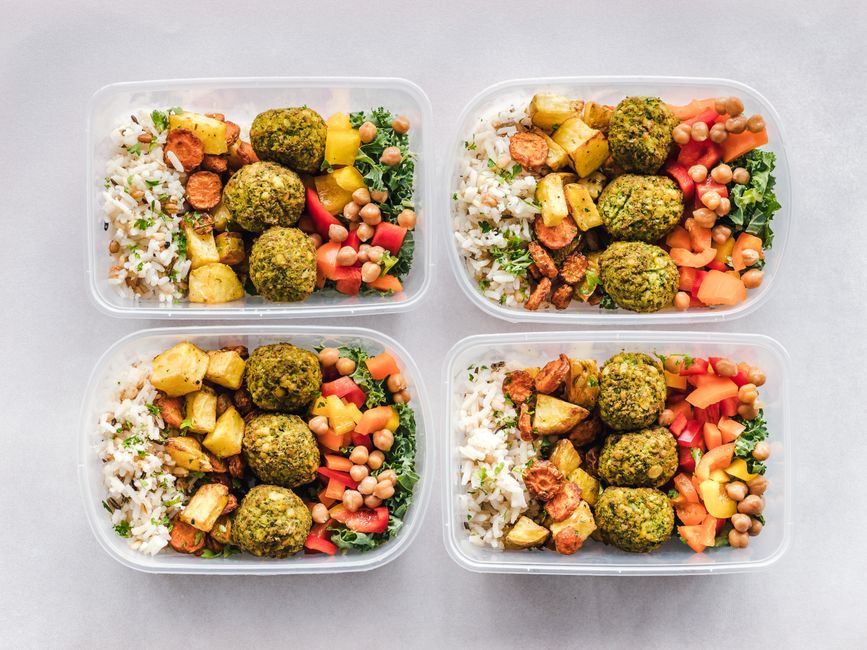
You have probably seen the photos: color-coded containers lined up in a spotless refrigerator, each holding an identical portion of chicken and rice, ready for the week ahead. The assumption behind that image is that you know exactly when you will eat, where you will be, and how hungry you will feel. For many people, that assumption falls apart by Tuesday.
Shift workers, traveling consultants, and parents running children to evening activities face a different reality. Their meal prep flexible schedules need something more adaptable than the traditional Sunday lock-in. This case study follows three people who stopped chasing the batch-cooking ideal and built eating routines that actually worked.
Why the Sunday Batch Myth Breaks Down
Standard meal prep advice rests on predictability: cook once, eat the same thing five days in a row. Research on dietary adherence consistently finds that rigidity is one of the top reasons people abandon healthy eating plans (a consistent finding in behavioral nutrition literature, including work published by the American Journal of Clinical Nutrition). When your schedule shifts midweek, the meals you cooked on Sunday may no longer match your hunger window, travel situation, or access to a microwave.
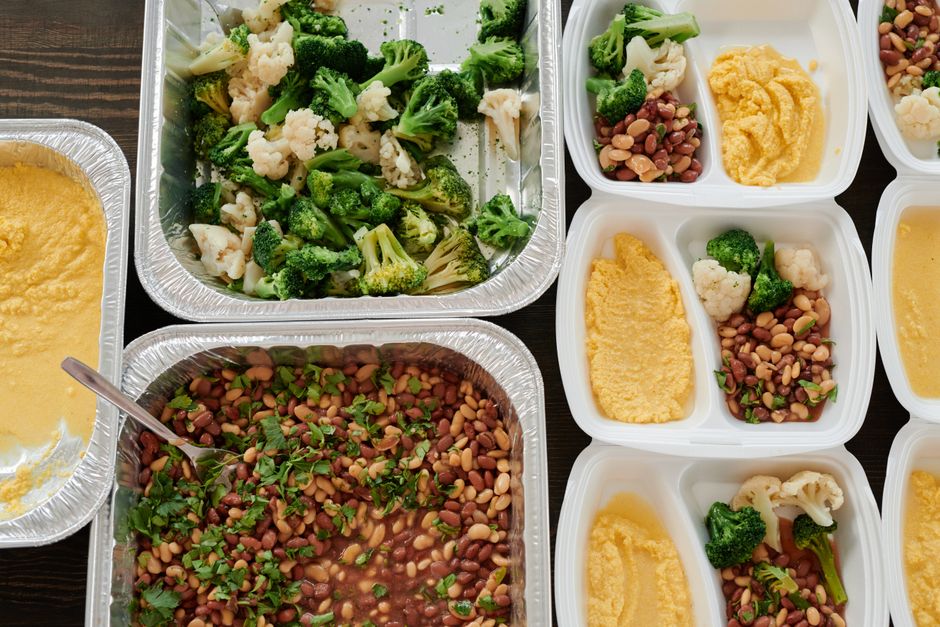
The alternative is component-based prep: cooking flexible building blocks rather than complete meals. Think cooked grains, roasted vegetables, a protein or two, and a couple of sauces. The same ingredients combine differently each day depending on what you need.

Case One: The Night-Shift Nurse
The challenge: Maya, a registered nurse working three twelve-hour night shifts per week, found that every meal-prep tutorial assumed a daytime eating pattern. By the time she got home at 7 a.m., she was exhausted and hungry, but the meals she had prepared the previous Sunday felt stale and unappealing.
What she changed: Maya shifted from cooking full meals to building a rotating component list. On her first day off, she spent about 45 minutes preparing hard-boiled eggs, a large batch of cooked lentils, roasted sweet potato cubes, and a container of tahini dressing. During her shifts, she kept high-protein snacks (string cheese, unsalted nuts, whole-grain crackers) in her locker.
What worked: Because the components were separate, she could combine them differently at 3 a.m. break versus her post-shift meal at home. She stopped wasting food because nothing was locked into a specific meal. Within three weeks her food stress dropped noticeably, and she was eating more vegetables than before because they were already cooked and easy to grab.
If you are curious how eating timing interacts with digestion on a reversed schedule, Digestive Comfort on Night Shifts: Why Your Gut Rhythm Breaks and How to Eat for Better Sleep When Your Schedule Flips goes deeper on this dynamic.
Case Two: The Traveling Consultant
The challenge: David, a management consultant who flew out Monday morning and returned Thursday night, could not store perishables reliably. Hotel breakfasts were inconsistent. Client dinners were calorically unpredictable. His energy would spike and crash throughout travel days, partly because he was skipping meals and then overeating at dinner.
What he changed: David stopped trying to prep cooked food before travel. Instead, he focused on two things: a portable dry kit for travel days and a simplified component prep for the days he was home.
His travel kit included single-serve nut butter packets, a bag of mixed seeds, protein bars with minimal added sugar, instant oats, and electrolyte packets. These covered breakfast and snacks during airport delays without requiring refrigeration.
On Friday and Saturday, he cooked two proteins (usually salmon and a batch of turkey meatballs), one grain (quinoa), and two sauces. This gave him flexible combinations for the weekend and Monday morning before his flight.
What worked: David stopped relying on willpower in airports. Having a default travel kit meant he was never starting from zero when hunger hit. His afternoon energy on travel days became noticeably steadier, something he connected to avoiding the late-morning fast he used to power through. For more on how meal timing shapes midday energy, see Why Your Afternoon Energy Crashes at 3pm and How Meal Order Actually Fixes It.

Case Three: The Parent With a Moving Target
The challenge: Priya, a mother of two children with opposite after-school schedules, found that dinnertime varied by 90 minutes depending on the day. She had tried Sunday batch cooking twice and ended up throwing out food both times.
What she changed: Priya adopted what she called the “five-piece puzzle” method: at any given time, she kept one cooked grain, one roasted vegetable, one raw vegetable, one protein, and one sauce in the refrigerator. She shopped twice weekly rather than once, buying smaller quantities. This reduced waste and kept food fresher.
She also learned to involve her children in quick assembly rather than trying to cook a single dinner from scratch each night. Components on a sheet pan or in bowls meant each family member could build a plate that matched their appetite and preferences.
What worked: Priya found that family meal planning for different appetites became less stressful because there was no single meal to either accept or reject. Her grocery waste dropped, and she felt less resentment about cooking because the work was spread across two shorter sessions rather than one long Sunday marathon. She also noticed that keeping high-protein snacks for busy parents accessible meant her kids were less frantic at the dinner table because they had not arrived starving.

The Core Principles Behind All Three Cases
Despite different schedules and challenges, Maya, David, and Priya converged on the same underlying strategies:
- Prep components, not meals. Cooked building blocks stay useful across more situations than assembled dishes.
- Match prep frequency to your actual schedule. One long Sunday session is not mandatory. Two shorter sessions may serve you better.
- Have a no-fridge fallback. A portable dry kit or desk drawer stash prevents the hunger gap that leads to poor choices when plans shift.
- Accept that flexibility means some variation in what you eat. That variation is a feature, not a failure.
Research suggests that dietary flexibility, as opposed to rigid restriction, is associated with better long-term adherence to healthy eating patterns (a point supported by work from the International Journal of Eating Disorders and behavioral health researchers studying restraint theory). Giving yourself permission to mix and match reduces the all-or-nothing thinking that often derails meal prep flexible schedules entirely.

A Realistic Starting Point
If you are reading this with an unpredictable week ahead, you do not need a full system overhaul. Start with one component prep: cook a large batch of one grain and one protein this week. See how many ways you can use them. Add a second component next week.
Small consistent actions tend to outlast ambitious weekend projects. If your schedule also affects your movement routine, Home Workouts That Fit Unpredictable Family Schedules applies the same flexible-block thinking to exercise.
Choose one idea from this article that fits your actual schedule this week, not the idealized version. Practice it once. Build from there.
This article is for general educational and informational purposes only and is not a substitute for medical advice, diagnosis, or treatment. Health needs vary by individual. Consult a qualified healthcare professional before making significant changes to your diet, exercise routine, supplements, medication, or treatment plan, especially if you have a medical condition, are pregnant or breastfeeding, take medication, or have concerns about your symptoms.

Sources
- American Journal of Clinical Nutrition: research on dietary adherence and rigidity in eating behavior.
- International Journal of Eating Disorders: behavioral research on dietary flexibility and restraint theory.
- USDA MyPlate guidance on balanced eating and food group variety (usda.gov/myplate).