

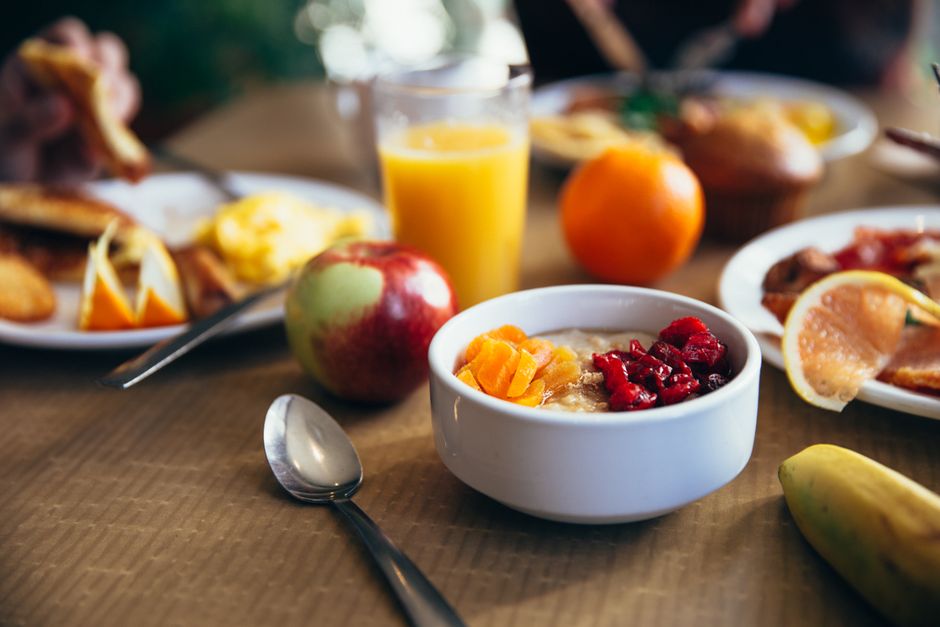
If your breakfast stops working by 10 a.m., the problem probably is not portion size. It is nutrient composition. Research published in the Journal of Nutrition (2015) found that meals combining protein, fat, and fiber produced significantly greater satiety hormone responses than meals high in a single macronutrient alone. When you eat only toast, only eggs, or only a smoothie built from fruit and juice, your blood sugar tends to spike and dip faster, pulling hunger back sooner than you expect.
The better strategy is pairing three specific nutrient categories at one meal: omega-3 fats (which slow gastric emptying and reduce inflammation-driven hunger signals), soluble fiber (which forms a gel in your gut that prolongs fullness), and high-quality protein (which triggers the satiety hormones peptide YY and GLP-1). The texture of your breakfast also matters. Solid or semi-solid foods generally produce stronger fullness signals than liquids at the same calorie count, which is one reason a smoothie bowl tends to outperform a drinkable smoothie for sustained satiety.
Below are five realistic, balanced breakfast combinations ranked by how well they hit all three targets. Each includes practical notes on why the combination works and how to adjust it for your schedule.
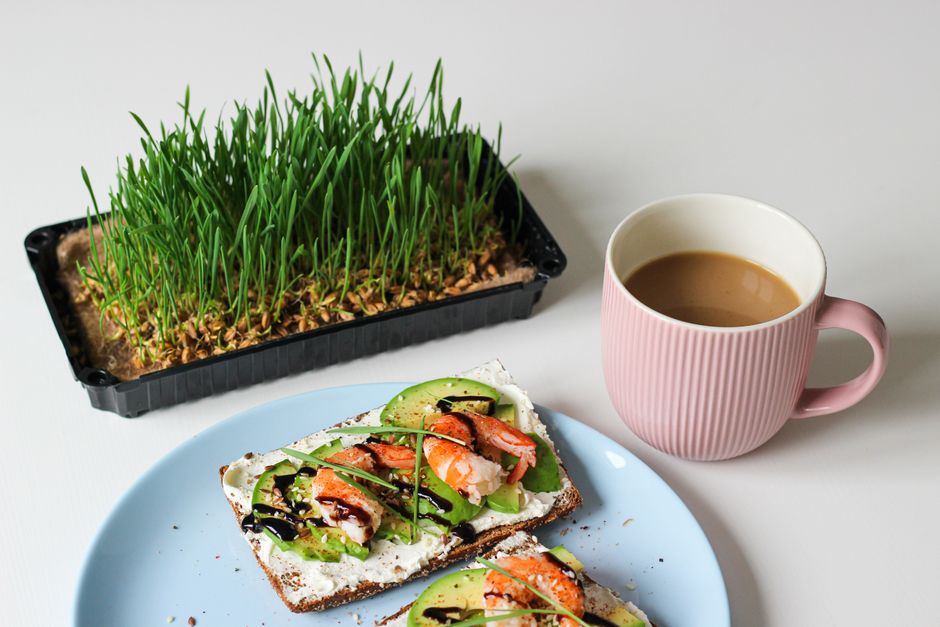
1. Smoked Salmon, Avocado, and Rye Crispbread
Why it works: Smoked salmon delivers about 1.5 grams of EPA and DHA omega-3s per 85-gram serving (USDA FoodData Central). Avocado contributes both soluble fiber (roughly 3 grams per half) and monounsaturated fat that slows digestion further. Whole-grain rye crispbread adds beta-glucan fiber, which the European Food Safety Authority has confirmed supports normal blood cholesterol levels and prolonged fullness when consumed regularly.
The combination of solid textures – chewing takes longer, triggering earlier satiety signals through cephalic phase responses – makes this one of the highest-performing breakfast pairings for mid-morning stability. Protein content sits around 20 grams depending on portion, which meets the threshold most satiety researchers consider meaningful for a single meal.
Quick prep note: Lay two rye crispbreads flat, top each with a few slices of salmon and a quarter of an avocado. Add a squeeze of lemon and cracked pepper. Done in under three minutes.
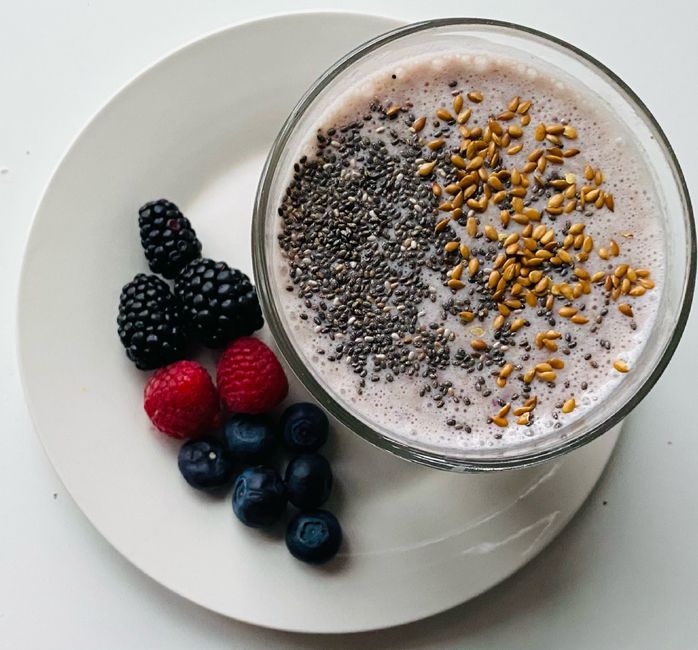
2. Greek Yogurt, Ground Flaxseed, and Blueberries
Why it works: Plain Greek yogurt (full-fat or 2%) provides 17 to 20 grams of protein per 170-gram serving and a casein-whey blend that digests at a moderate pace. Ground flaxseed adds alpha-linolenic acid (ALA), a plant-based omega-3, plus 2.8 grams of soluble fiber per tablespoon. Blueberries contribute additional soluble pectin fiber and low-glycemic natural sugars that keep the glucose curve gentle.
If you are comparing breakfast protein sources, legumes, eggs, and Greek yogurt each have different satiety profiles – Greek yogurt tends to perform well because of its casein content, which digests slowly compared to whey alone.
Stir one tablespoon of ground flaxseed directly into your yogurt to avoid the chalky texture of dry flax. Add a half cup of blueberries on top. This combination sits high on the balanced breakfast combinations satiety scale because all three nutrients are present in meaningful amounts, not just trace quantities.
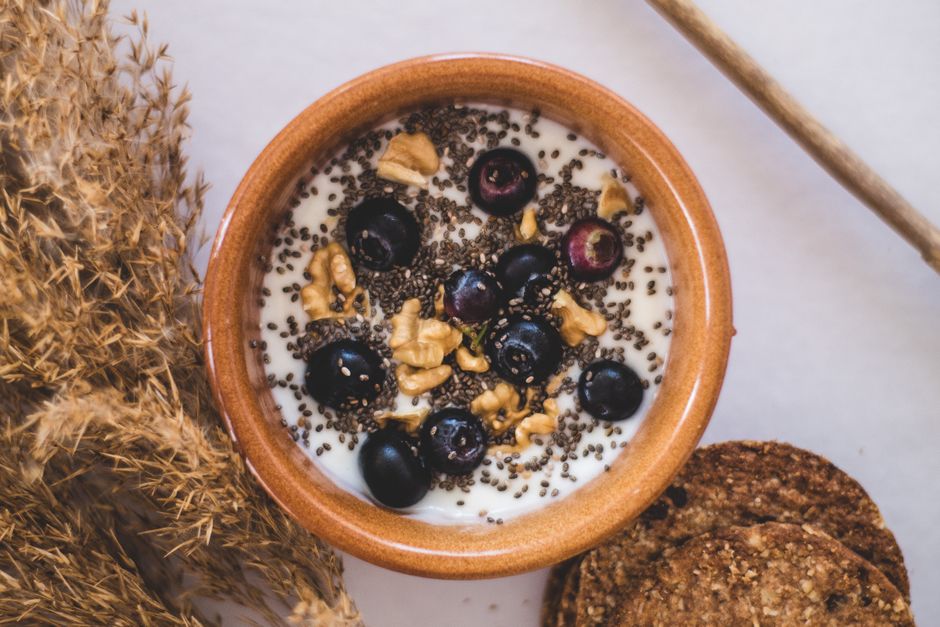
3. Scrambled Eggs, Chia Seeds Stirred Into a Side of Oats, and Walnuts
Why it works: Two eggs supply about 12 grams of protein and naturally occurring omega-3s (especially if you choose omega-3-enriched eggs, which the USDA notes can contain up to 300 mg of DHA and EPA combined). Walnuts are one of the best whole-food sources of ALA at approximately 2.5 grams per one-ounce serving. Oats with chia seeds create a double hit of soluble fiber: oat beta-glucan and the chia seed mucilage that gels in liquid.
The textural variety here – creamy eggs, chewy oats, crunchy walnuts – actually reinforces fullness because you engage multiple sensory feedback loops. If adding fiber is new for you, start with one teaspoon of chia seeds and build up over two weeks. For a deeper look at adding plant fiber without digestive discomfort, the guide on building fiber intake progressively walks through a realistic ramp-up plan.
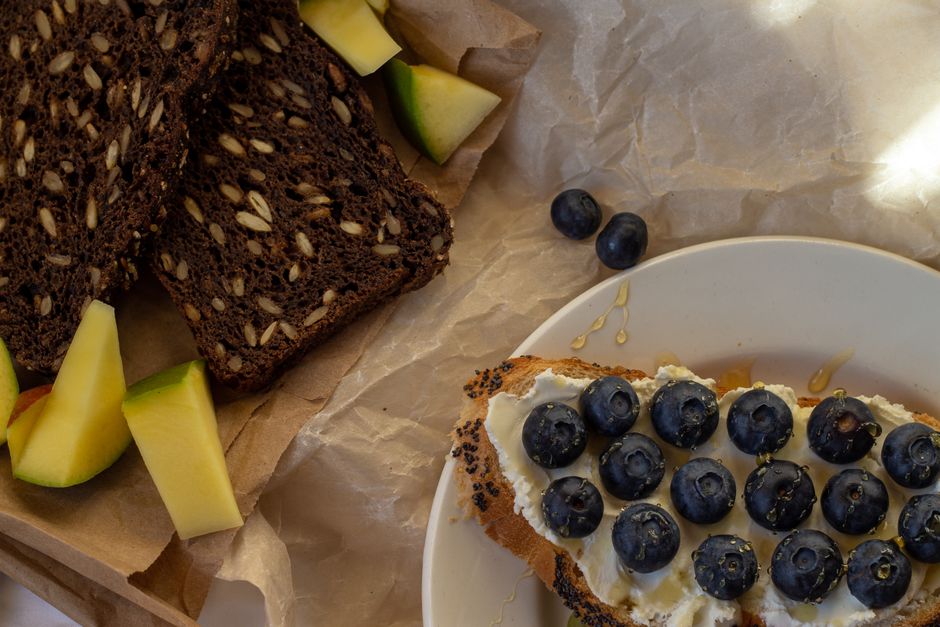
4. Cottage Cheese, Hemp Seeds, and Sliced Pear
Why it works: Cottage cheese is a casein-rich protein source with roughly 25 grams of protein per cup, one of the highest of any breakfast food by gram. Hemp seeds contribute all nine essential amino acids plus omega-3 ALA and omega-6 in a favorable ratio (roughly 3:1 omega-6 to omega-3). Pear is notably high in pectin, a soluble fiber that forms a viscous gel in the gut, slowing carbohydrate absorption and prolonging the fullness window.
This pairing works particularly well for people who want balanced breakfast combinations satiety without cooking. No heat required. Spoon cottage cheese into a bowl, scatter two tablespoons of hemp seeds over the top, and slice half a pear alongside. Total prep time: ninety seconds.
For readers who also want afternoon staying power, whole-food snack combinations ranked by satiety can extend the approach into the rest of your day.

5. Whole-Grain Toast With Nut Butter, a Soft-Boiled Egg, and a Small Kiwi
Why it works: Almond or walnut butter on 100 percent whole-grain toast layers omega-3 ALA (from walnut butter especially), soluble fiber from both the nut and the grain, and a moderate amount of protein. The soft-boiled egg adds another six grams of complete protein plus choline, a nutrient that supports brain signaling and is often under-consumed at breakfast. Kiwi contributes vitamin C and soluble fiber with a low glycemic index, with a 2022 review in Nutrients suggesting that consistent kiwi consumption may support gut transit and satiety signaling.
This is the most practical combination for busy mornings because every component can be prepared the night before: toast and nut butter assembled cold, eggs boiled in batches, kiwi pre-cut in a container. For further reading on how high-protein breakfasts compare by satiety over time, that guide breaks down the evidence across four food categories.
Why Nutrient Timing and Texture Together Matter
Calories alone do not explain why some breakfasts hold you until noon and others collapse by 9:45. Soluble fiber slows gastric emptying. Omega-3 fats reduce the inflammatory hunger signals that spike after high-glycemic meals. Protein raises satiety hormones for two to four hours post-meal. And solid textures require more time to process, giving your gut hormones time to reach your brain before you have already overeaten.
Picking one of the five combinations above and eating it consistently for two weeks is a more practical starting point than optimizing every meal at once. Small, repeated habits shift your baseline hunger patterns more reliably than a single perfect breakfast. If a full three-food combination feels like too much to build at once, start with whichever one requires the fewest new ingredients and add the third component the following week.
For broader context on how breakfast choices ripple through your whole day, the article on why your breakfast protein choice shapes hunger all day is worth reading alongside this one.
This article is for general educational and informational purposes only and is not a substitute for medical advice, diagnosis, or treatment. Health needs vary by individual. Consult a qualified healthcare professional before making significant changes to your diet, exercise routine, supplements, medication, or treatment plan, especially if you have a medical condition, are pregnant or breastfeeding, take medication, or have concerns about your symptoms.
Sources
- Leidy, H.J. et al. (2015). The role of protein in weight loss and maintenance. American Journal of Clinical Nutrition. National Institutes of Health, PubMed.
- USDA FoodData Central: salmon (smoked), walnuts, eggs. fdc.nal.usda.gov
- European Food Safety Authority (2011). Scientific Opinion on the substantiation of health claims related to beta-glucans. EFSA Journal.
- Guan, Z.W. et al. (2022). Kiwifruit, gut function, and satiety signaling. Nutrients. PubMed.
- Cassady, B.A. et al. Research on solid vs. liquid food formats and satiety hormone response. Journal of Nutrition, referenced via NIH PubMed.


