You hit 3pm and your focus fades, your stomach growls, and the nearest vending machine starts looking reasonable. The problem usually is not willpower. It is that most grab-and-go snacks, crackers, fruit alone, even many granola bars, deliver a quick carbohydrate hit without the full amino acid profile your muscles and brain actually need to feel satisfied.
Complete protein snacks made from whole food sources can change that. When a snack supplies all nine essential amino acids alongside healthy fat or fiber, it tends to hold you longer and skip the blood sugar spike-and-crash cycle. The five pairings below cover legume-based, dairy, and plant combinations, ranked by satiety, speed of prep, and realistic portability for parents and desk workers.
If you want context on why amino acid completeness matters beyond the basics, Plant Protein Completeness Ranked: Which Whole Foods Deliver All Nine Amino Acids Without Powder or Meat walks through the science without the jargon.
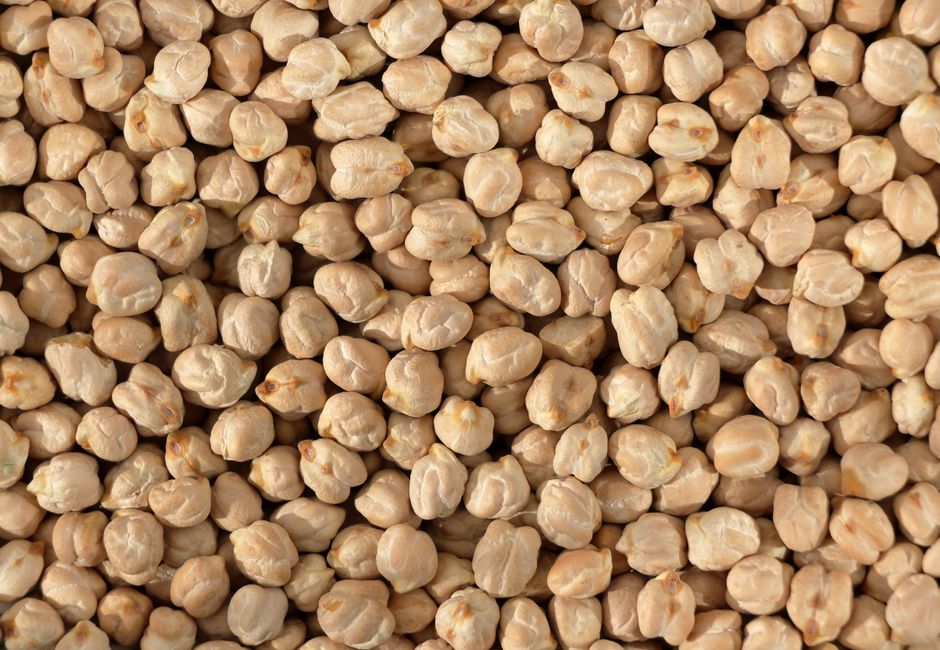
1. Hummus and Whole-Grain Pita (Legume Plus Grain)
Why it works: Chickpeas are rich in lysine but relatively low in methionine. Whole-grain pita flips that equation, contributing the complementary amino acids needed to round out the profile. Together they form a complete protein snack from whole food sources with no powders required.
Prep time: Under two minutes if you buy hummus ready-made or batch-cook it on Sunday.
Satiety notes: The fiber in chickpeas slows gastric emptying, which research published in the journal Nutrients (2016) links to reduced hunger between meals. Add a few cucumber slices for volume without extra calories.
Realistic portion: About a quarter cup of hummus with one small whole-grain pita or six whole-grain crackers delivers roughly 10 to 12 grams of protein.
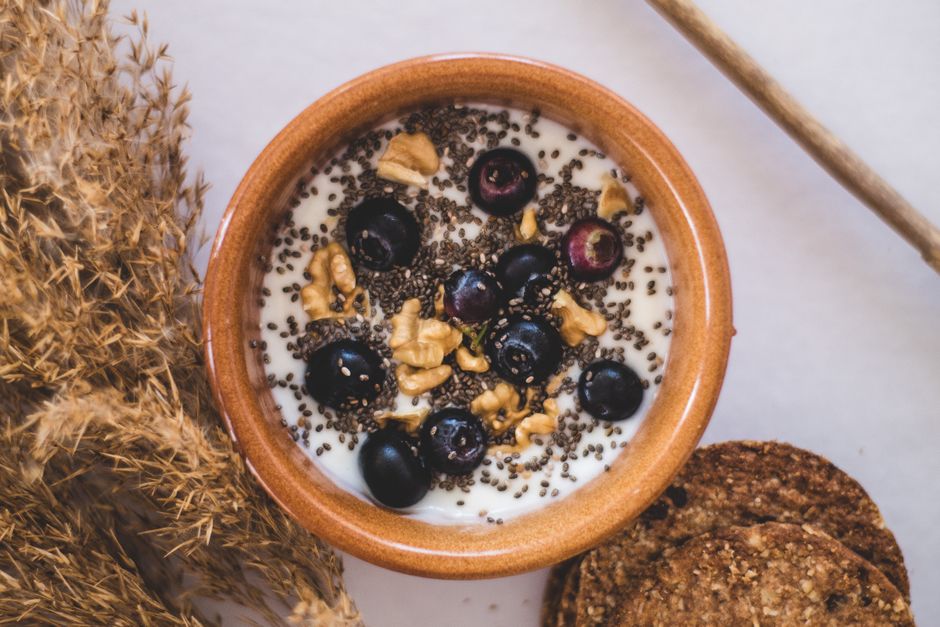
2. Greek Yogurt and Hemp Seeds
Why it works: Plain Greek yogurt is already a near-complete protein on its own, supplying generous amounts of all essential amino acids. Stirring in two tablespoons of hemp seeds adds omega-3 fatty acids and fills any minor amino acid gaps, making this one of the simplest complete protein snacks whole food enthusiasts can build.
Prep time: Sixty seconds.
Satiety notes: The protein-to-volume ratio in full-fat or 2 percent Greek yogurt is unusually high, around 17 to 20 grams per three-quarter cup serving. Fat slows digestion further, so the combo tends to hold most people for two to three hours.
Portable option: Spoon into a small jar with a lid and tuck it into a lunch bag with an ice pack.
For comparison on how dairy protein stacks up at breakfast, Legumes vs. Eggs vs. Greek Yogurt: Which Breakfast Protein Keeps You Full Longest Without the Crash offers a detailed breakdown.
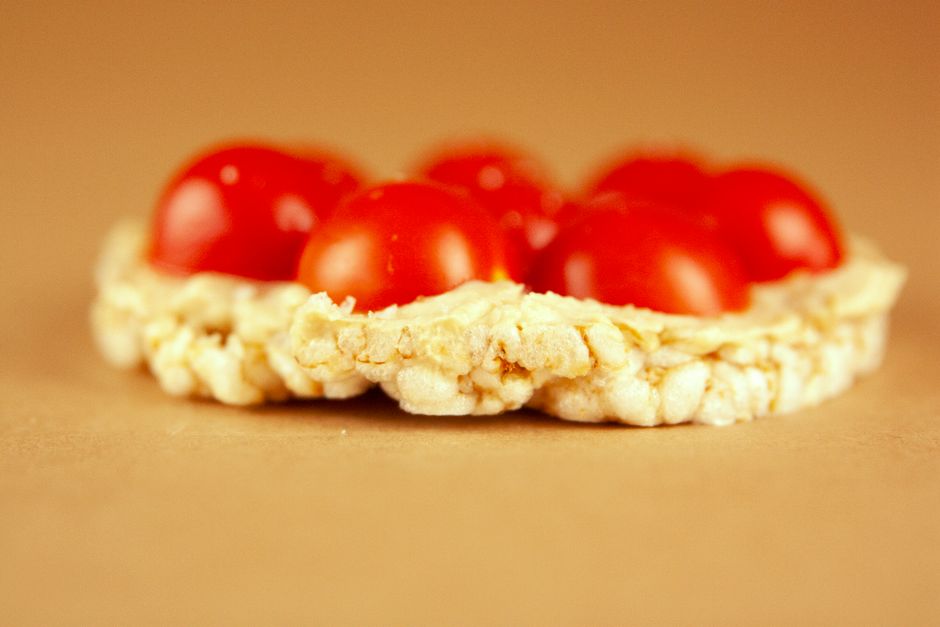
3. Edamame and Brown Rice Cakes
Why it works: Edamame (young soybeans) is one of the few single plant foods that qualifies as a complete protein on its own, containing all nine essential amino acids in meaningful amounts. Pairing it with brown rice cakes adds slow-digesting carbohydrates for immediate fuel alongside the protein.
Prep time: Three minutes if you buy frozen shelled edamame and microwave a portion.
Satiety notes: A half-cup of shelled edamame delivers about 9 grams of protein and 4 grams of fiber. Rice cakes add crunch and carbohydrates without much fat, so if you need this snack to last longer, add a thin spread of almond butter to one rice cake for healthy fat.
No-fridge tip: Dry-roasted edamame (unsalted or lightly salted) travels without refrigeration and pairs well with individual brown rice cake packets, making this the strongest no-fridge option in the list.
4. Cottage Cheese and Pumpkin Seeds
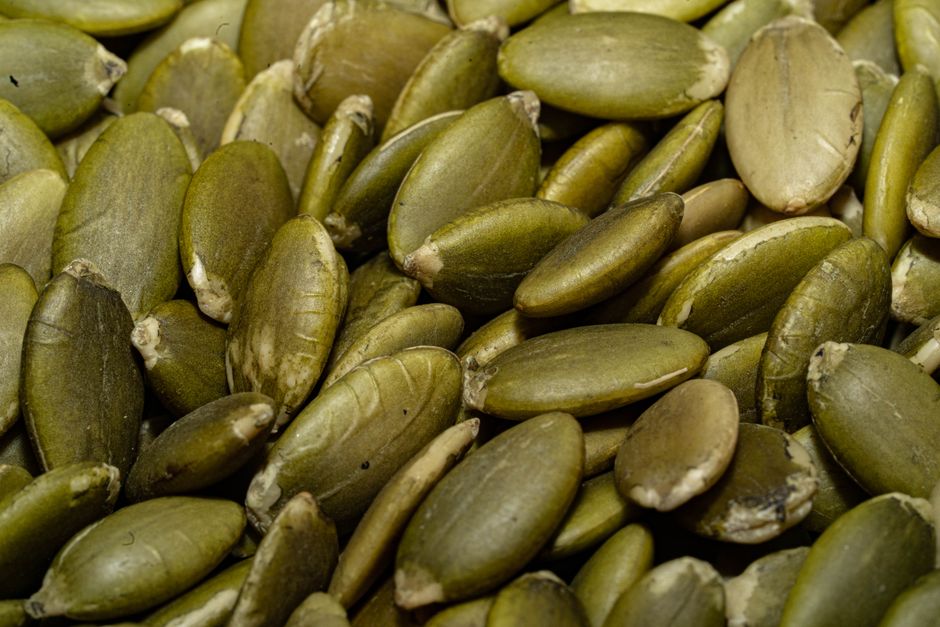
Why it works: Cottage cheese provides a casein-rich protein source that digests slowly, supplying a steady trickle of amino acids rather than a fast spike. Pumpkin seeds add zinc, magnesium, and the complementary plant fats that help you absorb fat-soluble nutrients. This pairing earns high marks as a complete protein snack from whole food ingredients because both components contribute meaningful amino acid density.
Prep time: Under two minutes.
Satiety notes: One cup of low-fat cottage cheese contains roughly 25 grams of protein. The slow digestion rate of casein is one reason research suggests dairy-based snacks may outperform faster-digesting options for pre-sleep recovery, though the afternoon benefit is similar. Add a tablespoon of pumpkin seeds for crunch and an extra 2 to 3 grams of protein.
Flavor boost: A pinch of smoked paprika or a few cherry tomatoes transforms the flavor without adding much to prep time.
5. Black Bean Dip and Corn Tortilla Strips
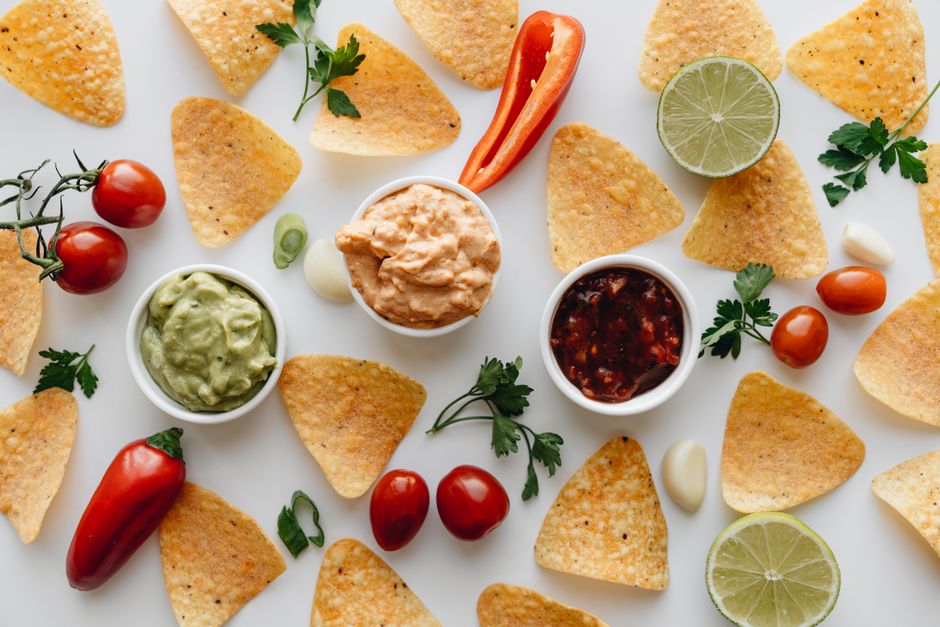
Why it works: Corn and legumes are a classic complementary pairing used across Latin American food traditions for good reason. Corn contributes methionine; black beans contribute lysine. Together they supply the full essential amino acid spectrum. This is a crowd-pleasing, budget-friendly complete protein snack from whole food sources that works for the whole family.
Prep time: Five minutes if you mash canned black beans with cumin, lime juice, and a pinch of salt. Baked corn tortilla strips or sturdy corn tortilla chips complete the pairing.
Satiety notes: Black beans are high in resistant starch, which the USDA notes may support steady post-meal glucose levels. That means less of the energy spike-and-dip cycle that drives 3pm cravings.
Meal-prep tip: A batch of black bean dip keeps in the refrigerator for up to five days. Portion it into small containers Sunday evening and you have snacks ready through Friday.
For more plant-based pairing ideas that work beyond snack time, Five Plant-Based Lunch Combinations That Deliver Complete Protein and Stop Afternoon Bloating is worth reading next.
A Quick Word on Amino Acid Timing
You do not need to combine complementary proteins in one bite or even one sitting. Research, including work reviewed by the Academy of Nutrition and Dietetics, confirms that eating a variety of protein sources throughout the day gives your body what it needs. That said, pairing complementary foods in a single snack does simplify the math and tends to improve satiety because you are getting protein alongside fat or fiber simultaneously.
If afternoon energy crashes are a recurring pattern rather than an occasional miss, the problem may extend beyond snacks alone. Why Your Afternoon Energy Crashes at 3pm and How Meal Order Actually Fixes It explores how the structure of your earlier meals sets the stage for how steady or shaky your energy feels later.
Putting It Into Practice
Choose one of the five pairings above that fits your schedule and try it at your usual afternoon low point for a week. You do not need to overhaul your diet. A single consistent swap, real food over a processed bar, can shift how your afternoons feel noticeably.
For ongoing practical guidance on balanced eating, sustainable habits, and whole-person wellness, consider subscribing to the Clean Body Mentor newsletter.
Sources
- Rebello, C. J., et al. (2016). “Dietary Fiber and Satiety.” Nutrients. National Institutes of Health, PubMed.
- Academy of Nutrition and Dietetics. Position Paper on Vegetarian Diets (2016, updated guidance). Academy of Nutrition and Dietetics.
- USDA Agricultural Research Service. Resistant Starch and Legumes. National Agricultural Library.
- Tremblay, A., and Bellisle, F. (2015). “Nutrients, Satiety, and Control of Energy Intake.” Applied Physiology, Nutrition, and Metabolism. PubMed.
This article is for general educational and informational purposes only and is not a substitute for medical advice, diagnosis, or treatment. Health needs vary by individual. Consult a qualified healthcare professional before making significant changes to your diet, exercise routine, supplements, medication, or treatment plan, especially if you have a medical condition, are pregnant or breastfeeding, take medication, or have concerns about your symptoms.