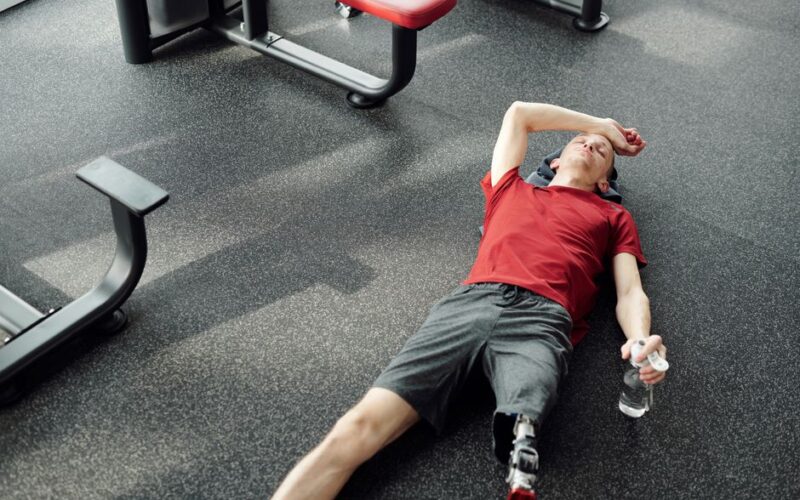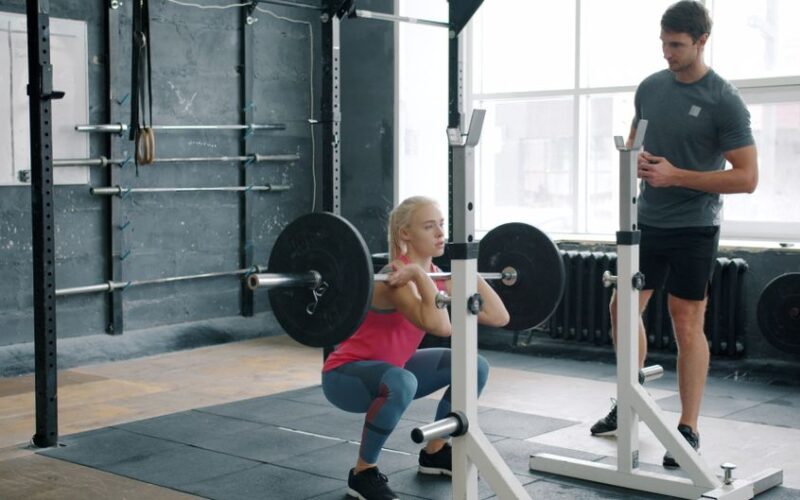
If you have ever noticed that your stomach feels calmer, more regular, or simply more comfortable on days you lift weights, you are not imagining it. Strength training creates measurable changes in gut motility, blood flow, and nutrient absorption that most beginners overlook entirely. What you eat around those sessions, and when you eat it, can either amplify those benefits or work against them.
This guide walks you through the physiology behind that digestive shift and shows you exactly how to structure your meals on lifting days to support both gut comfort and genuine muscle repair.

Why Strength Training Shifts Your Digestive Comfort
Your gut and your muscles share a nervous system connection. During a strength session, your body increases gastric motility (the rhythmic contractions that move food through your digestive tract) in the hours that follow, partly through elevated core temperature and partly through post-exercise shifts in gut hormones like motilin and ghrelin.
Research published in the World Journal of Gastroenterology has found that regular physical activity, including resistance training, is associated with improved gut transit time. Faster transit tends to reduce that heavy, bloated feeling many people experience on sedentary days. It also supports more consistent elimination patterns, which matters for overall digestive health.
Blood flow plays a role here too. During a workout, circulation prioritizes your muscles. After you finish, some of that blood returns to your digestive organs, temporarily enhancing nutrient absorption capacity. This is part of why a well-timed post-workout meal feels like it settles easily rather than sitting heavily.
You can also see this contrast clearly on rest days. If you have read about Digestive Sluggishness on Rest Days: Why Your Gut Slows Without Movement and How to Eat Lighter Without Restriction, you will recognize how quickly that motility advantage disappears when movement stops.
The Bloating Problem Most Beginners Create
Here is the irony: even though lifting improves digestive function, many beginners eat in ways that cancel out that advantage on training days. The most common patterns include:
- Eating a large, high-fat, high-fiber meal immediately before training
- Drinking a protein shake with a high lactose load on a stomach already under stress
- Skipping pre-workout food entirely and then overeating afterward
- Pairing protein powders with dairy, beans, or cruciferous vegetables in one enormous post-workout bowl
High-fat foods slow gastric emptying significantly. Eating them 30-60 minutes before a session means food is still sitting in your stomach during your heaviest sets, which causes real discomfort. Large volumes of fiber right before lifting can produce gas and cramping mid-session because fermentation in the colon continues regardless of what you are doing.
The goal is not to eat less overall. It is to sequence your nutrients strategically so your gut can do its job without interference.
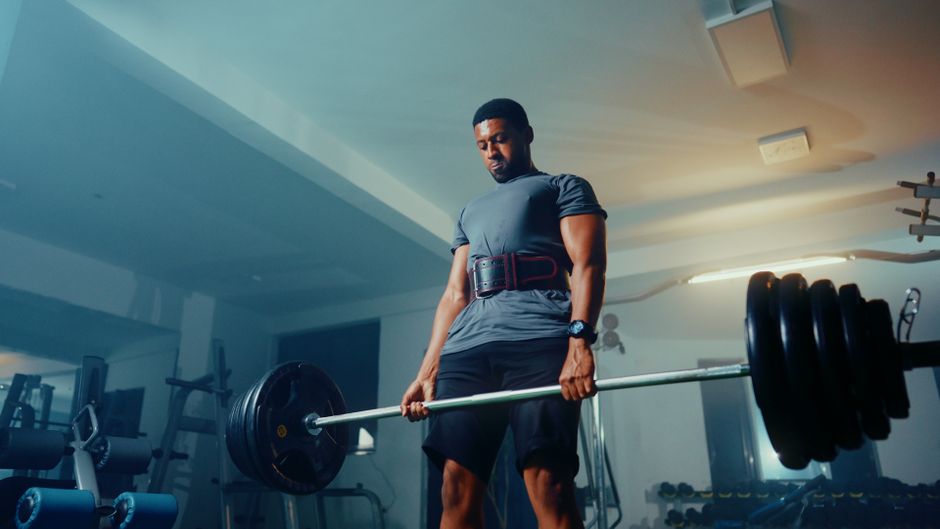
How to Structure Meals on Lifting Days
2-3 Hours Before: Build the Foundation
Your pre-workout meal should be moderate in size and built around easily digestible carbohydrates with a reasonable protein source. Think:
- Rice or oats with eggs or chicken
- A sweet potato with a palm-sized portion of turkey or white fish
- Greek yogurt with banana and a small handful of granola
Keep fat low to moderate here (under 15-20 grams). Fat delays stomach emptying and can cause sluggishness during your session. Save the avocado and nut butters for other meals.
30-60 Minutes Before: Optional Light Fuel
If more than three hours have passed since your last meal, a small snack helps maintain energy without burdening digestion. A rice cake with a thin spread of almond butter, or a small banana with a few bites of cottage cheese, works well. Keep total volume small.
Within 30-60 Minutes After: The Repair Window
This is where digestive health and muscle repair intersect most directly. Your muscles are primed to absorb amino acids, your gut has recovered from the workout stress, and gastric motility is elevated. Use this window well.
Aim for 25-40 grams of high-quality protein paired with moderate carbohydrates. Research suggests that leucine-rich protein sources, including whey, eggs, chicken, and soy, are particularly effective at stimulating muscle protein synthesis (National Institutes of Health, Office of Dietary Supplements, Protein Fact Sheet).
Practical post-workout meals that digest easily:
- Two scrambled eggs and a cup of cooked rice with steamed zucchini
- A whey or soy protein shake blended with banana, oat milk, and a small handful of spinach
- Grilled chicken breast with white rice and roasted bell pepper
- Cottage cheese with pineapple chunks and a slice of sourdough toast
Notice these meals are not heavy. They are targeted. You can add more fiber and fat in your next full meal once the absorption window has passed.
For a deeper look at how meal timing continues to affect your gut on the days between sessions, How Meal Timing on Rest Days Shapes Your Digestion and Hunger Signals covers exactly that contrast.

Protein Combinations That Maximize Repair Without Gut Stress
Not all protein sources digest at the same rate. Combining fast-digesting proteins (whey, egg whites) with slow-digesting ones (casein, chicken, fish) post-workout can sustain amino acid availability over several hours without overloading your gut at once.
If you are lactose-sensitive, choose whey isolate over concentrate, or swap to egg-based or plant-based protein blends. Many of the bloating complaints people attribute to protein powder are actually lactose reactions.
For ongoing muscle repair through the evening, a casein-rich food before bed, such as cottage cheese or plain Greek yogurt, may help maintain overnight protein synthesis. This is not mandatory, but research published in Medicine and Science in Sports and Exercise suggests pre-sleep protein intake can support muscle recovery, particularly after resistance training.
Recovery also involves more than nutrition. If you are navigating post-lifting soreness alongside digestion questions, Seven Recovery Practices That Actually Reduce Muscle Soreness Better Than Ice Baths or Compression Sleeves is a practical companion read.
Hydration and Gut Motility
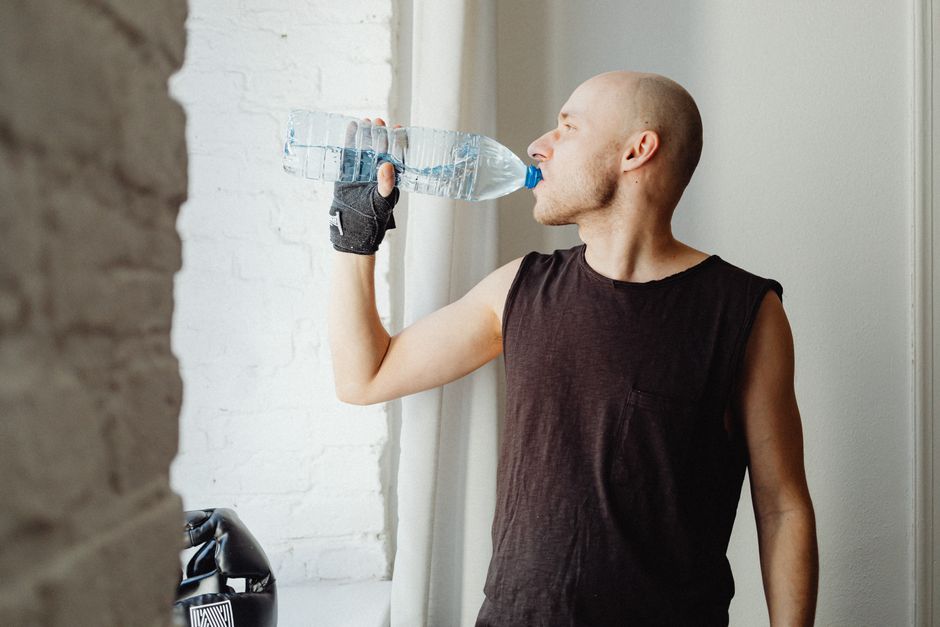
Strength training accelerates fluid loss, and even mild dehydration noticeably slows gut motility. Aim to begin each session well-hydrated and continue drinking consistently throughout the day. Plain water handles most hydration needs. If your sessions exceed 60-75 minutes or you sweat heavily, electrolyte replenishment may help maintain both performance and digestive rhythm.

One Action Worth Starting Today
Choose one meal timing shift from this article and try it consistently for one week. If your biggest struggle is post-workout bloating, start by reducing the fat content in your pre-training meal. If you feel depleted after lifting, try adding a targeted 25-gram protein source within 45 minutes of finishing.
Small, sustainable adjustments build the foundation for digestive health and strength training recovery to work together rather than against each other. If you want more practical weekly guidance on nutrition, movement, and whole-person wellness, consider joining the Clean Body Mentor newsletter for evidence-informed tips delivered consistently.
This article is for general educational and informational purposes only and is not a substitute for medical advice, diagnosis, or treatment. Health needs vary by individual. Consult a qualified healthcare professional before making significant changes to your diet, exercise routine, supplements, medication, or treatment plan, especially if you have a medical condition, are pregnant or breastfeeding, take medication, or have concerns about your symptoms.

Sources
- Johannesson, E. et al. “Physical activity improves symptoms in irritable bowel syndrome.” American Journal of Gastroenterology, 2011. (American Journal of Gastroenterology)
- Strid, H. et al. “Effect of heavy exercise on gastrointestinal transit in well-trained athletes.” Scandinavian Journal of Gastroenterology, 2011.
- National Institutes of Health, Office of Dietary Supplements. Protein and Amino Acids Consumer Fact Sheet.
- Res, P.T. et al. “Protein ingestion before sleep improves postexercise overnight recovery.” Medicine and Science in Sports and Exercise, 2012.
- Warburton, D.E.R. et al. “Health benefits of physical activity: the evidence.” Canadian Medical Association Journal, 2006.