

You eat roughly the same foods year-round, yet your gut behaves differently in January than it does in July. Bloating worsens in autumn. Appetite surges in winter. Digestion drags on cold, gray mornings when it felt effortless in June. This is not random, and it is not a sign something is wrong with you.
Seasonal eating for digestive health is backed by real physiology: your body temperature regulation, circadian rhythm, gut microbiome composition, activity levels, and even the microbes riding in on seasonal produce all shift across the year. Understanding those shifts lets you work with your biology instead of fighting it.
Here is what is actually happening each quarter, and which whole foods to lean into for comfort.
How Seasons Actually Reshape Your Gut
Three mechanisms drive seasonal digestive change.
Temperature and metabolic rate. Cold weather nudges your body toward slightly higher calorie burning to maintain core temperature, which can amplify hunger and slow gastric emptying as blood flow prioritizes warmth. Heat does the opposite: appetite dips, digestion speeds up, and your body craves lighter, water-rich foods.
Daylight and circadian rhythm. Your digestive organs follow the same light-dark cycle that governs sleep. Shorter winter days compress the window in which your gut is most active, which is one reason constipation is more common in colder months. Research published in the journal Cell Host and Microbe (2022) found that the gut microbiome itself shows measurable seasonal oscillation, partly linked to light exposure and partly to what seasonal produce you consume. You can read more about how light specifically affects your appetite and energy in this guide to how seasonal light changes affect your sleep, energy, and appetite.
Produce availability and fiber variety. Gut bacteria thrive on a diverse range of plant fibers. When your produce drawer rotates with the seasons, the types of fiber you eat rotate too, feeding different microbial communities and keeping diversity higher than when you eat the same imported vegetables all year.
Spring: Restart Sluggish Digestion With Bitter Greens and Ferments
After months of heavier, starchier winter eating, your gut microbiome is often less diverse and your bowel motility tends to be slower. Spring is a natural reset window.
What to prioritize:
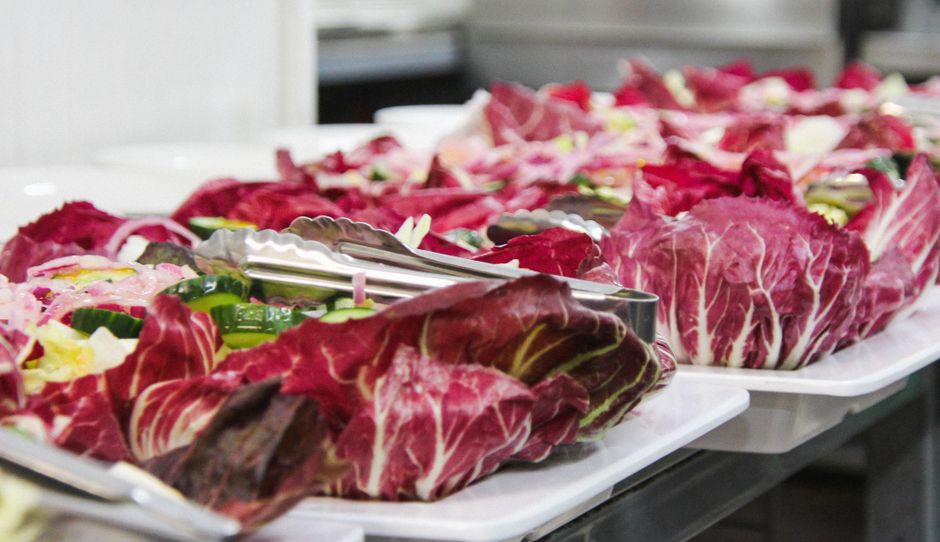
- Bitter greens (arugula, dandelion greens, radicchio) stimulate bile production, which supports fat digestion and encourages bowel regularity.
- Asparagus and leeks are rich in inulin, a prebiotic fiber that selectively feeds beneficial bacteria.
- Fermented foods like plain kefir, live-culture yogurt, or kimchi reintroduce microbial diversity.
- Peas and spring onions add gentle fiber without the bloating that heavier legumes can trigger when your gut is still warming up.
If you have noticed that your digestion consistently drags in March and April, why your digestion feels stuck in spring and how seasonal produce restarts it goes deeper into the mechanics.

Summer: Stay Cool, Stay Hydrated, Keep Meals Light
Heat slows appetite but accelerates certain gut processes. The challenge in summer is not usually constipation; it is bloating from rushed eating, inadequate hydration, or heavy meals eaten in the heat of the day.
What to prioritize:
- Cucumbers, zucchini, tomatoes, and watermelon deliver fluids alongside fiber, reducing the dehydration that can paradoxically cause constipation even in warm weather.
- Raw and lightly cooked vegetables are easier to tolerate in summer, when your digestive fire (as traditional systems describe it) is naturally stronger.
- Cold-brew herbal teas made with peppermint or ginger may help soothe bloating without adding sugar.
- Smaller, more frequent meals work better than two or three large ones in high heat; your stomach empties more efficiently when it is not overwhelmed.
One underrated summer tip: the order in which you eat foods at a meal changes how bloated you feel afterward. Starting with vegetables before grains or proteins can reduce post-meal discomfort. Explore how that works in this guide to why your eating order at meals changes digestion more than portion size.
Autumn: Build Microbiome Resilience Before Winter
Autumn is arguably the most strategic season for digestive care. The gut microbiome tends to shift composition as temperatures drop, and research suggests that building fiber diversity now may reduce winter sluggishness later.
What to prioritize:
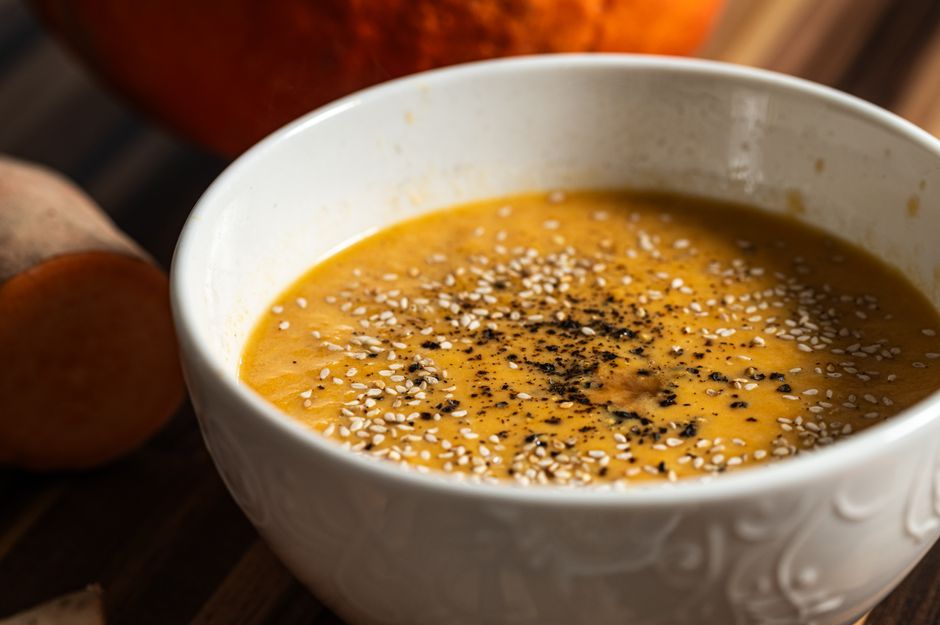
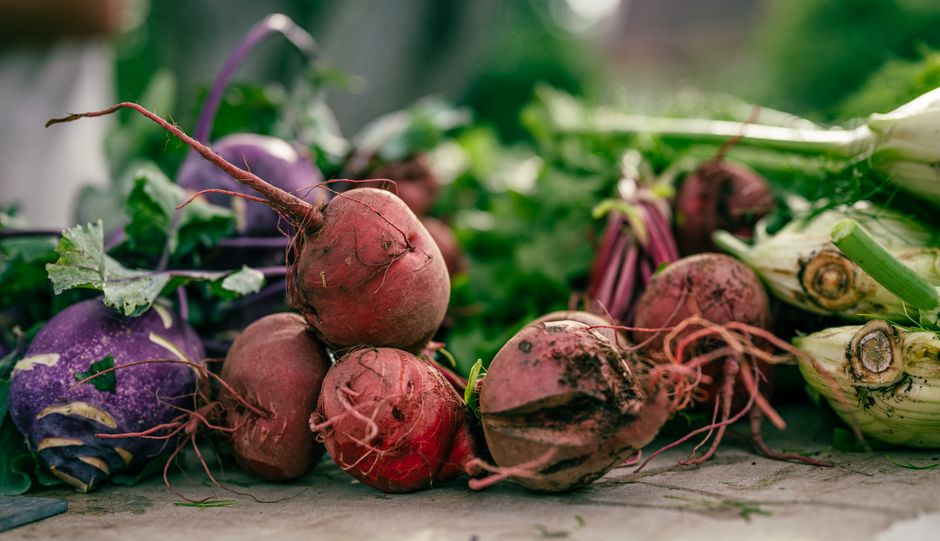
- Root vegetables (sweet potato, parsnip, beets) provide resistant starch, which escapes digestion in the small intestine and becomes fuel for beneficial colon bacteria.
- Apples and pears are high in pectin, a soluble fiber that feeds Bifidobacterium species linked to bowel regularity.
- Warm soups and stews make vegetables easier to digest as temperatures fall and appetite rises.
- Spices like ginger and turmeric add flavor and preliminary research suggests they may support gut motility, though the clinical evidence is still emerging.
This is also a good time to pay attention to movement, since physical activity directly supports gut transit time. If you train at home, why your digestion improves on strength training days and how to eat for better muscle repair connects the exercise-gut link in practical terms.
Winter: Warm, Fiber-Rich Foods to Offset Cold-Season Slowdown
Winter is when digestion slows most noticeably. Reduced daylight compresses circadian-driven gut activity. Cold air discourages the outdoor movement that keeps transit time healthy. Comfort food cravings push toward denser, lower-fiber options.
What to prioritize:
- Cooked leafy greens (kale, chard, collards) are gentler on a sluggish gut than raw salads and still deliver magnesium, which supports muscle contractions throughout the digestive tract.
- Lentils and split peas offer soluble fiber and plant protein without the gas that whole beans can cause when gut bacteria are less diverse.
- Warming broths and soups hydrate without chilling your core body temperature.
- Prunes and dried figs are time-tested for constipation relief; research in the journal Alimentary Pharmacology and Therapeutics supports prunes as effective for increasing stool frequency in healthy adults.
For a focused look at how the gut microbiome specifically changes in cold months and what you can do about it, the article on why your gut microbiome changes in colder months and how to eat for winter digestion is worth reading alongside this one.

A Few Principles That Apply Year-Round
Seasonal eating for digestive health works best when layered on top of consistent everyday habits:
- Chew slowly. Digestion begins in the mouth, and rushed eating is one of the most common drivers of year-round bloating.
- Move regularly. Even short daily walks stimulate gut motility. A sedentary day noticeably slows transit time regardless of season.
- Stay hydrated. Water needs shift with temperature and activity, but your colon always needs adequate fluid to form comfortable stools.
- Vary your plants. Eating 30 or more different plant foods per week is associated with higher microbiome diversity in population studies, including the American Gut Project data published in mSystems (2018).
If stress is a recurring trigger for your digestive symptoms, it is worth reading about digestion and emotional stress: why your gut freezes when you rush and what breathwork actually fixes, because the nervous system link is real and often overlooked.
A Realistic Starting Point
You do not need to overhaul every meal. Pick one season-aligned food from whichever quarter you are in right now and add it to your routine this week. Asparagus in spring. Watermelon in summer. A warm lentil soup in autumn. Cooked kale with winter dinners. That single consistent swap builds the habit, and habits compound.
If you want practical weekly guidance on seasonal nutrition and whole-person wellness, the Clean Body Mentor newsletter delivers it in a format you can actually use.
This article is for general educational and informational purposes only and is not a substitute for medical advice, diagnosis, or treatment. Health needs vary by individual. Consult a qualified healthcare professional before making significant changes to your diet, exercise routine, supplements, medication, or treatment plan, especially if you have a medical condition, are pregnant or breastfeeding, take medication, or have concerns about your symptoms.
Sources
- Thaiss CA et al. “Microbiota-accessible carbohydrates broaden the range of microbiomes responding to intervention.” Cell Host and Microbe, 2022. (Seasonal microbiome oscillation research.)
- McDonald D et al. “American Gut: an open platform for citizen science microbiome research.” mSystems, 2018. (Plant diversity and microbiome richness.)
- Attaluri A et al. “Randomised clinical trial: dried plums (prunes) vs. psyllium for constipation.” Alimentary Pharmacology and Therapeutics, 2011. (Prunes and stool frequency.)


