


You are halfway through the school pickup line. Your stomach is growling. Your last real meal was breakfast, and dinner is still two hours away. Sound familiar?
For busy parents, the difference between a snack that works and one that just passes the time comes down to three things: how long it keeps you full, how fast you can actually grab it, and whether it survives a bag or a glovebox without going bad. Protein is the key lever here. Research published by the National Institutes of Health confirms that dietary protein is the most satiating macronutrient, partly because it triggers appetite-regulating hormones like peptide YY and suppresses ghrelin more effectively than carbohydrates or fat alone.
The five snacks below each deliver at least 7 grams of protein per serving. Each is ranked across the three dimensions that matter most to your real life: satiety, grab speed, and no-fridge portability. For a broader look at how protein timing affects hunger all day, the guide on High-Protein Breakfasts That Survive Until Lunch is worth your time.

How the Rankings Work
Each snack is scored on a simple 1-to-3 scale for each dimension:
- Satiety: How long it realistically holds hunger at bay for an average active adult
- Grab speed: How fast you can have it in hand with zero or minimal prep
- No-fridge portability: Whether it travels safely at room temperature for 4 or more hours
Scores are summed for a total out of 9. Higher is better for a busy-parent lifestyle.
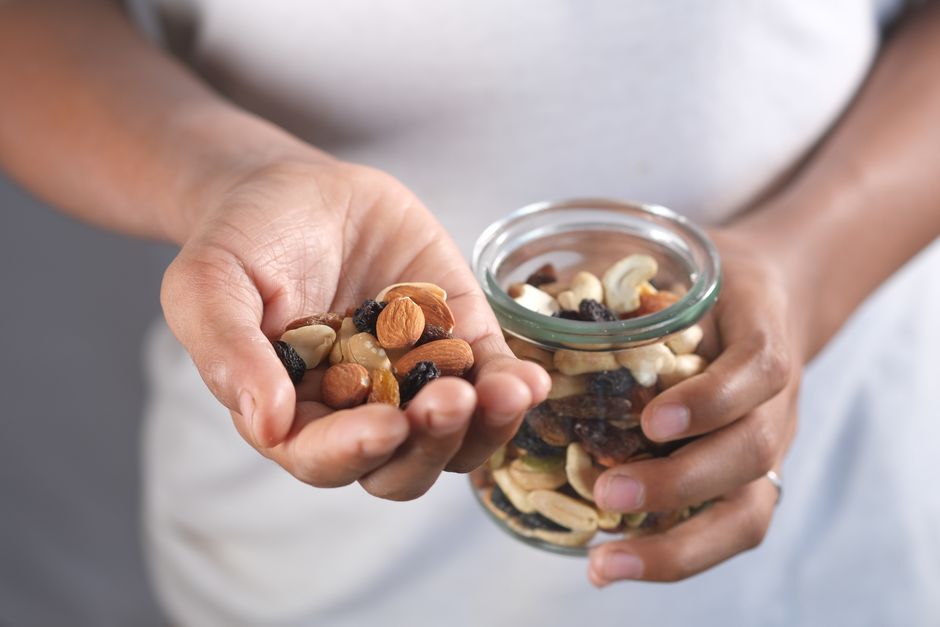
1. Nut Butter Packets (Almond, Peanut, or Cashew)
Protein per serving: 7-8 g (two-tablespoon single-serve packet)
Satiety: 3 | Grab speed: 3 | Portability: 3 | Total: 9/9
Single-serve nut butter packets are the closest thing to a perfect busy-parent snack. They require zero prep, live in your bag, car, or desk drawer indefinitely, and the combination of protein plus healthy fat slows gastric emptying, which helps you feel full for two to three hours. Pair one with a banana or a handful of whole-grain crackers and the satiety window extends further.
Look for packets with no added sugar and minimal ingredients (nuts, maybe salt). Brands like Justin’s, RxBar, and many store-label options package them in 32 g portions that fit in a jacket pocket.
One tradeoff: Nut butter is calorie-dense. If you are managing a calorie deficit for fat loss goals, one packet is the right stopping point rather than two.
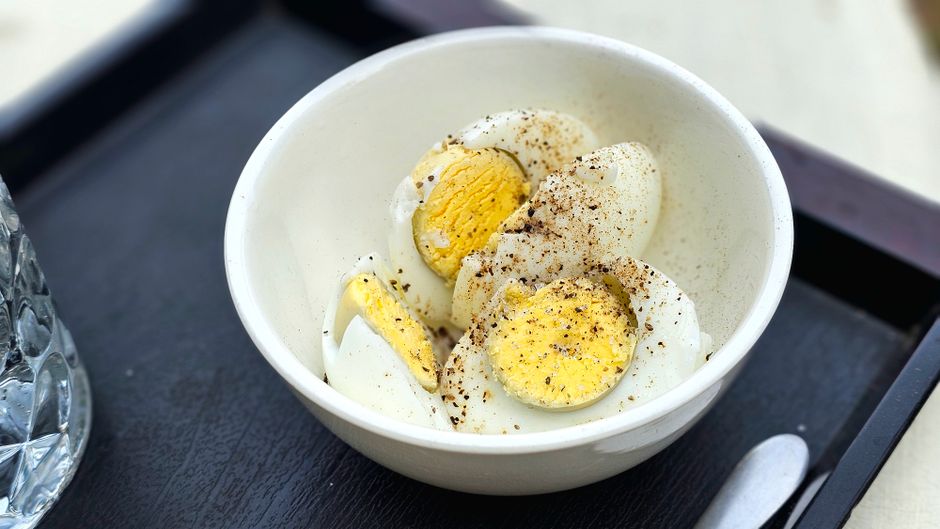
2. Hard-Boiled Eggs
Protein per serving: 12-13 g (two eggs)
Satiety: 3 | Grab speed: 2 | Portability: 2 | Total: 7/9
Hard-boiled eggs rank at the top for satiety among all the options here. Eggs provide all nine essential amino acids and are one of the most bioavailable protein sources available, according to data from the USDA FoodData Central database. Two eggs carry roughly 12 grams of complete protein plus fat and micronutrients that stretch the fullness window well past two hours.
The catch is portability. Hard-boiled eggs need refrigeration within two hours of cooking, per FDA food safety guidelines, so they require an insulated lunch bag with an ice pack for a long day out. Grab speed is also moderate: you need to have cooked them in advance, though batch-cooking a dozen on Sunday evening takes less than 15 minutes.
For parents who already do any meal prep, hard-boiled eggs are an excellent weekly staple. If you are newer to protein-focused eating and want to understand how egg protein stacks up against other sources across the day, the comparison at Legumes vs. Eggs vs. Greek Yogurt: Which Breakfast Protein Keeps You Full Longest breaks it down clearly.
3. Greek Yogurt Cups
Protein per serving: 15-17 g (5.3 oz plain or low-sugar variety)
Satiety: 3 | Grab speed: 3 | Portability: 1 | Total: 7/9
Greek yogurt cups land at a tie with hard-boiled eggs but for different reasons. The protein count is the highest on this list and the grab speed is unbeatable: peel, grab a spoon, done. The gut-supporting live cultures are a bonus for digestive comfort.
However, yogurt cups need to stay cold and have a real shelf-life window once out of the fridge. The FDA recommends keeping dairy products at or below 40 degrees Fahrenheit, which means a cooler bag is genuinely required for anything longer than a two-hour outing. That knocks portability down to a 1 for parents spending a full day away from home.
The practical workaround: keep a small insulated lunch bag in your car with a reusable ice pack. Greek yogurt becomes far more versatile once you solve the cold-chain problem.
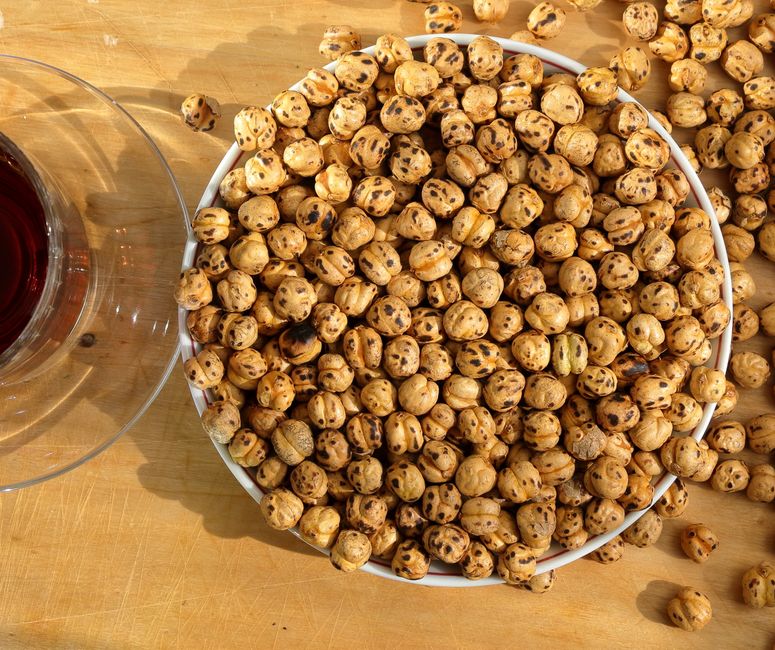
4. Roasted Chickpeas
Protein per serving: 7-8 g (one-ounce portion)
Satiety: 2 | Grab speed: 3 | Portability: 3 | Total: 8/9
Roasted chickpeas are the best fully shelf-stable option on this list that also contributes meaningful fiber (around 5 g per ounce), which works alongside protein to slow digestion and support fullness. They live in your bag without any special storage and come in single-serve pouches from brands like Biena, Enlightened, and various store labels.
The honest limitation is satiety duration. Chickpeas are a plant protein, so the amino acid profile is less complete than eggs or dairy, and the fullness window tends to be shorter, closer to 90 minutes to two hours for most people. Pairing them with a nut butter packet brings up the protein quality and fat content significantly. For more context on plant proteins and their real satiety performance, the guide on Five Plant Proteins Ranked by Real Satiety, Cost, and Honest Prep Time is a helpful read.

5. String Cheese (Mozzarella Sticks)
Protein per serving: 7-8 g (one stick)
Satiety: 2 | Grab speed: 3 | Portability: 2 | Total: 7/9
String cheese is fast, familiar, and beloved by parents and kids alike, which makes it easy to keep stocked. One stick provides around 7 grams of protein and a decent amount of calcium. The issue is the same as yogurt: dairy needs refrigeration for anything beyond a couple of hours. It holds up a bit longer than yogurt without getting unpleasant, but food safety still calls for cold storage.
For short outings (a grocery run, a soccer pickup, a quick errand loop), string cheese is a near-perfect grab-and-go snack. For a full day without a cooler, nut butter packets or roasted chickpeas are the smarter call.
The Practical Summary
| Snack | Protein | Satiety | Speed | Portability | Total |
|---|---|---|---|---|---|
| Nut butter packets | 7-8 g | 3 | 3 | 3 | 9 |
| Roasted chickpeas | 7-8 g | 2 | 3 | 3 | 8 |
| Hard-boiled eggs | 12-13 g | 3 | 2 | 2 | 7 |
| Greek yogurt cups | 15-17 g | 3 | 3 | 1 | 7 |
| String cheese | 7-8 g | 2 | 3 | 2 | 7 |
No single snack wins every category. The best strategy for high-protein snacks as a busy parent is to keep two or three on rotation so you can match the snack to the day’s logistics. On a day when you have your insulated bag, hard-boiled eggs or Greek yogurt deliver the best satiety. On a bag-and-run day with no cooler, nut butter packets are your most reliable option.
If afternoons are your most vulnerable window for hunger and energy dips, the guide on High-Protein Snacks for Afternoon Energy: Five Real Combos Ranked by Satiety, Speed, and No-Fridge Options offers additional combinations worth building into your routine.
Choose one snack from this list, stock it this week, and carry it consistently for seven days. Small, repeatable actions like that are how sustainable nutrition habits actually form, not through overhauling everything at once.
Sources
- Paddon-Jones, D., et al. “Protein, weight management, and satiety.” American Journal of Clinical Nutrition, 2008. (National Institutes of Health, PubMed)
- USDA FoodData Central database: egg, chickpea, and dairy nutritional values (fdc.nal.usda.gov)
- U.S. Food and Drug Administration: food safety temperature guidelines for perishable foods (fda.gov)
This article is for general educational and informational purposes only and is not a substitute for medical advice, diagnosis, or treatment. Health needs vary by individual. Consult a qualified healthcare professional before making significant changes to your diet, exercise routine, supplements, medication, or treatment plan, especially if you have a medical condition, are pregnant or breastfeeding, take medication, or have concerns about your symptoms.


