

You have tried both before. You walked every morning for two weeks, then the weather changed or work got busy and the streak quietly ended. Or you signed up for a gym membership, went four times, and started avoiding the place because it felt unfamiliar and exhausting. Neither habit collapsed because you are lazy. It collapsed because the fit was wrong.
This comparison looks honestly at walking versus strength training for weight loss, long-term consistency, and mental health. The goal is not to crown a winner. It is to help you pick the one that matches your schedule, personality, and starting point so it actually sticks.

What Each Activity Actually Does for Fat Loss
Both approaches can support a calorie deficit, which is the core mechanism behind sustainable fat loss. They just work differently.
Outdoor walking is low-intensity and easy to sustain for 30 to 60 minutes, which means total daily calorie burn can accumulate steadily without requiring much recovery. Research published through the National Institutes of Health consistently shows that daily walking increases total energy expenditure without the hunger spike that sometimes follows higher-intensity exercise. For beginners, that matters.
Strength training builds lean muscle tissue over time. Because muscle is metabolically active, a body with more muscle burns slightly more calories at rest. Research suggests the resting metabolic boost from resistance training is real but modest, typically a few dozen calories per day for most recreational exercisers. The bigger fat-loss benefit of strength training tends to come from the calorie burn during sessions and the appetite-regulating hormonal shifts that follow.
For someone comparing walking versus strength training for weight loss over six months, both can produce meaningful results if they are paired with balanced eating. The difference is not dramatic enough to override the practical question: which one will you keep doing?

Accessibility and the Real Cost of Starting
Walking costs almost nothing. You step outside and move. There is no equipment to buy, no gym to drive to, and no schedule to coordinate. That low friction is genuinely powerful for habit formation.
Strength training has a steeper entry. Even at home, you benefit from learning movement patterns, progressing load safely, and understanding the difference between productive soreness and injury risk. If you have ever felt uncertain in a weight room, you are not alone. How to Build Intuitive Strength Training Confidence When Gym Intimidation Has Kept You Home is a useful starting point for anyone navigating that barrier, and Leg Strength Without a Gym: Five Progressive Bodyweight Drills for Stairs, Walking, and Daily Life shows how to build strength at home without any equipment at all.
Accessibility is not just about money. It is about cognitive load. Walking requires almost no decision-making once the habit is set. Strength training requires tracking reps, managing fatigue, and learning form. For someone who is already overwhelmed, that complexity can be the thing that breaks the streak.

Mental Health: Mood, Stress, and the Outdoor Advantage
This is where walking earns a real edge that fitness culture tends to undervalue.
Spending time outdoors while walking combines light physical activity with nature exposure, both of which independently support mental well-being. A 2015 study published in the Proceedings of the National Academy of Sciences found that people who walked in a natural setting for 90 minutes showed reduced activity in brain regions associated with rumination compared to those who walked in an urban setting. Daily walking, especially outdoors, may also support lower cortisol levels and better sleep quality according to research summarized by the CDC on physical activity and mental health.
Strength training has solid mental health evidence behind it too. A 2018 meta-analysis in JAMA Psychiatry found that resistance exercise significantly reduced depressive symptoms across a wide range of populations. The sense of mastery, visible progress, and structured challenge that comes from getting stronger can build real psychological confidence over time.
The honest difference: walking tends to deliver mood benefits more immediately and with less effort per session. Strength training tends to build a slower, deeper sense of physical capability and self-efficacy. Both matter. Neither cancels the other out.

Habit Consistency: Who Sticks With Each and Why
This is the most underrated part of the walking versus strength training weight loss conversation.
Walking has a higher natural adherence rate, especially early on. The barrier to entry is low, it fits easily into a lunch break or a commute, and the body recovers quickly enough to do it daily. The challenge is that walking can feel like it is not working because results are gradual and quiet. Why Your Walking Habit Stops After Three Weeks and How One Mindset Shift Makes It Stick for Good addresses exactly this plateau in motivation.
Strength training, by contrast, tends to produce visible changes in body composition more quickly, which can be motivating. But it also demands more recovery time, requires skill progression, and often depends on a specific location or schedule. When life gets disrupted, gym routines tend to fall apart faster.
For busy parents, people with irregular hours, or anyone rebuilding a movement habit from scratch, walking usually wins on consistency. For people who get bored easily, need visible progress to stay motivated, or enjoy learning physical skills, strength training often wins. Neither answer is wrong.

An Honest Comparison Side by Side
Outdoor Walking
- Requires no equipment and almost no planning
- Supports gradual, consistent calorie deficit without high recovery demands
- Delivers mood and stress relief quickly, especially in green or natural spaces
- Easier to integrate into daily life without a dedicated workout block
- Progress can feel slow, which challenges long-term motivation
Gym or Home Strength Training
- Builds muscle that modestly raises resting metabolism over time
- Produces visible body composition changes that can sustain motivation
- Has strong evidence for reducing depressive symptoms
- Requires learning proper movement and managing recovery
- More likely to stall when schedules change or soreness is misread
If you want guidance on what to expect when strength soreness shows up, Strength Training Fatigue vs. Muscle Soreness: A Beginner’s Guide to When to Push Through and When to Rest breaks it down clearly.
The Combination Case
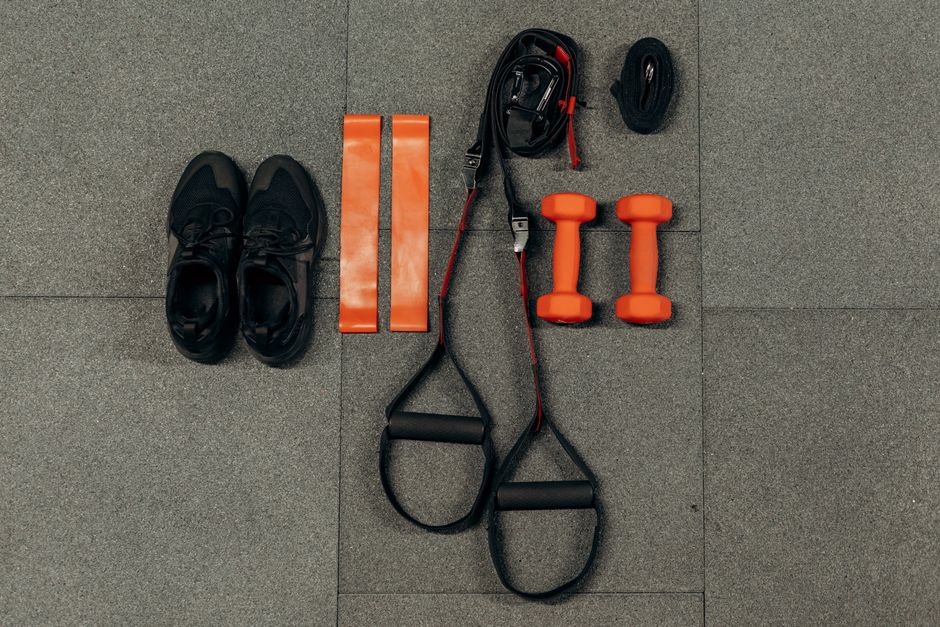
Many people eventually find that combining both works best: walking as the daily baseline habit and strength training two or three times a week as a structured add-on. This pairing supports body composition, mental health, bone density, and metabolic health more comprehensively than either alone.
But starting with both at once is a common reason people burn out. Pick one, build it past the four-week mark, and add the second once the first feels automatic. Nutrition matters alongside both: eating enough protein supports muscle retention whether you are walking or lifting. Five Plant-Based Dinners Ranked by Complete Protein, Real Satiety, and Cost for Sustainable Weight Management is a practical resource if you are also working on the food side of the equation.

Choosing What Actually Fits Your Life
Ask yourself one honest question before you decide: what went wrong the last time you tried to build a fitness habit? If the answer involves time, logistics, or energy, start with walking. If the answer involves boredom, lack of visible change, or no sense of skill growth, start with strength training.
Pick one small, realistic action this week: either a 20-minute walk outside or one beginner bodyweight session at home. Practice it consistently for four weeks before layering anything else. Explore the Clean Body Mentor newsletter for practical weekly guidance if you want structured support as you build.
Sustainable weight management and mental well-being come from the habit you actually repeat, not the one that looks best on paper.
This article is for general educational and informational purposes only and is not a substitute for medical advice, diagnosis, or treatment. Health needs vary by individual. Consult a qualified healthcare professional before making significant changes to your diet, exercise routine, supplements, medication, or treatment plan, especially if you have a medical condition, are pregnant or breastfeeding, take medication, or have concerns about your symptoms.
Sources
- Bratman, G.N. et al. (2015). Nature experience reduces rumination and subgenual prefrontal cortex activation. Proceedings of the National Academy of Sciences. (PNAS.org)
- Gordon, B.R. et al. (2018). Association of Efficacy of Resistance Exercise Training With Depressive Symptoms. JAMA Psychiatry. (jamanetwork.com)
- Centers for Disease Control and Prevention. Physical Activity and Mental Health. (cdc.gov)
- National Institutes of Health, National Library of Medicine. Evidence on walking and energy expenditure. (pubmed.ncbi.nlm.nih.gov)


