

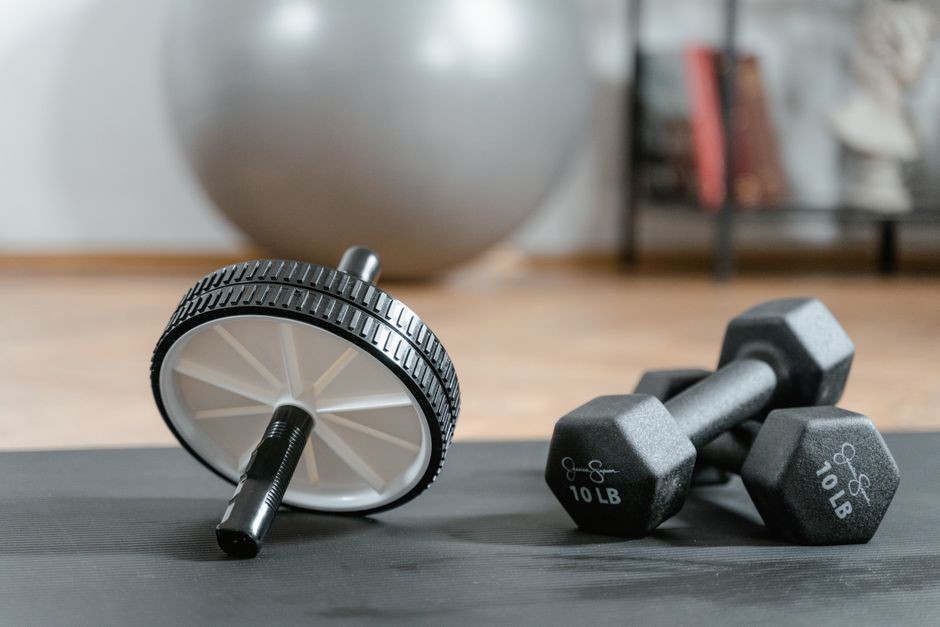
You have the space. You have the time, at least sometimes. You might even have a mat rolled out in the corner. But every time you try to start beginner strength training at home, a quiet voice asks: Am I doing this right? Is this enough? Would a trainer laugh at my form?
That internal critic, not laziness, is what keeps most beginners from showing up consistently. Three people who faced that exact barrier agreed to share their stories. Their names have been changed for privacy, but their struggles and breakthroughs are real. What they learned offers a practical map for anyone building confidence from scratch.
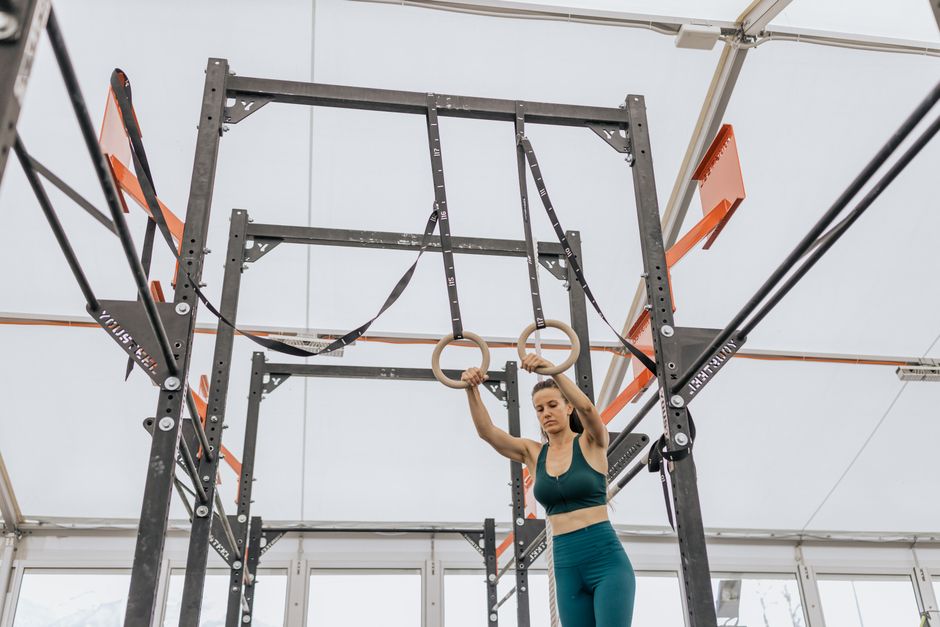
Why Perfectionism Is the Real Obstacle (Not Equipment or Time)
Marcos, 41, bought a set of resistance bands two years before he used them. A former collegiate athlete, he worried that anything less than a structured, trainer-supervised program would be a waste of effort or, worse, lead to injury. He read enough to know that form matters, so he waited until he felt “ready.”
The waiting became a habit.
This pattern is common. Research published by the American Psychological Association suggests that fear of failure and performance anxiety can suppress the initiation of new physical behaviors, even when the person genuinely values health. Marcos was not unmotivated. He was paralyzed by a standard he had set for himself that did not actually apply to his situation.
The shift came when he stopped trying to replicate a gym program at home and instead started with what his body could do that day: a set of bodyweight squats, a wall push-up variation, and a single resistance band row. He kept a simple journal, not to track sets and reps obsessively, but to write one sentence about how the movement felt. Over six weeks, his sentence shifted from “felt awkward” to “hips felt more open” to “adding one more rep felt natural.”
That body-feedback loop replaced the need for external validation.
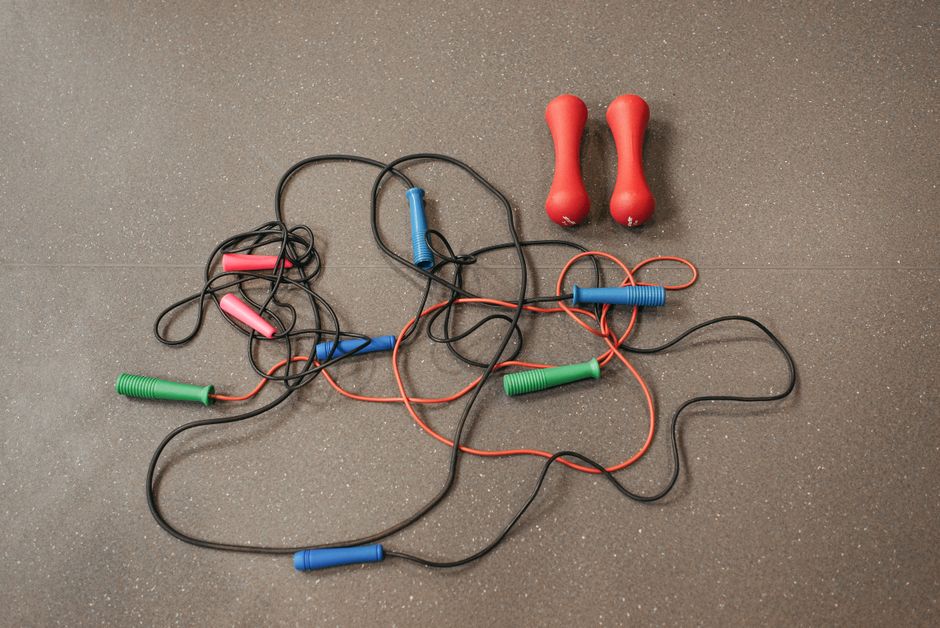
From Equipment Anxiety to “Good Enough” Gear
Priya, 34, had a different barrier. She had watched so many tutorial videos that she convinced herself she needed specific equipment before she could start properly. A barbell. A squat rack. At minimum, adjustable dumbbells. Since none of those fit her apartment or budget, she did not start.
A friend pointed her toward the idea of progressive bodyweight training, where movements become harder through leverage, tempo, and range of motion rather than added weight. If you are curious about how this compares to gear-based options, Resistance Bands vs. Dumbbells vs. Bodyweight for Building Muscle at Home breaks down the tradeoffs honestly across budget and space constraints.
Priya started with slow bodyweight lunges, three seconds down and two seconds up, plus incline push-ups on her kitchen counter. Within four weeks she had progressed to reverse lunges with a pause at the bottom and standard push-ups. She never bought a single piece of equipment during that phase. Her confidence came not from the gear but from seeing her own progression documented in a notes app.
The key insight she carried forward: equipment is a tool, not a prerequisite.
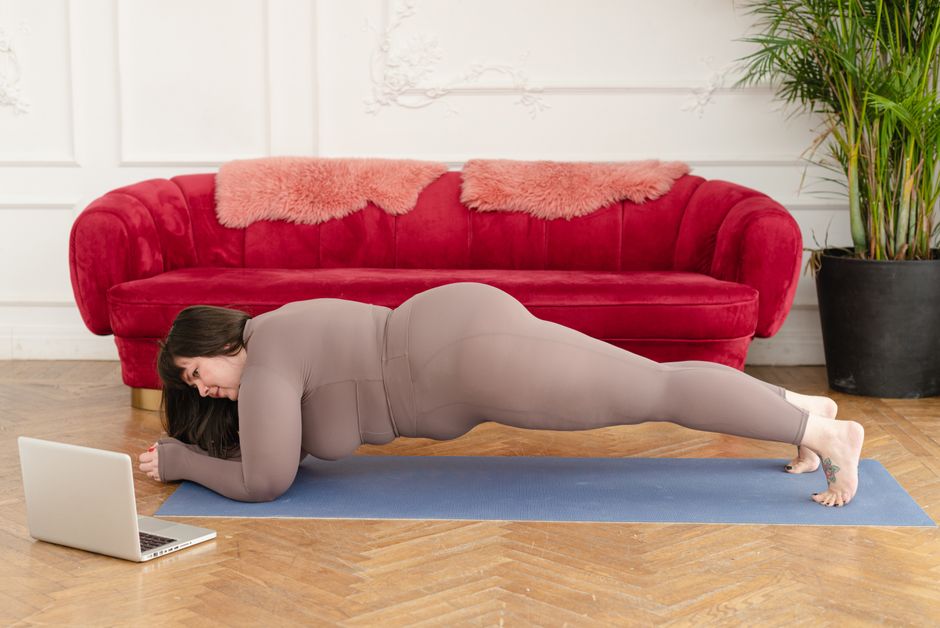
Learning to Read Your Own Body Before Chasing Numbers
Danielle, 52, had a history of lower back discomfort that made her afraid to load any movement. She had been told, vaguely, to “strengthen her core,” but videos showing planks and crunches made her feel worse, not better. She stopped after two attempts.
Her breakthrough came from slowing down and paying attention to sensation rather than replication. She learned the difference between productive muscle fatigue, the burn that says a muscle is working, and joint or sharp pain that signals something worth pausing for. That distinction is worth understanding clearly: Strength Training Soreness vs. Injury Pain: A Beginner’s Guide to Knowing When to Push Through or Rest covers this in practical detail.
Danielle built her early routine around movements that felt supported: seated leg presses against a wall, standing hip hinges with light support from a doorframe, and a modified bird-dog on all fours that she could perform without any low-back strain. She checked in with a physical therapist after her first month, who confirmed her movement choices were appropriate for her history.
By week eight, Danielle was completing a short full-body circuit three times a week. She had not chased a number. She had followed her body’s cues.
What These Three Stories Share
Across Marcos, Priya, and Danielle, a few consistent themes emerge:
- Body feedback over performance metrics. Tracking how a movement feels builds intuition faster than tracking reps alone, especially in early weeks.
- Progression, not perfection. Each person made the next session slightly harder than the last, not dramatically harder. That consistency is what the research on habit formation consistently supports.
- Removing the gatekeeping mindset. None of them waited until they had the “right” setup, the “right” instruction, or the “right” body. They started with what they had.
If you want to see how a structured beginner plan can anchor this kind of intuitive approach, Strength Training on a 20-Minute Budget: A Realistic Four-Week Home Plan for Beginners offers a concrete starting framework without overwhelming complexity. For those who want to explore how bodyweight progression works as a long-term strategy, Intuitive Strength Training at Home: Why Progressive Bodyweight Beats Generic Workout Plans goes deeper on the philosophy behind it.

A Small Starting Point That Actually Works
If any of these three stories resonated with you, the next step is not a full program. It is one movement, practiced with attention, today.
Choose a squat, a push-up variation you can complete with control, or a hinge from a standing position. Do it slowly. Notice what muscles engage. Write one sentence afterward about how it felt. Repeat that tomorrow.
Consistency built on awareness beats intensity built on anxiety every time. When you are ready to expand, you will know, because your body will tell you.
For broader weekly support on building sustainable habits, consider joining the Clean Body Mentor newsletter, where practical, evidence-informed guidance arrives without pressure or perfection.
Sources:
- American Psychological Association. “Fear of failure and its impact on health behavior initiation.” APA databases (general reference; no specific URL fabricated).
- National Strength and Conditioning Association. Position statement on resistance training for untrained individuals. NSCA, general reference.
- American College of Sports Medicine. “Physical Activity Guidelines for Americans.” ACSM resources, referencing the U.S. Department of Health and Human Services Physical Activity Guidelines, 2nd edition.
This article is for general educational and informational purposes only and is not a substitute for medical advice, diagnosis, or treatment. Health needs vary by individual. Consult a qualified healthcare professional before making significant changes to your diet, exercise routine, supplements, medication, or treatment plan, especially if you have a medical condition, are pregnant or breastfeeding, take medication, or have concerns about your symptoms.


