

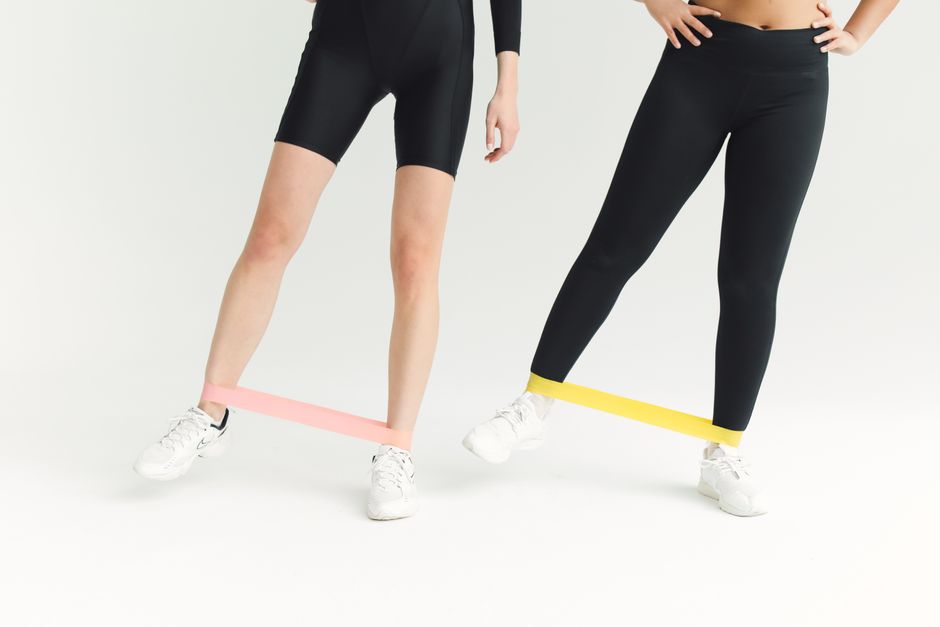
If you find yourself gripping the railing a little harder on stairs, or noticing that a longer walk leaves your legs heavier than you expected, you are not alone. Leg strength tends to decline quietly, especially when daily life is mostly sedentary. The good news is that you do not need a gym membership, barbells, or fancy equipment to reverse that trend. The right leg strength exercises at home can rebuild the foundation your body relies on for every step, climb, and squat you make throughout the day.
This tutorial gives you five drills arranged in a gentle progression, from supported holds to single-leg challenges. Each one comes with a beginner modification and a harder variation so you can meet yourself where you are and grow from there.
Why Everyday Leg Strength Matters More Than You Think
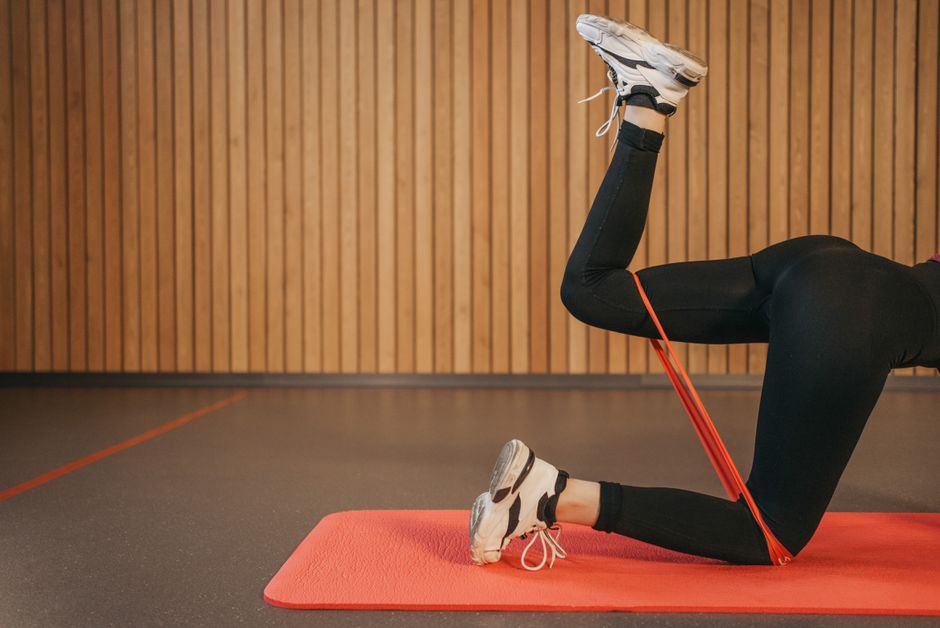
Your legs do far more than carry you from room to room. The quadriceps, hamstrings, glutes, and calves work together to absorb impact when you walk, stabilize your pelvis, and protect your knees and hips over the long term. Research published through the National Institute on Aging notes that lower-body strength is one of the key predictors of fall prevention and independent movement as people age.
Building leg strength also supports walking endurance. If you want to walk longer or enjoy the mood and digestive benefits of consistent movement (more on that in Outdoor Walking vs. Gym Strength Training for Sustainable Fat Loss and Mood: An Honest Comparison for Beginners), stronger legs mean less effort per stride and less fatigue at the end.
Even for beginners, these drills are accessible. If you have a joint condition, recent surgery, or significant pain with movement, check with a qualified healthcare professional before starting.
The Five Drills, Explained
1. Wall Sit (Isometric Quad Builder)
Stand with your back flat against a wall and slide down until your thighs are roughly parallel to the floor, knees over ankles. Hold for 20 to 30 seconds.
Beginner modification: Only lower until you feel mild effort in the thighs, even if that is a shallow bend.
Harder variation: Hold for 45 to 60 seconds, or hover one foot slightly off the floor to shift more load to one leg.
Wall sits build the sustained quad endurance that stair climbing demands. They are also low-impact and joint-friendly when performed at the right depth for your body.
2. Bodyweight Squat (Full-Range Hip and Quad Strength)
Stand with feet shoulder-width apart, toes turned out slightly. Lower your hips back and down as though sitting into a chair, keeping your chest up and weight through your heels. Return to standing. Aim for 8 to 12 repetitions.
Beginner modification: Squat to a sturdy chair or couch so you touch and rise. This trains the movement pattern with built-in depth control.
Harder variation: Pause for two seconds at the bottom of each squat, or slow the lowering phase to four counts.
3. Step-Up (Functional Stair Power)
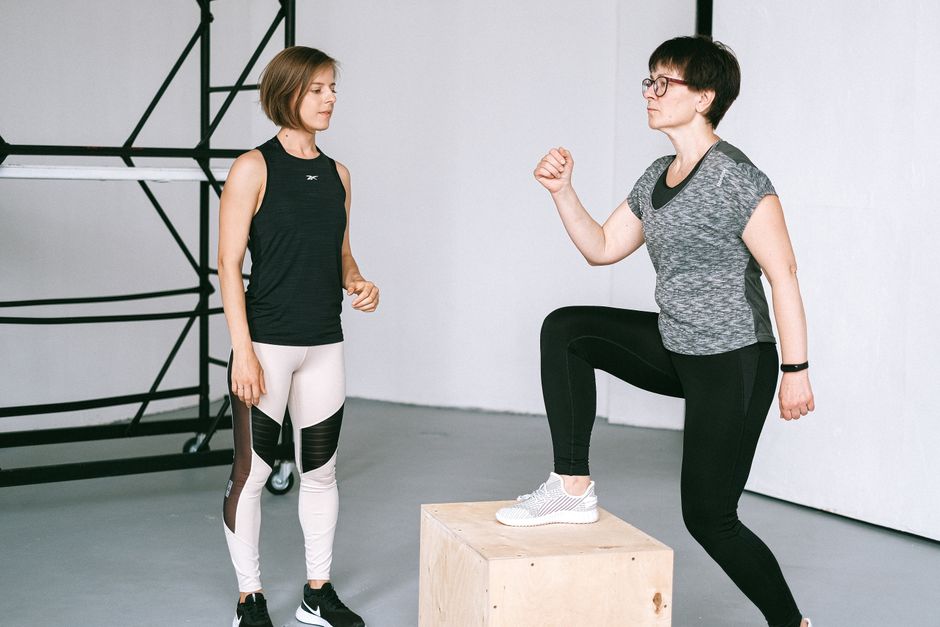
Using a bottom stair, a sturdy step stool, or a stable low box, step up with one foot, drive through that heel to stand fully on the step, then lower back down with control. Complete 8 repetitions per side.
Beginner modification: Use a lower surface or hold a doorframe lightly for balance.
Harder variation: Pause at the top for two seconds before lowering, or add a slow four-count descent.
Step-ups directly mimic stair climbing mechanics, making them one of the most transferable leg strength exercises at home for daily life. Foot stability matters here too. For more on building that foundation, see How to Build Foot Strength When Sitting All Day: Progressive Drills You Can Do at Your Desk.
4. Lateral Lunge (Hip, Adductor, and Glute Strength)
Stand tall with feet together. Step one foot wide to the side, bend that knee and sit your hips back, keeping the opposite leg straight. Push through the bent-leg heel to return. Complete 8 repetitions per side.
Beginner modification: Hold a wall or chair for balance, and only step as wide as feels comfortable.
Harder variation: Add a brief pause at the lowered position, or slow the return phase to three counts.
Lateral lunges train the side-to-side stability your body needs when stepping around obstacles, walking on uneven surfaces, or catching yourself if you stumble. They work muscles that forward-only squats tend to underload.
5. Single-Leg Balance Reach (Stability and Proprioception)
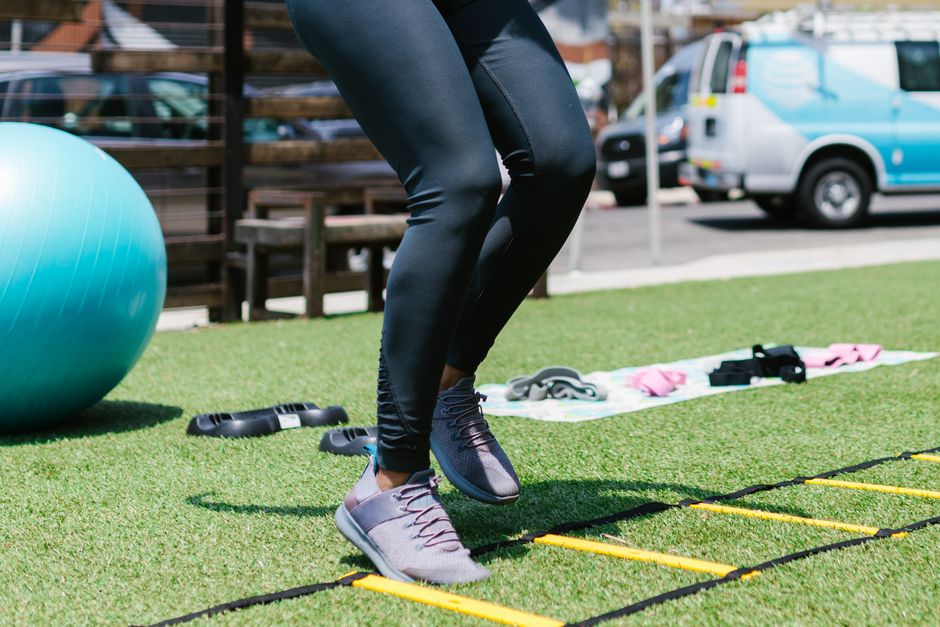
Stand on one foot with a slight knee bend. Reach the opposite foot forward, then to the side, then behind you while keeping your standing heel on the floor and torso upright. Return to center after each reach. Complete 6 to 8 reaches per direction, then switch legs.
Beginner modification: Keep one hand on a countertop. Even a fingertip of contact makes a meaningful safety difference.
Harder variation: Perform the reaches with eyes closed, or stand on a folded towel to add a mild unstable surface.
This drill builds the reactive strength that catches you when you trip. Research on balance training consistently shows it can reduce fall risk, particularly when combined with lower-body strength work (American College of Sports Medicine position statement on older adult exercise guidelines).
A Simple Four-Week Progression
Here is how to build these drills into a sustainable routine without overloading your schedule.
- Week 1: Three sessions per week. One set of each drill using beginner modifications. Rest one minute between drills.
- Week 2: Three sessions per week. Two sets of each drill at the base difficulty. Rest 45 seconds between sets.
- Week 3: Three to four sessions. Two sets of each drill, advancing one or two drills to the harder variation.
- Week 4: Four sessions. Two to three sets of each drill, using harder variations where they feel controlled. Note which drills feel easier than week one.
Muscle soreness between sessions is common and usually indicates adaptation. For guidance on telling soreness from something more serious, the Strength Training Soreness vs. Injury Pain: A Beginner’s Guide to Knowing When to Push Through or Rest guide is a practical resource.
If you find progress stalls after a month, Strength Training Plateaus at Home: Five Beginner Mistakes That Stall Progress and How to Push Past Them Without Heavy Weights can help you troubleshoot without adding equipment.
Putting It Into Practice
The most effective leg strength exercises at home are the ones you actually do consistently. Pick one drill from this list, practice it for three sessions this week, and notice how your legs feel on the stairs or during your next walk. A small, consistent habit builds real strength over time, and that strength pays dividends in every step you take.
For a broader picture of building movement confidence without gym pressure, How to Build Intuitive Strength Training Confidence When Gym Intimidation Has Kept You Home is worth bookmarking. You can also subscribe to the Clean Body Mentor newsletter for practical weekly guidance on movement, nutrition, and whole-person wellness.
This article is for general educational and informational purposes only and is not a substitute for medical advice, diagnosis, or treatment. Health needs vary by individual. Consult a qualified healthcare professional before making significant changes to your diet, exercise routine, supplements, medication, or treatment plan, especially if you have a medical condition, are pregnant or breastfeeding, take medication, or have concerns about your symptoms.
Sources
- National Institute on Aging. “Falls and Fractures in Older Adults: Causes and Prevention.” U.S. Department of Health and Human Services.
- American College of Sports Medicine. “Physical Activity Guidelines for Older Adults” (ACSM Position Stand).
- Sherrington C et al. “Exercise for preventing falls in older people living in the community.” Cochrane Database of Systematic Reviews, 2019.


