


You finish lunch feeling fine, then by 2 or 3 pm your stomach feels tight and heavy. Your first instinct might be to cut the bread, skip the beans, or eliminate dairy. Before you start eliminating whole food groups, consider a different explanation: the problem may not be what you are eating but when you eat it, in what sequence, and how much time separates your meals.
Research on digestive comfort meal timing shows that the gut responds meaningfully to both the order in which foods arrive and the intervals between meals. These factors influence gastric emptying, enzyme activity, and gas production in ways that are often overlooked when people default to food swaps.
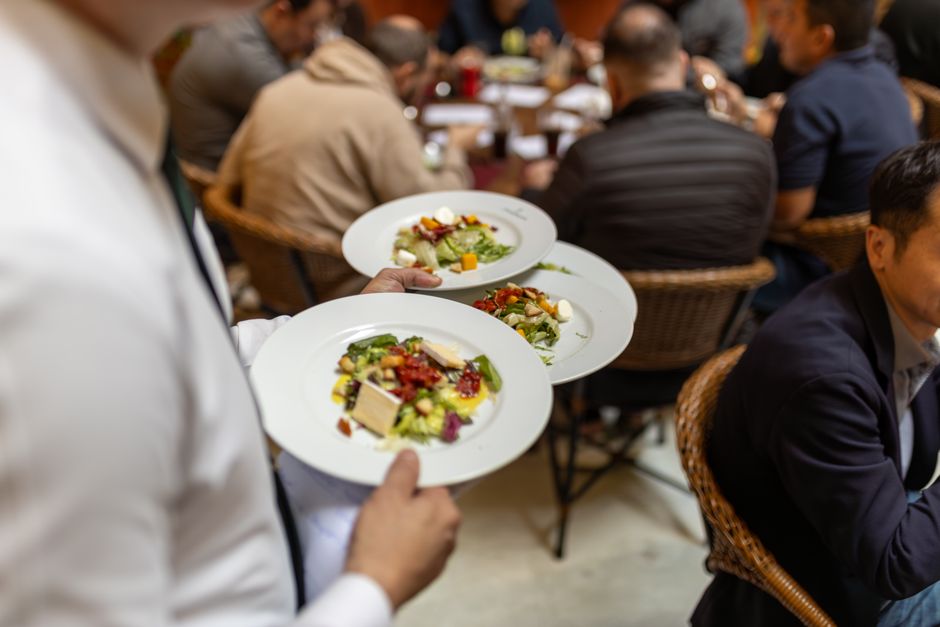
Why Eating Order Inside a Meal Actually Matters
Your stomach is not a blender that processes everything at once. It works in layers, moving food downward through the pyloric valve in a roughly first-in, first-out pattern. When dense, slow-digesting foods like refined carbohydrates or fatty proteins reach the stomach first, they can delay the transit of fiber-rich vegetables that follow. That delay creates the fermentation window where gas and bloating build.
A different sequence can reduce that window noticeably. Evidence from a small but well-designed study published in Diabetes Care (2015, Shukla et al.) found that eating protein and vegetables before carbohydrates significantly blunted post-meal blood glucose and insulin spikes compared to eating carbohydrates first. Steadier glucose also means less rapid gas production in the lower gut, which is one mechanism behind the bloating relief many people feel when they reorder their plate rather than change it.
A practical starting point: begin lunch with a few bites of whatever vegetable or protein is on your plate before moving to the starchy portion. You do not need to finish the vegetables entirely first. Even starting with two or three forkfuls of greens or chicken changes how your stomach layers the meal.
For a deeper look at how vegetable placement reshapes digestion, Digestive Comfort Through Meal Composition: Why Vegetable Order Stops Bloating Better Than Food Restriction walks through the reasoning in detail.

The Gap Between Meals: Shorter Is Not Always Better
Grazing throughout the afternoon feels like a way to keep energy steady, but it may actually be a significant driver of afternoon bloating. The gut has a built-in housekeeping cycle called the migrating motor complex (MMC), which the National Institutes of Health describes as a series of muscular contractions that sweep debris and bacteria through the small intestine during fasting periods. This cycle activates roughly 90 to 120 minutes after the stomach empties, which typically means at least three to four hours after a full meal.
When you snack every 90 minutes, you interrupt the MMC before it can complete a cycle. Partly digested food and residual gas stay in the small intestine longer, which contributes directly to the bloated feeling you notice by mid-afternoon. Giving yourself a genuine gap between lunch and your next meal or snack, even just extending it from 90 minutes to three hours, may reduce that afternoon discomfort without any change to what you actually eat.
If energy dips are your concern during that gap, Meal Timing for Stable Afternoon Energy: Why Food Order and Gaps Matter More Than Snack Calories explains how to structure meals so the gap does not leave you crashing.
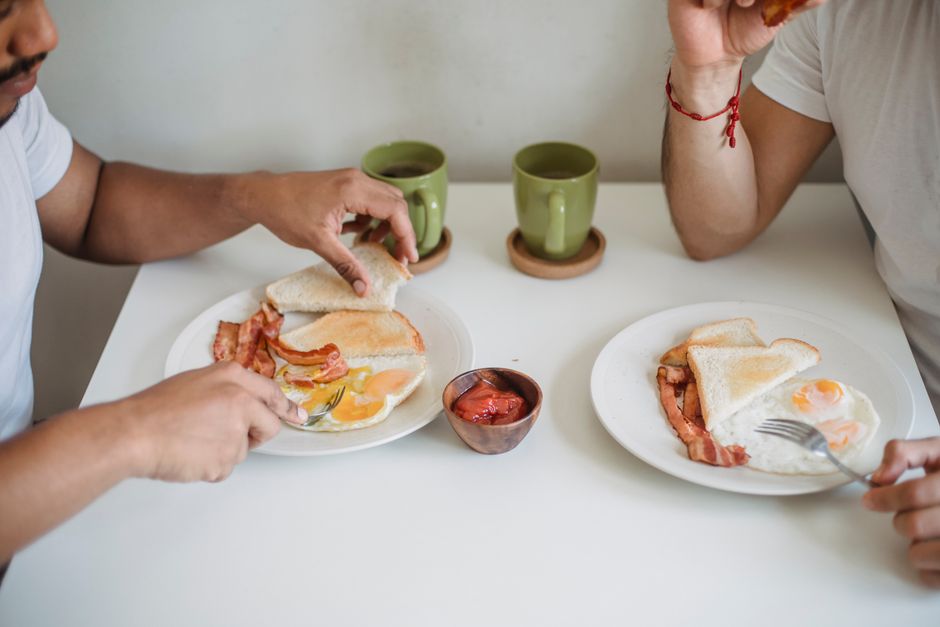
Eating Order at Breakfast Sets Up Your Whole Digestive Day
Afternoon bloating sometimes traces back further than lunch. What and how you ate in the morning shapes gastric motility for hours. A breakfast heavy in refined carbohydrates with little protein can trigger a rapid insulin response, followed by a slower second phase of digestion in the mid-morning that stacks awkwardly against an early lunch.
Beginning breakfast with a protein source, whether eggs, Greek yogurt, or a legume-based spread, before moving to toast or fruit can stabilize that early rhythm. Digestive Comfort at Breakfast: Why Eating Order Changes Bloating More Than Food Swaps covers this morning pattern in detail and is worth reading alongside this guide if your bloating tends to start before noon.

Movement Timing and the Gut: A Practical Connection
Digestion is not passive. The physical movement of walking stimulates peristalsis, the wave-like muscle contractions that push food through the intestines. A ten-to-fifteen-minute walk after lunch can meaningfully speed gastric emptying compared to sitting at a desk, according to research published in the Journal of Gastrointestinal and Liver Diseases (2008, Franke et al.).
You do not need a formal workout. A short walk around the block or even standing and doing light movement after eating reduces the stagnation that contributes to gas buildup. The timing matters: aim to move within thirty minutes of finishing a meal rather than waiting until the afternoon slump has already set in.
Digestive Comfort Through Breath and Movement Timing: Why Posture Fixes Beat Food Swaps for Afternoon Bloating pairs this movement guidance with posture and breathwork strategies that work well together.

A Simple Reordering You Can Try Today
Here is a concrete lunch routine that combines all three principles without changing any ingredients:
- Start with vegetables or protein for the first two to four bites before touching the carbohydrate portion of your meal.
- Eat at a table, sitting upright, rather than hunched over a desk. Rounded posture compresses the stomach and slows emptying.
- Take at least twenty minutes to finish your meal. Eating quickly means swallowing more air and giving digestive enzymes less time to work before the food bolus moves on.
- Wait three to four hours before your next snack or meal to allow the migrating motor complex to do its cleanup work.
- Take a short walk within thirty minutes of finishing to activate peristalsis.
None of these steps require cutting a food group, counting calories, or swapping ingredients. They require only attention to sequence and spacing.

When to Talk to a Healthcare Professional
If your bloating is severe, frequent, or accompanied by pain, changes in bowel habits, blood in stool, unintended weight loss, or persistent nausea, please consult a qualified healthcare professional. Digestive comfort meal timing strategies are helpful for everyday functional bloating, but they are not a substitute for evaluation of underlying gastrointestinal conditions.
The most realistic way to start is to pick one shift from the list above and practice it consistently for one week before adding another. Small, repeatable changes build the habits that actually stick. If you want more practical guidance delivered weekly, the Clean Body Mentor newsletter covers digestion, energy, and everyday wellness in the same grounded, nonjudgmental tone.
This article is for general educational and informational purposes only and is not a substitute for medical advice, diagnosis, or treatment. Health needs vary by individual. Consult a qualified healthcare professional before making significant changes to your diet, exercise routine, supplements, medication, or treatment plan, especially if you have a medical condition, are pregnant or breastfeeding, take medication, or have concerns about your symptoms.

Sources
- Shukla, A.P., et al. (2015). Food Order Has a Significant Impact on Postprandial Glucose and Insulin Levels. Diabetes Care, 38(7). Published by the American Diabetes Association.
- National Institutes of Health (NIH): Information on the migrating motor complex and interdigestive motility patterns. Available via the National Library of Medicine.
- Franke, A., et al. (2008). Postprandial walking but not consumption of alcoholic digestifs or coffee clears gastric contents in healthy volunteers. Journal of Gastrointestinal and Liver Diseases, 17(1).


