

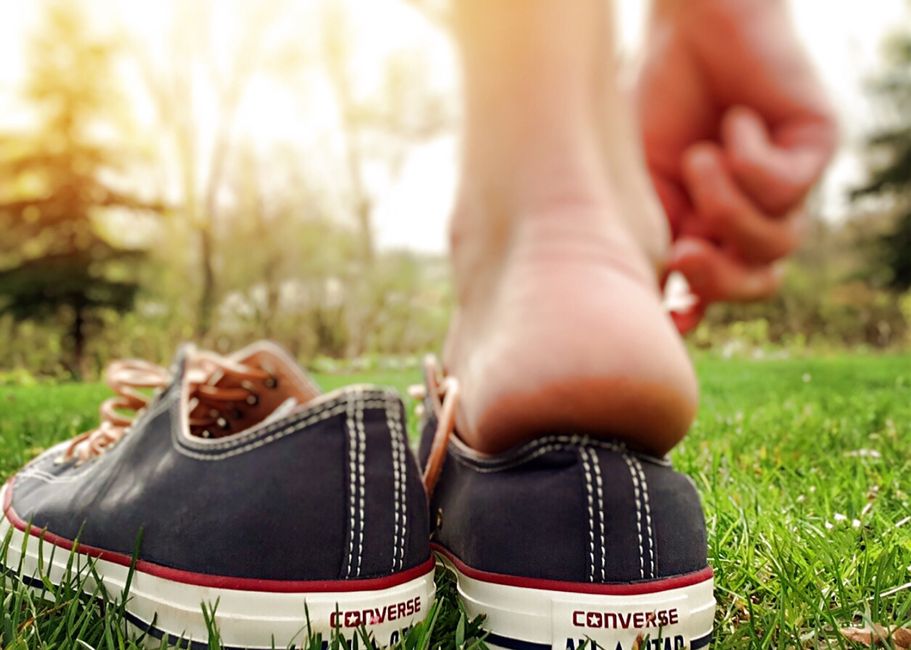
You have probably seen the debate: some runners swear by going barefoot, arguing that shoes have made our feet lazy and injury-prone. Others point to arch pain, plantar fasciitis, and stress fractures as proof that support is non-negotiable. The truth sits somewhere in the middle, and finding your spot on that spectrum depends on your foot history, current strength, and how fast you want to progress.
This comparison lays out what each approach actually builds, who tends to benefit from each, and a realistic framework for mixing both into a sustainable routine.
What Barefoot Walking Actually Does to Your Feet
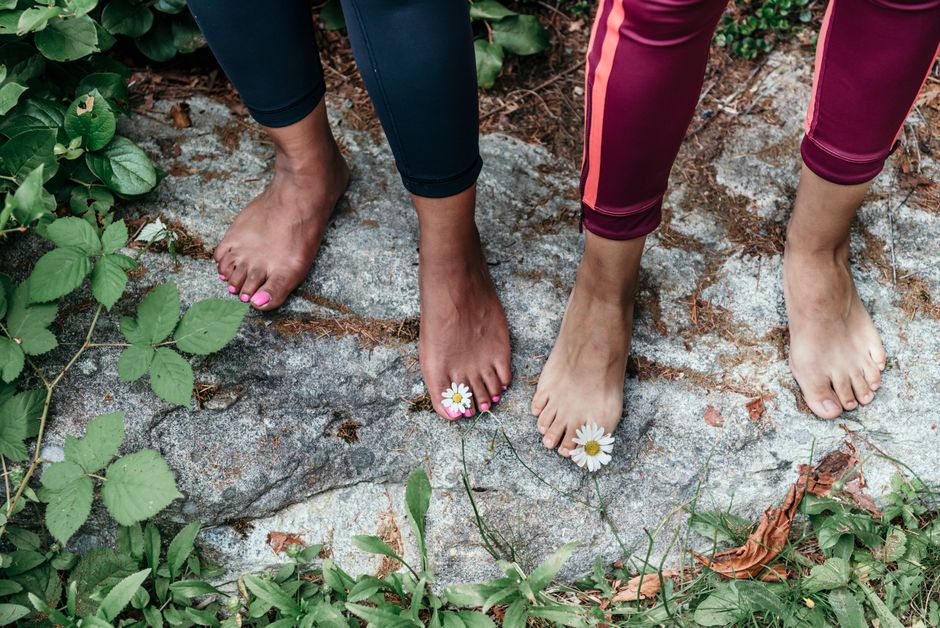
When you walk without shoes, your foot contacts the ground the way it evolved to: heel, midfoot, forefoot, and toes all share the load. The intrinsic muscles of the foot, the small muscles that cup and stiffen the arch, fire more frequently and with greater coordination than they do inside a cushioned shoe. Research published in Nature (Lieberman et al., 2010) and follow-up work from biomechanics labs suggest that barefoot movement tends to promote a lower-impact stride and stronger foot musculature over time.
Propioception also improves. The thousands of sensory receptors in your soles send richer signals to your nervous system when there is no foam buffer between skin and surface. This feedback loop helps your body micro-correct balance with every step, which is one reason trail walking on uneven ground builds better foot stability than flat pavement, even when you are wearing minimal footwear.
The catch: these benefits only accumulate if the foot muscles are already capable of handling the load. A foot that has spent years in structured shoes has, in a very real sense, offloaded work to the shoe. Stripping that support away overnight transfers stress to tendons and soft tissue that are not yet strong enough to absorb it.
What Supportive Shoes Actually Do
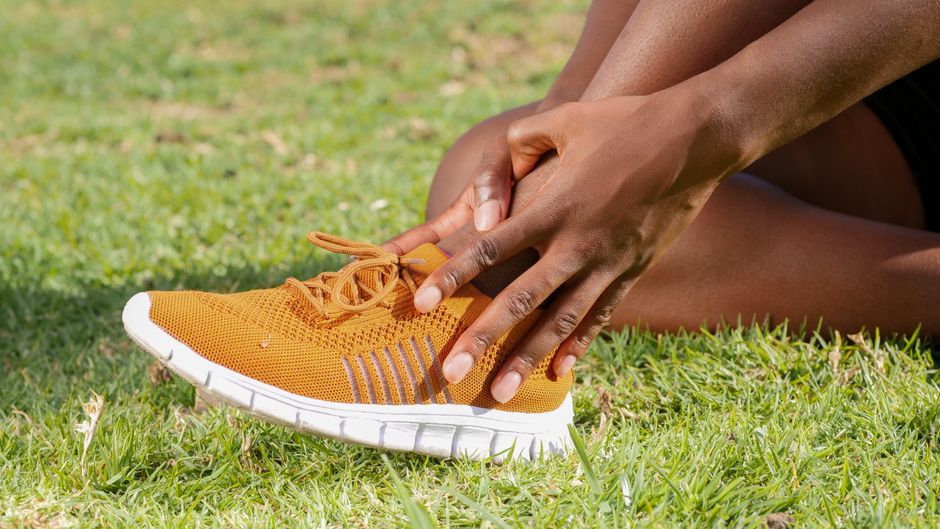
A well-fitted supportive shoe does several things at once. It limits excessive pronation (the inward roll of the ankle), cushions impact forces, and holds the heel stable. For people with flat arches, high arches, plantar fasciitis, or a recent foot or ankle injury, this external structure can reduce pain and allow continued movement while the foot heals or adapts.
Support is also protective in high-mileage situations. Someone walking 10,000 steps a day on hard pavement generates significant cumulative force. A cushioned midsole distributes that force more broadly, which may lower the risk of bone stress reactions, especially in people who are heavier, older, or returning from a long sedentary period.
The limitation of structured shoes is that they can quietly reduce the demand placed on the foot’s own muscles. Over months and years, that reduced demand can lead to weaker intrinsic foot muscles, reduced arch control, and a loss of sensory sharpness. If you have ever noticed that your feet feel stiff and tight after a long day of desk work, that pattern often reflects both prolonged compression and reduced movement variety. The guide on building foot strength when sitting all day covers targeted drills that address this pattern regardless of which shoes you prefer.
Who Tends to Benefit From Each Approach
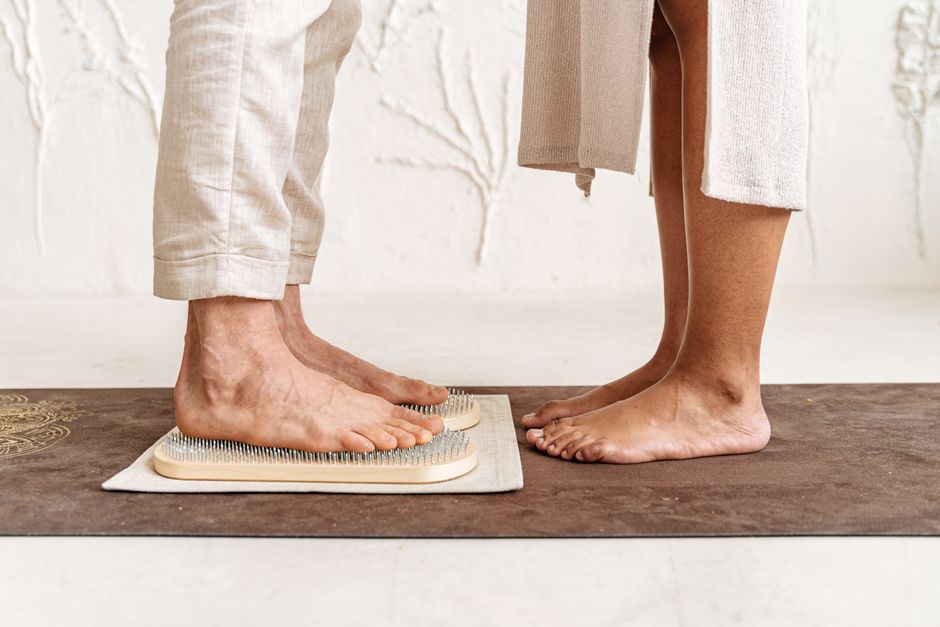
Barefoot or minimal footwear tends to suit:
- People with healthy, pain-free feet who want to build strength gradually
- Walkers moving on soft, natural surfaces such as grass, sand, or packed dirt
- Runners and walkers who already have reasonably strong foot arches and no history of chronic foot pain
- Anyone using short, intentional barefoot sessions at home as a supplement to normal walking
Supportive shoes tend to suit:
- People with diagnosed flat feet, high arches, plantar fasciitis, or tendinopathy
- Beginners returning from sedentary lifestyles whose feet have minimal conditioning
- Walkers covering long distances on hard, unforgiving surfaces like concrete
- Anyone recovering from a foot, ankle, or lower-leg injury
- Older adults whose connective tissue adapts more slowly to new loading patterns
These groups are not rigid. A person with flat feet can still work toward greater foot strength over time; they just need to do it patiently, with appropriate footwear as a baseline. A healthy foot does not need to abandon shoes entirely to get the benefits of barefoot training.
A Practical Framework for Mixing Both
The most evidence-informed approach for most people is not a binary choice. It is a graduated integration:
Step 1: Assess where you are starting. If your feet ache after 20 minutes of walking, or if you have a known structural issue, start in supportive footwear and consult a podiatrist or physical therapist before experimenting with barefoot time. If your feet feel capable, pain-free, and you want to build more strength, you can layer in barefoot practice intentionally.
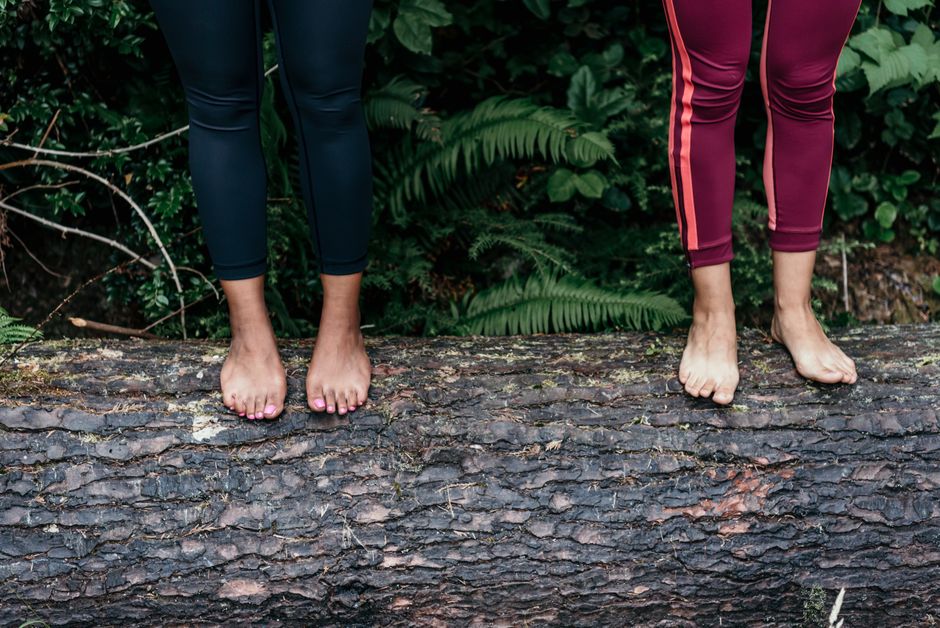
Step 2: Begin barefoot on forgiving surfaces. Indoor walking on carpet or a yoga mat, short strolls across grass, and standing barefoot during household tasks are low-risk starting points. Aim for five to ten minutes per session at first.
Step 3: Add foot-specific strengthening. Barefoot time is more effective when paired with direct foot exercises. This progressive home routine for restoring foot strength and ankle stability offers a sequence that works well alongside a gradual barefoot transition.
Step 4: Increase barefoot volume slowly. A 10 percent weekly increase in barefoot time is a reasonable guideline, similar to the way runners are advised to increase mileage. Tendons adapt more slowly than muscles, so patience here prevents the most common injuries, including plantar fasciitis and Achilles strain.
Step 5: Monitor feedback honestly. Mild muscle fatigue in the arch or toe flexors after a barefoot session is normal adaptation. Sharp heel pain, arch pain that lingers beyond 48 hours, or ankle instability are signals to pull back. If you are uncertain whether what you are feeling is normal soreness or something more concerning, the guide on knowing the difference between strength training soreness and injury pain applies the same logic to foot and lower-leg discomfort.
The Realistic Outcome When You Mix Both
Most people who transition thoughtfully report stronger arches, better balance, and reduced foot stiffness within eight to twelve weeks. You do not have to choose a permanent camp. Wearing supportive shoes for a long commute or a hike on pavement, then practicing barefoot standing and walking at home, gives your feet varied stimulus without removing protection when it is genuinely useful.
If you want to extend your barefoot work outdoors, surfaces matter significantly. Moving from flat pavement to gently varied terrain like a packed dirt trail introduces the kind of sensory and muscular challenge that flat surfaces do not. The comparison of trail walking versus flat pavement for foot stability goes deeper on why surface variety may deliver more foot-strengthening benefit than footwear choice alone.
Choose one small step today: walk barefoot on a soft surface for five minutes after your next shower, or try the first exercise from the foot-strength routine linked above. Consistency with a small action will build more durable results than any dramatic overhaul. If you want more practical movement guidance delivered weekly, the Clean Body Mentor newsletter is a good place to stay connected.
This article is for general educational and informational purposes only and is not a substitute for medical advice, diagnosis, or treatment. Health needs vary by individual. Consult a qualified healthcare professional before making significant changes to your diet, exercise routine, supplements, medication, or treatment plan, especially if you have a medical condition, are pregnant or breastfeeding, take medication, or have concerns about your symptoms.

Sources
- Lieberman, D. E., et al. (2010). Foot strike patterns and collision forces in habitually barefoot versus shod runners. Nature, 463, 531-535. (nature.com)
- American Podiatric Medical Association: position statements on barefoot running and footwear (apma.org)
- Taddei, U. T., et al. (2020). Barefoot running and foot strengthening: a 12-week trial. Journal of Athletic Training (referenced via PubMed)
- Harvard University Skeletal Biology Lab, research on foot strike biomechanics (skeletal.fas.harvard.edu)


