


You eat the same lunch every day. Some afternoons your stomach feels fine. Other times you are uncomfortable, gassy, and swollen before you even finish eating. If food choices were the main variable, the results would be consistent. Often they are not, because what changes day to day is not the food itself but how you are sitting and breathing when you eat it.
The connection between digestive bloating, posture, and breathing is well-supported but rarely discussed in practical terms. This guide explains the mechanism and gives you simple, immediate adjustments you can make at your desk or dining table starting today.
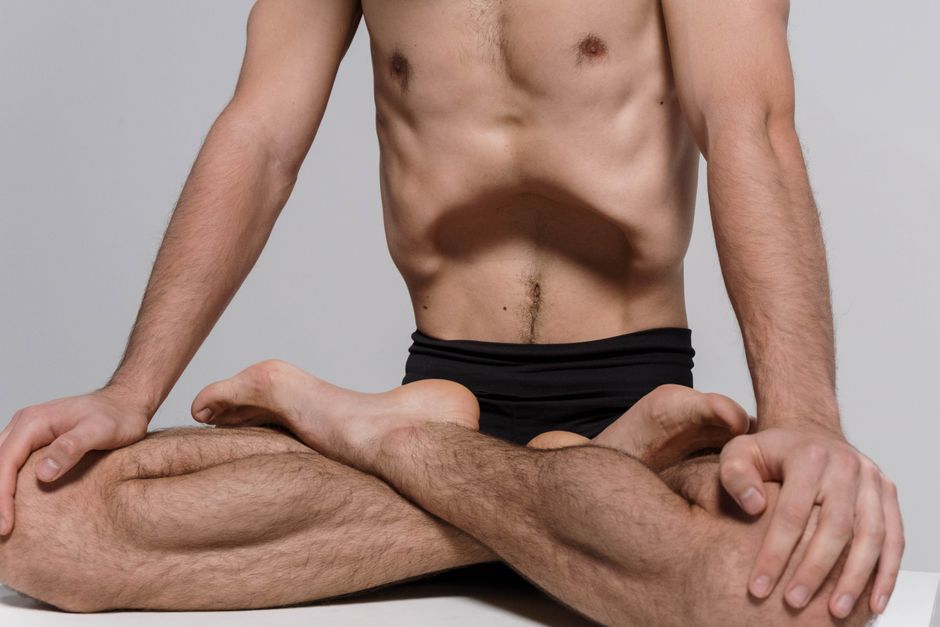
Why Shallow Breathing Disrupts Digestion
Your diaphragm does two jobs simultaneously. It drives your breathing, and it sits directly on top of your stomach and large intestine. Every full breath you take creates a gentle massaging motion on the digestive organs beneath it. Research published through the National Institutes of Health has described the diaphragm as a pressure-regulation system that influences intra-abdominal pressure and the function of the lower esophageal sphincter, the valve that keeps stomach contents from refluxing upward.
When you breathe shallowly, using only the upper chest, that massaging rhythm stops. Digestive motility, the natural wave-like movement that moves food through your gut, slows down. Gas becomes trapped rather than moving forward. The result is the familiar afternoon bloat that most people blame on their meal.
Slow, diaphragmatic breathing is also linked to activation of the parasympathetic nervous system, sometimes called the rest-and-digest state. Your body produces digestive enzymes and stomach acid most efficiently when it is calm. Chest-only breathing keeps your nervous system slightly elevated, which research suggests can reduce digestive secretions and slow gastric emptying. You can read more about how stress and breathing patterns interact with gut function in this related guide on how digestive bloating worsens on stressful days and what to eat when your gut feels stuck.

How Rounded Posture Compresses the Digestive Tract
Now layer posture on top of breathing. When you slouch, whether over a laptop, a phone, or a dining table, your ribcage drops toward your pelvis. That compression physically shortens the space available to your stomach and intestines. A slouched position increases intra-abdominal pressure in an unhelpful way, restricting the stomach’s ability to expand and process food efficiently.
A 2019 study in the Journal of Neurogastroenterology and Motility found that body position measurably affects gastric motility and the rate at which the stomach empties. Upright positions supported faster, more comfortable digestion compared to slumped ones.
The combination of compressed organs and shallow breathing creates a double problem. Your gut has less room to work, and the diaphragmatic pump that normally supports peristalsis is barely functioning. For a closer look at what happens to posture during meals specifically, this guide on why your posture collapses during meals and how sitting upright changes your digestion breaks it down step by step.
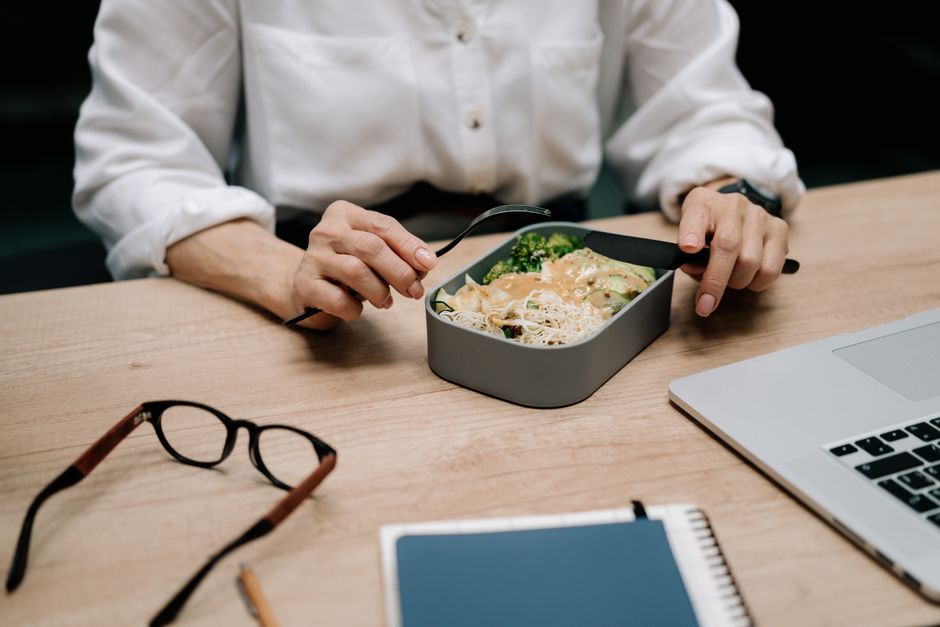
Practical Adjustments for Desk Meals
If you eat at a desk, these changes take under a minute to implement.
Before you start eating:
- Sit back in your chair so your lower back contacts the backrest. Avoid perching on the edge of the seat.
- Raise your monitor so your chin is roughly parallel to the floor. A forward head position pulls the thoracic spine into flexion and collapses your ribcage.
- Place both feet flat on the floor. Crossed legs tilt the pelvis and reduce lumbar support.
- Take three slow belly breaths before your first bite. Inhale so your abdomen expands outward, not just your chest. This activates the parasympathetic state and primes digestive secretions.
During the meal:
- Every few bites, consciously check that your shoulders have not crept toward your ears and your chest has not caved inward.
- Breathe through your nose rather than your mouth. Mouth breathing during meals increases the amount of air you swallow, which directly contributes to bloating.
- Pause mid-meal for one diaphragmatic breath if you notice tension building in your abdomen.
If rounded shoulders are already a habit, these desk stretches for reversing rounded posture can help restore range of motion over time so upright sitting becomes easier and less effortful.

Practical Adjustments for Dining Table Meals
A dining table gives you more flexibility, but the same principles apply.
- Choose a chair that supports your lower back. Avoid low sofas or bucket chairs for meals.
- Keep the table at elbow height. When a table is too low, you round forward to reach your plate. Elevate the plate on a small board if needed.
- Face forward rather than angling toward a TV or phone. Rotation during eating adds unnecessary torso tension.
- After eating, resist the urge to immediately recline. Staying upright for at least 20 to 30 minutes supports gastric emptying. A short, gentle walk after a meal is one of the most research-backed strategies for reducing post-meal bloating, as explained in this guide on why digestive comfort improves on outdoor walking days.
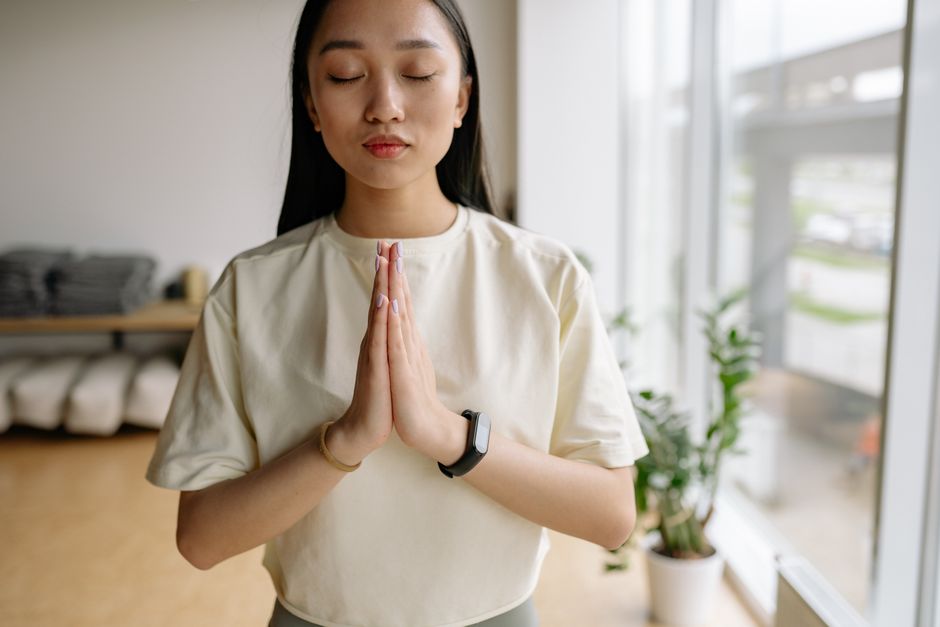
A Simple Breathing Reset You Can Use Anytime
If you already feel bloated and uncomfortable, this three-minute breathing sequence may provide some relief by gently stimulating digestive motility.
- Sit upright or stand. Avoid lying flat immediately after eating.
- Inhale slowly through your nose for a count of four, directing the breath toward your lower belly so your abdomen rises.
- Hold gently for two counts.
- Exhale through pursed lips for a count of six, letting your abdomen fall.
- Repeat eight to ten times.
This pattern activates the vagus nerve and the parasympathetic response, which can ease digestive discomfort without any food changes. For a fuller explanation of how breathwork compares to food swaps for afternoon relief, see this guide on digestive bloating, posture, and breathwork.
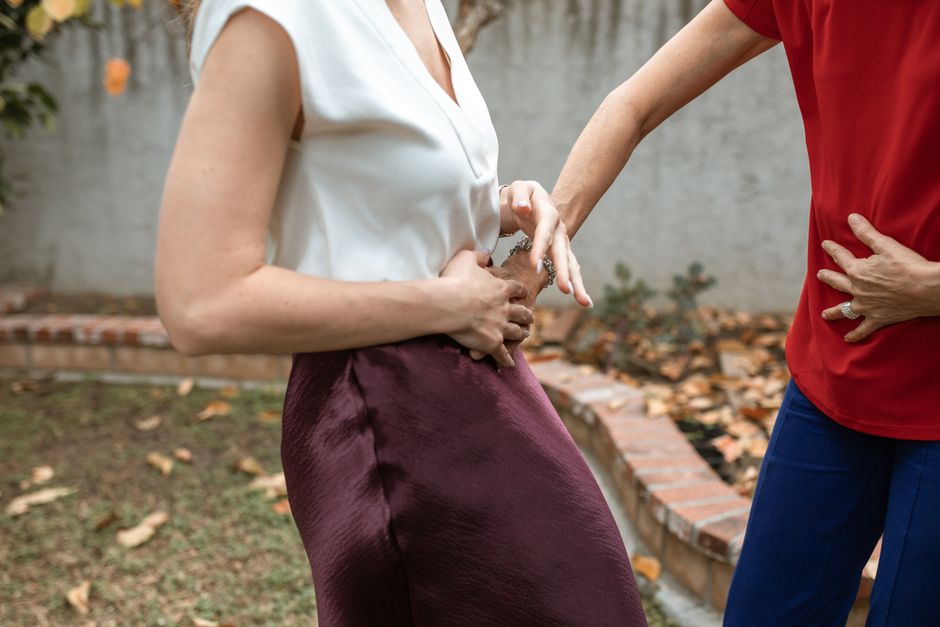
When Bloating Points to Something Else
Posture and breathing adjustments are meaningful tools, but they address mechanical contributors to bloating. If you experience persistent, severe, or worsening bloating, bloating accompanied by pain, blood in stool, unexplained weight changes, or other concerning symptoms, speak with a qualified healthcare professional. These habits complement good medical care; they do not replace it.
For readers who suspect food choices are also playing a role, five reasons you feel bloated after healthy meals covers common dietary patterns worth reviewing alongside these posture changes.

Your One Starting Point
Choose a single habit from this article and practice it consistently before expanding further. A realistic first step: sit fully back in your chair and take three slow belly breaths before your next meal. That alone shifts your nervous system toward the digestive state your body needs.
If you want more practical, evidence-informed guidance delivered weekly, consider joining the Clean Body Mentor newsletter for sustainable wellness strategies without extremes.
This article is for general educational and informational purposes only and is not a substitute for medical advice, diagnosis, or treatment. Health needs vary by individual. Consult a qualified healthcare professional before making significant changes to your diet, exercise routine, supplements, medication, or treatment plan, especially if you have a medical condition, are pregnant or breastfeeding, take medication, or have concerns about your symptoms.
Sources
- Bordoni B, Zanier E. “Anatomic connections of the diaphragm: influence of respiration on the body system.” Journal of Multidisciplinary Healthcare, 2013. National Institutes of Health / PubMed.
- Keet CA et al. Body position and gastric motility referenced via Journal of Neurogastroenterology and Motility, 2019.
- Bhatt DL et al. Parasympathetic nervous system and gastrointestinal secretion: overview from NIH-indexed literature.
- Kahrilas PJ. “Gastroesophageal reflux disease.” New England Journal of Medicine. (Lower esophageal sphincter and diaphragm pressure reference.)


