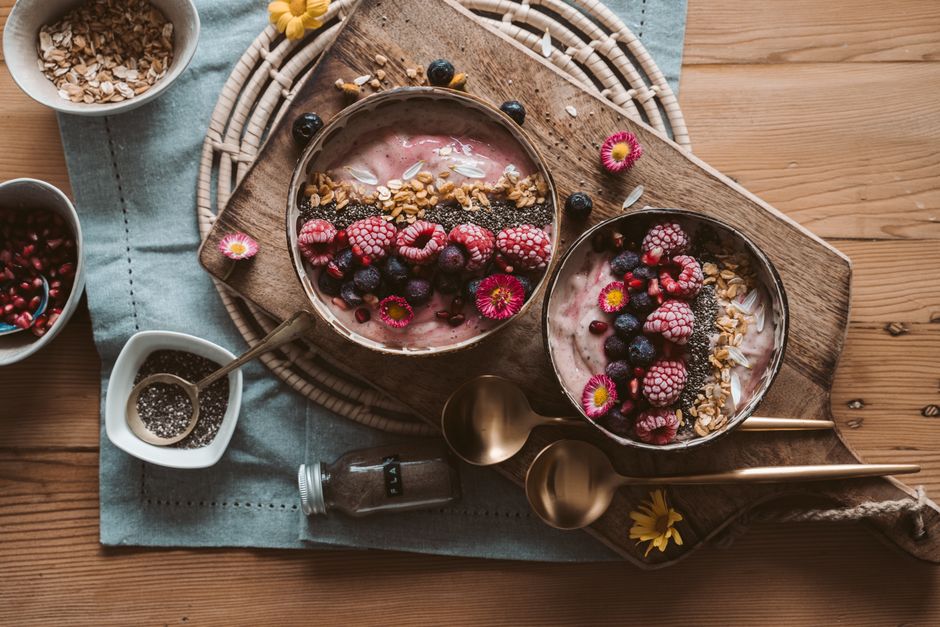
You blend the same banana, Greek yogurt, berries, and almond butter every morning. Some days you drink it straight from the jar; other days you pour it thick into a bowl, add granola, and eat it with a spoon. The calories are nearly identical. But by 10am on smoothie-jar days you are rummaging for a snack, while on bowl days you coast to lunch without a second thought.
That difference is real, and the science behind it is more practical than you might expect. This smoothie bowl satiety comparison breaks down the actual mechanisms involved so you can make a deliberate choice based on your schedule, hunger patterns, and goals.
The Identical-Nutrient Problem
Before getting into texture, it helps to confirm what is not the issue. If you use the same fruit, protein source, fat, and liquid in both formats, the macronutrient and calorie profiles are essentially the same. The bowl version may have slightly more volume and calories from toppings like granola or seeds, but that alone does not explain a two-hour difference in fullness.
What does explain it is a combination of three interacting factors: oral processing time, eating speed, and the physical signals your digestive system sends to your brain.
How Texture Changes Your Body’s Fullness Signals
When you chew, your jaw muscles send mechanical feedback to the brain. Research published in the journal Appetite (Cassady et al., 2012) found that solid and semi-solid foods required more oral processing time than matched liquid versions, and participants rated the solid form as more filling even at equal energy content. Chewing also slows the pace at which food leaves your mouth and enters your stomach, giving gut hormones more time to rise.
Ghrelin (the hunger hormone) starts dropping as you eat, while peptide YY and GLP-1 (satiety hormones) climb. The slower you eat, the more time those hormones have to reach the brain before you finish. A drinkable smoothie can be consumed in under two minutes. A thick bowl with toppings typically takes eight to twelve minutes. That timing gap is where the satiety difference lives.
This is also why smoothie ingredients that keep you full matter, but only up to a point. Even the most fiber-rich, protein-packed drinkable smoothie is working against a speed disadvantage.
Drinkable Smoothies: Where They Win and Where They Fall Short
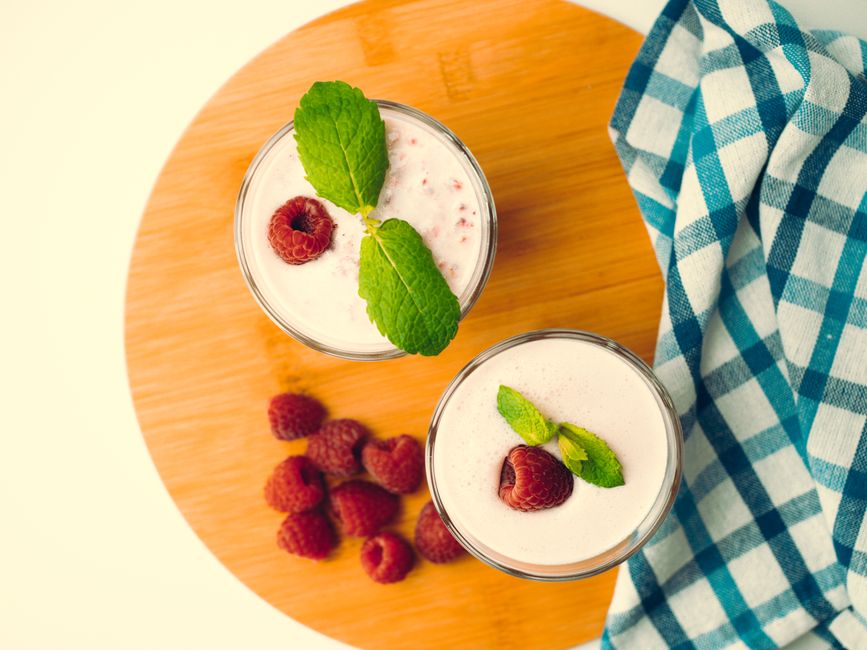
Where they work well: Drinkable smoothies are excellent post-workout recovery options because liquid nutrition absorbs quickly. They are also a practical choice on mornings when you genuinely have five minutes and nothing else. If your goal is calorie-controlled fat loss and you pair the smoothie with a protein source that slows digestion (such as Greek yogurt, hemp seeds, or a casein-based powder), you can narrow the satiety gap noticeably.
Where they fall short: Speed is the core issue. When hunger returns at 9:30am after a drinkable breakfast, it is rarely a nutrient deficiency. It is almost always a pace problem. Five unexpected reasons your breakfast leaves you hungry by 9am covers this pattern in more detail, including how liquid breakfasts interact with cortisol and blood sugar in the early morning window.
Beginner modification: If you prefer the convenience of a drinkable smoothie, try making it thicker (less liquid, more frozen fruit or avocado) and drink it with a wide straw to slow intake. Sipping deliberately over ten minutes closes much of the satiety gap.
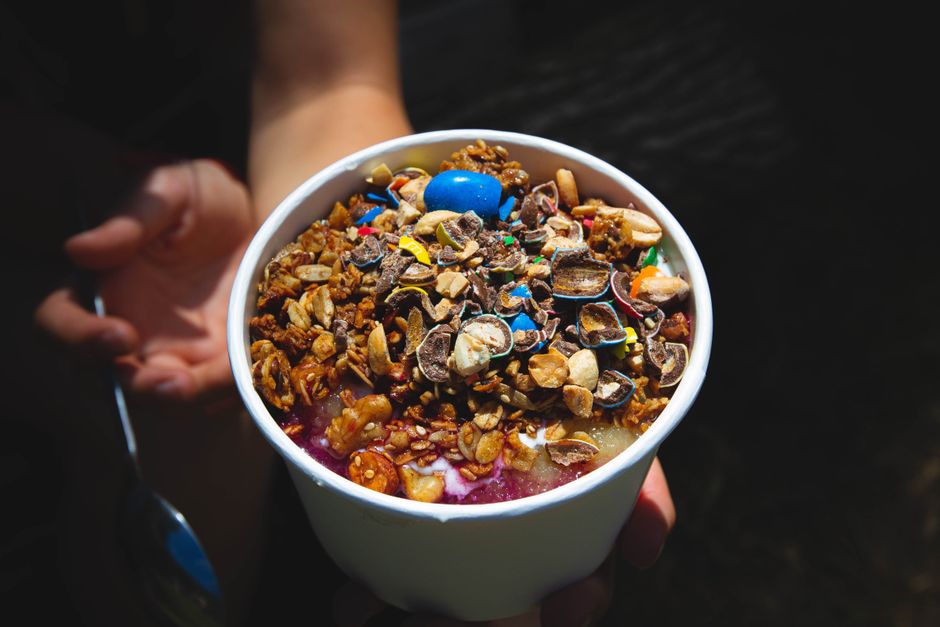
Smoothie Bowls: Where They Win and Where They Go Wrong
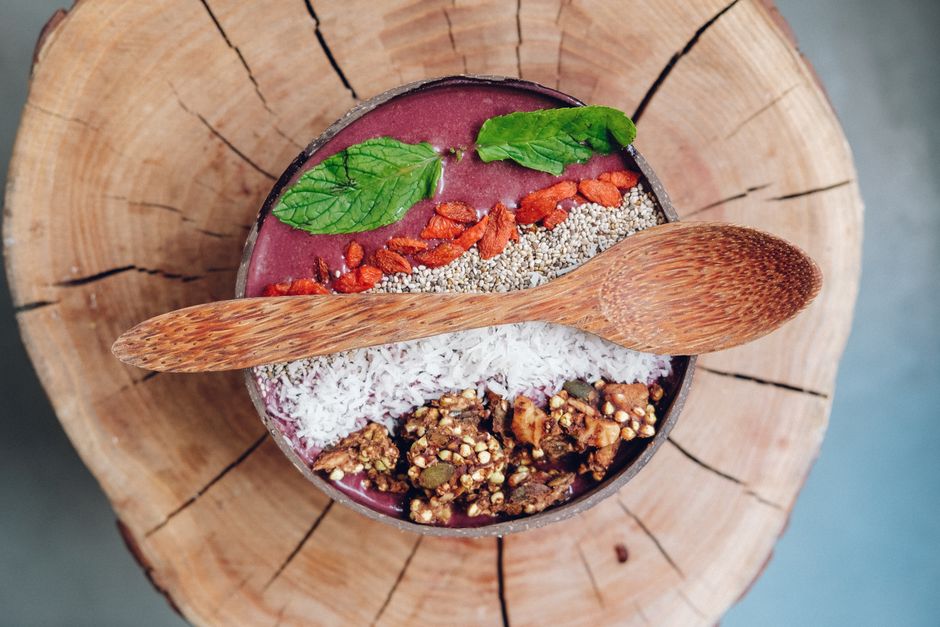
Where they work well: The bowl format forces slower eating by design. Toppings like chia seeds, sliced almonds, coconut flakes, and granola add texture variety that keeps you engaged with the food. Each spoonful requires a small amount of chewing, extending the oral processing time that feeds back into your satiety signaling. For readers focused on sustainable weight management, eating slowly without restriction is one of the most consistent findings in behavioral nutrition research (Andrade et al., American Journal of Clinical Nutrition, 2008).
The bowl format also tends to feel more like a meal, which matters psychologically. Perceiving food as a proper meal rather than a drink may enhance satiety independent of nutrient content, a concept sometimes called “meal framing” in appetite research.
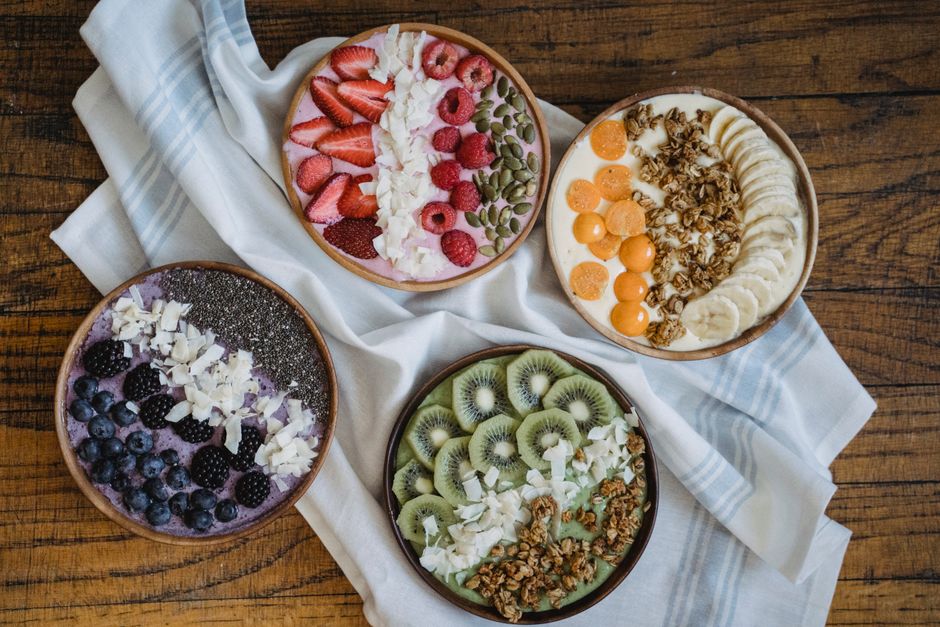
Where they go wrong: Toppings accumulate calories quickly. A quarter cup of granola adds roughly 100 to 130 calories, and most people pour more than that. If fat loss is part of your goal, portion awareness on toppings is worth a look. Aim for two or three toppings maximum, keep granola to two to three tablespoons, and lean on lower-calorie texture providers like fresh berries, cucumber ribbons, or a light sprinkle of hemp seeds.
For deeper guidance on building a filling bowl format that manages afternoon energy, building a high-protein lunch bowl that keeps you full until 6pm applies many of the same layering principles to savory meals.
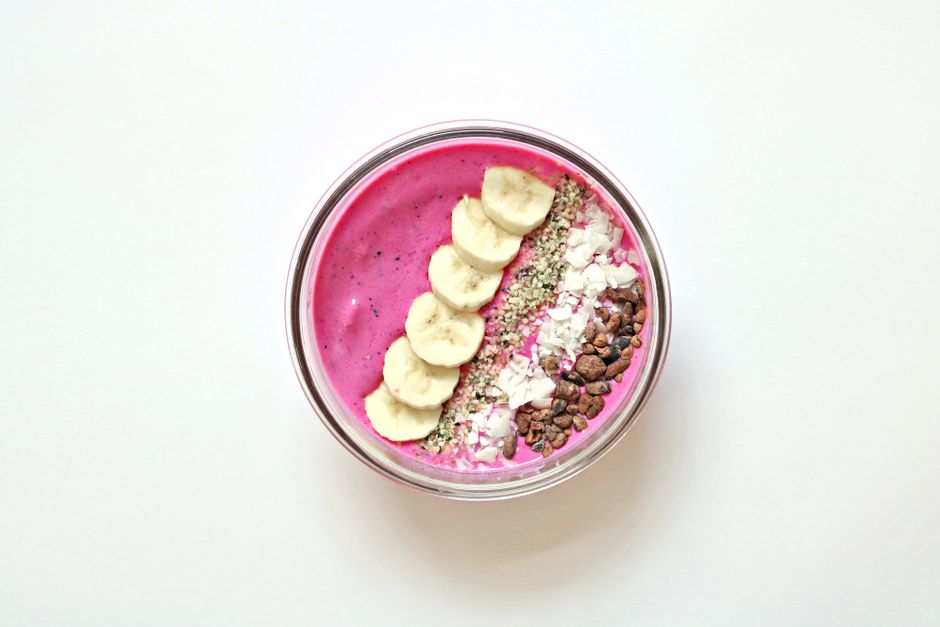
Side-by-Side: Practical Swaps for Each Format
| Goal | Drinkable Smoothie Swap | Smoothie Bowl Swap |
|---|---|---|
| Longer fullness | Add 1 tbsp chia or flaxseed; drink over 10 min | Use two to three crunchy toppings; eat without distractions |
| Less added sugar | Skip honey; use frozen banana for sweetness | Limit granola; use unsweetened coconut flakes |
| Higher protein | Add Greek yogurt or hemp seeds | Top with a soft-boiled egg or cottage cheese dollop |
| Lighter for hot days | Use coconut water base; keep it cold | Use frozen cauliflower in the base to lower sugar without changing volume |
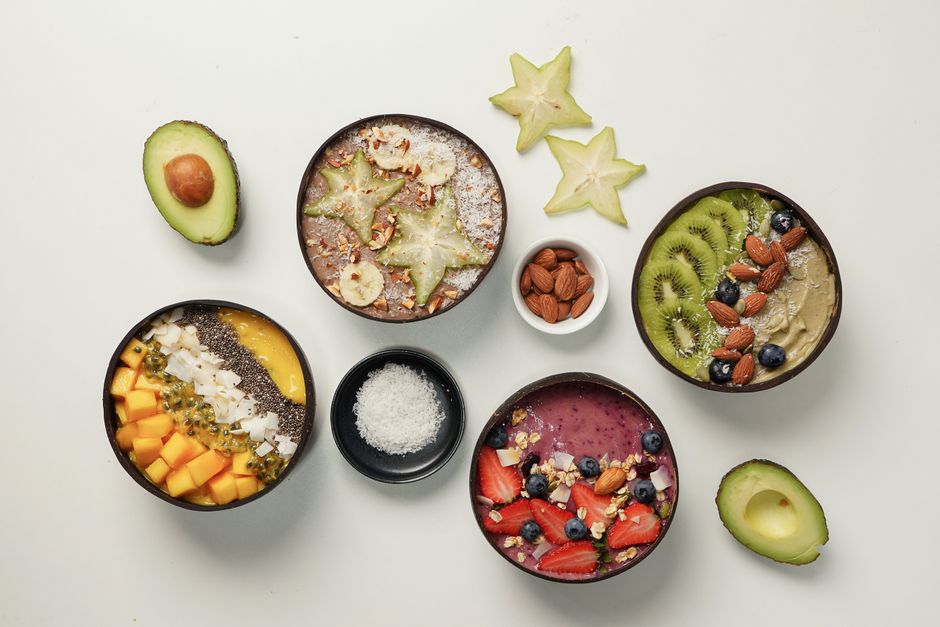
Which Format Should You Actually Choose?
The honest answer is: it depends on your morning. If you have ten minutes and want to stay full past 11am, the bowl wins on satiety almost every time. If you have three minutes and need to eat at all, the drinkable smoothie beats skipping breakfast entirely.
The bigger takeaway from this smoothie bowl satiety comparison is that structure shapes hunger more than most people realize. Slowing down, chewing more, and treating your breakfast as a seated moment rather than a commute activity may make more difference than changing any single ingredient. For more on how ingredient choices interact with texture and timing, smoothie satiety secrets on ingredient order and timing is worth reading alongside this one.
Choose one small shift this week: either slow down your drinkable smoothie by five minutes, or try one bowl morning with two crunchy toppings and notice how you feel at 10:30am. Small, consistent experiments like that are how lasting eating habits actually form.
This article is for general educational and informational purposes only and is not a substitute for medical advice, diagnosis, or treatment. Health needs vary by individual. Consult a qualified healthcare professional before making significant changes to your diet, exercise routine, supplements, medication, or treatment plan, especially if you have a medical condition, are pregnant or breastfeeding, take medication, or have concerns about your symptoms.
Sources
- Cassady, B.A., et al. “Mastication of almonds: effects of lipid bioaccessibility, appetite, and hormone response.” Appetite, 2012. (Referenced for oral processing and fullness signaling.)
- Andrade, A.M., et al. “Eating slowly led to decreases in energy intake within meals in healthy women.” American Journal of Clinical Nutrition, 2008.
- Holt, S.H., et al. “A satiety index of common foods.” European Journal of Clinical Nutrition, 1995. (Background on food form and fullness.)
- U.S. Department of Agriculture FoodData Central: nutrient data references for common smoothie ingredients.