


You trained hard yesterday, and today is a rest day. By mid-afternoon, you feel strangely heavy, bloated, and a little off, even though you ate roughly the same meals you always do. The food did not change, but something in your body clearly did.
This is one of the most overlooked experiences in everyday wellness: digestive wellness on rest days looks and feels different from digestion on active days, and the gap between the two can cause real discomfort if you do not account for it. The good news is that the fix does not require skipping meals, cutting food groups, or eating less overall. It mostly requires paying attention to how your gut works when your body slows down.
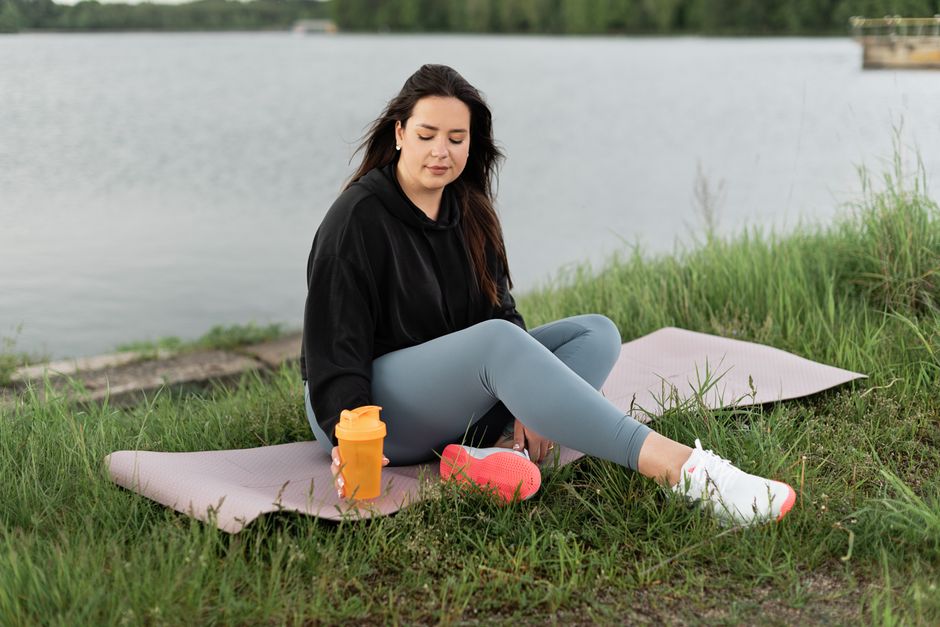
Why Digestion Changes When You Stop Moving
Physical activity directly stimulates gut motility, the wave-like muscle contractions that move food through your digestive tract. Research published by the NIH’s National Institute of Diabetes and Digestive and Kidney Diseases confirms that movement accelerates gastric emptying and transit time through the colon. When you remove that movement stimulus on a rest day, food can sit longer, gas builds more easily, and that bloated, sluggish feeling follows.
Your calorie needs also shift slightly downward on low-activity days, though the difference for most people is smaller than they assume (often 200-400 calories depending on training intensity). Your hunger hormones do not always reflect this shift in real time, so you may feel just as hungry as a hard training day and eat accordingly, creating a bigger digestive load than your quieter gut is ready to handle.
For a deeper look at how activity directly affects transit time, Why Your Digestion Improves on Movement Days and Slows on Rest Days: The Gut-Activity Connection explains the mechanics clearly.
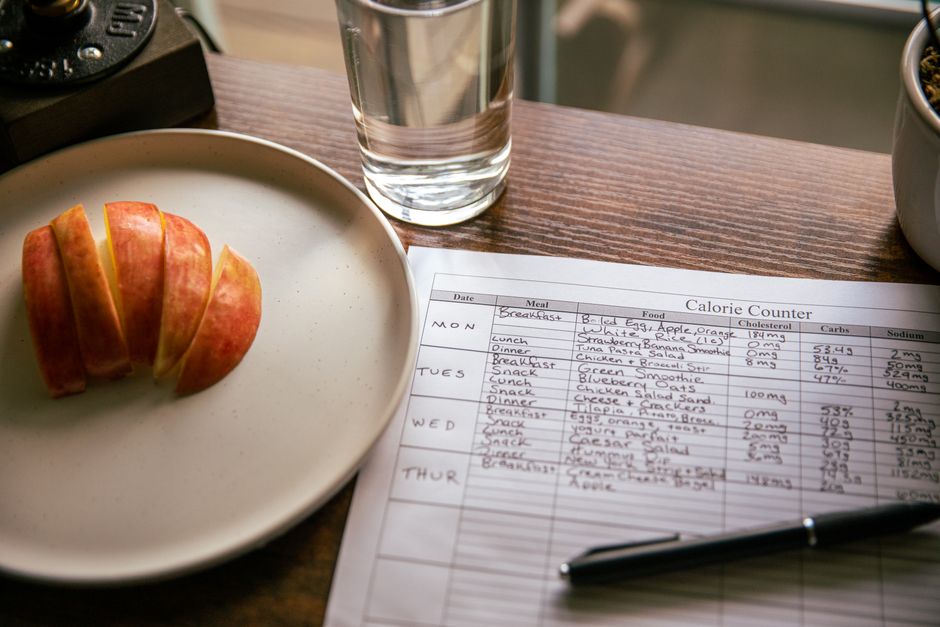
The Real Problem: Load, Not Calories
This is important to understand before changing anything: the goal of eating lighter on rest days is not aggressive calorie restriction. It is about reducing the digestive load, which means choosing foods and habits that your gut processes more easily when its natural movement support is reduced.
Digestive load is shaped by:
- Meal size: Large volumes stretch the stomach and slow emptying, especially without activity afterward.
- Fat content: High-fat meals take significantly longer to digest than carbohydrate or lean protein meals.
- Fiber density: Insoluble fiber from raw vegetables and legumes is valuable, but large quantities in one sitting can increase fermentation and gas when transit is already slower.
- Eating speed: Fast eating introduces extra air and makes it harder for your body to read fullness cues. Digestive Bloating From Rushed Meals: Why Chewing Speed and Pause Breaks Matter More Than Food Swaps makes the case for slowing down as a practical first move.

A Practical Framework for Rest-Day Eating
Think of this as adjusting texture and timing, not restricting food. You are not eating less so much as you are eating in a way that fits how your gut is functioning that day.
1. Shift Toward Cooked and Warm Foods
Cooked vegetables, soups, grain bowls with steamed greens, and warm proteins are generally easier on digestion than large raw salads. Heat partially breaks down fiber structure before it reaches your gut, reducing the fermentation workload. A simple broth-based soup with soft vegetables and a small portion of cooked grains can feel genuinely satisfying while keeping your gut comfortable.
2. Distribute Your Meals More Evenly
On training days, you might eat a larger post-workout meal because your body is actively processing fuel. On rest days, that same large portion can feel heavy. Spreading calories across three moderate meals, and a small snack if genuinely hungry, keeps digestive load manageable at any one point in the day.
3. Choose Lean or Moderate-Fat Proteins
You still need protein on rest days for muscle repair and satiety. Eggs, Greek yogurt, fish, chicken, or legumes all provide solid protein without the prolonged fat digestion that comes from heavier meat dishes or high-fat sauces. Pairing a moderate protein source with easy-to-digest carbohydrates (cooked rice, roasted sweet potato, or sourdough toast) tends to feel balanced and light.
4. Watch Fiber Combinations
Fiber is a health essential, but the combination of large raw salads, legumes, and cruciferous vegetables in the same rest-day meal is often behind serious afternoon bloating. You do not need to avoid any of these foods. Instead, space them across the day or choose one higher-fiber food per meal rather than stacking several.
If bloating is a consistent issue regardless of activity level, Five Reasons You Feel Bloated After Healthy Meals (And Which Eating Habits Actually Fix It) covers the most common patterns.
5. Add Light Movement Instead of Eliminating It
Total rest does not have to mean total stillness. A 10-15 minute walk after meals meaningfully supports gastric motility even on a recovery day. This is not about burning calories. It is about giving your digestive system the gentle physical stimulus it is used to.
6. Stay Hydrated and Minimize Carbonated Drinks
Dehydration slows motility. Aim for consistent water intake through the day rather than large amounts at once. On rest days, carbonated beverages can worsen bloating because the slower transit gives those gas bubbles more time to accumulate.

What a Rest-Day Meal Day Might Look Like
Here is a simple, realistic example, not a rigid plan:
- Breakfast: Two scrambled eggs with sauteed spinach and one slice of sourdough toast. A small portion of fruit.
- Lunch: A warm grain bowl with cooked farro, roasted zucchini, chickpeas (small portion), and a tahini drizzle.
- Afternoon snack (if hungry): Greek yogurt with a small handful of berries.
- Dinner: Baked salmon or a simple lentil soup with crusty bread. Steamed broccoli or roasted carrots on the side.
This is full, satisfying, nutrient-dense eating. Nothing is restricted. The pattern just avoids stacking heavy digestive loads at one meal.

A Note on Listening to Your Body
Digestive wellness on rest days is largely a practice of paying attention without judgment. Some people digest rest days with no trouble at all, especially those with high baseline activity. Others notice the shift immediately. Individual variation is real.
If digestive discomfort persists regardless of what you eat or how active you are, that is worth discussing with a qualified healthcare professional rather than trying to troubleshoot through food choices alone.
For today: pick one adjustment from this article, whether that is slowing down at meals, shifting to warmer foods, or adding a short walk after lunch, and practice it consistently for a week. Small, sustainable changes tend to produce the most lasting comfort.
This article is for general educational and informational purposes only and is not a substitute for medical advice, diagnosis, or treatment. Health needs vary by individual. Consult a qualified healthcare professional before making significant changes to your diet, exercise routine, supplements, medication, or treatment plan, especially if you have a medical condition, are pregnant or breastfeeding, take medication, or have concerns about your symptoms.

Sources
- National Institute of Diabetes and Digestive and Kidney Diseases (NIDDK), NIH. “Your Digestive System and How It Works.” U.S. Department of Health and Human Services.
- Broussard JL and Cauter EV. “Disturbances of sleep and circadian rhythms” and related gut motility research. Cited via NIH PubMed database context.
- Peters HPF et al. “Potential benefits and hazards of physical activity and exercise on the gastrointestinal tract.” Gut (2001). BMJ Publishing Group.


