

By late winter, root vegetables that were once satisfying can start to feel heavy, bland, and expensive. The parsnips have lost their sweetness. The cabbage is limp. The potatoes cost more than they did in October. If your grocery cart feels stuck in a rut, you are not imagining it. Winter storage crops genuinely decline in flavor the longer they sit in distribution warehouses.
The good news is that spring shifts the equation entirely. A handful of vegetables hit their flavor and price peaks right now, and most of them are available at ordinary supermarkets without a farmers market membership or specialty store markup. Understanding which seasonal produce on a budget spring vegetables are worth grabbing this week can save you real money while also making your meals noticeably better.
Why Spring Vegetables Cost Less and Taste Better at the Same Time
Seasonal pricing is simple supply math. When local and regional harvests align with national distribution, the market gets flooded with fresh supply. Stores compete on price, and you benefit. Vegetables that travel shorter distances arrive fresher and require fewer preservatives or coatings to stay shelf-stable.
Flavor also peaks at harvest. Asparagus, for example, converts sugar to starch quickly after cutting, which is why asparagus shipped from far away in January tastes flat and fibrous compared to April bundles from closer growers. The same principle applies to peas, spinach, and radishes. You are not paying more to eat better; you are paying less because timing is on your side.
If you want to understand the broader year-round framework, Fruit and Vegetable Seasonality on a Budget: Why Spring Greens Cost Less Than Winter Ones and How to Shift Your Cart Year-Round lays out the full seasonal logic clearly.
The Seven Spring Vegetables Worth Buying Right Now
1. Asparagus
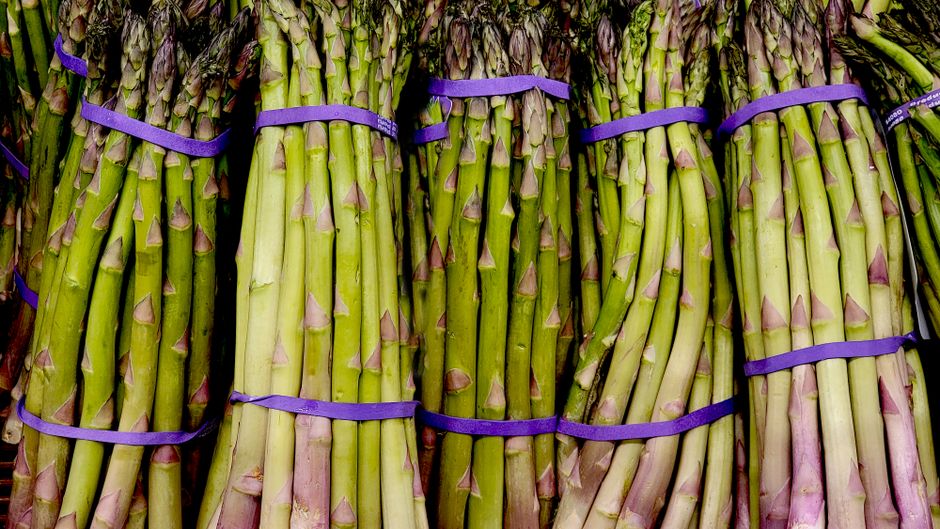
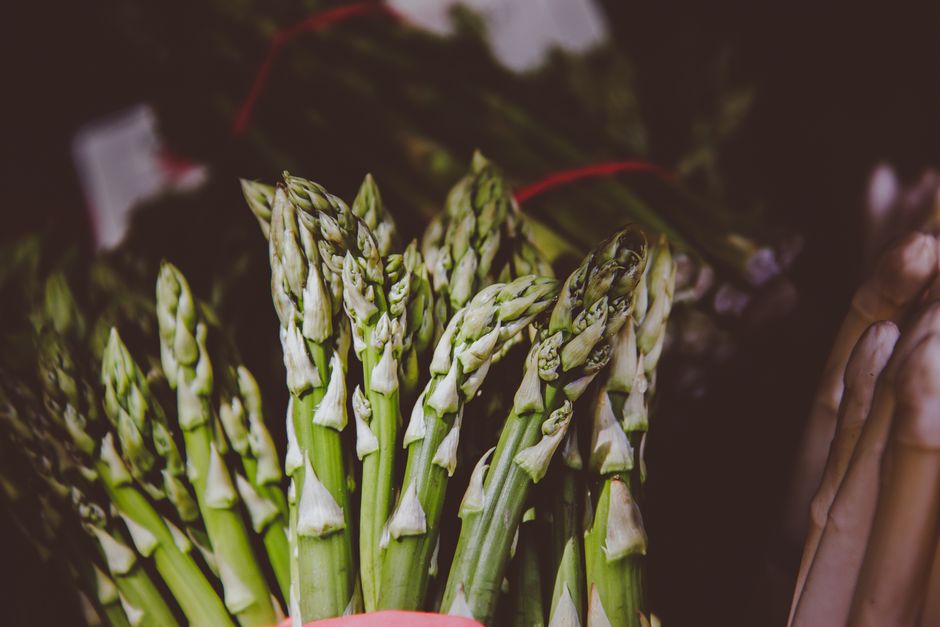
Asparagus is the clearest signal that spring produce has arrived. Prices typically drop by 30 to 50 percent between February and April as domestic harvests ramp up. Look for tight, closed tips and firm stalks. Thinner spears cook faster and work well roasted or steamed. Asparagus is also a natural source of prebiotic fiber, which research published in the journal Nutrients (2020) suggests may support gut microbiome diversity.
2. Spinach and Tender Spring Greens
Bagged spinach and mixed spring greens drop in price when regional greenhouse and field production increases. Spring spinach is noticeably milder and less bitter than winter spinach grown under stress conditions. Use it raw in salads, wilted with garlic, or blended into smoothies. If sluggish digestion has been a problem since winter, Why Your Digestion Feels Sluggish in Spring and How to Eat the New Season’s Produce to Reset It explains how these leafy greens fit into a seasonal reset.
3. Radishes
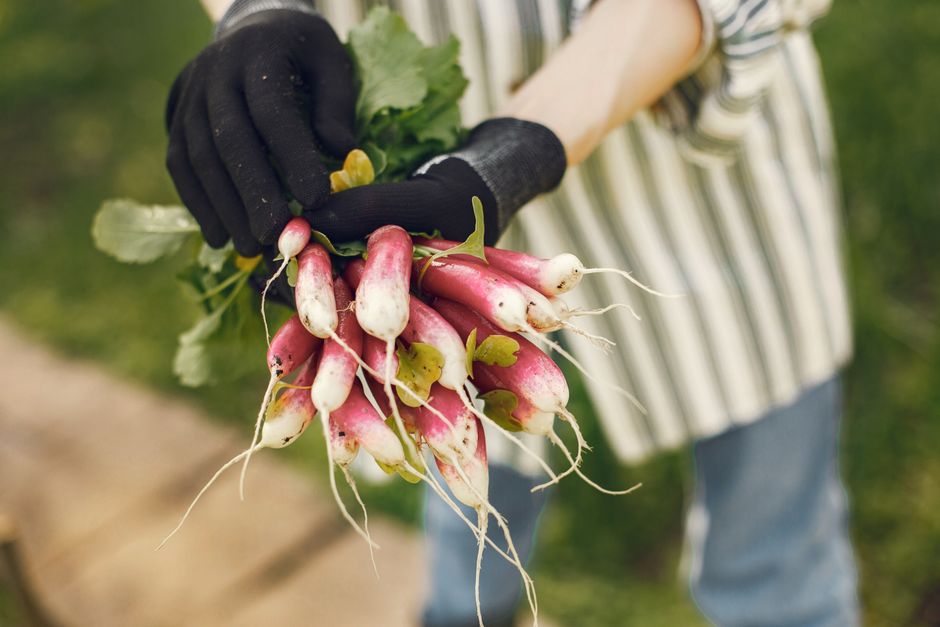
Radishes are one of the most underrated buys in spring. A bunch typically costs under two dollars and stays crisp for over a week in the refrigerator. Their sharp, peppery bite mellows significantly when roasted, which surprises most people who think they only like them raw. Sliced thin into grain bowls or tacos, they add crunch and brightness without adding much to your bill.
For more ideas like this, Five Underrated Vegetables That Cost Less in Spring and Actually Taste Better When Seasonal is worth bookmarking.
4. Peas (Fresh or Frozen)
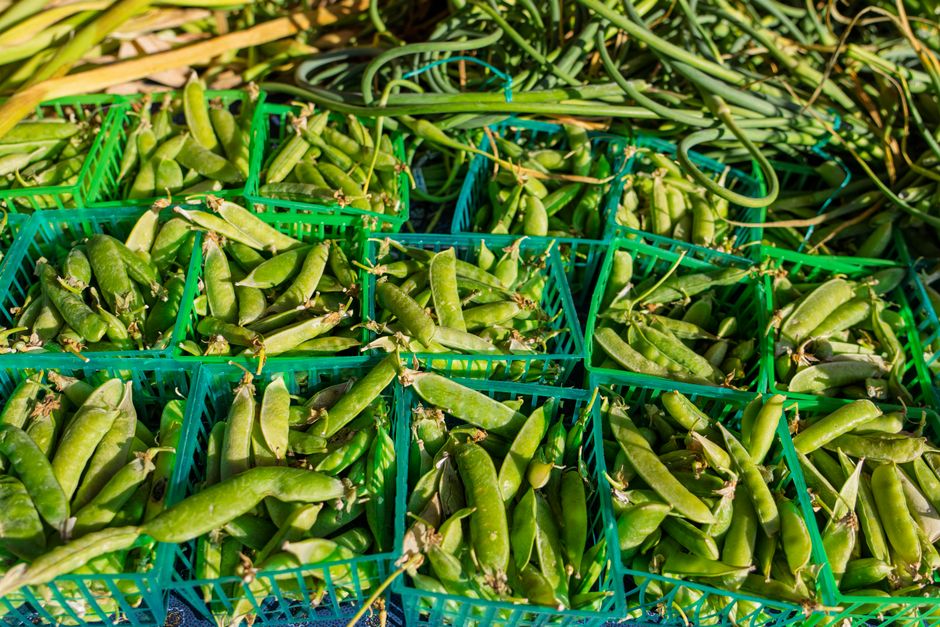
Fresh snap peas and English peas arrive at their best in April and May. If fresh peas are not yet in stock near you, frozen peas harvested at peak and flash-frozen are nutritionally comparable and cost less per serving year-round. The USDA’s FoodData Central shows that frozen peas retain strong levels of vitamin C and fiber, making them a practical nutrient-dense choice at any budget.
5. Swiss Chard and Beet Greens
Beet greens and Swiss chard often get overlooked because people are not sure what to do with them. Both sauté quickly in olive oil, pair well with lemon and garlic, and work beautifully alongside eggs or beans. Spring brings softer, less bitter chard leaves than fall varieties. If you buy beets, do not discard the greens; they are free extra produce that most shoppers throw away.
If you are trying to get more vegetables into daily meals consistently, How to Eat Vegetables First at Meals for Better Digestion and Stable Blood Sugar offers a practical strategy that works with any of the vegetables on this list.
6. Green Onions and Leeks
Green onions are one of the cheapest spring buys at most stores, often priced below a dollar per bunch. They add brightness to scrambled eggs, stir-fries, soups, and grain bowls. Leeks, their thicker cousin, are also at their mildest and most affordable in spring. Slice and sauté leeks as a base for soups or grain dishes where you might otherwise use more expensive onions.
7. Broccoli and Broccoli Rabe
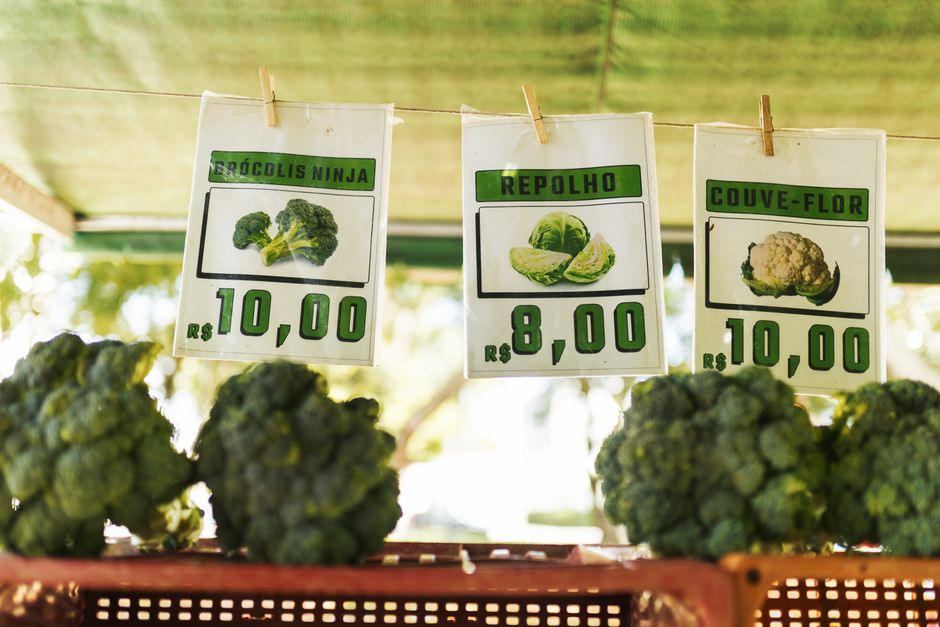
Broccoli peaks in both spring and fall, and spring pricing tends to be favorable. Look for deep green, tightly closed florets with no yellowing. Broccoli rabe (rapini) is more bitter but excellent roasted with olive oil and a pinch of red pepper. Both are nutrient-dense and filling, which makes them useful anchors for budget meal prep when you are trying to build satisfying, plant-forward plates.
How to Actually Shop This List Without Overbuying
The biggest mistake people make when switching to seasonal produce is buying too much of what is on sale, then watching it wilt before they can use it. A few practical habits help:
- Buy in two waves. Pick up delicate greens like spinach and peas midweek for quick use. Grab hardier options like broccoli and radishes at your main weekly shop.
- Check the unit price, not just the sticker. Loose broccoli crowns are often cheaper per pound than pre-bagged florets.
- Use what you have before rotating in new items. Spring produce at its freshest forgives a lot of simple cooking. Roast it, saute it, or toss it into a grain bowl with whatever protein you have on hand.
- Skip the farmers market for now if cost is your priority. Supermarket spring produce is genuinely good quality in peak season. The premium at specialty markets is harder to justify when regional supply is high.
For a deeper look at how seasonal eating connects to digestion and overall energy, How Your Digestion Changes With the Seasons and What to Eat to Feel Better covers the full picture in an approachable way.
A Simple Shift Worth Making This Week
You do not need to overhaul your entire grocery list to feel the difference that seasonal produce on a budget spring vegetables can make. Pick one or two items from the list above, replace whatever winter staple you have been reaching for out of habit, and notice the difference in flavor and your receipt total.
If you found this helpful, the Clean Body Mentor newsletter delivers practical weekly guidance on meals, movement, and sustainable healthy habits straight to your inbox.
This article is for general educational and informational purposes only and is not a substitute for medical advice, diagnosis, or treatment. Health needs vary by individual. Consult a qualified healthcare professional before making significant changes to your diet, exercise routine, supplements, medication, or treatment plan, especially if you have a medical condition, are pregnant or breastfeeding, take medication, or have concerns about your symptoms.
Sources
- USDA FoodData Central: nutritional data for frozen and fresh peas and spring vegetables. U.S. Department of Agriculture.
- Baxter, N.T. et al. (2019). “Dynamics of Human Gut Microbiota and Short-Chain Fatty Acids in Response to Dietary Interventions with Three Fermentable Fibers.” mBio. Referenced for prebiotic fiber context.
- Slavin, J. and Lloyd, B. (2012). “Health Benefits of Fruits and Vegetables.” Advances in Nutrition, National Institutes of Health (NIH/PubMed). General fiber and micronutrient context.
- USDA Agricultural Marketing Service: seasonal pricing data and produce availability reports.


