

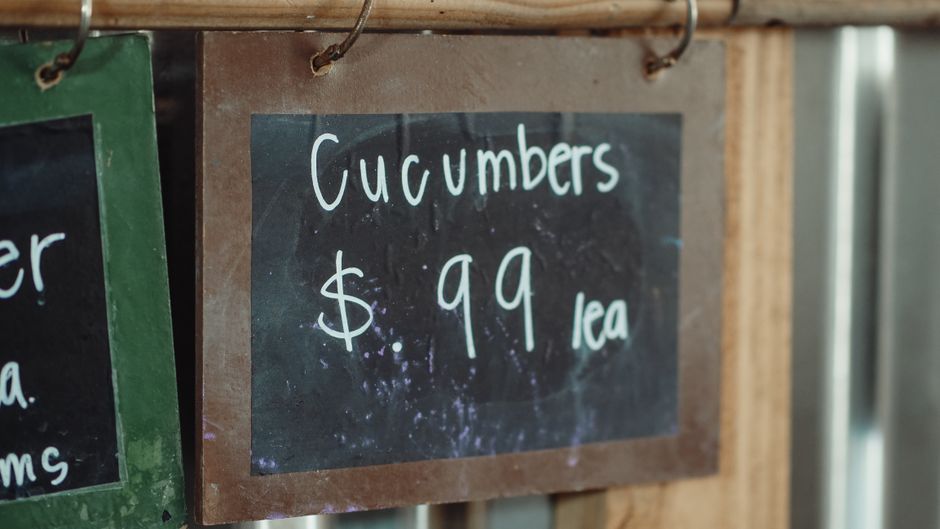
If you have ever reached for a bag of spinach in January and winced at the price tag, you already understand seasonal produce budget cost in the most direct way possible. That same spinach in April often costs thirty to fifty percent less, and the leaves are firmer and more flavorful too. Seasonal eating gets marketed as a premium lifestyle choice, but the opposite is true at the checkout line. When produce is in season, supply is high, transportation distances shrink, and prices drop naturally.
You do not need a farmers market subscription or a meal-planning overhaul to benefit. You need a simple, quarterly system for shifting what goes in your cart.
Why Prices Drop When Produce Is in Season
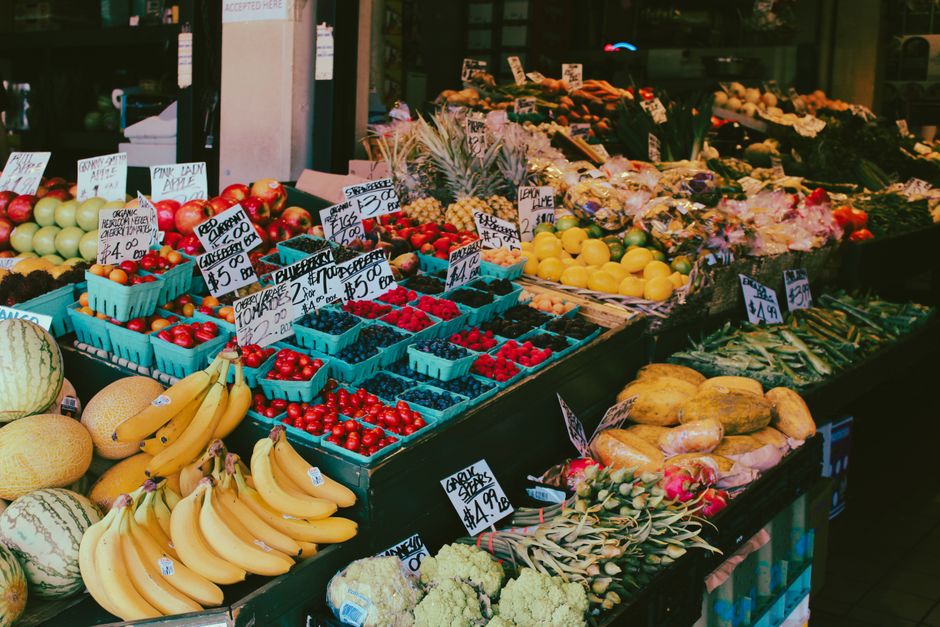
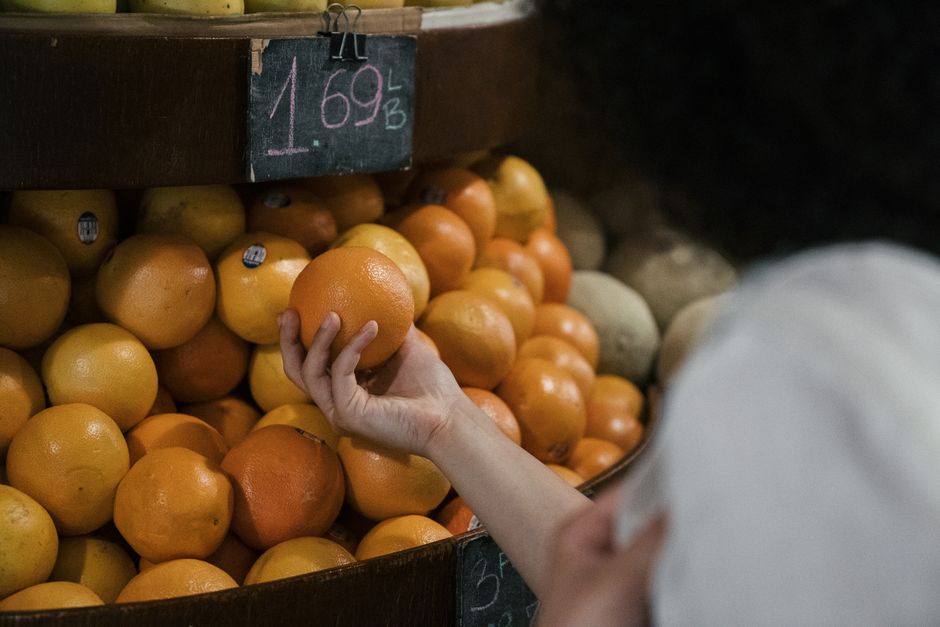
Fresh produce pricing is driven by supply, transportation, and storage. During peak harvest, regional farms flood the market with supply that must be sold quickly. Retailers drop prices to move volume. When a crop is out of season domestically, it travels from Mexico, Chile, or elsewhere, adding shipping cost and ripening time. Retailers also factor in higher spoilage rates for long-haul produce, which further inflates the shelf price.
The USDA Economic Research Service has tracked these patterns for decades, consistently showing that domestic seasonal windows correlate with the lowest retail prices for most fruits and vegetables. Spinach, asparagus, strawberries, and sugar snap peas are routinely cheapest in spring. Butternut squash, sweet potatoes, and apples drop in fall. Citrus hits its low in winter.
For a deeper look at how different seasons change not just prices but the nutritional profile of what you are buying, Seasonal Produce Nutrition: Why Winter Root Vegetables and Spring Greens Deliver Different Nutrients and Cost Less walks through the micronutrient shifts worth understanding.
What Spring and Early Summer Bring to Your Cart
Spring is one of the best seasons for budget-friendly, nutrient-dense eating. Here is what reaches peak value from roughly March through June in most of the continental United States:
Leafy Greens
- Spinach: rich in folate, iron, and vitamin K; cheapest during April and May
- Arugula: high in calcium and antioxidants; often sold in bulk bags at steep discounts in spring
- Swiss chard and kale: good sources of vitamins A and C; prices fall as local harvests ramp up
Brassicas and Alliums
- Broccoli and cabbage: highly affordable in spring, both are dense in fiber and vitamin C
- Green onions and leeks: mild flavor, inexpensive, and useful in dozens of dishes
Legumes and Pods
- Snap peas and fresh peas: short seasonal window but excellent value when available; high in plant protein and fiber
- Asparagus: peaks in April; loaded with folate and prebiotic fiber
Fruits
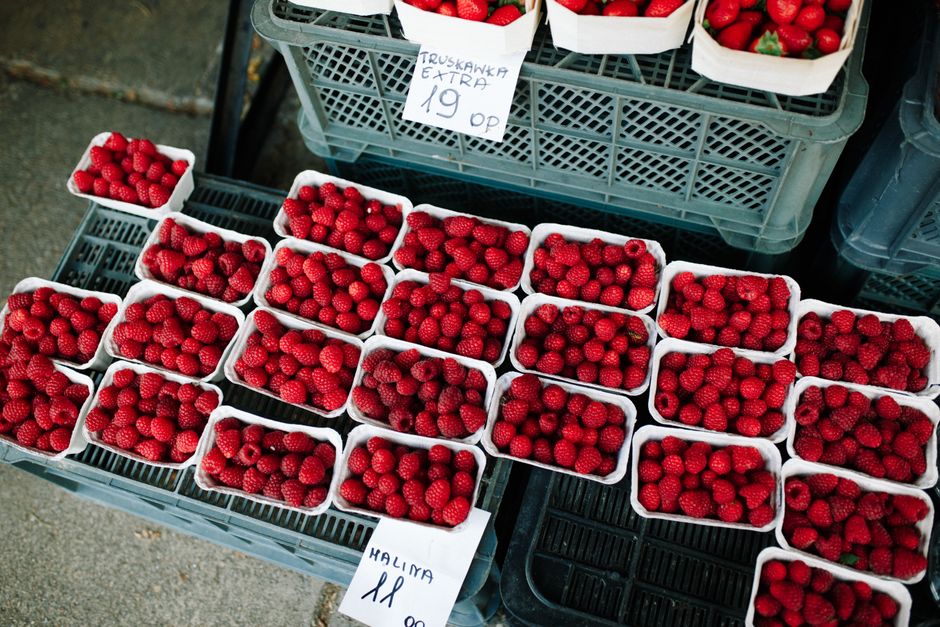
- Strawberries: one of the most dramatic seasonal price drops, often two to three dollars per pound in spring versus five or six in winter
- Rhubarb: niche but inexpensive and pairs well with berries
If you are working on building more vegetable variety into your midday meals, Vegetable-Forward Lunches That Keep You Full Until Dinner Without Extra Protein Powder has practical combinations that work especially well with spring produce.
Why Winter Greens Cost More (and What to Buy Instead)
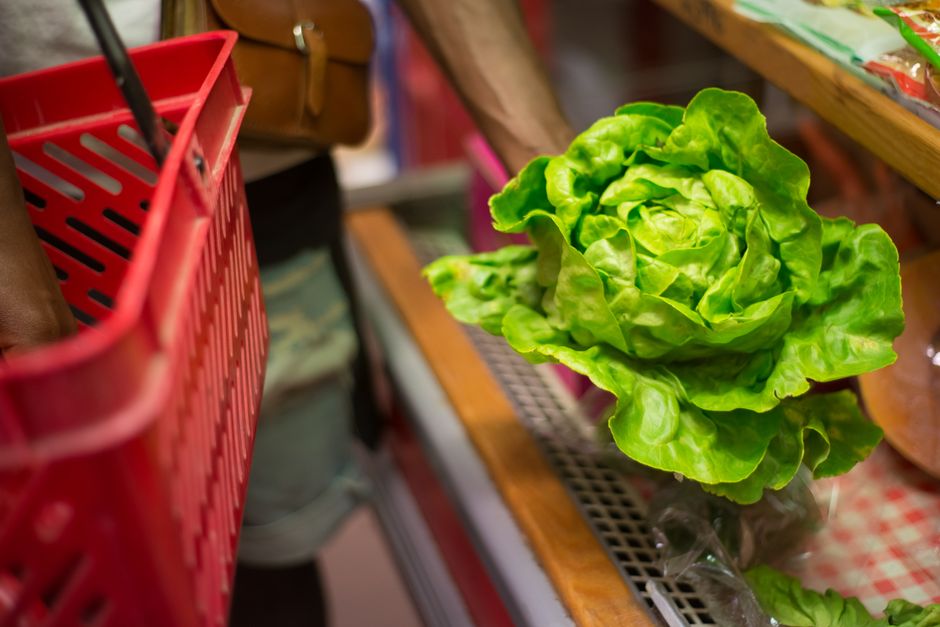
Winter spinach, zucchini, and tomatoes are usually greenhouse-grown or shipped internationally. Neither approach is cheap. Greenhouse growing requires energy-intensive climate control. Long-distance shipping requires refrigerated transport, faster handling, and built-in waste margins. You pay for all of it.
This does not mean winter eating has to be expensive. It means shifting expectations. Root vegetables like carrots, parsnips, turnips, and sweet potatoes are at peak value in fall and early winter. Canned tomatoes and frozen peas are year-round options that lock in seasonal nutrition at off-season prices. Frozen vegetables are harvested and flash-frozen at peak ripeness, which often preserves nutrients as well as or better than refrigerated produce that traveled thousands of miles. Research published in the Journal of Food Composition and Analysis has supported this, finding comparable or higher nutrient retention in some frozen vegetables versus their fresh long-haul counterparts.
For a full guide on what to lean on during the colder months, Seasonal Produce on a Budget: Why Winter Root Vegetables Cost Less and Deliver More Nutrients Than Summer Alternatives covers the winter side of this system.
A Simple Quarterly Cart-Shifting System
You do not need to overhaul your entire grocery list seasonally. The goal is a small, deliberate shift each quarter that moves the heaviest-use vegetables and fruits toward whatever is in peak domestic season.
Step 1: Pick a seasonal anchor vegetable and fruit each quarter.
In spring, that might be asparagus and strawberries. In summer, zucchini and peaches. In fall, sweet potato and apples. In winter, carrots and citrus. One swap per category is enough to meaningfully reduce your produce spending.
Step 2: Use the seasonal item as your volume vegetable for that quarter.
Volume vegetables are what you build meals around rather than add as garnish. When asparagus is cheap, roast a sheet pan of it twice a week. When cabbage is in season, it becomes your salad base and your stir-fry filler.
Step 3: Rely on frozen and canned for out-of-season staples.
Frozen broccoli, canned diced tomatoes, and canned chickpeas do not fluctuate with seasonal pricing. Stock these as your anchor pantry items and rotate fresh produce around them.
Step 4: Check the weekly store circular once before shopping.
Retailers discount whatever is abundant that week. Five minutes scanning the produce section of the weekly ad tells you which seasonal item got a further markdown. That is your shopping signal.
If you want to connect this approach to a broader grocery strategy for managing body composition and energy, Grocery Shopping for Sustainable Weight Loss: Build a Cart That Supports Fat Loss Without Restriction or Willpower Battles pairs well with this seasonal system.
Digestion as a Seasonal Bonus
Shopping seasonally tends to naturally vary the types of fiber and plant compounds you eat across the year. Spring greens are higher in lighter, water-soluble fibers that support smoother digestion after the heavier, starchier foods common in winter. If your digestion has felt sluggish as seasons change, Why Your Digestion Feels Sluggish in Spring and How to Eat the New Season’s Produce to Reset It explores this connection in detail.
One Action Worth Starting This Week
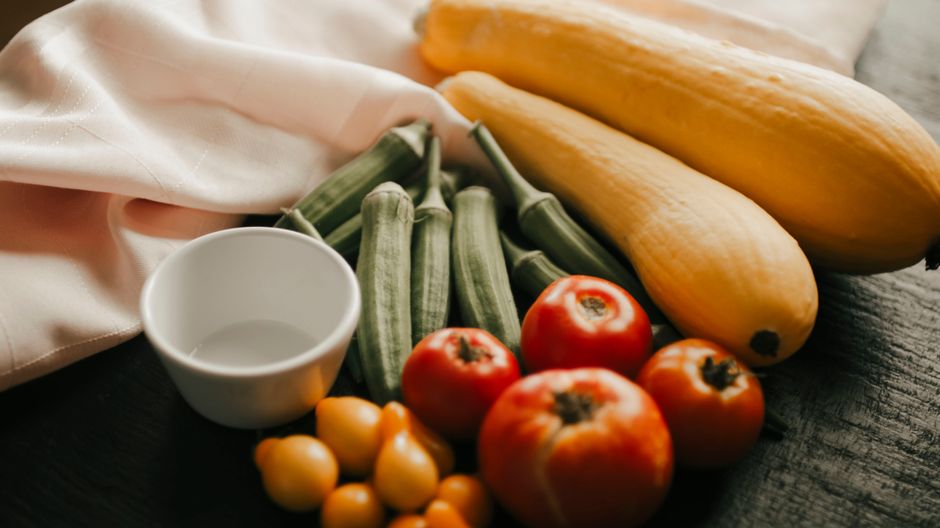
Choose one spring vegetable you do not currently buy regularly. Asparagus, snap peas, or a bunch of Swiss chard are all good candidates. Build one simple meal around it this week, whether that is a roasted sheet pan dinner, a grain bowl, or a quick stir-fry. Notice the price compared to what you usually spend on the same amount of produce. That comparison is the clearest argument for seasonal eating on a budget, and it happens right at the register.
For ongoing practical guidance on eating well without overcomplicating your routine, the Clean Body Mentor newsletter covers seasonal eating, simple meal ideas, and sustainable habits every week.
Sources
- USDA Economic Research Service: Fruit and Vegetable Prices publication (ers.usda.gov)
- Bouzari A, Holstege D, Barrett DM. “Vitamin retention in eight fruits and vegetables: a comparison of refrigerated and frozen storage.” Journal of Food Composition and Analysis, 2015.
- USDA Agricultural Marketing Service: seasonal availability tracking data
This article is for general educational and informational purposes only and is not a substitute for medical advice, diagnosis, or treatment. Health needs vary by individual. Consult a qualified healthcare professional before making significant changes to your diet, exercise routine, supplements, medication, or treatment plan, especially if you have a medical condition, are pregnant or breastfeeding, take medication, or have concerns about your symptoms.