

You reach for a pint of cherry tomatoes in January, notice the price, wince, and put it back. That moment captures a real tension: eating well feels expensive, especially when the produce that looks brightest in the store traveled the farthest to get there.
Here is the practical reality. Seasonal produce on a budget is not about eating boring food or giving up variety. It is about matching what you buy to what is actually thriving in the ground right now, because that timing almost always means lower prices, longer shelf life, and measurably better nutrition. Winter and early spring are the season of roots, squashes, and hearty greens, and they compare surprisingly well, or better, than their summer counterparts on nearly every metric that matters.
This review walks you through that comparison, category by category, so you can shop with confidence instead of guessing.
Why Seasonal Timing Changes Both Cost and Nutrition
Produce prices follow supply. When a food is in season locally or regionally, supply is high, transportation distances are short, and storage needs are minimal. All of that reduces the cost you see at the register. When the same food is out of season, it is either grown in energy-intensive hothouses or shipped from the Southern Hemisphere, and those costs pass directly to you.
Nutrition follows a similar logic. Research published in the journal Food Chemistry and referenced by the USDA Agricultural Research Service has documented that many fruits and vegetables begin losing water-soluble vitamins like vitamin C and folate within days of harvest. Produce that spends a week or more in transit arrives nutritionally diminished, even when it looks fine on the shelf.
Winter roots like sweet potatoes, turnips, carrots, and parsnips are different. Their cell structure is dense and starchy, which means they retain nutrients far longer after harvest and hold up through weeks of proper storage at home without significant loss.
For a deeper look at how seasonal timing shapes what you actually absorb, the guide on Seasonal Produce Nutrition: Why Winter Root Vegetables and Spring Greens Deliver Different Nutrients and Cost Less covers the nutritional mechanics in more detail.
Head-to-Head: Winter Staples vs. Summer Alternatives
Below is an honest comparison across four key pairings. Prices are approximate national averages and will vary by region and store type.
Sweet Potato vs. Zucchini
Cost: Sweet potatoes average around $1.00 to $1.50 per pound in winter. Out-of-season zucchini often runs $2.00 to $3.50 per pound in January and February.
Nutrition: A medium sweet potato provides around 4 grams of fiber, over 100% of your daily vitamin A target (as beta-carotene), and meaningful amounts of potassium and vitamin C, according to the USDA FoodData Central database. Zucchini is lower in calories but also lower in fiber and micronutrients per serving. For calorie-for-calorie nutrient density, sweet potato wins clearly in winter.
Storage: Sweet potatoes keep three to five weeks in a cool, dark spot. Out-of-season zucchini tends to soften within days of purchase.
Carrots vs. Cucumber
Cost: A two-pound bag of carrots routinely costs under $1.50. Cucumbers in winter can run $1.50 to $2.50 each.
Nutrition: Carrots are a reliable source of beta-carotene, vitamin K, and potassium. Cucumbers are mostly water with modest micronutrient content. Neither is a bad food, but for concentrated nutrients per dollar, carrots are the stronger winter investment.
Storage: Carrots last two to three weeks refrigerated, sometimes longer. Cucumbers wilt or go soft within a week.
Butternut Squash vs. Bell Pepper
Cost: Butternut squash often runs $0.75 to $1.25 per pound in fall and winter. Out-of-season bell peppers, particularly the red and yellow varieties, can cost $2.00 to $4.00 each.
Nutrition: Butternut squash provides beta-carotene, vitamin C, magnesium, and fiber. Bell peppers are exceptionally high in vitamin C, making them excellent in season. But the nutrient-to-cost ratio tilts sharply toward squash in winter months when peppers are imported.
Storage: A whole butternut squash keeps two to three months in a cool pantry. That is almost unmatched for any fresh vegetable.
Turnips and Parsnips vs. Asparagus
Cost: Turnips and parsnips are among the cheapest fresh vegetables available, often under $1.00 per pound. Out-of-season asparagus regularly hits $4.00 to $6.00 per pound.
Nutrition: Turnips offer vitamin C, potassium, and glucosinolates, compounds studied for their role in supporting healthy cell function (National Cancer Institute notes this research as preliminary but ongoing). Parsnips are high in folate and fiber. Asparagus is nutritious, but paying three to six times as much for it in winter when the nutrient gap is modest does not make financial or nutritional sense.
Winter Greens Deserve a Spot in Your Cart Too
Roots get most of the attention, but winter greens like kale, collards, and cabbage are also underrated seasonal values. A head of green cabbage can cost under $0.70 per pound, keeps refrigerated for one to two weeks, and provides vitamin C, vitamin K, and compounds called glucosinolates. Kale and collards support similar nutrient profiles and tolerate cold storage well.
If you have a family that is still warming up to vegetables, the article on Teaching Your Family to Enjoy Vegetables Without Pressure or Reward Systems has practical strategies that work without forcing anyone.
For those dealing with slower winter digestion, pairing these fibrous roots and greens thoughtfully matters. The guide on Five Unexpected Reasons Your Digestion Slows in Winter and How to Adapt addresses exactly that.

A Simple Winter Cart Strategy
You do not need a formal meal plan to benefit from seasonal eating. A straightforward approach:
- Anchor your cart with two or three roots. Sweet potatoes, carrots, and one type of squash cover a wide range of meals and cooking methods.
- Add a winter green. Cabbage, kale, or collards fill the fresh-vegetable role that summer salad greens do in warmer months.
- Fill gaps with frozen. Frozen peas, corn, and edamame are harvested and flash-frozen at peak ripeness, making them nutritionally competitive with fresh out-of-season produce at a fraction of the cost, according to research reviewed by the Academy of Nutrition and Dietetics.
- Skip the decorative imports. That January pint of cherry tomatoes or bunch of asparagus adds cost without matching the nutrient density of what is naturally in season.
For more perspective on how seasonal choices connect to immune health specifically, the article on Seasonal Eating for Immune Support Without the Marketing Hype: What Research Actually Shows is worth reading alongside this one.
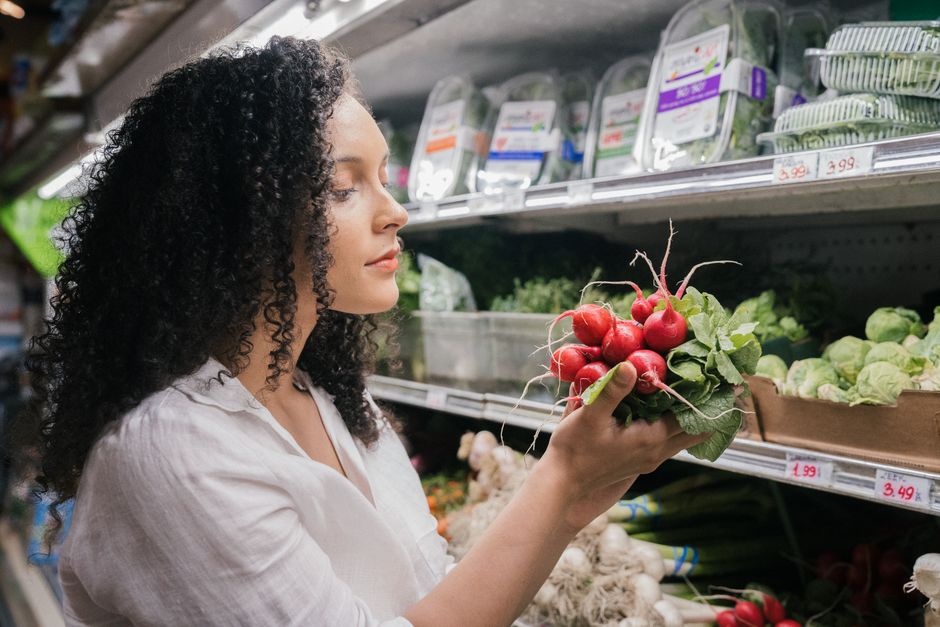
What This Looks Like in Practice
A realistic winter week might center on roasted sweet potatoes paired with a protein source, a simple carrot and ginger soup, braised cabbage as a side, and butternut squash worked into a grain bowl or pasta. Total produce cost for the week can realistically stay under $10 to $15 for a household of two, compared with $25 or more when shopping without seasonal awareness.
The goal is not perfection. Even shifting two or three purchases per week toward seasonal options creates meaningful savings and a more nutrient-dense eating pattern over time.
Choose one swap from this article and try it this week. Whether it is grabbing a bag of carrots instead of out-of-season cucumbers, or trying butternut squash for the first time, small consistent shifts add up. If you want more practical, evidence-informed guidance like this delivered weekly, consider joining the Clean Body Mentor newsletter.
This article is for general educational and informational purposes only and is not a substitute for medical advice, diagnosis, or treatment. Health needs vary by individual. Consult a qualified healthcare professional before making significant changes to your diet, exercise routine, supplements, medication, or treatment plan, especially if you have a medical condition, are pregnant or breastfeeding, take medication, or have concerns about your symptoms.
Sources
- USDA FoodData Central database: https://fdc.nal.usda.gov
- USDA Agricultural Research Service, post-harvest nutrient loss research: https://www.ars.usda.gov
- Academy of Nutrition and Dietetics, position on frozen produce nutritional quality: https://www.eatright.org
- National Cancer Institute, cruciferous vegetables and glucosinolate research: https://www.cancer.gov/about-cancer/causes-prevention/risk/diet/cruciferous-vegetables-fact-sheet