


You pushed hard. Your muscles are fatigued, your glycogen stores are partially depleted, and your body is signaling that it needs something. Most fitness advice points straight to a protein shake or a bar, and while protein matters, it is only part of the recovery equation. What you eat after a tough session shapes how well you sleep that night, how sore you feel tomorrow, and whether your next workout feels strong or sluggish.
Research published by the American College of Sports Medicine confirms that post-exercise nutrition needs to address three priorities: muscle protein synthesis, glycogen replenishment, and fluid and electrolyte replacement. Very few single supplements cover all three. Whole foods, strategically chosen, often do.
The five foods below are easy to find, affordable, and frequently overlooked in favor of branded recovery products. Each one earns its place because of what it actually contains, not marketing.

1. Tart Cherries
Tart cherry juice and whole tart cherries are among the most studied food sources for exercise recovery. A review in the Journal of the International Society of Sports Nutrition found that tart cherry supplementation reduced muscle soreness and accelerated strength recovery after eccentric exercise. The mechanism involves anthocyanins, the pigments that give cherries their deep red color, which appear to reduce exercise-induced oxidative stress and inflammation.
A small glass of unsweetened tart cherry juice (roughly 8 ounces) or a handful of dried tart cherries added to oatmeal or yogurt gives you a practical dose without a supplement. Tart cherries also contain melatonin precursors, which may support sleep quality on nights after hard training days, a quiet bonus that protein powder cannot offer.
Practical use: Blend tart cherry juice into a smoothie with banana and Greek yogurt for a complete recovery drink that covers antioxidants, carbohydrates, and protein in one go.
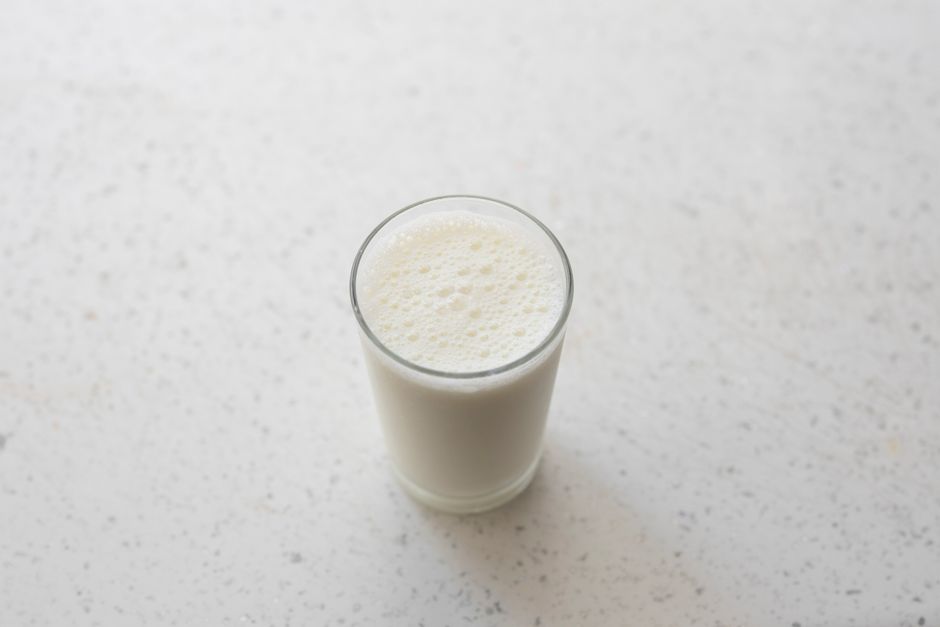
2. Whole Milk Kefir
Kefir is fermented milk packed with protein, calcium, phosphorus, B vitamins, and live probiotic cultures. One cup typically provides around 9 to 11 grams of protein, including casein and whey, which means you get both fast and slow-digesting protein in the same sip. That combination supports both immediate muscle protein synthesis and sustained amino acid delivery over the following hours.
The probiotic cultures in kefir may also support gut integrity, which matters more than people realize after intense exercise. Hard training temporarily increases intestinal permeability, and research suggests that regular probiotic intake may help maintain the gut barrier. For a deeper look at how food combinations affect digestion and nutrient absorption after meals, see Digestion-Friendly Meal Combinations: Foods That Work Together for Energy and Comfort.
Practical use: Drink kefir straight, or use it as the liquid base of a post-workout smoothie with frozen mango and a tablespoon of chia seeds.
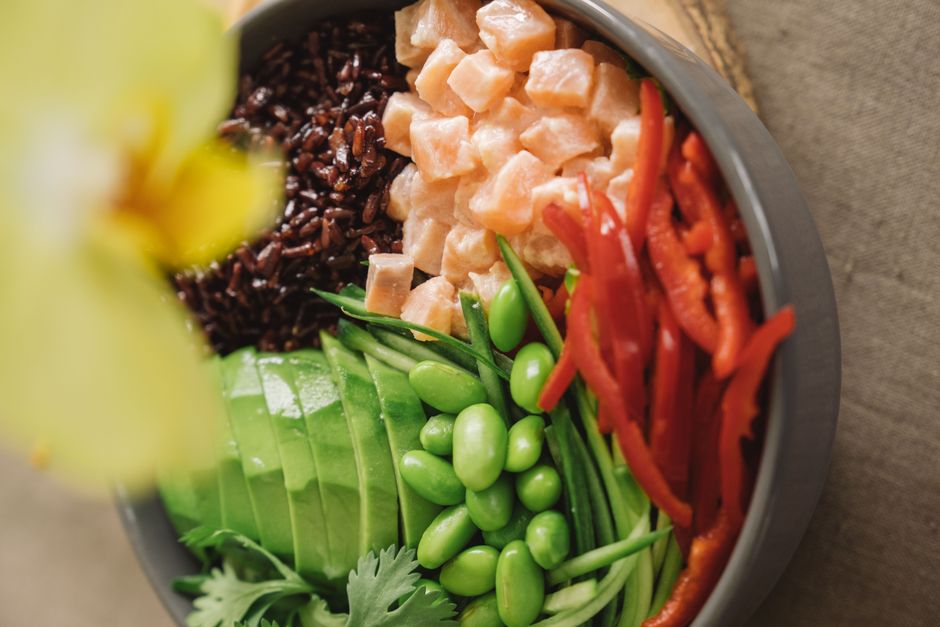
3. Edamame
Edamame, young soybeans, delivers a combination that is genuinely unusual in plant foods: complete protein, complex carbohydrates, and meaningful amounts of magnesium and potassium in the same small package. A cup of shelled edamame provides roughly 17 grams of protein and 14 grams of carbohydrates, which lands close to the ratio sports dietitians often recommend for recovery meals.
Magnesium deserves a mention here because it plays a role in muscle relaxation and protein synthesis, and sweat losses can chip away at your stores during longer sessions. Potassium helps restore electrolyte balance. If you are curious about how plant proteins stack up as standalone snacks, Five Plant-Based High-Protein Snacks That Actually Keep You Full Without Bars or Powders offers a broader comparison.
Practical use: Keep frozen shelled edamame in your freezer. Steam it, season lightly with sea salt, and eat it while your main recovery meal is cooking.
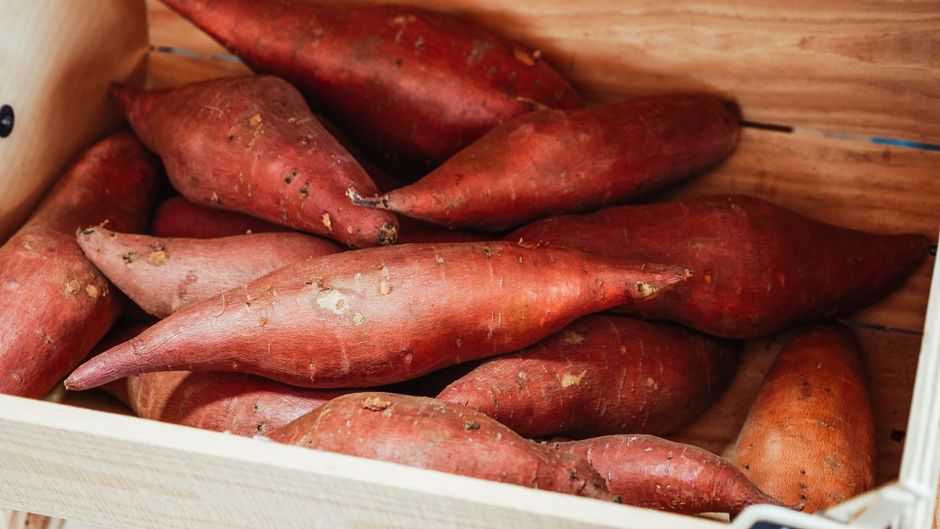
4. Sweet Potato
Sweet potato is one of the most nutrient-dense carbohydrate sources you can choose as a recovery food after workout. It restores muscle glycogen efficiently, supplies vitamin C and beta-carotene (both antioxidants), and provides potassium at levels comparable to a banana. Its moderate glycemic response means you get a steady carbohydrate release rather than a spike and crash.
The starch in sweet potato is also gentler on digestion than many processed carbs, which matters if your stomach feels unsettled after hard training. Pair it with a protein source and you have a straightforward recovery plate that requires almost no preparation if you batch-cook them in advance.
For guidance on what to eat alongside your post-exercise carbohydrates to maximize what your body absorbs, the full breakdown in Strength Training Recovery Nutrition: What to Eat After Your Workout for Muscle Repair is worth bookmarking.
Practical use: Roast a batch of sweet potatoes on Sunday and keep them in the fridge. After a workout, reheat one and top it with cottage cheese or a fried egg.
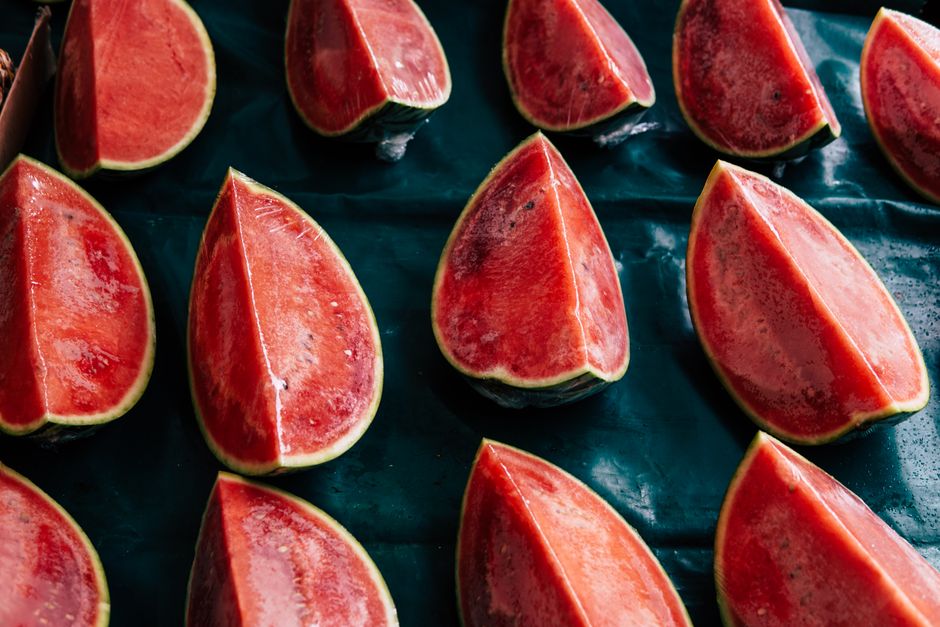
5. Watermelon
Watermelon is roughly 92 percent water, which immediately makes it useful for rehydration, but it also contains l-citrulline, an amino acid that research suggests may reduce muscle soreness and support blood flow after exercise. A study in the Journal of Agricultural and Food Chemistry found that athletes who drank watermelon juice before exercise reported less next-day muscle soreness compared to a control group.
The natural sugars in watermelon replenish glycogen quickly, while its high water content contributes to fluid replacement. To understand how hydration timing around your sessions shapes recovery outcomes, Hydration Timing Around Workouts: When to Drink Water for Better Performance and Recovery explains the timing considerations clearly.
Practical use: Blend two cups of fresh watermelon with a squeeze of lime and a pinch of salt for a natural electrolyte and carbohydrate drink. Eat it with a protein source to round out the meal.

Why Whole Foods Often Outperform Powders for Recovery
Protein powders and recovery bars are convenient, but they rarely contain the full range of micronutrients, antioxidants, and fiber that support the body’s broader repair processes. Whole foods bring bioavailable nutrients packaged the way your digestive system recognizes, and they also address recovery factors that protein alone cannot, including inflammation, glycogen, electrolytes, and sleep.
You do not have to overhaul your entire post-workout routine at once. Choose one food from this list and add it consistently after your next several sessions. Notice how your energy and soreness respond over time. Gradual, sustainable changes to your eating habits tend to produce more lasting results than dramatic overhauls.
If you want to go deeper on how rest days fit into your recovery nutrition, Rest Day Meals That Support Recovery Without Sabotaging Your Progress is a helpful companion read. And if you want practical weekly wellness guidance, Clean Body Mentor’s newsletter delivers straightforward, evidence-informed tips to your inbox regularly.
This article is for general educational and informational purposes only and is not a substitute for medical advice, diagnosis, or treatment. Health needs vary by individual. Consult a qualified healthcare professional before making significant changes to your diet, exercise routine, supplements, medication, or treatment plan, especially if you have a medical condition, are pregnant or breastfeeding, take medication, or have concerns about your symptoms.
Sources
- Howatson G, et al. “Effect of tart cherry juice on indices of recovery following marathon running.” Scandinavian Journal of Medicine and Science in Sports, 2010. (Referenced via Journal of the International Society of Sports Nutrition review literature)
- American College of Sports Medicine / Academy of Nutrition and Dietetics. “Nutrition and Athletic Performance” joint position statement. Medicine and Science in Sports and Exercise, 2016.
- Tarazona-Diaz MP, et al. “Watermelon juice: potential functional drink for sore muscle relief in athletes.” Journal of Agricultural and Food Chemistry, 2013.
- National Institutes of Health Office of Dietary Supplements: Magnesium Fact Sheet for Health Professionals (ods.od.nih.gov)