

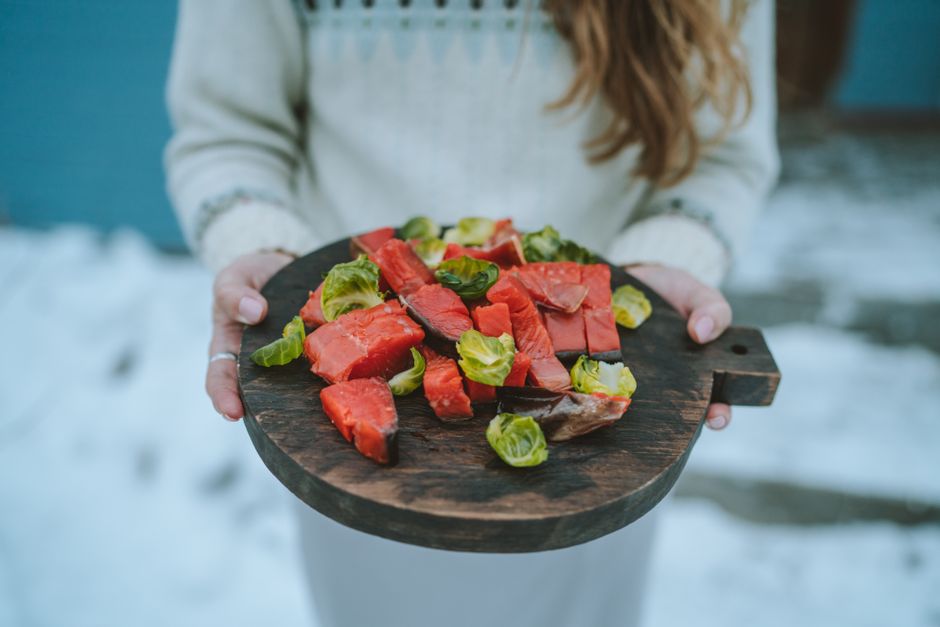
Winter has a way of making wellness feel expensive. Supplement ads multiply, grocery bills creep up, and the short days can quietly drain both your energy and your motivation. But seasonal wellness winter eating doesn’t have to cost more than your regular grocery run.
The reality is that some of the most nutrient-dense foods available right now are also among the cheapest items in the store, and a handful of consistent daily habits can do more for your immune function and mood than a cabinet full of bottles. Here is a practical, budget-conscious list to get you through the cold months feeling your best.
1. Load Up on Affordable Winter Produce
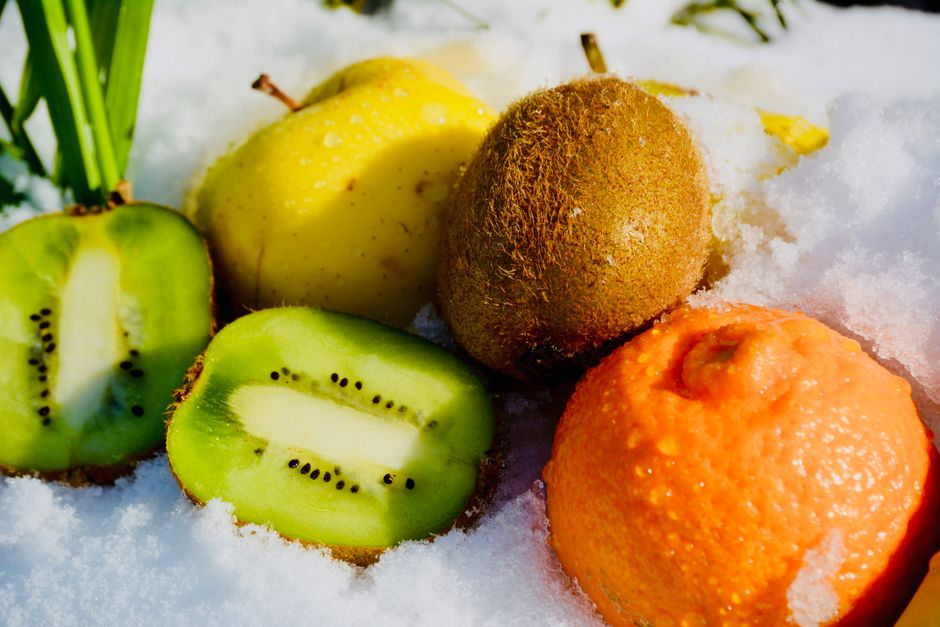
Winter is actually generous with inexpensive, nutrient-rich vegetables. Root vegetables such as carrots, sweet potatoes, parsnips, and beets are in peak season, which means lower prices and better flavor. Cruciferous vegetables including cabbage, kale, and Brussels sprouts are similarly affordable and packed with vitamin C and fiber.
Citrus fruits, another winter staple, provide vitamin C, which research suggests may help reduce the duration of common colds, according to a Cochrane review of vitamin C supplementation studies. Buying a bag of oranges or a box of clementines costs far less than most immune supplements.
For a deeper look at which foods to prioritize as seasons shift, Seasonal Eating for Immune Support and Energy: What to Buy and Cook as the Seasons Change offers a practical seasonal framework you can follow year-round.
2. Make Legumes and Whole Grains Your Winter Backbone
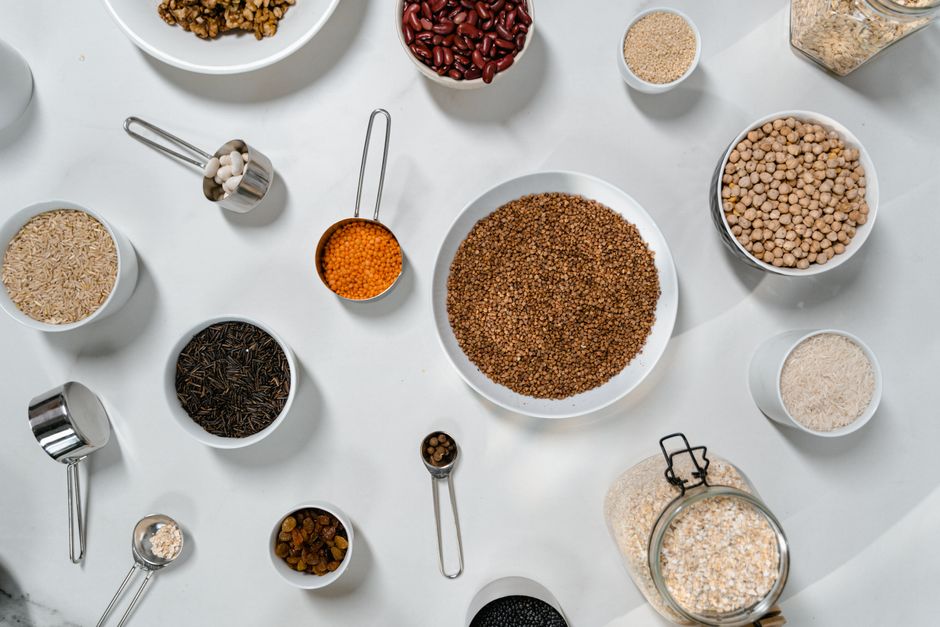
Lentils, black beans, chickpeas, and dried split peas cost very little per serving and deliver protein, iron, zinc, and fiber. Zinc in particular plays a role in normal immune function, and the National Institutes of Health Office of Dietary Supplements identifies it as one of the key micronutrients for immune health.
Paired with whole grains such as brown rice, oats, or barley, legumes create complete, satisfying meals that support stable energy throughout the day. If you are looking for a system to turn these pantry staples into efficient weekly meals, Meal Prep for Beginners: Simple Systems to Save Time and Build Healthier Eating Habits walks through the basics.

3. Prioritize Short Outdoor Exposure for Light and Movement
Sunlight exposure in winter is limited, and that matters because your skin synthesizes vitamin D when exposed to UV-B light. Research suggests that vitamin D status is linked to immune regulation, bone health, and mood, though supplementation evidence is nuanced and individual needs vary significantly.
Even on cold days, a 10-to-20-minute midday walk gets you outside during peak light hours and counts as physical activity. You get gentle movement, a mood lift from being outdoors, and a modest light signal to your brain that helps regulate your circadian rhythm. Dress in layers, keep a consistent time, and treat it as a non-negotiable small habit rather than a workout.
For a thorough look at the evidence around seasonal light and energy, Vitamin D and Energy Levels: What the Research Shows About Sunlight, Supplements, and Seasonal Wellness is a useful companion read.

4. Batch-Cook Soups and Stews to Cut Waste and Stretch Your Budget
Seasonal wellness winter eating often comes down to one pot. A large pot of vegetable lentil soup or a slow-cooker bean and sweet potato stew can provide several days of meals from about five dollars worth of ingredients. Cooking in batches reduces food waste, saves decision fatigue, and keeps you from reaching for expensive convenience foods after a long day.
Try to include at least one source of protein, a starchy vegetable, and a leafy or cruciferous green in each batch. This combination supports steady energy and helps your body absorb nutrients more effectively. Garlic and onion, both very inexpensive, add flavor and contain compounds that early research suggests may support immune defenses, though evidence remains preliminary.

5. Protect Your Sleep to Support Immune Resilience
Sleep is one of the most powerful, completely free tools you have for immunity. The Centers for Disease Control and Prevention recommends seven or more hours of sleep per night for adults. Research published by the National Institutes of Health links chronic short sleep to higher susceptibility to respiratory infections.
Winter’s longer nights can actually work in your favor here. If you tend to stay up late scrolling, reducing screen time in the hour before bed can meaningfully improve sleep quality. Digital Wellness and Screen Time: Protecting Your Sleep, Focus, and Mental Health in a Connected World covers practical steps you can start tonight at zero cost.
Keeping a consistent wake time, even on weekends, anchors your body clock and tends to make both falling asleep and waking feel easier over time.

6. Use Fermented Foods to Support Gut and Immune Health
Your gut houses a large share of your immune tissue, and research suggests that fermented foods may help maintain a healthy gut microbiome. Plain yogurt, kefir, kimchi, sauerkraut, and miso are among the most affordable fermented options widely available. Even a small daily serving can be a practical starting point.
You don’t need to overhaul your diet. Simply swapping flavored yogurt for plain and adding a spoonful of kimchi alongside a meal costs little and introduces beneficial live cultures consistently.

7. Manage Indoor Air Quality and Hydration
Heating systems dry out indoor air, which dries out the mucous membranes that form part of your first line of immune defense. Staying well hydrated with plain water, herbal teas, and broth helps counter this. If your home is very dry, a basic humidifier can help, though drinking more fluids is the simpler starting point.
Winter also tends to suppress the thirst signal, so setting a loose daily hydration goal of around six to eight cups of fluid (adjusted for your size and activity) can help keep your energy steadier and your recovery faster on sick days.

Putting It Together
None of these habits require a large investment. The most impactful seasonal wellness winter eating strategies tend to involve choosing affordable whole foods over expensive processed ones, moving your body a little each day outside, sleeping consistently, and staying hydrated. Doing a few of these things well and consistently matters far more than doing all of them perfectly once.
Choose one item from this list that feels realistic this week and build from there. If you want a broader seasonal framework, Building a Seasonal Eating Plan That Supports Your Immune System and Energy Year-Round is a good next step. And if you want practical weekly wellness guidance delivered to your inbox, the Clean Body Mentor newsletter keeps it simple and actionable.
This article is for general educational and informational purposes only and is not a substitute for medical advice, diagnosis, or treatment. Health needs vary by individual. Consult a qualified healthcare professional before making significant changes to your diet, exercise routine, supplements, medication, or treatment plan, especially if you have a medical condition, are pregnant or breastfeeding, take medication, or have concerns about your symptoms.
Sources
- Hemila H, Chalker E. “Vitamin C for preventing and treating the common cold.” Cochrane Database of Systematic Reviews, 2013. (Cochrane Library)
- National Institutes of Health, Office of Dietary Supplements. Zinc Fact Sheet for Consumers. ods.od.nih.gov
- National Institutes of Health. Sleep deprivation and susceptibility to infection research summaries. PubMed/NIH.gov
- Centers for Disease Control and Prevention. How Much Sleep Do I Need? cdc.gov/sleep
- Sonnenburg JL, Backhed F. “Diet-microbiota interactions as moderators of human metabolism.” Nature, 2016.