
You probably already know that staying hydrated matters. But you may have heard conflicting advice about when to drink it: drink before meals to curb appetite, avoid water during meals so you do not dilute stomach acid, chug a glass right after eating to aid digestion. The advice loops back on itself until you give up and just drink whenever.
Here is the good news: hydration and digestion are closely linked, but the rules are far simpler than the internet makes them sound. This guide walks you through what the evidence actually supports, separates a few persistent myths from fact, and gives you a practical framework for timing water around your meals.
Why Water and Digestion Are Connected
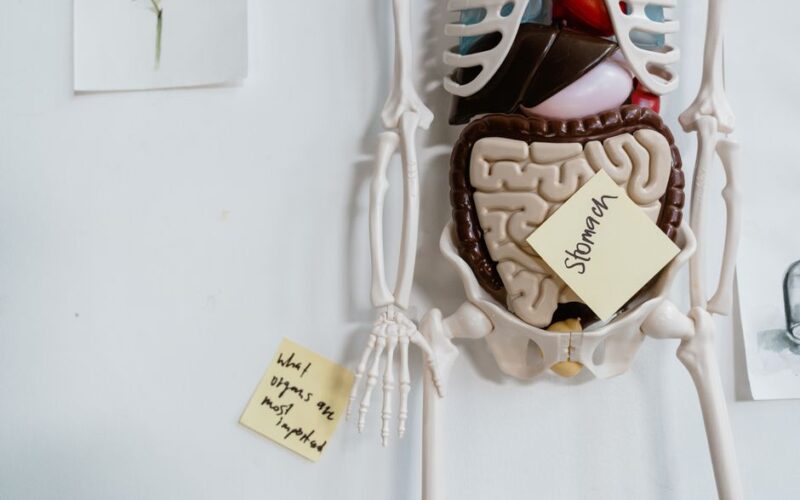
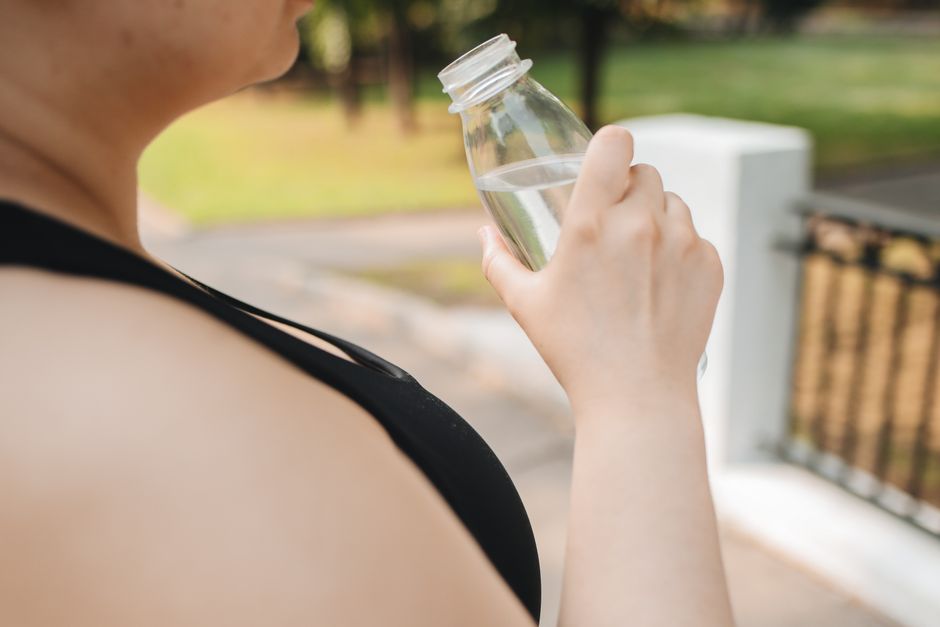
Digestion is largely a water-dependent process. Your body uses water to produce saliva, stomach acid, bile, and the pancreatic enzymes that break food into absorbable nutrients. The mucous lining that protects your gut wall also relies on adequate fluid. When you are even mildly dehydrated, digestive motility, meaning the rhythmic contractions that move food through your gut, can slow down. Research published in the European Journal of Clinical Nutrition suggests that inadequate fluid intake is a reliable contributor to constipation, one of the most common digestive complaints.
For a broader look at how timing affects the digestive process, Meal Timing and Digestion: Why When You Eat Affects How Your Body Processes Food and Energy covers the full picture well.
The “Stomach Acid Dilution” Myth
One of the most durable pieces of hydration advice is that drinking water during a meal dilutes stomach acid and impairs digestion. This claim sounds plausible, but the physiology does not quite hold up.
Your stomach acid (hydrochloric acid) is produced on demand in response to food and maintains a pH between 1.5 and 3.5, which is highly acidic. Drinking a cup or two of water during a meal raises the pH slightly and temporarily, but your stomach’s parietal cells compensate by secreting more acid as needed. The digestive enzyme pepsin does require an acidic environment, and very large amounts of water might theoretically dilute it briefly, but the volume of water a typical person drinks with a meal is nowhere near enough to meaningfully impair protein digestion in a healthy gut.
The National Institutes of Health’s digestive health resources do not list water during meals as a risk factor for impaired absorption. If you find that large amounts of carbonated water during a meal increases bloating for you personally, that is worth noting, but plain water with meals is not a digestive hazard for most people.

Practical Water Timing: Before, During, and After Meals
Drinking Water Before a Meal
Drinking 1 to 2 cups of water about 20 to 30 minutes before eating has genuine support in the research. A small study published in Obesity (2015) found that adults who drank 500 ml of water before meals lost more weight over 12 weeks than those who did not, partly because pre-meal water increased feelings of fullness. For people working toward sustainable weight management, this is a low-effort habit worth experimenting with.
Pre-meal hydration also supports saliva production and primes the stomach lining before food arrives. If you experience acid reflux, though, check with a qualified healthcare professional, as large pre-meal water volumes occasionally worsen symptoms in people with gastroesophageal reflux disease.
Drinking Water During a Meal
Sipping water steadily during a meal, rather than chugging large amounts, is comfortable for most digestive systems. It aids chewing, softens food, and helps move the bolus (chewed food mass) efficiently toward the stomach. There is no strong evidence that moderate water intake during eating impairs nutrient absorption in healthy adults.
If you eat high-fiber meals, which tend to absorb water in the gut, drinking alongside them actively helps reduce gas and bloating. Digestive Comfort and Nutrient Absorption: Foods and Timing That Work Together for Energy and Wellness has more detail on how fiber and fluid interact.
One exception worth knowing: if you have been diagnosed with a condition that affects stomach acid production (such as achlorhydria), your gastroenterologist may have specific guidance about meal-time fluid timing.
Drinking Water After a Meal
Post-meal hydration supports the later stages of digestion, particularly in the small intestine, where most nutrient absorption happens. Water helps the intestinal mucosa absorb water-soluble vitamins (B vitamins, vitamin C) and assists in moving digested material forward. Waiting an hour or so after a large, high-fat meal before drinking large amounts of water is sometimes suggested to prevent that overly full feeling, but this is more about comfort than a hard digestive rule.

Adjusting for Meal Composition
Not all meals make the same demands on your fluid intake. Here is a simple way to think about it:
- High-fiber meals (legumes, vegetables, whole grains): drink water freely before and during these meals. Fiber needs water to move comfortably and ferment without excessive gas production.
- High-protein meals (meat, eggs, Greek yogurt): protein digestion is largely acid-driven, so sipping moderate amounts of water is fine. Avoid drinking so much that you feel uncomfortably full, as this can actually slow your appetite cues.
- High-sodium or processed-food meals: these genuinely pull water into your gut via osmosis and can worsen bloating. Drinking water before these meals and staying well hydrated throughout the day helps offset some of that effect.
- Large restaurant-style meals: spacing your water intake throughout rather than front-loading it reduces the odds of that stretched, uncomfortable feeling afterward.
For a deeper look at how food combinations themselves affect digestive comfort, Digestion-Friendly Meal Combinations: Foods That Pair Well for Comfort and Sustained Energy offers practical pairing guidance.
Addressing Bloating Specifically
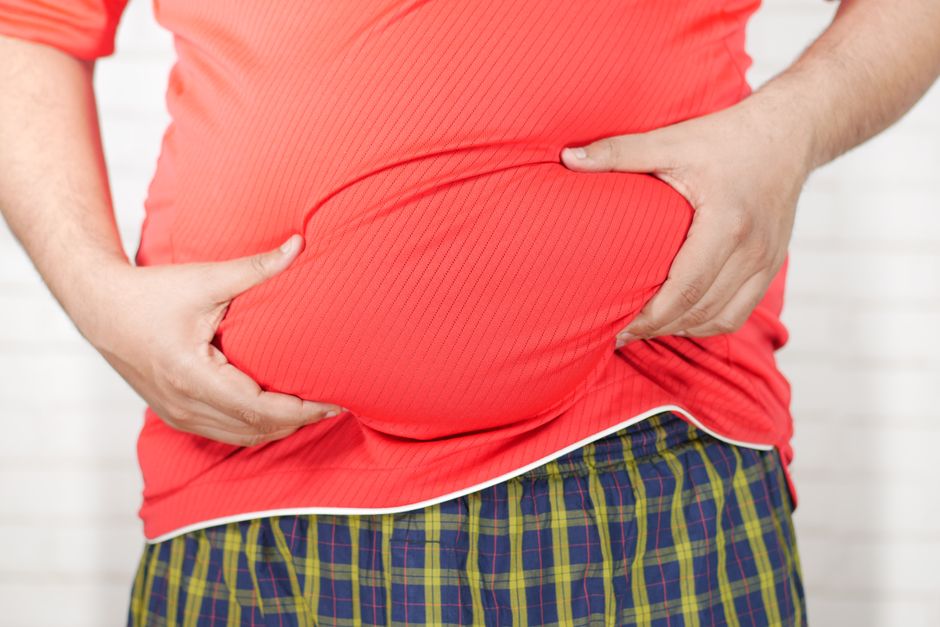
Bloating after meals has several potential causes: gas produced by gut bacteria fermenting fiber, swallowed air from eating too quickly, constipation slowing transit, or sensitivity to specific foods like lactose or certain FODMAPs. Hydration is one factor, but not always the primary one.
Where water timing genuinely helps with bloating:
- Staying consistently hydrated across the day softens stool and keeps transit regular, reducing the backup that makes gas accumulate.
- Drinking water before high-fiber meals helps fiber move rather than ferment in place.
- Replacing carbonated drinks during meals with still water reduces swallowed gas for people who are bloat-prone.
If persistent or painful bloating does not respond to these adjustments, that warrants a conversation with a healthcare provider rather than more hydration experimenting.
How Much Water Actually Matters
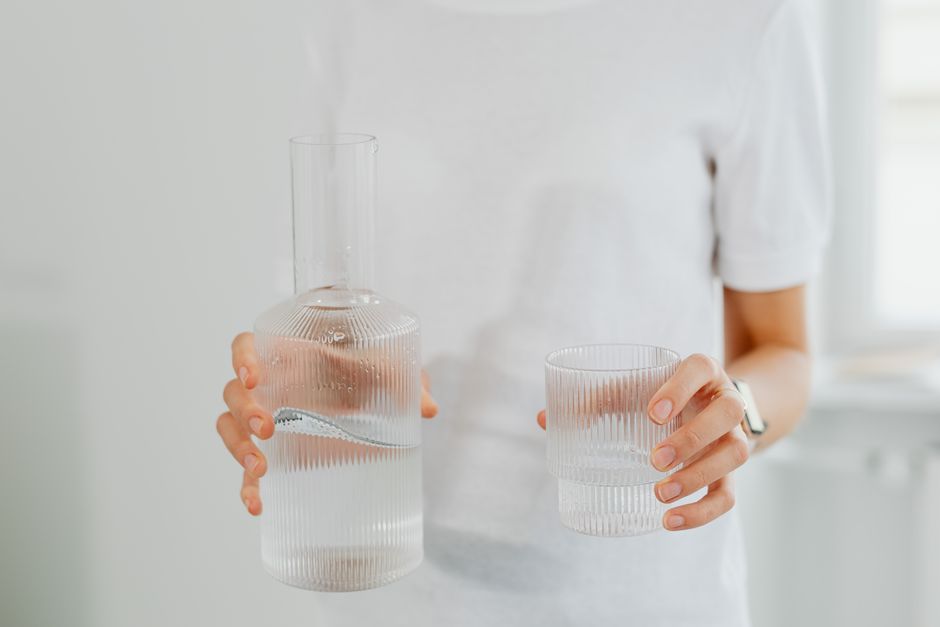
General daily hydration targets from the National Academies of Sciences, Engineering, and Medicine suggest roughly 3.7 liters (125 oz) per day for men and 2.7 liters (91 oz) for women, from all sources, including food. Individual needs vary based on body size, activity level, climate, and health status. You can learn more about separating hydration facts from folklore in Hydration Myths vs. Facts: How Much Water You Really Need and When It Actually Matters.
The key insight for digestion is that total daily intake matters more than perfect meal-time timing. If you are consistently under-hydrated, no amount of strategic timing will fully compensate.

One Small Change to Start
If you want to begin somewhere concrete, try drinking one glass of water 20 to 30 minutes before your largest meal of the day for two weeks. Notice whether your hunger feels steadier and your post-meal comfort improves. That single habit is realistic, evidence-informed, and genuinely useful without requiring you to overhaul anything else.
For more practical guidance on how hydration connects to energy and focus throughout the day, Hydration for Energy and Mood: Why Water Timing Matters More Than You Think is a helpful next read. You can also subscribe to the Clean Body Mentor newsletter for weekly evidence-informed wellness guidance delivered straight to your inbox.
This article is for general educational and informational purposes only and is not a substitute for medical advice, diagnosis, or treatment. Health needs vary by individual. Consult a qualified healthcare professional before making significant changes to your diet, exercise routine, supplements, medication, or treatment plan, especially if you have a medical condition, are pregnant or breastfeeding, take medication, or have concerns about your symptoms.

Sources
- Popkin BM, D’Anci KE, Rosenberg IH. “Water, hydration, and health.” Nutrition Reviews, 2010. Published by Oxford University Press on behalf of the International Life Sciences Institute.
- Davy BM, et al. “Water consumption reduces energy intake at a breakfast meal in obese older adults.” Journal of the American Dietetic Association, 2008.
- Dennis EA, et al. “Water consumption increases weight loss during a hypocaloric diet intervention in middle-aged and older adults.” Obesity, 2010.
- National Academies of Sciences, Engineering, and Medicine. Dietary Reference Intakes for Water, Potassium, Sodium, Chloride, and Sulfate. National Academies Press, 2005.
- Stookey JD. “Dietary water and sodium as determinants of 24-h urine osmolality and sodium excretion in a cross-sectional study of U.S. adults.” European Journal of Clinical Nutrition, 2005.