


If you spend five minutes scrolling wellness content, you will encounter dozens of claims about gut health: take this probiotic to fix everything, never combine fruit with protein, eat at precise times to protect your microbiome, or drink this blend to “heal your gut” overnight. The noise is genuinely overwhelming, and some of it contradicts solid science entirely.
The good news is that gut health research has advanced enormously over the past two decades. Scientists now understand far more about what the gut microbiome is, what shapes it, and which everyday habits reliably support it. The challenge is separating strong, reproducible evidence from marketing language dressed up as science.
This article does exactly that. You will learn what the gut microbiome actually does, which popular beliefs are myths, which habits have real research behind them, and how to build a realistic, sustainable gut-health foundation without extreme protocols or expensive supplements. For a broader look at how digestion connects to your overall health, start with this guide on Digestive Health and Whole-Person Wellness: What You Should Know About Gut Function.

What the Gut Microbiome Actually Does (and Why It Matters)
Your gut microbiome is the community of trillions of bacteria, fungi, viruses, and other microorganisms living primarily in your large intestine. Each person’s microbial community is unique, shaped by genetics, birth method, early feeding, geography, lifestyle, medications, and diet over a lifetime.
Research suggests the gut microbiome plays roles in several important functions:
- Digesting certain carbohydrates. Gut bacteria ferment dietary fiber and resistant starch that your own digestive enzymes cannot break down, producing short-chain fatty acids (SCFAs) like butyrate, which help fuel the cells lining your colon.
- Supporting immune regulation. A significant portion of immune tissue is located in and around the gut, and the microbiome appears to influence how the immune system calibrates its responses.
- Communicating with the brain. The gut-brain axis is a real bidirectional communication network involving the vagus nerve, neurotransmitters, and hormones. Research in this area is active and exciting, though many specific claims made in popular media are still preliminary.
- Influencing metabolic markers. Some studies associate microbiome composition with body weight, blood sugar regulation, and inflammation, though establishing direct causation in humans remains an ongoing challenge for researchers.
Importantly, “diverse” and “healthy” microbiomes vary between individuals and populations. There is currently no single agreed-upon definition of an ideal microbiome, which matters when you evaluate products claiming to optimize yours.

Myth 1: One Probiotic Supplement Can Fix Your Gut
This is probably the most widespread gut health myth, and it is worth unpacking carefully.
Probiotics are live microorganisms that, when consumed in adequate amounts, may confer a health benefit. That definition, from the World Health Organization, is deliberately specific: strain, dose, and context all matter.
Here is what the evidence actually shows:
- Strain specificity matters enormously. A study showing that Lactobacillus rhamnosus GG reduces antibiotic-associated diarrhea tells you nothing about whether a different Lactobacillus strain in a random supplement will help with bloating, anxiety, or weight management.
- Most healthy adults do not need probiotic supplements. Research suggests that probiotic supplements primarily help in specific clinical situations: antibiotic-associated diarrhea, certain types of irritable bowel syndrome, and some infant conditions. The evidence for general wellness benefits in healthy adults is weaker than supplement marketing implies.
- Colonization is temporary for most strains. Studies suggest that when you stop taking a probiotic supplement, the introduced strains typically do not permanently colonize your gut. They tend to pass through.
- Fermented foods are a different conversation. Regular consumption of naturally fermented foods (yogurt, kefir, kimchi, miso, sauerkraut) appears in some research to increase microbial diversity and reduce markers of inflammation. The mechanisms likely differ from isolated supplement strains.
What to do instead: If you are generally healthy, prioritize fermented foods and dietary fiber before investing in expensive probiotic supplements. If you have a specific condition, talk to a gastroenterologist or registered dietitian who can match you to evidence-backed strains for your situation.

Myth 2: Food Combining Rules Have Scientific Backing
The idea that you must never eat protein with carbohydrates, or that fruit should always be eaten alone, has circulated for over a century. It sounds logical on the surface: different foods require different digestive environments, so mixing them must cause problems.
In practice, your digestive system handles mixed meals extremely well. The stomach produces a range of enzymes and acid that work simultaneously on proteins, carbohydrates, and fats. The small intestine continues this process with additional enzyme activity. There is no credible body of research supporting the idea that specific food combinations impair digestion or harm gut health in healthy people.
Combining protein with fiber and fat at meals is actually well-supported by evidence, not as a digestive rule but because it helps slow glucose absorption and promotes satiety. You can read more about this in the guide on Eating for Stable Energy: Nutrient Combinations That Keep You Full and Focused All Day.
The bottom line: Food combining myths persist because they sound scientific and give people rules to follow. But the rules themselves are not supported by evidence.
Myth 3: More Fiber Is Always Better
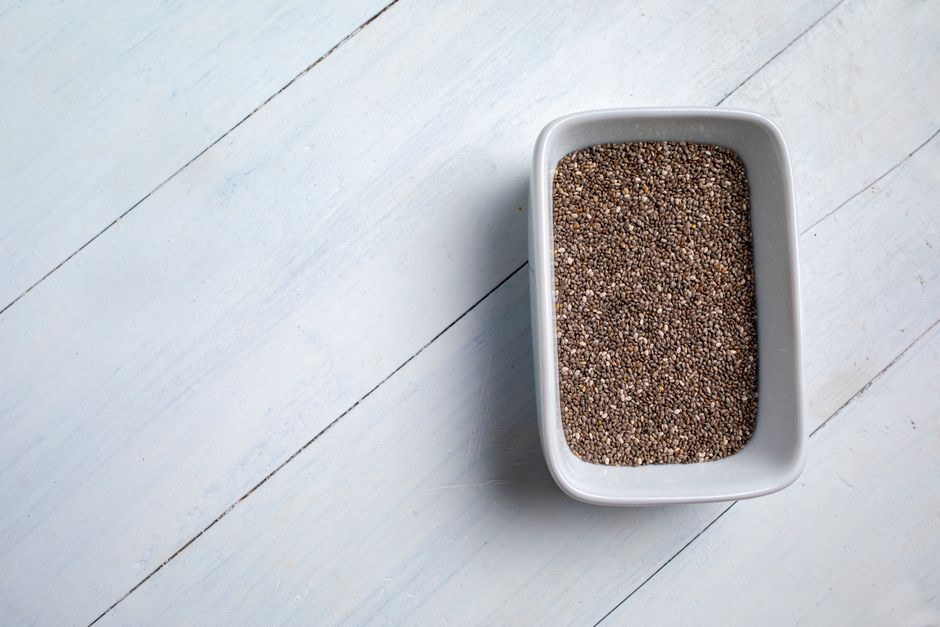
Fiber is genuinely important for gut health, and most adults in the United States fall short of the recommended 25 to 38 grams per day. Increasing fiber intake gradually is one of the most evidence-supported habits you can build.
However, the idea that aggressively maximizing fiber intake is always beneficial oversimplifies the picture:
- Rapid increases cause discomfort. Adding large amounts of fiber quickly often produces bloating, gas, and cramping. This is not harmful for most people, but it is uncomfortable and can discourage people from continuing. Gradual increases over several weeks allow your gut bacteria to adapt.
- Type of fiber matters. Soluble fiber (found in oats, legumes, apples, and psyllium) ferments slowly and tends to be well tolerated. Insoluble fiber (found in wheat bran and many vegetables) adds bulk and speeds transit. Most whole plant foods contain both, and variety appears more important than pursuing one type.
- Individual tolerance varies significantly. People with irritable bowel syndrome often find that certain high-fiber foods (particularly fermentable fibers called FODMAPs) worsen symptoms. If you have IBS or chronic digestive discomfort, a registered dietitian specializing in gut health can help you identify a fiber approach that works for your body.
- Hydration matters alongside fiber. Fiber needs water to do its job effectively. Increasing fiber without adequate fluid intake can actually worsen constipation.
Practical approach: Increase fiber gradually, prioritize a wide variety of plant foods, and stay well hydrated. Aiming for 25 to 35 grams daily from whole food sources is a realistic and well-supported target for most adults. For practical strategies on building a plant-rich diet without blowing your grocery budget, see Grocery Shopping for Balanced Nutrition on a Budget: Practical Strategies to Buy Whole Foods Without Waste.

Myth 4: Meal Timing Dramatically Changes Your Gut Microbiome
Circadian biology is a real and fascinating field, and some early research suggests that the gut microbiome does show rhythmic fluctuations across the day. This has been extrapolated in popular media into specific meal-timing rules for gut health: eat by 6 PM, never eat after 8 PM, front-load calories in the morning for a healthier microbiome.
The current evidence in humans is interesting but not strong enough to support rigid meal-timing prescriptions for gut health specifically. What research does support more consistently is that:
- Eating at highly irregular times (such as rotating shift work) is associated with some negative metabolic and digestive outcomes compared to regular, consistent meal patterns.
- Extremely late, large meals close to sleep may worsen symptoms of acid reflux in susceptible individuals.
- Eating mindfully and at consistent times tends to support digestive comfort for many people.
For a balanced look at meal timing and digestion, the article on Digestive Comfort and Meal Timing: How to Eat for Better Digestion and Sustained Energy covers this well without overpromising.
Myth 5: “Leaky Gut” Is a Diagnosable Disease That Explains Most Health Problems
Intestinal permeability, sometimes called “leaky gut” in popular wellness circles, refers to a real physiological concept: the tight junctions between cells lining the gut can become more permeable under certain conditions. Research does suggest that increased intestinal permeability is associated with certain conditions, including inflammatory bowel disease, celiac disease, and some metabolic disorders.
However, the popular claim that leaky gut is a universal root cause of conditions ranging from fatigue to skin problems to autoimmune disease is a significant overreach of the current evidence. It has also spawned a large industry of unproven supplements and protocols that capitalize on the vagueness of the concept.
If you genuinely believe gut permeability is contributing to symptoms, that conversation belongs with a gastroenterologist, not a supplement website. Separately, the connection between gut health and skin is genuinely being studied, though the mechanisms are not fully established. The guide on Skin Health From the Inside Out: Foods, Hydration, and Habits That Support a Clearer Complexion covers the skin-nutrition relationship with appropriate nuance.

What the Evidence Actually Supports: 7 Realistic Gut-Health Habits
Here is where the research is more consistent and actionable.
1. Eat a Wide Variety of Plant Foods
Studies, including large observational ones involving thousands of participants, associate greater dietary plant variety with more diverse gut microbiomes. Aim for 30 or more different plant foods per week: vegetables, fruits, legumes, whole grains, nuts, seeds, and herbs all count. You do not need exotic or expensive ingredients.
2. Include Fermented Foods Regularly
A 2021 randomized controlled trial published in Cell found that a high-fermented food diet increased microbiome diversity and decreased markers of inflammation compared to a high-fiber diet alone. Yogurt with live cultures, kefir, kimchi, sauerkraut, miso, and tempeh are practical options. Even small daily amounts appear beneficial.
3. Limit Ultra-Processed Foods
Ultra-processed foods (those with long ingredient lists of additives, emulsifiers, and artificial flavorings) have been associated in multiple large cohort studies with less diverse microbiomes and higher rates of digestive complaints. This does not mean you can never eat packaged food, but a diet built primarily around whole and minimally processed foods consistently comes out ahead in the research.
4. Manage Stress Consistently
The gut-brain connection is bidirectional and well-documented. Chronic psychological stress can alter gut motility, increase gut permeability, shift microbial composition, and worsen symptoms of functional digestive conditions like IBS. Managing stress through movement, sleep, social connection, and mindfulness practices is genuinely relevant to gut health, not just mental wellness. For a practical approach to building sustainable habits that support both, see How Three Readers Built Sustainable Healthy Habits Without Perfectionism: Real Stories and Honest Lessons.
5. Move Your Body Regularly
Physical activity is independently associated with greater microbial diversity in several studies. You do not need intense workouts to see potential benefits. Walking, strength training, and other regular movement all appear relevant. Beginners can find a straightforward entry point with the Building a Sustainable Walking Plan for Fat Loss and Fitness Confidence guide.
6. Prioritize Sleep Quality
Sleep deprivation and disrupted sleep are associated with alterations in gut microbiome composition and increased gut permeability in emerging research. Prioritizing consistent sleep is a gut-health habit as much as a cognitive one. Most adults need seven to nine hours, and consistency of sleep and wake times matters as much as total duration.
7. Use Antibiotics Thoughtfully
Antibiotics are genuinely life-saving medications, and this point is not about avoiding them when medically necessary. However, research clearly documents that antibiotic courses can significantly disrupt gut microbiome diversity, sometimes for months. When antibiotics are prescribed, take them as directed, ask your healthcare provider about completing the course, and consider supporting recovery with fermented foods and fiber-rich eating afterward. A probiotic supplement specifically studied with antibiotic-associated diarrhea (such as Lactobacillus rhamnosus GG or Saccharomyces boulardii) may also be appropriate, but discuss timing and strain with your provider.

Common Gut-Health Mistakes Worth Avoiding
- Spending heavily on supplements before fixing your diet. No supplement reliably compensates for a diet low in fiber and plant variety.
- Eliminating entire food groups without guidance. Restrictive elimination diets can reduce gut microbiome diversity and may not address the actual problem. Work with a registered dietitian if you suspect a food sensitivity.
- Expecting overnight results. Gut microbiome shifts in response to dietary change happen over weeks and months, not days. Consistency matters far more than perfection.
- Ignoring persistent symptoms. Chronic bloating, pain, significant changes in bowel habits, blood in stool, or unexplained weight loss are not things to manage with lifestyle tweaks alone. These warrant evaluation by a gastroenterologist.
- Treating every “gut health” product as equivalent. The term is largely unregulated in marketing. Evidence quality varies enormously between products.

Frequently Asked Questions About Gut Health
Q: How long does it take to improve gut health through diet?
A: Research suggests some microbial shifts can occur within days of significant dietary change, but more meaningful and stable changes in microbiome composition tend to take weeks to months of consistent eating patterns. There is no reliable shortcut.
Q: Do I need to take a probiotic every day?
A: Not necessarily, especially if you are generally healthy. For most people, a diet rich in fermented foods and diverse plant fiber is more practical and well-supported than daily supplement use. If you have a specific condition, a registered dietitian or gastroenterologist can help identify whether a targeted probiotic makes sense for you.
Q: Is bloating a sign of an unhealthy gut?
A: Not always. Some degree of bloating is a normal byproduct of gut bacteria fermenting fiber. Persistent, painful, or worsening bloating, especially accompanied by other symptoms, deserves medical evaluation.
Q: Can stress really affect gut health?
A: Yes. The gut-brain axis is a well-documented bidirectional communication system. Chronic stress can alter gut motility, microbiome composition, and intestinal permeability. Stress management is legitimately a gut-health strategy.
Q: Are prebiotic supplements necessary if I eat enough fiber?
A: For most people eating a varied, plant-rich diet, separate prebiotic supplements are unlikely to offer significant additional benefit. Prebiotics are simply compounds (mostly non-digestible fibers) that feed beneficial bacteria, and whole foods provide them abundantly. Supplements may be useful for individuals who struggle to meet fiber needs through food alone.
Disclaimer: This article is for general educational and informational purposes only and is not a substitute for medical advice, diagnosis, or treatment. Health needs vary by individual. Consult a qualified healthcare professional before making significant changes to your diet, exercise routine, supplements, medication, or treatment plan, especially if you have a medical condition, are pregnant or breastfeeding, take medication, or have concerns about your symptoms.

Building Your Gut-Health Foundation: One Realistic Next Step
Gut health does not require a complete lifestyle overhaul, an expensive supplement stack, or strict food rules. The research consistently points toward the same unglamorous fundamentals: eat a wide variety of plants, include fermented foods, manage stress, move regularly, and sleep well.
If you want to make a meaningful change this week, pick one thing from this list. If your diet lacks variety, add one new vegetable or legume to your meals. If you rarely eat fermented foods, try adding a daily serving of plain yogurt. If stress is your primary driver, explore what one sustainable stress-management habit might look like for you.
For broader inspiration on building sustainable habits that actually stick, the Mindful Eating Without Restriction: How to Build a Calmer, More Intuitive Relationship with Food guide is a thoughtful companion to everything covered here. And if you want practical, evidence-informed guidance delivered weekly, joining the Clean Body Mentor newsletter is a simple way to stay consistent without feeling overwhelmed.
Your gut is resilient. Small, consistent choices compound into real results over time, and that is exactly what the evidence supports.