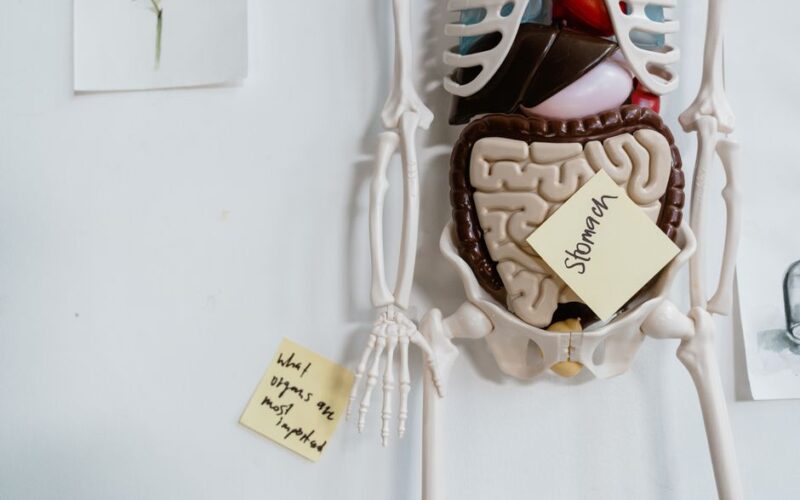

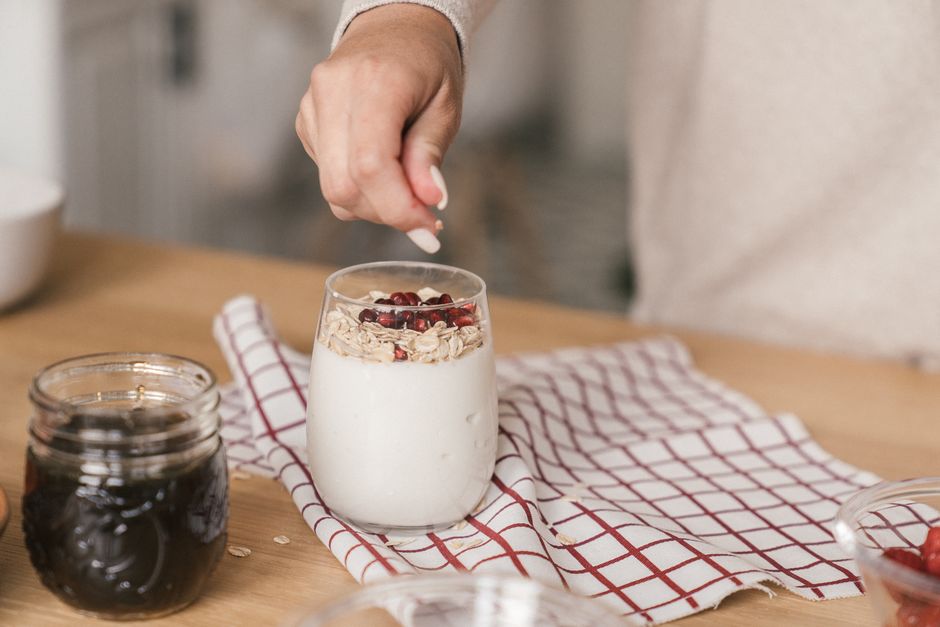
If you have ever finished a meal feeling sluggish, bloated, or oddly hungry an hour later, you know how much eating patterns affect the rest of your day. The good news is that the relationship between digestive health and meal timing is practical and learnable. You do not need a rigid schedule, expensive supplements, or a restrictive elimination plan to feel better after meals.
This guide walks you through the key factors that influence how your body processes food: when you eat, how much you eat at once, what you combine on your plate, and how fast you move through the meal. Small, realistic adjustments to these habits can meaningfully reduce common discomforts like afternoon energy crashes, post-meal heaviness, and persistent bloating while also helping you stay fuller and more focused throughout the day.

Key Takeaways Before You Start
- Meal timing matters, but meal composition and eating pace often matter more.
- Spreading food intake across the day in reasonable portions supports steadier blood sugar and gentler digestion.
- Eating quickly, skipping meals, or loading up too close to sleep are among the most common habits that undermine digestive comfort.
- You can adapt these principles to almost any schedule, culture, or food preference without cutting out entire food groups.

Why Digestive Health and Meal Timing Are Connected
Your digestive system runs on rhythm. Gastric acid, digestive enzymes, and bile are secreted in waves that roughly align with your circadian biology and learned meal patterns. When you eat at wildly inconsistent times, your body cannot fully anticipate the incoming fuel load, and digestion can become less efficient.
Research in chronobiology suggests that the body processes nutrients differently depending on the time of day. Insulin sensitivity, for example, tends to be higher in the morning and early afternoon than in the evening. This does not mean you must eat your largest meal at breakfast, but it does suggest that front-loading most of your calories earlier in the day may support better metabolic and digestive outcomes for many people.
Beyond timing on the clock, the physical experience of digestion is shaped by portion size, fiber content, hydration, fat and protein distribution, and the speed at which you eat. Understanding how these variables interact gives you much more leverage than simply watching the clock.
For a broader picture of how gut function connects to whole-person health, Digestive Health and Whole-Person Wellness: What You Should Know About Gut Function offers a helpful foundation to build on.
Step 1: Build a Loose Meal Schedule That Your Body Can Predict
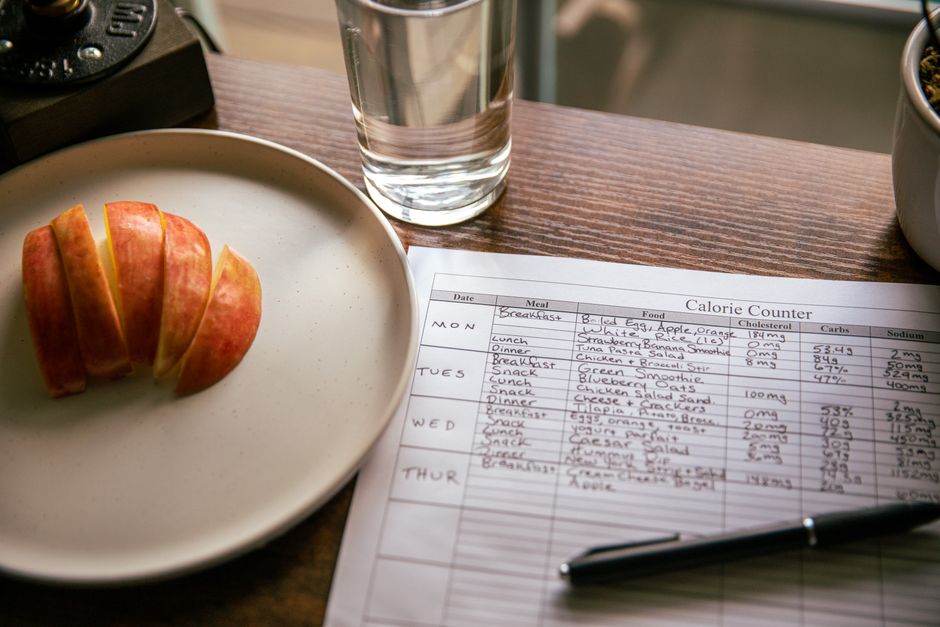
You do not need to eat at the same minute every day, but eating within a two-to-three-hour window of your usual mealtime most days helps your digestive system stay primed and ready. Think of it as giving your gut a general rhythm rather than a rigid timetable.
How Many Meals Work Best?
There is no universal answer. Research does not support one eating pattern as superior for everyone. Some people thrive on three balanced meals with little snacking. Others feel better with smaller, more frequent meals to avoid the energy dips that come with longer gaps. The key is to choose a pattern you can sustain and then keep it reasonably consistent.
If you regularly skip breakfast or go five or more hours without eating, your blood sugar often drops low enough to trigger fatigue, irritability, and the urge to overeat at the next opportunity. That rapid intake after a long gap can overwhelm the digestive system and contribute to bloating and discomfort. A high-protein breakfast anchors your mornings and can help prevent that pattern.
Managing the Late-Night Eating Trap
Eating a large meal within two to three hours of lying down is one of the most common contributors to poor sleep quality and nighttime digestive discomfort, including acid reflux and indigestion. Gravity assists the movement of food and stomach acid when you are upright. When you lie down shortly after a heavy meal, that mechanical advantage disappears.
If your schedule makes an earlier dinner difficult, try shifting your largest meal to lunch or keeping dinner lighter and easier to digest, emphasizing cooked vegetables, lean protein, and simpler carbohydrates rather than heavy fats or very large portions.

Step 2: Compose Your Meals for Steady Energy and Gentle Digestion
How you build your plate has as much impact on digestion and energy as when you eat. A meal that combines the right nutrients in reasonable proportions tends to digest more predictably and deliver more stable fuel.
The Role of Protein, Fiber, and Fat
- Protein slows gastric emptying, which helps you feel satisfied longer and reduces blood sugar spikes after meals. Include a source of protein at every meal, whether that is eggs, legumes, fish, poultry, Greek yogurt, or tofu.
- Fiber feeds beneficial gut bacteria and supports regular bowel movements. It also slows glucose absorption, which contributes to steadier energy. Prioritize vegetables, whole grains, legumes, and fruits rather than relying on fiber supplements.
- Healthy fats slow digestion further and support the absorption of fat-soluble vitamins. They also increase meal satisfaction. Avocado, nuts, seeds, olive oil, and fatty fish are practical sources.
The combination of all three at a single meal is a reliable strategy for both digestive comfort and sustained energy. For a deeper look at how these nutrient combinations work together, Eating for Stable Energy: Nutrient Combinations That Keep You Full and Focused All Day covers the subject in practical detail.
Portion Size: Enough, Not Overloaded
Your stomach is roughly the size of your fist when empty. It can stretch considerably, but regularly filling it to maximum capacity stresses the digestive process, slows gastric emptying, and often triggers bloating, reflux, or post-meal fatigue. A useful practical target: finish a meal feeling satisfied but not uncomfortably full, leaving a small amount of room.
If larger meals have been the norm, reducing portion sizes gradually rather than abruptly tends to be more sustainable. Pairing this habit with a slower eating pace (discussed in the next section) often makes the transition feel natural.

Step 3: Slow Down and Eat with Intention
Eating pace is one of the most underrated factors in digestive health and meal timing. Your body needs roughly 15 to 20 minutes for fullness signals from your gut to reach your brain. When you eat a full meal in 5 or 10 minutes, you typically overshoot your actual comfort zone before those signals arrive.
Slowing down also benefits the early stages of digestion directly. Saliva contains amylase, an enzyme that begins breaking down starchy carbohydrates in your mouth. Chewing thoroughly gives amylase more time to do its job and delivers smaller food particles to the stomach, reducing the workload further down the digestive tract.
Practical Ways to Slow Your Eating Pace
- Put your fork or spoon down between bites.
- Aim to chew each bite 15 to 20 times, especially harder or starchier foods.
- Remove distractions during meals when possible. Eating while scrolling or watching television is associated with faster eating and less awareness of fullness cues.
- Start meals with a small glass of water and a few slow breaths to shift out of a rushed mindset.
Practicing mindful eating does not require a formal routine. It simply means bringing some attention to the act of eating. Mindful Eating Without Restriction: How to Build a Calmer, More Intuitive Relationship with Food offers approachable guidance if this is new territory for you.
Step 4: Space Your Meals to Prevent Energy Gaps and Digestive Overload
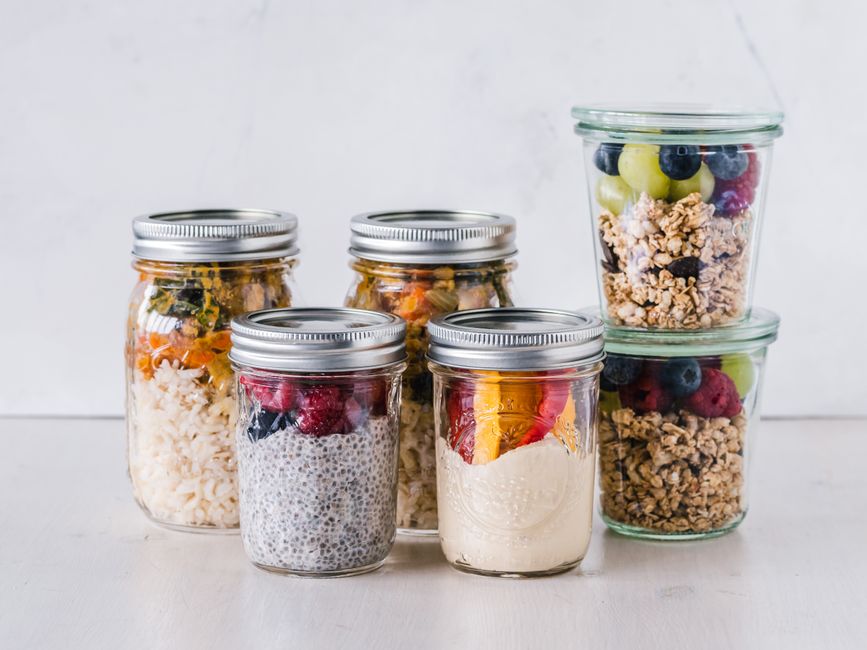
Most people benefit from spacing meals roughly three to five hours apart. This interval gives your stomach adequate time to empty before you add more food on top, which helps prevent the discomfort and sluggishness that often follow eating on top of an already-full digestive system.
If you feel genuinely hungry before that window closes, a small, balanced snack bridges the gap without overwhelming digestion. The most effective options include a source of protein and some fiber or fat rather than a high-sugar snack, which provides a quick lift followed by a crash. High-Protein Snacks and Light Meals for Sustained Energy Between Meals: Real Options Beyond Bars and Shakes offers practical ideas across different taste preferences and schedules.
Hydration Between Meals
Drinking adequate water throughout the day supports digestion by helping fiber move through the gut, softening stool, and maintaining the mucosal lining of the digestive tract. Sipping water steadily between meals rather than drinking large amounts immediately before or during a meal tends to work better for people who notice bloating or discomfort around mealtimes. There is no strong evidence that moderate water intake with meals harms digestion, but if drinking during meals bothers you, spacing your fluid intake is a simple adjustment worth trying.
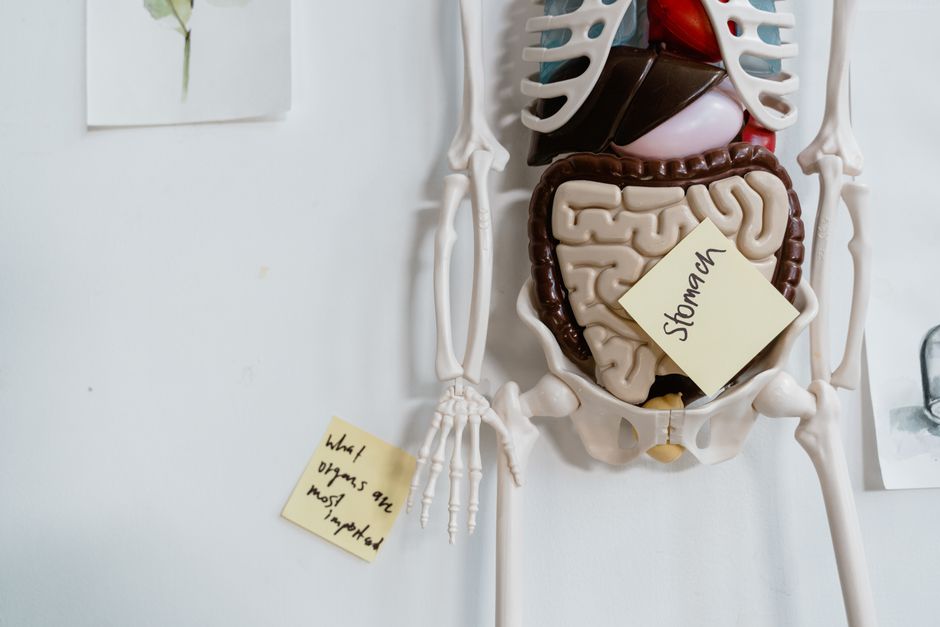
Step 5: Pay Attention to Your Personal Digestive Signals
General guidelines are useful starting points, but your body will always be the most informative source of feedback. Common patterns worth tracking include:
- Which foods or meal sizes consistently cause bloating or heaviness.
- Whether you feel more energetic and clear-headed when you eat at certain times.
- How your sleep quality changes when you eat dinner earlier versus later.
- How hunger and fullness cues shift when you slow your eating pace.
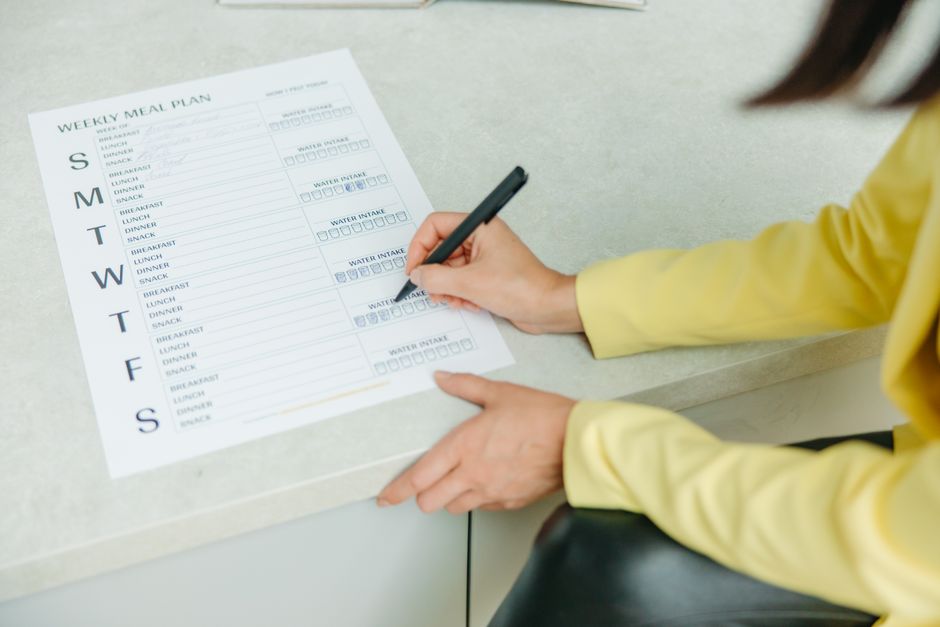
Keeping a simple food and symptom log for one to two weeks, even informally, can reveal patterns that help you personalize these principles without guesswork. This is especially valuable before concluding that a specific food group is the culprit. Many people eliminate foods unnecessarily when the real issue is portion size, eating pace, or meal timing.
If you also enjoy prepping meals in advance to reduce daily decision fatigue, Meal Prep for Beginners: Simple Systems to Save Time and Build Healthier Eating Habits provides a clear, low-stress starting framework.

Common Mistakes That Undermine Digestive Comfort
- Eating while stressed or rushed. Stress activates the sympathetic nervous system, which downregulates digestive activity. If you regularly eat at your desk under pressure or immediately after a stressful situation, digestion is already at a disadvantage.
- Relying on antacids as a first response. Occasional use is reasonable, but chronic reliance without addressing the underlying habits (large portions, late eating, fast eating) delays real improvement.
- Assuming more fiber is always better. Rapidly increasing fiber intake can cause gas and bloating. If you are adding more vegetables, legumes, or whole grains, do it gradually and increase water intake alongside.
- Over-snacking between meals. Frequent small nibbles without true hunger can keep the digestive system constantly working and prevent gastric emptying between meals, which may contribute to discomfort over time.
- Conflating food sensitivity with poor eating habits. Not every bout of bloating signals a food intolerance. Evaluate timing, pace, and portion before eliminating foods.
Safety Notes and When to Seek Professional Support
These strategies support general digestive wellness for otherwise healthy adults. They are not substitutes for medical evaluation. If you experience any of the following, consult a qualified healthcare professional:
- Persistent or severe abdominal pain.
- Unexplained changes in bowel habits lasting more than a few weeks.
- Blood in stool or unexplained weight loss.
- Frequent heartburn or acid reflux that does not improve with lifestyle adjustments.
- Symptoms that suggest a possible condition such as irritable bowel syndrome, celiac disease, or inflammatory bowel disease.
A registered dietitian can help you build a personalized eating strategy that accounts for your specific health history, food preferences, and any diagnosed conditions.

Frequently Asked Questions
Does eating late at night really cause weight gain?
The relationship is more nuanced than the common claim. Late-night eating tends to be associated with higher overall calorie intake and poorer food choices rather than a unique metabolic effect of nighttime eating. It can also disrupt sleep and digestion, which indirectly affect appetite regulation. Focusing on your total daily intake and meal composition matters more than a strict cutoff time, though eating a lighter dinner earlier generally supports better sleep and digestive comfort.
Is it better to eat more meals or fewer meals each day?
Neither pattern is universally superior. Research does not show that eating six small meals speeds metabolism in a clinically meaningful way. What matters more is total food quality, calorie balance relative to your needs, and choosing a pattern you can maintain consistently. Experiment with what feels best for your energy, hunger, and digestion.
**Why do I feel tired after eating?
**Post-meal fatigue, sometimes called a food coma, is common and usually related to large portion sizes, high-carbohydrate or high-fat meals, or the natural increase in blood flow to the digestive system after eating. Meals rich in protein, fiber, and moderate healthy fat with reasonable portions tend to produce less pronounced post-meal sluggishness.
How long does it take to notice improvements from changing meal timing habits?
Many people notice changes in energy and digestive comfort within one to two weeks of consistent adjustments. Bloating related to eating pace or portion size can improve faster. Changes affecting gut microbiome health typically take longer, often four to eight weeks of consistent dietary shifts.
Do I need digestive enzyme supplements to improve digestion?
For most healthy adults, the body produces sufficient digestive enzymes. Improving meal composition, slowing eating pace, managing stress, and staying hydrated are more reliable first steps. Digestive enzyme supplements may be appropriate for specific diagnosed conditions, but they are not necessary for general digestive wellness. Discuss their use with a qualified healthcare professional if you are curious.
Your Next Realistic Step
You do not need to overhaul everything at once. Pick one habit from this article that resonates with where you are right now. Maybe that is adding protein to breakfast, putting your fork down between bites, or moving dinner 30 minutes earlier. Practice it for one week before adding another change. Sustainable improvement in digestive health and meal timing is built through gradual, consistent adjustments, not through perfection.
If you found this guide helpful, explore Eating for Stable Energy: Nutrient Combinations That Keep You Full and Focused All Day for a closer look at how nutrient pairing keeps energy steady throughout the day. You are also welcome to join the Clean Body Mentor newsletter for practical weekly guidance on nutrition, movement, and whole-person wellness delivered to your inbox.
This article is for general educational and informational purposes only and is not a substitute for medical advice, diagnosis, or treatment. Health needs vary by individual. Consult a qualified healthcare professional before making significant changes to your diet, exercise routine, supplements, medication, or treatment plan, especially if you have a medical condition, are pregnant or breastfeeding, take medication, or have concerns about your symptoms.