
You want to feel stronger, have more energy for your kids, and build some muscle without spending hours at a gym. But between school runs, meal prep, bedtime routines, and whatever work is demanding this week, finding even 20 minutes for yourself feels like a scheduling miracle.
This is the exact situation millions of parents face, and the encouraging truth is that strength training for busy parents does not require a perfect schedule, an expensive gym membership, or even a dedicated workout space. What it does require is a realistic plan that bends around your life rather than demanding that your life bends around it.
In this article, you will find real examples of how parents at different stages have built sustainable strength habits at home, practical workout frameworks you can start this week, and honest strategies for staying consistent when family life inevitably gets messy.
Why Strength Training Matters Beyond Aesthetics
Before getting into the how, it helps to understand why building muscle matters for parents specifically. Strength training is not just about looking leaner or losing weight. Research suggests that regular resistance exercise supports bone density, metabolic health, energy levels, posture, and even mood regulation through hormonal effects on the brain.
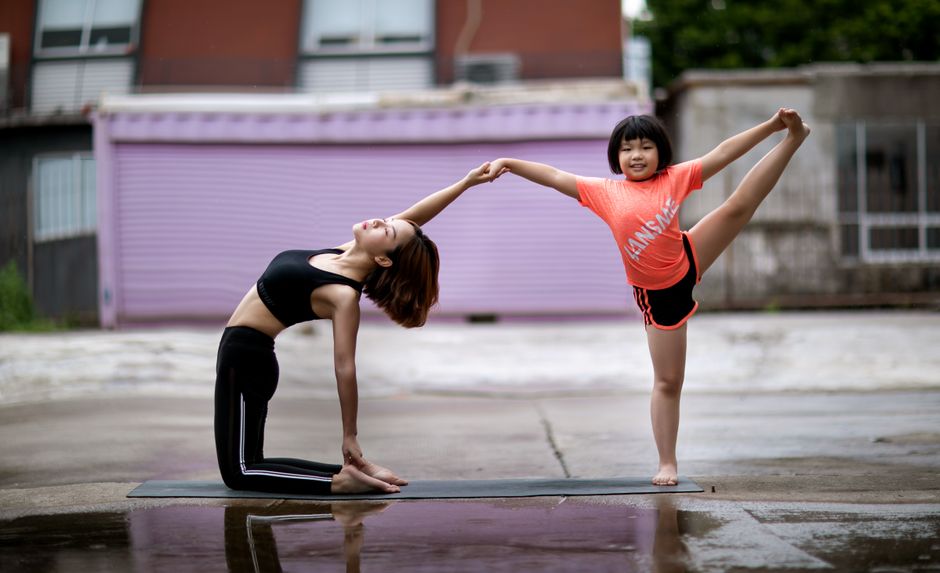
For parents, these benefits translate into something very practical: more physical resilience. Carrying a toddler up stairs, moving furniture during a bedroom rearrangement, recovering faster after a rough night of sleep, or simply having enough energy left at 7 p.m. to actually be present with your kids. These are the functional rewards that make strength training worth building into a busy life.
If you are newer to resistance exercise, starting with bodyweight movements is a smart and accessible entry point. The guide on Strength Training for Beginners at Home: Build Confidence and Lean Muscle Without Equipment or a Gym is a good companion read before progressing to more complex programming.

The Real Barriers Busy Parents Face
Before offering solutions, it is worth naming the actual obstacles honestly, because generic fitness advice often glosses over what makes parenting schedules uniquely difficult.
Time Is Fragmented, Not Just Limited
Most parents do not have one large block of time that disappears. They have dozens of small windows that get interrupted unpredictably. A 30-minute workout can become a 12-minute workout the moment a child wakes up early or needs something. This unpredictability makes rigid programming frustrating.
Energy Is Inconsistent
Parents, especially those with young children or newborns, often deal with broken sleep and physical fatigue that varies wildly from day to day. A plan that requires maximum effort five times a week will fail most parents within two weeks.
Guilt and All-or-Nothing Thinking
Many parents abandon a routine the moment they miss a session, treating one skipped workout as evidence that the whole plan is off the rails. This perfectionism pattern is one of the biggest barriers to sustainable fitness, and it has nothing to do with motivation.
If you recognize this pattern in yourself, the piece on How Three Readers Built Sustainable Healthy Habits Without Perfectionism: Real Stories and Honest Lessons speaks directly to that experience.
Real Parent Stories: What Actually Worked
The following examples are composites drawn from common patterns and experiences shared across parent fitness communities. Names are illustrative.
Maya, Mom of Two Under Five: The Nap Window Workout
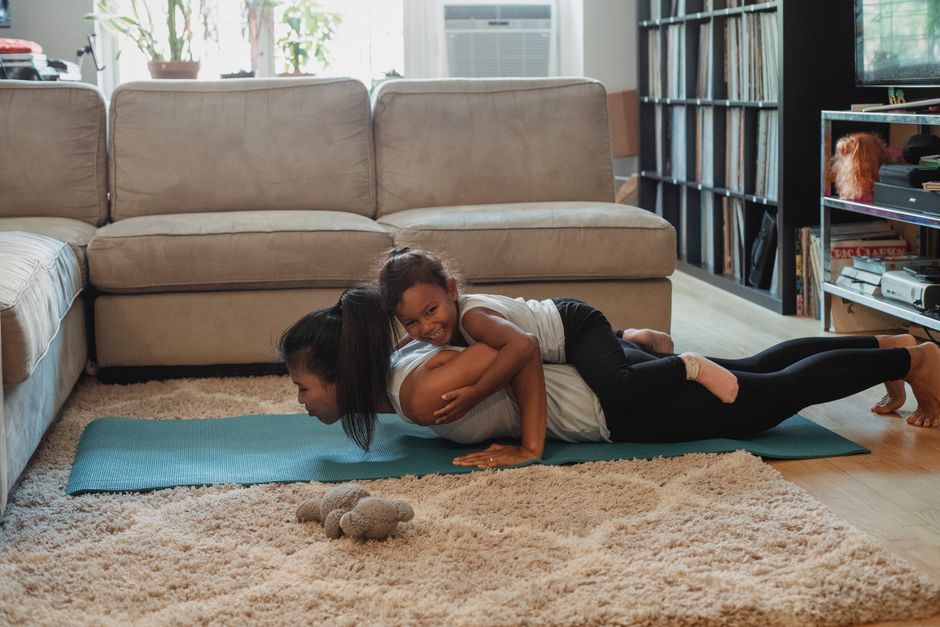
Maya had tried joining an online program three times and quit each time when her younger child’s nap schedule shifted. Her breakthrough came when she stopped treating workouts as sacred, uninterrupted events and started treating them as flexible windows.
Her approach: three 20-minute sessions per week, always during the overlap when both kids nap or rest. She picked five exercises, set a timer, and moved through as many rounds as she could complete. If the baby woke at 15 minutes, she stopped. She did not repeat the session or feel behind. She simply showed up again at the next window.
Over four months, Maya completed around 40 of a possible 48 sessions, which is an 83 percent consistency rate. That is not perfection, and it produced real results: improved posture, noticeably stronger legs and core, and, by her own account, significantly better energy in the afternoons.
Her five exercises rotated around bodyweight squats, push-up variations, reverse lunges, glute bridges, and a plank hold. Simple, equipment-free, and effective.
Daniel, Dad of Three School-Age Kids: Early Morning Minimalism
Daniel is a secondary school teacher and father of three. He tried evening workouts for years and kept skipping them because by 8 p.m. he was spent. His solution was shifting to 6 a.m. sessions before anyone else woke up, but with a crucial twist: he committed to a maximum of 25 minutes, not a minimum.
This reframe was important. He was not forcing himself to exercise for 25 minutes. He was giving himself permission to stop at 25 minutes even if he felt good. This made starting feel lower-stakes.
Daniel’s routine used a set of adjustable dumbbells he already owned and a pull-up bar installed in a doorframe. Three days per week, he alternated between an upper-body focus (push-ups, dumbbell rows, shoulder press, tricep dips) and a lower-body focus (goblet squats, Romanian deadlifts with dumbbells, step-ups on stairs, calf raises). Core work was woven in as a finisher.
For progressive overload guidance and how to structure this kind of routine over time, the article on Building a Sustainable Strength Training Routine at Home: Progressive Workouts From Bodyweight to Basic Equipment covers exactly that framework.
Priya, Single Parent Working Full-Time: Movement Stacking
Priya had the least available time of anyone in these examples. As a single parent working full-time, she could rarely carve out a dedicated workout block without sacrificing sleep, which she refused to do. Instead, she used a strategy called movement stacking: attaching short sets of exercises to activities she was already doing.
While her daughter watched her 30-minute weekend show, Priya completed four rounds of squats, push-ups, and core work in the same room. While waiting for dinner to cook on a weeknight, she did two sets of glute bridges on a yoga mat in the kitchen. While her daughter rode her bike in the driveway, Priya did step-ups and lunges on the front steps.
None of these felt like a traditional workout. But when Priya tracked her movement across a typical week, she was completing roughly 90 minutes of resistance-based activity distributed across six or seven days. Over time, this added up to genuine strength gains and a shift in body composition that she described as the most sustainable progress she had ever made.
Her story aligns closely with what research suggests about exercise frequency and volume: total weekly training volume matters more than how that volume is organized within the week.
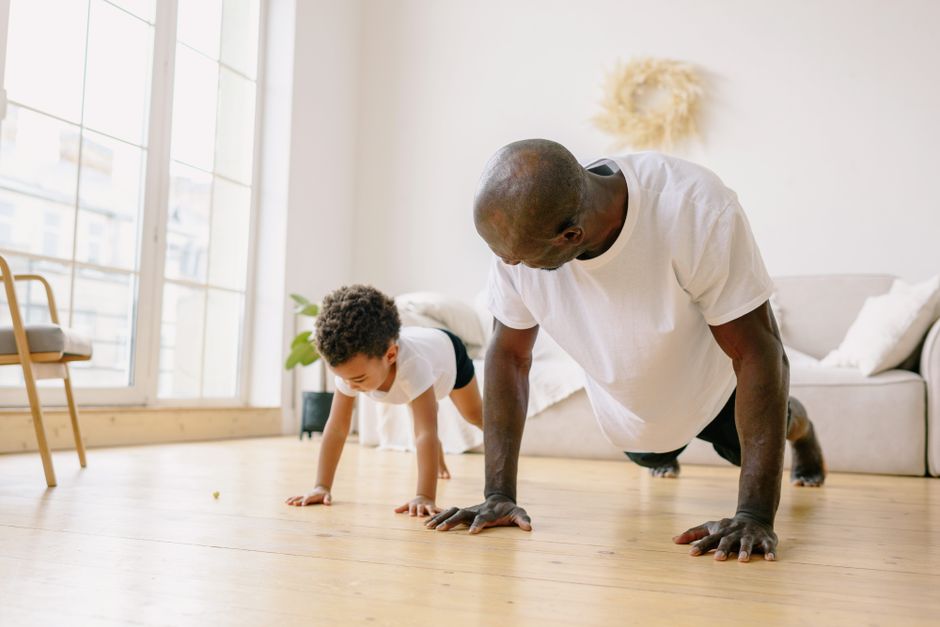
Building Your Own Framework: A Practical Starting Point
Based on the patterns above, here is a flexible framework for strength training as a busy parent. Adjust based on your available windows, energy, and experience level.
Choose Your Minimum Viable Session
Decide what your non-negotiable minimum looks like. For most busy parents, 15 to 20 minutes is achievable three to four times per week. This is enough to stimulate muscle growth and functional fitness improvements when done consistently over months.
Your minimum viable session might look like this:
- 5 minutes of light movement to warm up (arm circles, bodyweight squats, hip hinges)
- 10 to 15 minutes of 3 to 4 exercises for 2 to 3 sets each
- Optional: 3 to 5 minutes of stretching or a plank finisher
Select Your Core Exercise Categories
A well-rounded session for a parent typically includes at least one exercise from each of these movement patterns:
- Push (push-ups, incline push-ups, dumbbell press)
- Pull (dumbbell rows, resistance band rows, bodyweight rows under a table)
- Hinge (glute bridges, Romanian deadlifts, single-leg deadlifts)
- Squat (bodyweight squats, goblet squats, split squats)
- Core (plank variations, dead bugs, bird dogs)
You do not need to hit all five in every session. Two or three movement patterns per session, done consistently, will build functional strength over time.
Progress Gradually
Increasing challenge over time, known as progressive overload, is what drives continued strength gains. For equipment-free training, this means adding reps, slowing the tempo, reducing rest time, or moving to harder variations. Push-ups progress to decline push-ups. Bodyweight squats progress to single-leg squats. Glute bridges progress to single-leg glute bridges.
For women over 40 who want more specific guidance on building muscle and protecting bone density at home, the article on Strength Training for Women Over 40: Build Muscle, Bone Density, and Confidence at Home provides excellent age-specific considerations.
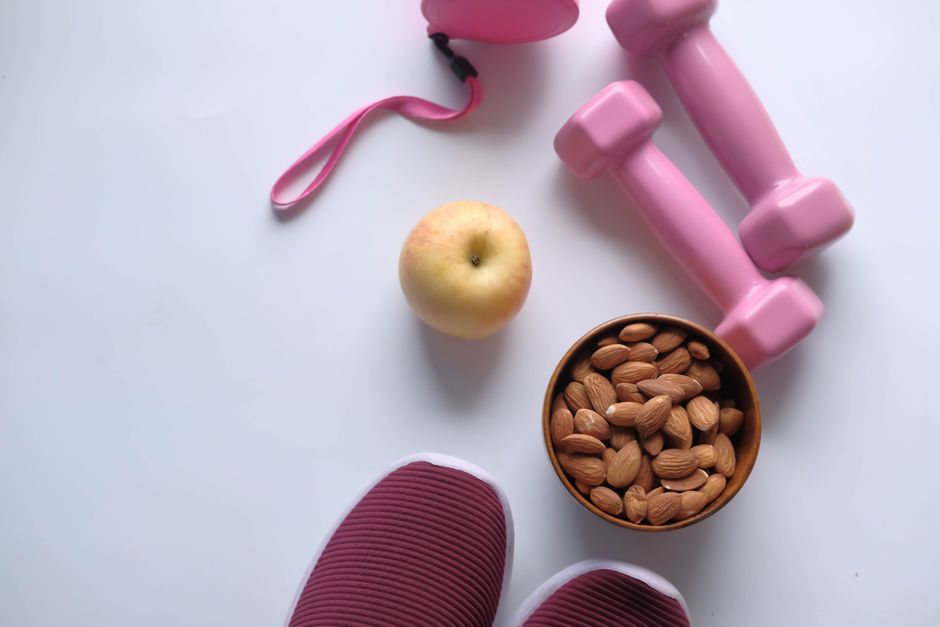
Fueling Your Workouts Without Overcomplicating Nutrition
Strength training works better when your nutrition supports recovery. You do not need a rigid meal plan or supplements, but a few practical habits can make a meaningful difference.
Protein is the nutrient most directly linked to muscle repair and growth. Research suggests that spreading protein intake across meals throughout the day, rather than concentrating it in one meal, may support better muscle protein synthesis. For busy parents, this often means having a high-protein snack or breakfast ready without much preparation time.
For easy, practical ideas, see High-Protein Breakfast Ideas for Steady Energy and Satiety and High-Protein Snacks and Light Meals for Sustained Energy Between Meals: Real Options Beyond Bars and Shakes.
You do not need to track every gram. Prioritizing whole food protein sources at most meals (eggs, legumes, Greek yogurt, chicken, fish, tofu, cottage cheese) and staying reasonably hydrated will support your training without adding mental overhead to an already full schedule.
Common Mistakes That Stall Progress
Skipping Recovery Days
Muscle is built during rest, not during the workout itself. Many parents who finally find workout momentum make the mistake of training every day to make up for lost time. This increases injury risk and undermines the adaptation process. Recovery days are not laziness. They are part of the plan. The article on Recovery Days and Active Rest: Why Your Body Needs Breaks as Much as It Needs Workouts explains this clearly.
Waiting for the Perfect Conditions
If you wait until the house is quiet, the kids are sleeping, the kitchen is clean, and you have slept eight hours, you may wait indefinitely. Progress comes from imperfect sessions done consistently, not perfect sessions done rarely.
Only Doing Cardio
Many parents gravitate toward walking or light cardio because it feels more manageable and requires less mental load. Walking is genuinely valuable for health and fat loss. But without resistance training, you are missing the muscle-building and metabolic benefits that come from challenging your muscles to work against load. Both can coexist in a balanced weekly routine.
Starting Too Ambitiously
A five-days-per-week program sounds impressive in week one and unsustainable by week three. Starting with two or three sessions per week and building from there gives you a foundation to expand rather than a ceiling you keep failing to reach.
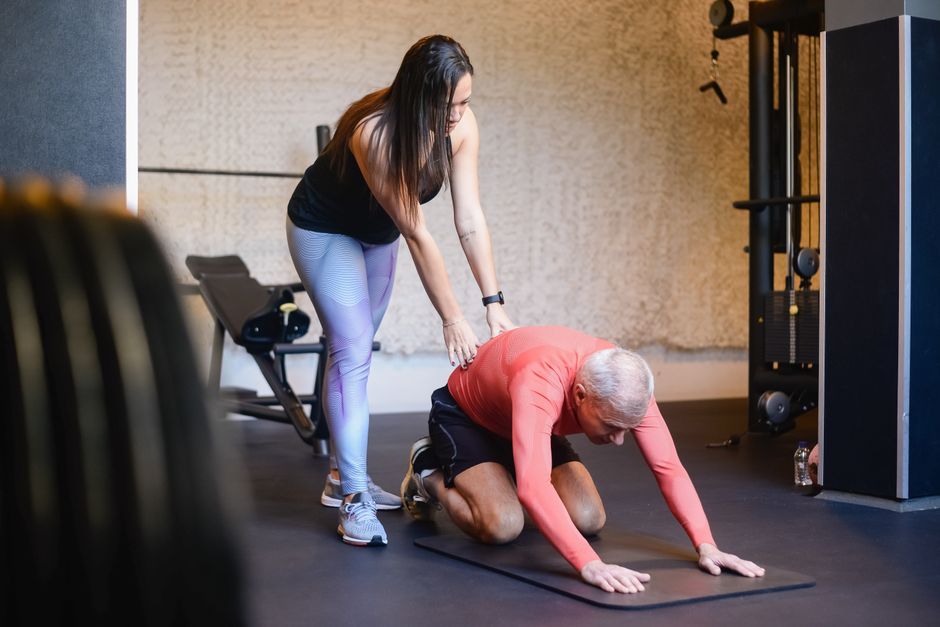
When to Get Professional Guidance
Most healthy adults can begin a bodyweight strength routine without prior assessment. However, if you have a known injury, chronic joint pain, a recent surgery, a postpartum recovery concern, or a medical condition that affects exercise tolerance, working with a qualified exercise professional or physiotherapist before starting is a sound investment. They can help you modify movements so you progress safely rather than compensating in ways that create problems later.
If stress, poor sleep, or emotional fatigue is making exercise feel impossible, those are valid signals worth addressing directly rather than pushing through. Movement supports mental well-being, but it is not a substitute for rest or professional mental-health support when those are needed.

Frequently Asked Questions
How many days per week should a busy parent aim to strength train?
Two to three days per week is a realistic and effective starting point for most parents. Research supports that meaningful strength and muscle gains are achievable at this frequency when sessions are consistent and challenging. You can always add a fourth day once the habit feels stable.
Do I need any equipment to get started?
No. Bodyweight exercises alone (push-ups, squats, glute bridges, lunges, planks) provide sufficient resistance to build strength, especially for beginners. A resistance band or a set of light dumbbells can add variety later, but neither is required to start.
How long before I notice results from strength training at home?
Most people notice improvements in how they feel (energy, posture, ease of daily tasks) within three to four weeks of consistent training. Visible changes in body composition typically take six to twelve weeks or longer, depending on consistency, nutrition, sleep, and individual factors. Patience and consistency matter more than intensity.
Can I do strength training while my kids are around?
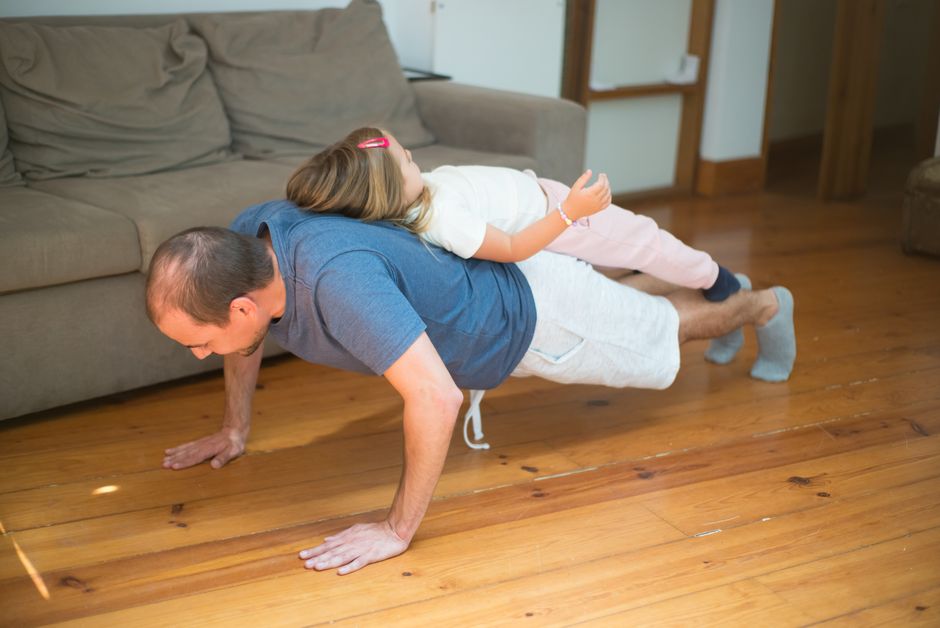
Absolutely. Many parents use workout time as an opportunity to model healthy habits for their children. Kids can watch, mimic movements, or simply play nearby. Sessions do not need to be uninterrupted to be effective.
What if I miss a week due to illness or family demands?
Start again with the next available window. One missed week does not erase progress. The fitness research on detraining suggests noticeable strength losses begin after approximately two to three weeks of complete inactivity, and even then, regaining fitness takes less time than building it originally. A week off is a rest, not a failure.
A Realistic Next Step
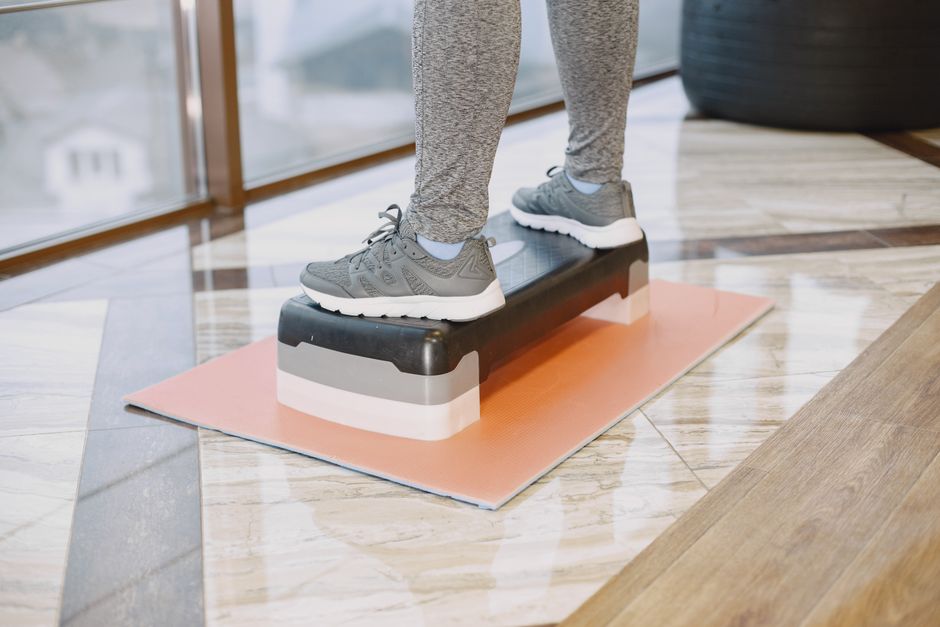
If you have read this far and want to move forward, here is one concrete action: choose one 15 to 20-minute window in your week that already exists in your schedule, such as a nap time, a weekend morning, or the 20 minutes while dinner simmers. Plan three exercises you can do in that space without any equipment. Do those three exercises this week, and notice how you feel afterward.
That is it. One session. One window. One commitment.
If you want more structure, the Strength Training for Beginners at Home: Build Confidence and Lean Muscle Without Equipment or a Gym guide provides a step-by-step program that builds progressively from week one. You can also subscribe to the Clean Body Mentor newsletter for practical weekly wellness guidance designed for real-life schedules.
This article is for general educational and informational purposes only and is not a substitute for medical advice, diagnosis, or treatment. Health needs vary by individual. Consult a qualified healthcare professional before making significant changes to your diet, exercise routine, supplements, medication, or treatment plan, especially if you have a medical condition, are pregnant or breastfeeding, take medication, or have concerns about your symptoms.