

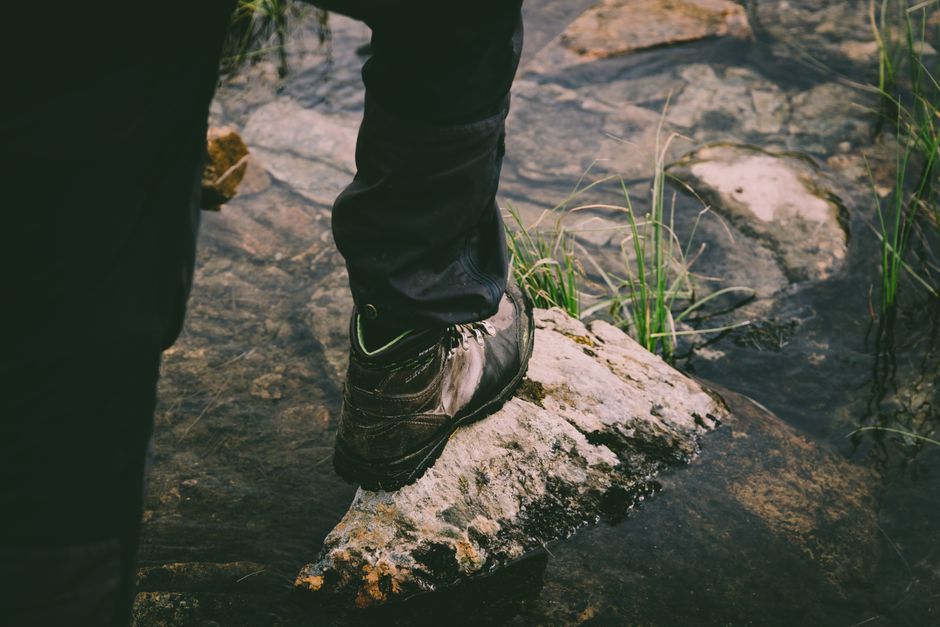
If your ankles feel wobbly on stairs, your feet fatigue quickly on long walks, or you have rolled an ankle doing something as ordinary as stepping off a curb, flat pavement may be part of the problem rather than the solution.
This is not a knock on sidewalks. Flat surfaces are practical and accessible. But when pavement becomes the only ground you walk on, your feet and ankles gradually learn to do very little. Trail walking ankle stability and foot strength are built through uneven ground, and the biomechanical difference matters more than most people realize.
What Flat Pavement Actually Does to Your Feet
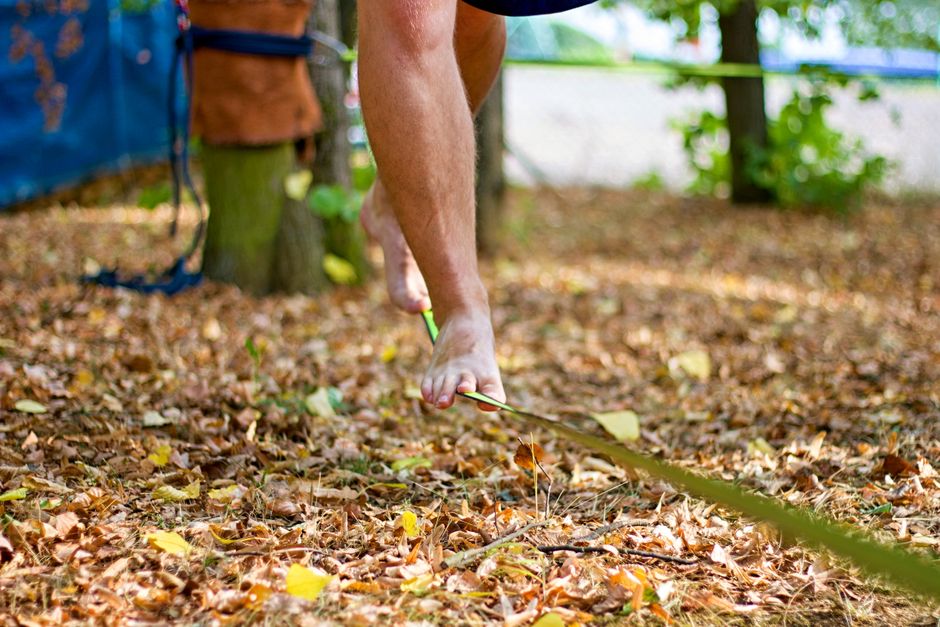
When you walk on a perfectly level surface, your ankle moves through a narrow, predictable arc. The same muscles fire in the same order, at the same intensity, on every stride. Your smaller stabilizing muscles, the intrinsic foot muscles that control toe splay, arch tension, and micro-adjustments to balance, have almost nothing to do.
Over months and years of exclusively flat walking, these muscles weaken through disuse. Research published in the Journal of Foot and Ankle Research notes that reduced activation of intrinsic foot muscles is associated with flattened arches, reduced proprioceptive acuity, and increased vulnerability to ankle sprains (Jam, 2004, cited in systematic reviews on foot muscle function). Stiff, cushioned footwear accelerates this by absorbing the sensory feedback your foot would otherwise use to adapt.
The result is feet that are technically walked on every day but functionally undertrained.
How Uneven Ground Changes Everything
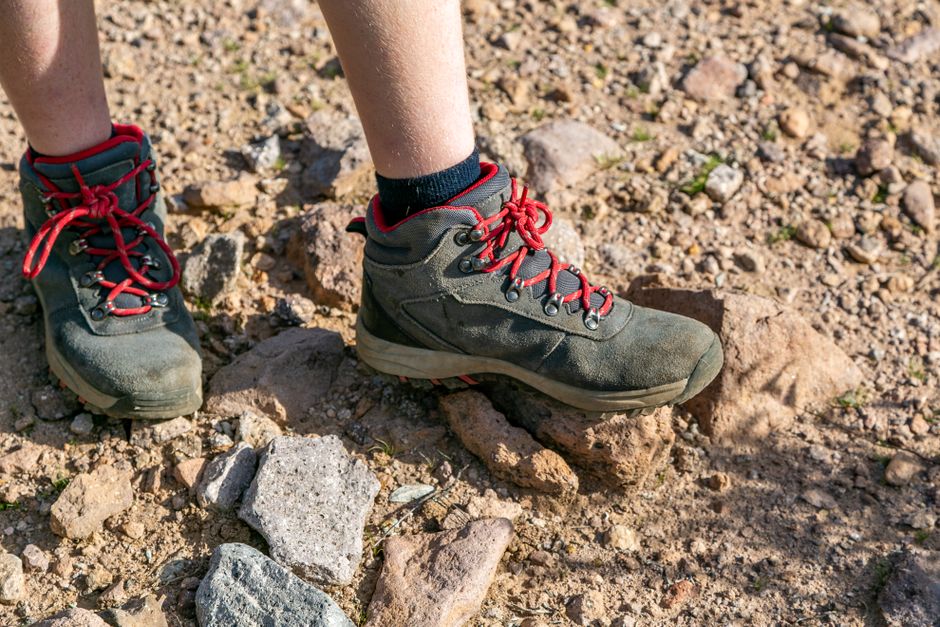
Step onto a trail with roots, rocks, and slight inclines, and something immediate happens: your foot has to solve a new puzzle on every stride. Your ankle tilts slightly, your toes spread and grip, your arch stiffens and releases, and your brain receives a continuous stream of position data from the mechanoreceptors in your foot’s skin and connective tissue.
This is proprioception at work. Proprioception is your nervous system’s ability to sense where your body is in space without looking at it. Uneven terrain trains proprioception in a way flat pavement simply cannot replicate, because it demands real-time recalibration rather than automated repetition.
The practical gains are meaningful:
- Stronger intrinsic foot muscles from constant micro-stabilization
- Better ankle joint awareness, which research suggests reduces lateral sprain risk (Hrysomallis, Journal of Strength and Conditioning Research, 2007)
- Improved balance on everyday surfaces like wet floors, curbs, and gravel driveways
- Reduced reliance on footwear for structural support over time
For a deeper look at how the barefoot-versus-shoe debate intersects with foot strength, Barefoot Walking vs. Supportive Shoes for Daily Movement: Which Builds Foot Strength Without Sacrificing Safety walks through the tradeoffs with practical context.
Pavement vs. Trail: A Direct Comparison
| Feature | Flat Pavement | Uneven Trail |
|---|---|---|
| Intrinsic muscle activation | Low | High |
| Proprioceptive demand | Minimal | Continuous |
| Ankle stabilizer engagement | Narrow range | Full range |
| Balance challenge | Predictable | Variable |
| Injury risk if unprepared | Low | Moderate (manageable) |
| Long-term stability benefit | Limited | Significant |
The trade-off is honest: trail walking carries a higher immediate risk if you start too aggressively, especially with existing ankle weakness or balance problems. That risk is manageable with a sensible progression.
Getting Started Safely: A Progressive Trail Plan
You do not need steep mountain terrain to get the benefits. The goal is variability, not difficulty.
Weeks 1 to 2: Light texture underfoot
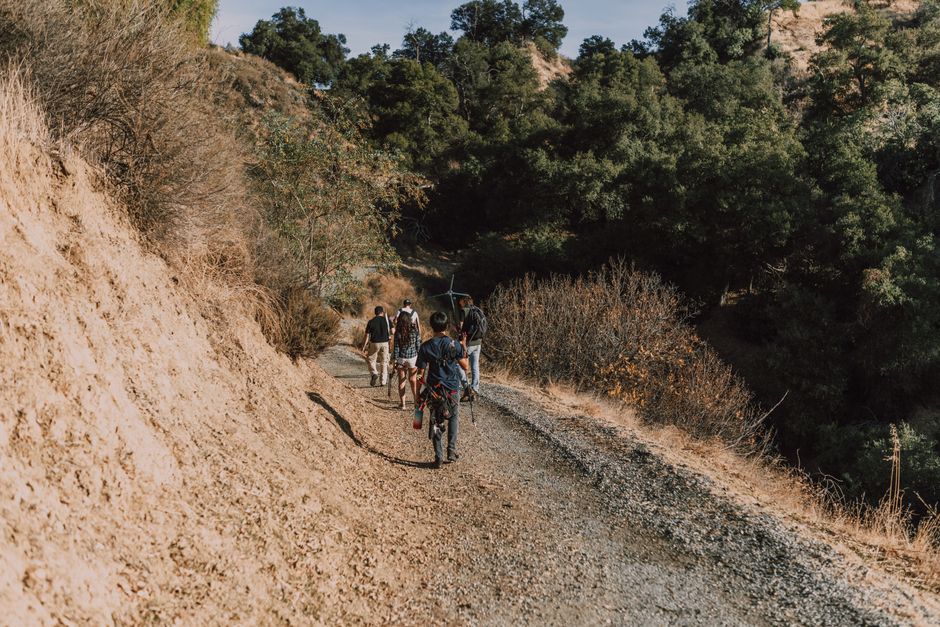
Choose a park path with occasional roots, grass edges, or gravel patches. Walk your usual distance at your usual pace. Pay attention to how your ankles feel during and after. If you notice moderate fatigue in the arch or outer ankle, that is the stabilizers working. Soreness that lingers more than a day or two is a signal to reduce intensity.
Weeks 3 to 4: Gradual incline and surface variety
Add short gentle hills or a gravel trail. Keep the total walk time the same but allow your attention to shift to foot placement. Walking more slowly on unfamiliar terrain is not a weakness; it is exactly the kind of mindful, deliberate movement that builds proprioceptive skill.
Week 5 and beyond: Incorporate natural obstacles
Step over small logs, walk across a gentle slope, or choose a trail with slight camber. These movements engage the ankle evertors and invertors through ranges of motion that flat pavement never demands.
If tight calves or existing ankle weakness are holding you back, How Tight Calves and Weak Ankles Sabotage Your Walking Habit: Progressive Bodyweight Drills to Rebuild Strength provides a structured at-home rebuilding plan that pairs well with this trail progression.
What to Wear and What to Watch For
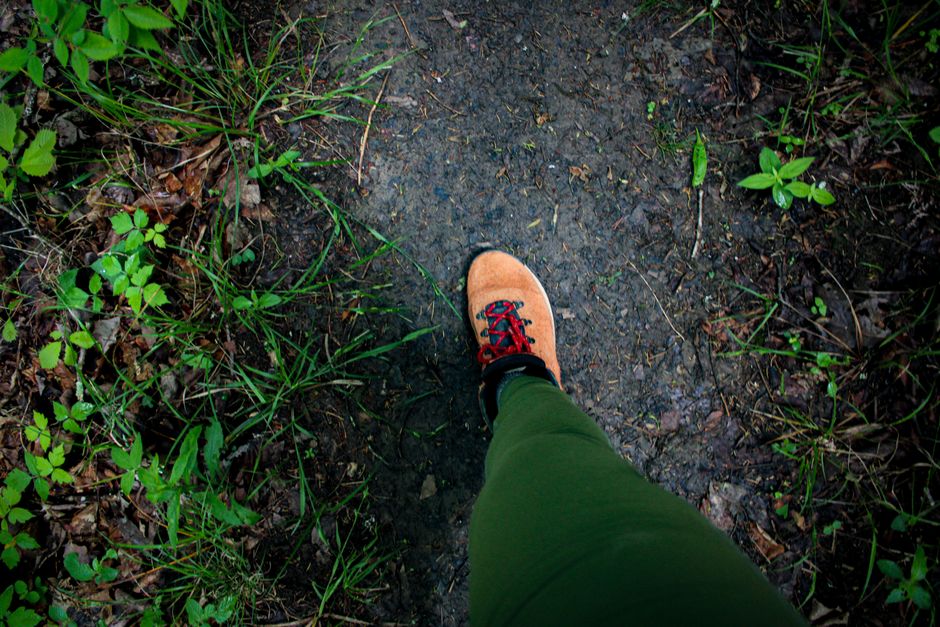
You do not need technical hiking boots for gentle trails. A walking shoe with a wider toe box and moderate (not maximal) cushioning gives enough ground feel without leaving your ankles fully exposed. True trail running shoes with a low heel drop are a good middle ground once you have built a few weeks of base.
Watch for these signs that you are progressing well: your ankles feel more confident on irregular ground over time, you catch small stumbles more easily, and the arch of your foot feels engaged rather than flat after a walk. If you experience sharp pain, persistent swelling, or instability that worsens, stop and consult a qualified healthcare professional before continuing.
Desk workers with particularly locked-up movement patterns may also benefit from supplementing trail walks with the exercises in How to Restore Foot Strength and Ankle Stability When Desk Work Has Locked Your Movement: A Progressive Home Routine before heading onto uneven ground.
The Bigger Picture: Stability That Transfers to Daily Life
Trail walking ankle stability does not stay on the trail. When your feet and ankles become accustomed to adapting, they carry that adaptability everywhere. You step off a bus more confidently. You recover from a missed step faster. You stand on one leg without gripping the counter for balance.
For those also building a broader movement habit, Outdoor Walking vs. Gym Strength Training for Sustainable Fat Loss and Mood: An Honest Comparison for Beginners places trail walking inside a wider conversation about what different types of movement offer your body over time.
Start small. One ten-minute walk on a textured surface this week is more valuable than a perfect plan you delay for a month. Pick one trail, park path, or gravel edge near you and commit to it twice this week. Your ankles will begin adapting from the very first session.
This article is for general educational and informational purposes only and is not a substitute for medical advice, diagnosis, or treatment. Health needs vary by individual. Consult a qualified healthcare professional before making significant changes to your diet, exercise routine, supplements, medication, or treatment plan, especially if you have a medical condition, are pregnant or breastfeeding, take medication, or have concerns about your symptoms.
Sources
- Jam, B. (2004). Evaluation and retraining of the intrinsic foot muscles. Journal of Foot and Ankle Research (referenced in subsequent systematic reviews on intrinsic foot muscle function).
- Hrysomallis, C. (2007). Relationship between balance ability, training and sports injury risk. Journal of Strength and Conditioning Research (proprioception and ankle sprain risk literature).
- Physiotherapy evidence summaries on proprioceptive training and ankle stability: PEDro database (physio.unisa.edu.au/pedro).


