

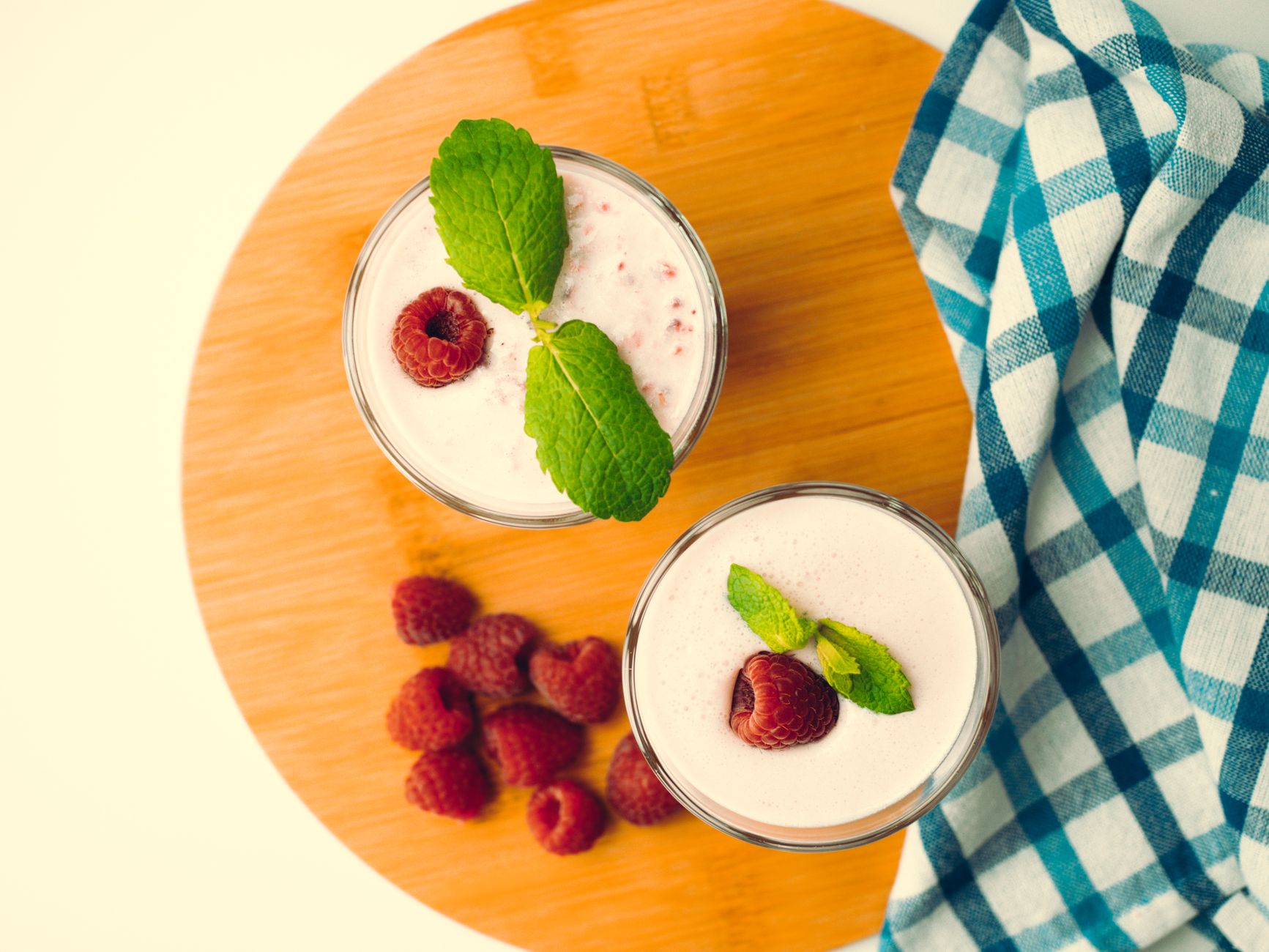
You blend a frozen banana, a handful of spinach, some Greek yogurt, and berries. Pour it into a glass and you have a 400-calorie breakfast. Spoon the same mixture into a bowl and add granola, chia seeds, and sliced almonds and you have a 480-calorie breakfast that research suggests may keep you satisfied noticeably longer. The calorie gap is small. The hunger difference, though, can stretch two or three hours.
This is not about one format being healthier than the other. It is about understanding which one actually works for your appetite, your schedule, and your digestion.
Why Texture Changes the Way You Feel Full
Satiety is not just about calories reaching your stomach. It starts in your mouth.
When you chew, your jaw muscles send signals to your brain that food has arrived. Research published in Physiology and Behavior (2011) found that increased chewing time before swallowing reduced total calorie intake at a meal by decreasing hunger ratings, partly through slower eating pace. A drinkable smoothie bypasses most of this process because you are rarely chewing at all.
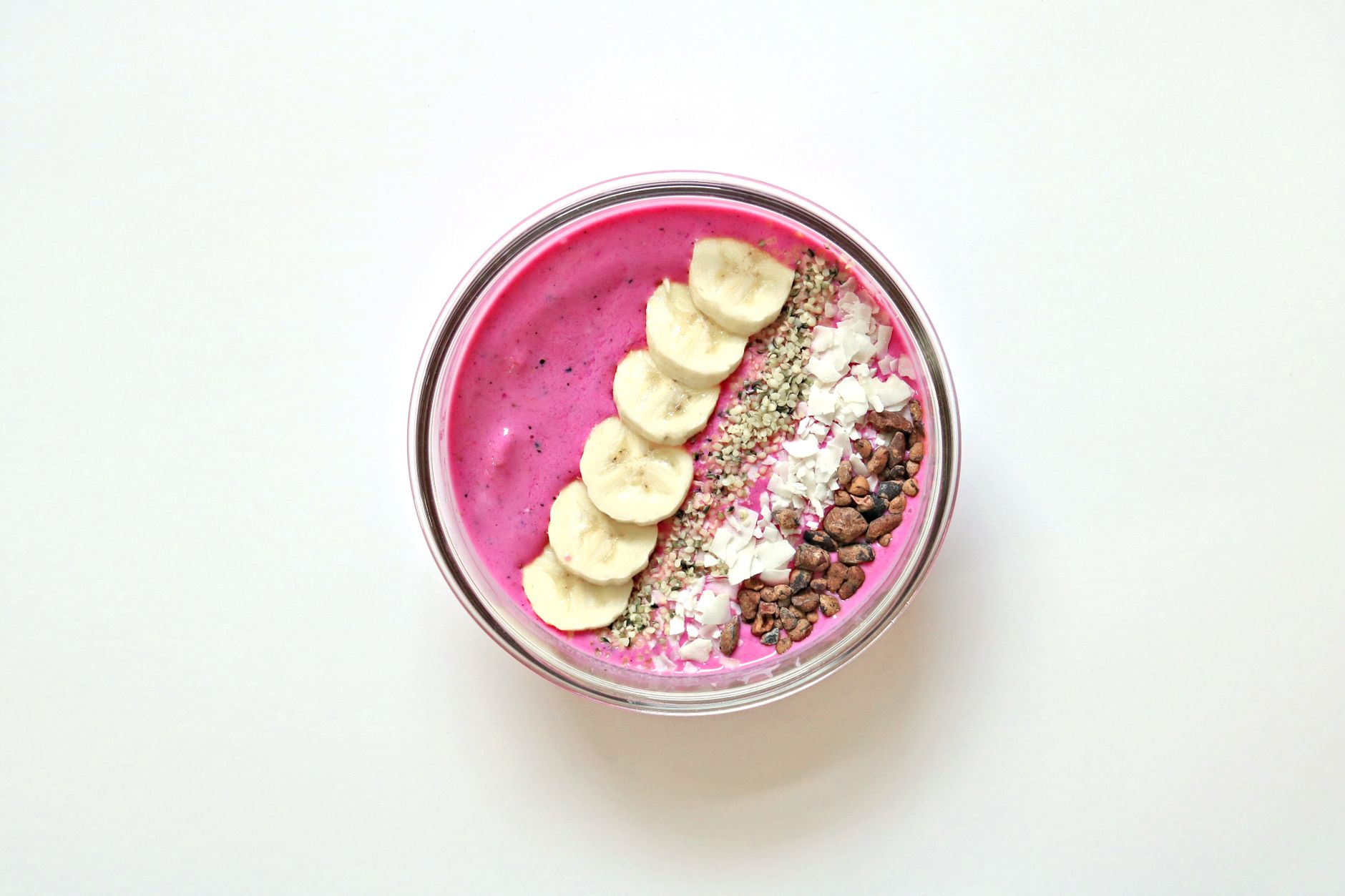
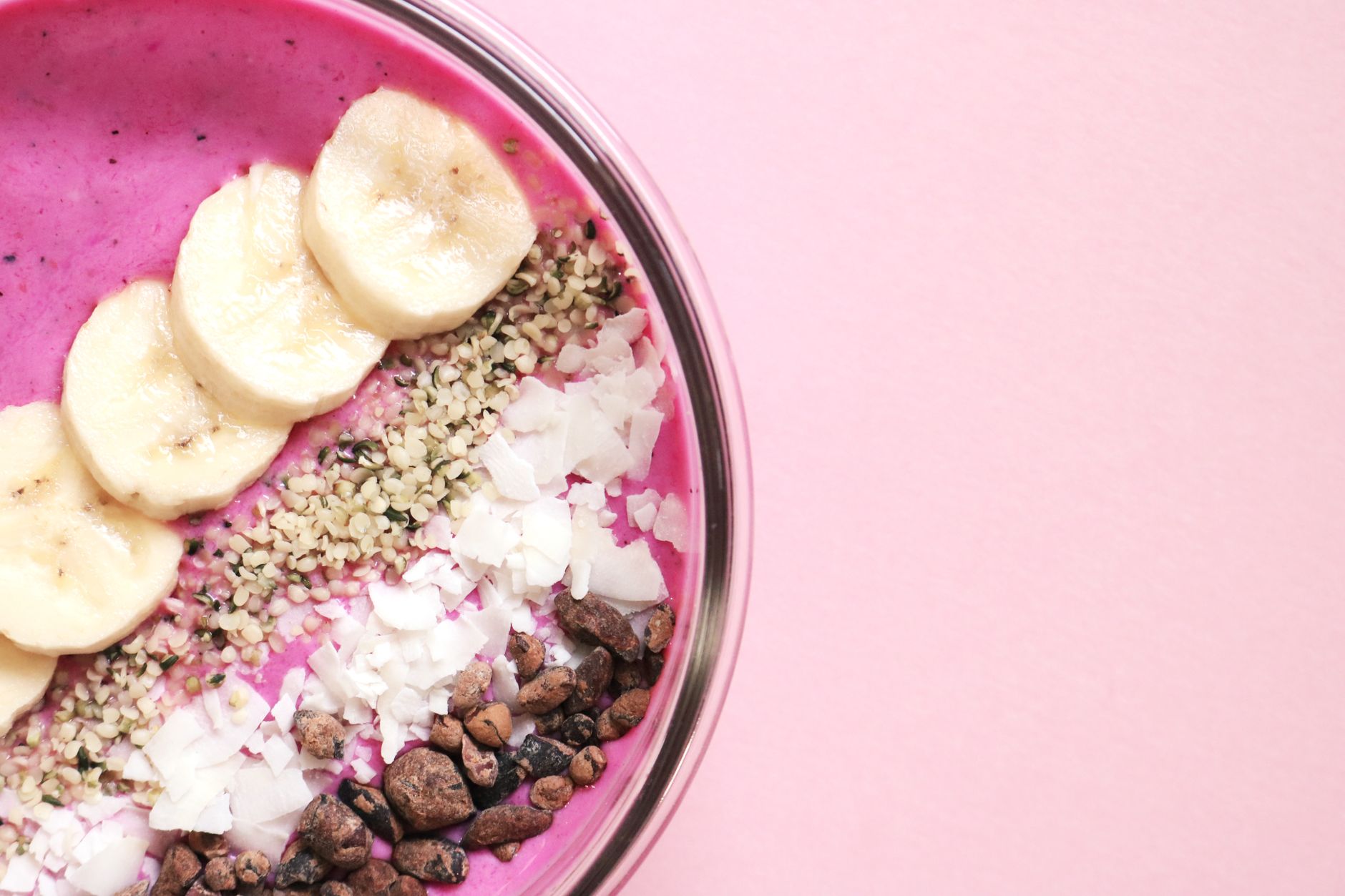
A smoothie bowl eaten with a spoon, topped with granola, seeds, or fresh fruit chunks, forces you to chew repeatedly. That mechanical action activates the cephalic phase digestive response, a pre-digestion process where saliva production and stomach acid secretion begin before food even arrives in your gut. The result is a more prepared and responsive digestive system.
If you are curious about how meal composition affects digestion comfort beyond just format, the Clean Body Mentor guide on Digestive Comfort Without Posture Fixes: Why Your Meal Composition Matters More Than Sitting Upright is worth a read.
The Eating Pace Effect
Beyond texture, the time it takes to finish your breakfast matters.
Most people consume a drinkable smoothie in two to four minutes. A smoothie bowl with toppings typically takes eight to twelve minutes. This difference is relevant because hormonal satiety signals, particularly peptide YY and cholecystokinin (CCY), take roughly fifteen to twenty minutes to reach your brain after you begin eating, according to research reviewed by the National Institute of Diabetes and Digestive and Kidney Diseases (NIDDK).
When you finish a glass smoothie quickly, your body has not yet registered fullness. You may feel satisfied briefly but find yourself snacking again within ninety minutes. The slower pace of a smoothie bowl gives your body more time to catch up to what you have eaten, so the satiety signal arrives before the bowl is empty.
This is one reason that high-protein smoothie recipes built for real satiety often suggest adding thickness and toppings rather than simply increasing protein grams.
Ingredient Load: Why the Bowl Format Naturally Packs More
There is a practical side to the smoothie bowl vs smoothie which fills you longer debate: bowls invite more toppings.
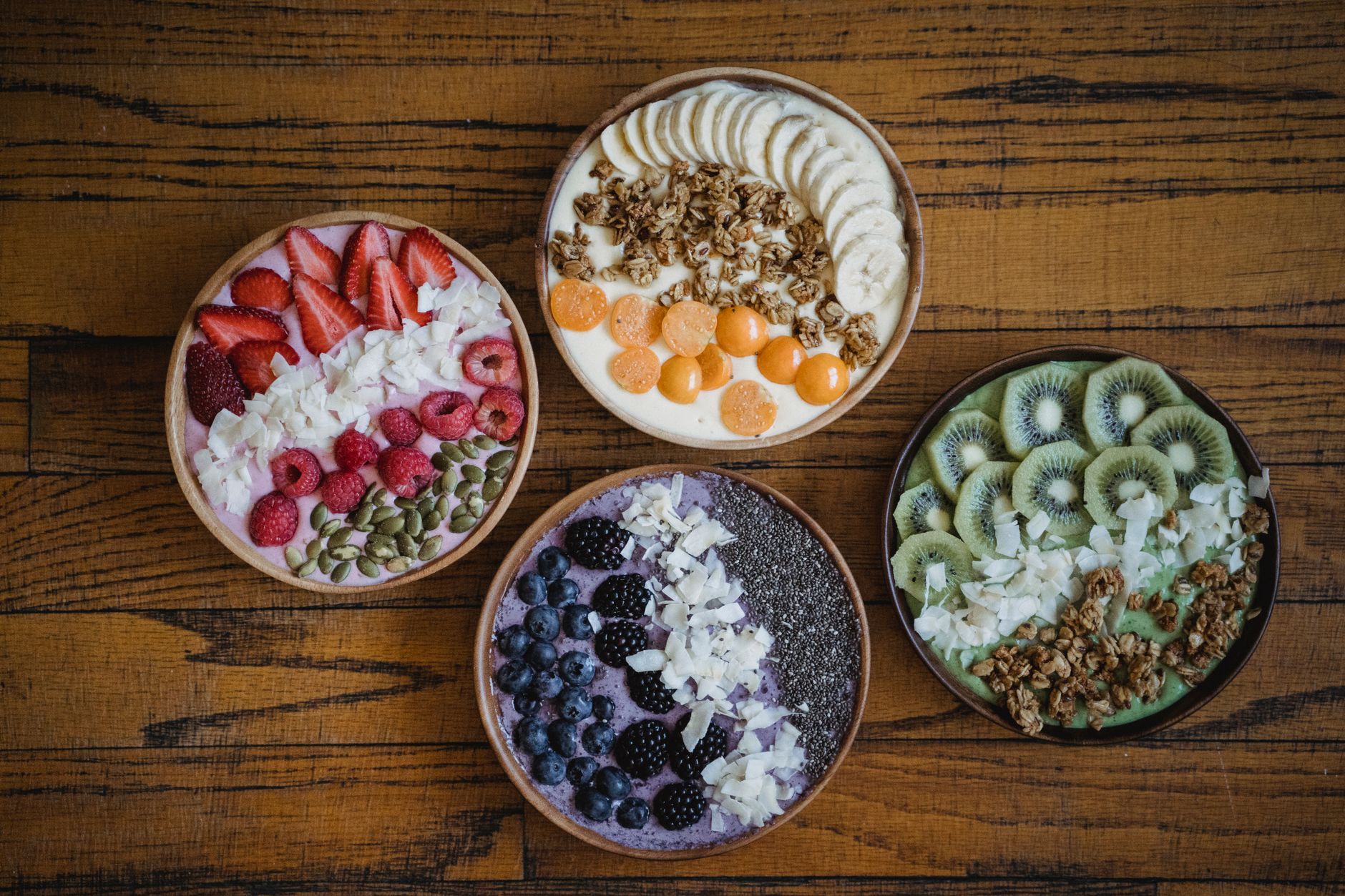
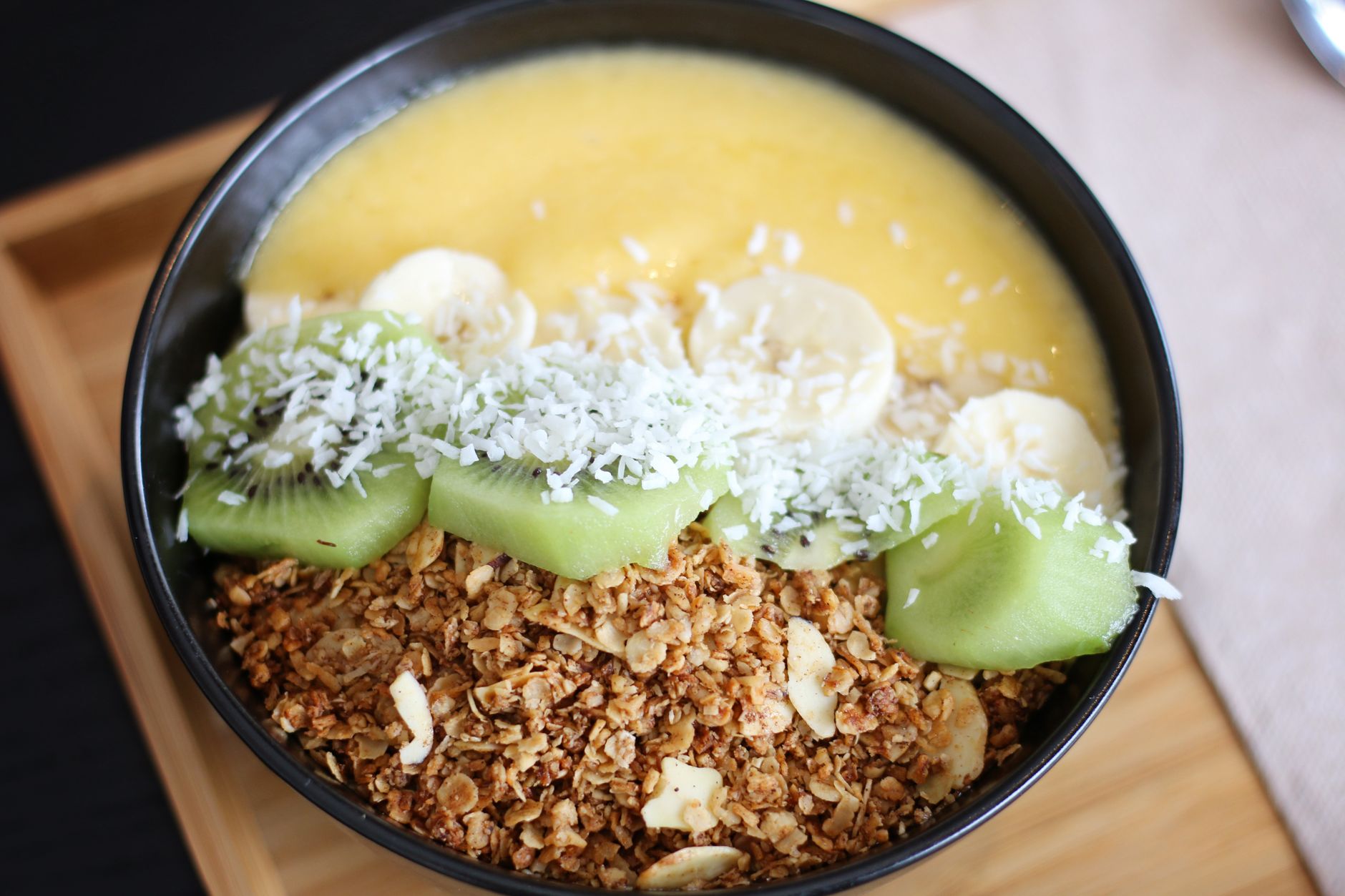
A tablespoon of chia seeds adds about 60 calories and 5 grams of fiber. A quarter cup of rolled oats or granola contributes 4 grams of protein and slow-digesting complex carbohydrates. A handful of sliced almonds adds healthy fat that slows gastric emptying, keeping food in your stomach longer. These add-ins rarely make it into a drinkable smoothie because the texture would become unpleasant to sip.
Fiber and healthy fat are two of the most reliable levers for extending satiety between meals. The bowl format makes it easy to layer them in without overthinking it.
If your breakfast protein choices affect how long you stay full, the comparison of legumes, eggs, and Greek yogurt for breakfast satiety breaks down how different protein sources perform.
Blood Sugar and Energy Stability
One consistent difference in anecdotal experience, though formal smoothie bowl vs smoothie research is still limited, is energy stability.
Blended smoothies are liquid calories. Even when the ingredients are identical, liquefied carbohydrates tend to digest faster than their whole or chewed counterparts, according to work summarized in the American Journal of Clinical Nutrition. Faster digestion means a faster glucose rise and, for some people, a more noticeable dip one to two hours later.
A smoothie bowl slows that process in two ways: chewing breaks down cell walls more gradually than a blender blade does, and toppings like seeds and nuts add fat and fiber that blunt the glucose curve. This may help explain why many people report steadier energy through mid-morning when they eat their smoothie rather than drink it.
If afternoon energy crashes are a pattern for you, it is worth reading why your midday appetite spikes two hours after eating and which snack pairings actually stop it.
When a Drinkable Smoothie Is the Better Choice
Smoothie bowls are not always practical, and they are not always better.
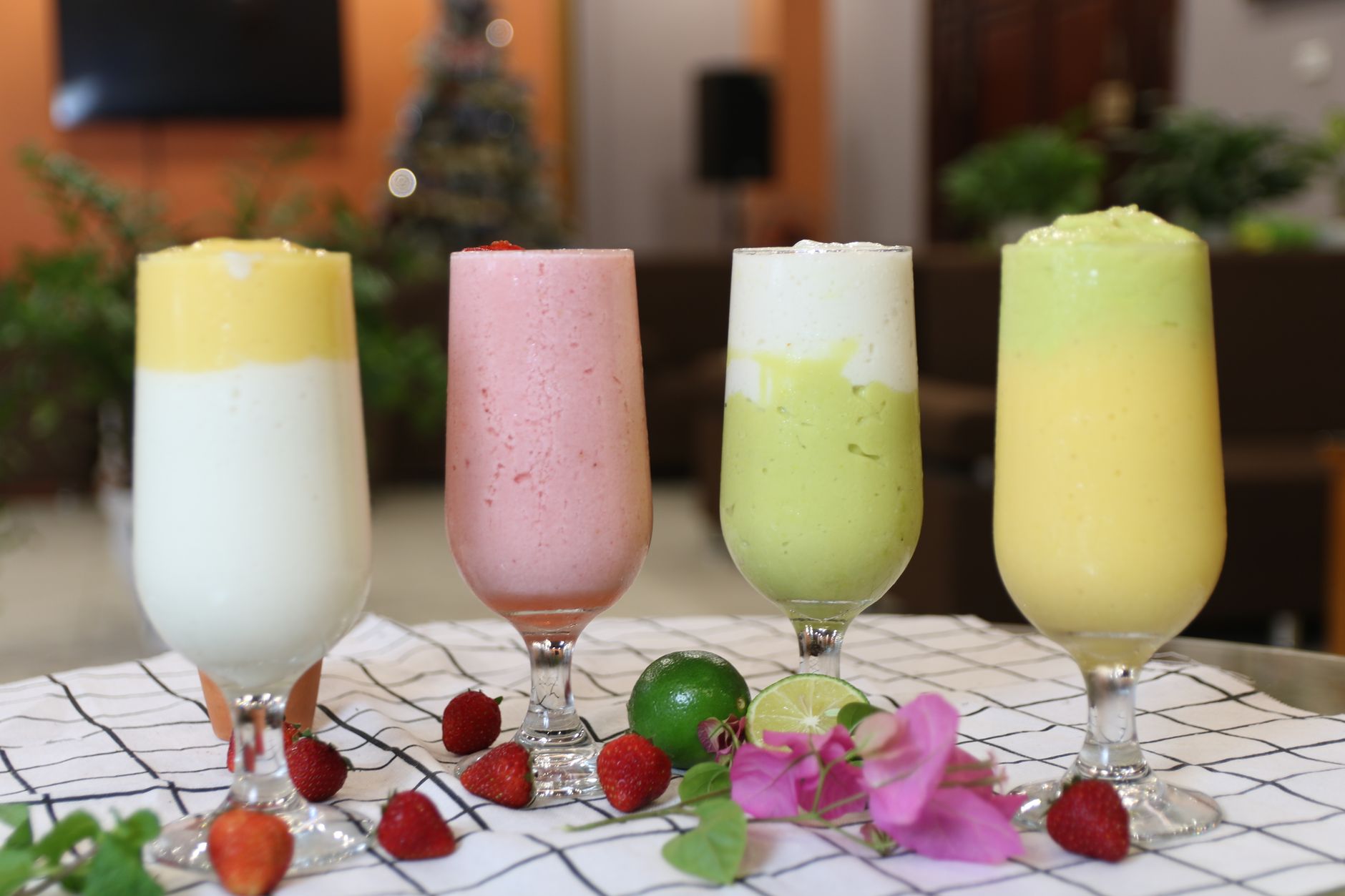
- Post-workout recovery: Liquid calories absorb faster, which may benefit muscle glycogen replenishment in the thirty minutes after a strength session.
- Tight mornings: A drinkable smoothie takes two minutes to consume versus ten or more for a bowl with toppings.
- High-volume training days: When calorie needs are elevated, drinking your food is simply more efficient.
- Appetite suppression concern: Some people find that smoothies actually reduce appetite more because the cold, filling liquid creates a different kind of stomach pressure.
If you are building a morning routine around training, the guide on intuitive eating vs. structured meal timing for fitness routines can help you match your format to your schedule.
A Simple Side-by-Side
| Factor | Drinkable Smoothie | Smoothie Bowl |
|---|---|---|
| Eating time | 2-4 minutes | 8-12 minutes |
| Chewing activation | Minimal | High |
| Topping flexibility | Low | High |
| Fiber potential | Moderate | High (with toppings) |
| Post-workout use | Excellent | Good |
| Satiety duration | 1.5-2.5 hours | 2.5-4 hours |
| Prep complexity | Low | Low to moderate |
Note: Satiety estimates vary significantly by individual, ingredient choices, and total calorie content.
Which Format Should You Choose?
If keeping hunger at bay until lunch is your main goal, the smoothie bowl format has a practical edge. The combination of slower eating pace, chewing activation, and topping-driven fiber and fat gives it a real satiety advantage over sipping the same ingredients.
If you are short on time, training hard, or find that you just do not enjoy eating with a spoon first thing in the morning, a well-built drinkable smoothie, one with protein, fat, and fiber blended in, still delivers solid nutrition. The format you will actually make and eat consistently is always better than the format you abandon after three days.
Choose one format, build your base recipe, and practice it three or four times this week. Small consistency beats perfect variety every time. For more recipe and satiety ideas, browse the Clean Body Mentor smoothie and meal guide collection to find combinations that fit your appetite.
Sources:
- Zhu Y, Hollis JH. “Increasing the number of chews before swallowing reduces meal size in normal-weight, overweight, and obese adults.” Journal of the Academy of Nutrition and Dietetics, 2014.
- National Institute of Diabetes and Digestive and Kidney Diseases (NIDDK): information on hunger and satiety hormone timing (niddk.nih.gov).
- Cassady BA, et al. “Mastication of almonds: effects of lipid bioaccessibility, appetite, and hormone response.” American Journal of Clinical Nutrition, 2009.
- Haber GB, et al. “Depletion and disruption of dietary fibre: effects on satiety, plasma-glucose, and serum-insulin.” The Lancet, 1977. (Early evidence that liquid vs. whole food form affects glycemic response.)
This article is for general educational and informational purposes only and is not a substitute for medical advice, diagnosis, or treatment. Health needs vary by individual. Consult a qualified healthcare professional before making significant changes to your diet, exercise routine, supplements, medication, or treatment plan, especially if you have a medical condition, are pregnant or breastfeeding, take medication, or have concerns about your symptoms.


