


You have probably heard it before: sit up straight, eat slower, and your digestion will improve. Those habits are not worthless, but if you are still dealing with post-meal bloating, heaviness, or that uncomfortable tight feeling after lunch, posture alone is not your answer. The more impactful lever is one most people overlook: what you eat together, and in what order.
Research suggests that digestive comfort meal composition strategies can influence gastric emptying rate, blood sugar response, and fermentation activity in the colon far more than whether you happen to be leaning forward at your desk. This article walks you through the specific combinations and sequences that may genuinely shift how your gut feels after meals.
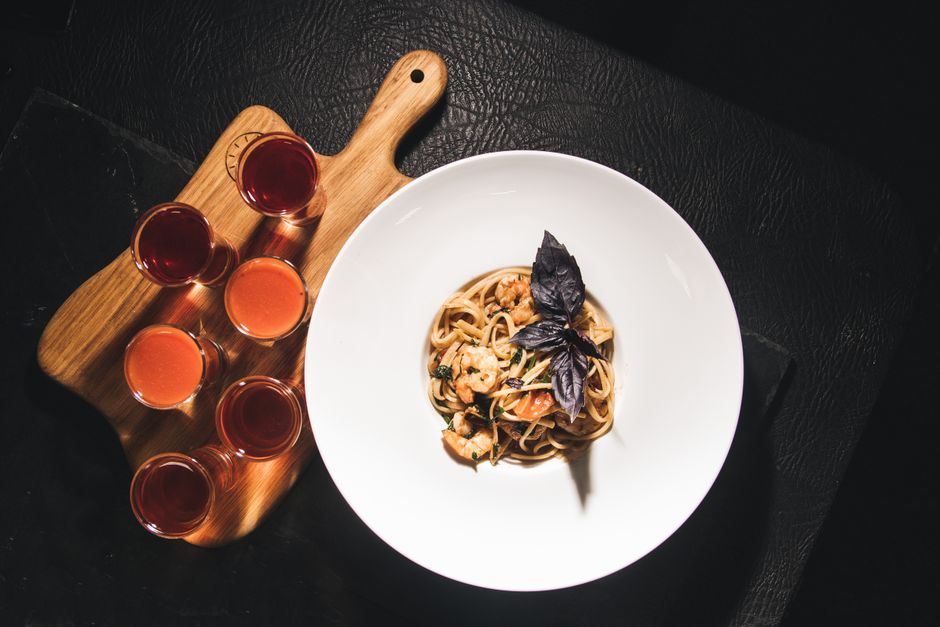
Why Food Pairing Changes More Than You Think
Your stomach is not a blender that processes everything at the same speed. Different macronutrients trigger different digestive signals. Protein, for example, stimulates stomach acid and slows gastric emptying, which is why a high-protein meal tends to keep you full longer. Fat slows things down even further. Refined carbohydrates, meanwhile, rush through the stomach and reach the small intestine quickly, often causing a blood sugar spike followed by a crash.
When you combine high-fat foods with large amounts of rapidly fermenting fibers (think: a creamy bean dip with onions and garlic), you create a situation where gas production meets slow motility. The result for many people is bloating that has nothing to do with their posture and everything to do with what ended up in the same meal.
This does not mean you need to eliminate food groups or avoid complex meals. It means being intentional about which combinations you lean on regularly.
Pairings that tend to support comfort:
- Lean protein with cooked (not raw) vegetables
- Healthy fat with lower-fermentation fiber like zucchini, carrots, or green beans
- Starchy carbohydrates eaten after protein and vegetables rather than before them
Pairings that may challenge sensitive guts:
- Large portions of raw cruciferous vegetables combined with beans in the same sitting
- High-fat protein (like a ribeye) alongside a high-fiber grain salad
- Fruit eaten immediately after a heavy mixed meal, where it may sit and ferment
If you want to go deeper on how vegetable order alone changes the picture, Digestive Comfort Through Meal Composition: Why Vegetable Order Stops Bloating Better Than Food Restriction breaks this down in practical detail.
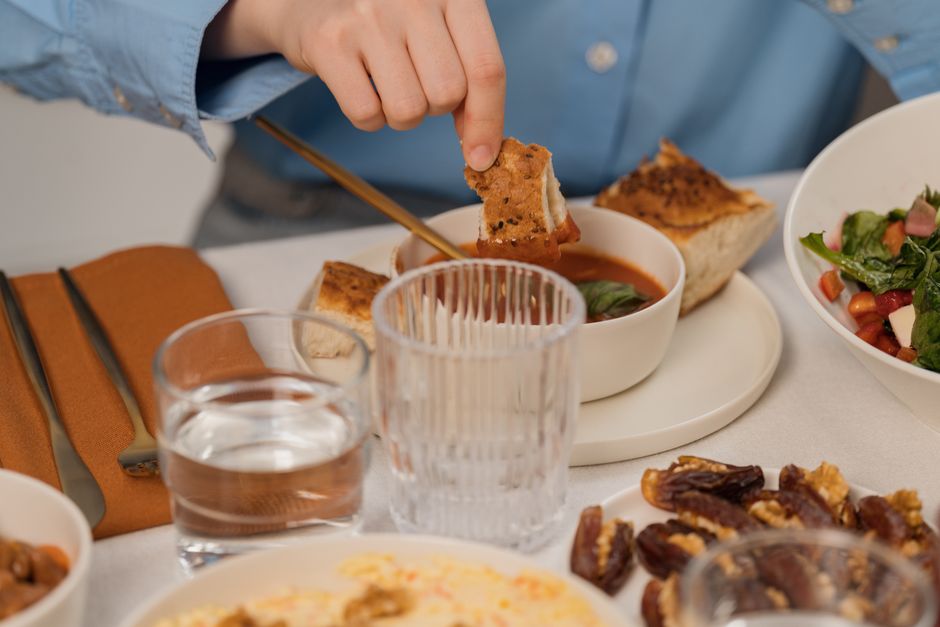
The Eating Sequence That Actually Moves the Needle
One of the more consistent findings in recent nutrition research involves eating order. A study published in Diabetes Care (Shukla et al., 2017) found that eating vegetables and protein before carbohydrates significantly blunted post-meal blood sugar and insulin spikes in adults with type 2 diabetes. That blood sugar stability matters for digestion, too: sharp spikes and crashes can accelerate gut motility in ways that contribute to urgency or cramping.
For general digestive comfort, a practical sequence looks like this:
- Start with vegetables (cooked if your gut is sensitive). They begin triggering digestive enzymes and slow the rate at which carbohydrates hit your bloodstream.
- Move to your protein source. Protein stimulates stomach acid secretion, which aids breakdown of everything that follows.
- Add your starch or grain last. By this point, your gut is better prepared to handle the carbohydrate load without the fermentation overload that can cause bloating.
This does not require a formal three-course meal. You can build this rhythm into a bowl or a plate. Eat the roasted broccoli first, then the chicken, then the rice. It takes seconds to shift and costs nothing.
For a focused look at how this plays out at breakfast specifically, Digestive Comfort at Breakfast: Why Eating Order Changes Bloating More Than Food Swaps is worth reading alongside this guide.
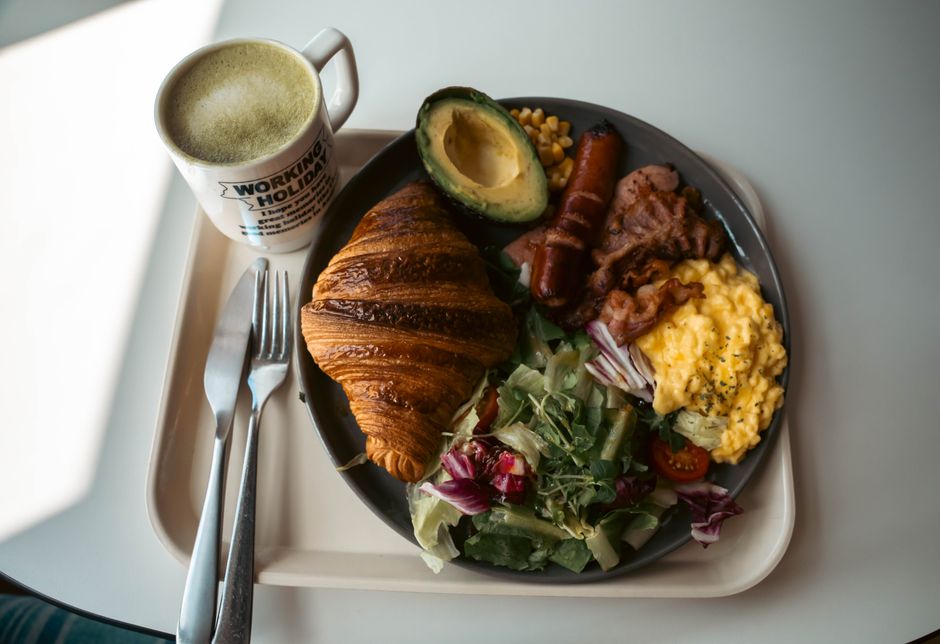
Matching Meal Composition to Your Individual Rhythm
Not every digestive pattern is the same. Some people ferment certain fibers slowly and tolerate them well; others produce significant gas from the same foods. The concept of individual gut microbiome variation is well-documented (the NIH Human Microbiome Project has established that microbial composition differs meaningfully between individuals), which means a food combination that works well for your colleague may not work for you.
A few patterns worth noting by context:
If you feel heavy after lunch at your desk: You may be loading too much fat and starch together without enough protein to slow things down appropriately. Try shifting to a protein-first plate and reducing the starch portion at midday rather than at dinner. Digestive Comfort Without Food Swaps: How Meal Timing and Eating Order Reshape Your Afternoon Bloating explores this midday pattern specifically.
If evening meals leave you uncomfortable overnight: High-fermentation foods like lentils, chickpeas, raw onion, and brassicas eaten late in the day may be contributing. These foods are genuinely nutritious, but moving them to lunch when your digestive system is more active often reduces nighttime discomfort without restricting anything.
If your gut feels unpredictable day to day: Keeping a brief food-and-symptom log for one to two weeks (not a calorie count, just what you ate and how you felt) often reveals patterns that feel invisible in real time. Many people discover they tolerate the same foods differently depending on stress level, hydration, and sleep quality the night before.
If hormonal cycles affect your digestion, Digestive Comfort on Your Menstrual Cycle: Why Your Gut Changes Week to Week and What to Eat Each Phase may offer additional useful context.
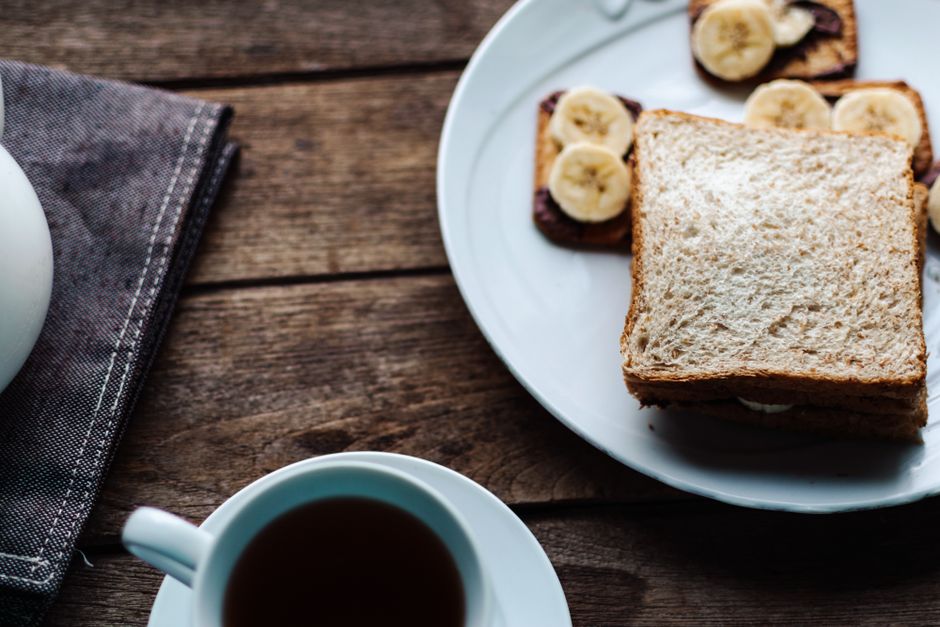
A Simple Same-Day Practice
You do not need to overhaul your diet. Try applying just one of these composition shifts at your next meal:
- Eat your vegetables first, then your protein, then your starch.
- Swap one high-fermentation pairing (beans plus raw cruciferous) for a lower-fermentation option like cooked carrots or roasted zucchini alongside your protein.
- Move fruit to 30-45 minutes before or after a heavy mixed meal rather than eating it with the meal.
If one of these feels manageable and you notice improvement in digestive comfort over a week or two, that is your signal to keep it. If nothing shifts, it may be worth talking with a registered dietitian who can assess your specific pattern rather than relying on general guidance alone.
For broader context on sustainable meal habits that do not require restriction, Sustainable Weight Loss Without Restriction: How Real Meal Patterns Beat Calorie Counting is a natural companion read. And if you would like practical wellness guidance delivered consistently, the Clean Body Mentor newsletter brings evidence-informed tips to your inbox each week.
Sources
- Shukla, A.P. et al. (2017). “Food order has a significant impact on postprandial glucose and insulin levels.” Diabetes Care. Published by the American Diabetes Association.
- NIH National Human Microbiome Project: hmpdacc.org
- U.S. Department of Agriculture Dietary Guidelines for Americans 2020-2025: dietaryguidelines.gov
This article is for general educational and informational purposes only and is not a substitute for medical advice, diagnosis, or treatment. Health needs vary by individual. Consult a qualified healthcare professional before making significant changes to your diet, exercise routine, supplements, medication, or treatment plan, especially if you have a medical condition, are pregnant or breastfeeding, take medication, or have concerns about your symptoms.


