


You wake up on a rest day feeling a little heavier than usual. Breakfast sits differently. By afternoon, you notice mild bloating or a dull sense of fullness that just lingers. Nothing is wrong exactly, but something feels off.
What you are experiencing is a real physiological shift. When you move less, your digestive system slows down with you. Understanding why this happens, and knowing how to adjust your eating in response, can make rest days feel genuinely restorative instead of uncomfortable.

Why Physical Activity Drives Your Digestive Rhythm
Your gut is not a passive tube. It contracts rhythmically in a process called peristalsis, moving food and waste along your intestinal tract. Physical movement, especially walking and aerobic activity, stimulates these contractions through both mechanical compression of the abdomen and activation of the enteric nervous system (sometimes called your “second brain”).
Research published in the Journal of Physiology and supported by work summarized by the National Institute of Diabetes and Digestive and Kidney Diseases (NIDDK) confirms that physical inactivity is one of the most consistent contributors to slower gastrointestinal transit time. In plain terms: less movement means food moves through your system more slowly.
On a rest day, your body also has lower total energy expenditure and reduced core temperature fluctuations, both of which slightly dampen gut motility. The result is that your digestion on rest days is genuinely different from active training days. This is not a problem to fix with a cleanse or a detox protocol. It is simply your biology adjusting to a quieter day.

What This Feels Like (and Why It Is Not Cause for Alarm)
Common sensations on rest days include:
- Mild bloating or abdominal fullness after ordinary meals
- A slower or less predictable appetite
- Lower thirst signals than you have on training days
- Heavier or puffier feeling in the midsection
These experiences make total sense given what is happening internally. Your gut is processing yesterday’s nutrients, your muscle repair is underway, and your digestive machinery is running at a more measured pace. None of this signals that you ate the wrong thing or that your metabolism is broken.
For more on how meal timing specifically interacts with these hunger shifts, How Meal Timing on Rest Days Shapes Your Digestion and Hunger Signals goes deeper on the subject.

How to Eat on Rest Days: Practical Adjustments, Not Restrictions
The goal is not to eat less because you are resting. The goal is to eat in a way that matches your gut’s slower pace without underfueling your recovery. Muscle repair, immune function, and cellular maintenance still need adequate nutrition on rest days.
Here is a practical how-to approach:
1. Shift Toward Smaller, More Spaced Meals
Instead of three large meals, try four or five smaller ones spread across the day. When digestion is slower, smaller volumes are easier for your gut to process without producing gas or discomfort. Think a palm-sized protein portion with vegetables rather than a heaping dinner plate.
This is not about restricting calories. Total intake across the day can remain similar. The distribution just works more smoothly with a quieter gut.
2. Choose Easier-to-Digest Whole Foods
Foods that require significant digestive effort, like very high-fiber legumes, raw cruciferous vegetables in large quantities, or heavily spiced dishes, can amplify bloating when transit is already sluggish. On rest days, consider temporarily leaning toward:
- Cooked vegetables instead of raw (cooking softens fiber and reduces digestive workload)
- White rice, oats, or sourdough bread rather than dense whole grain blends
- Eggs, fish, or Greek yogurt as protein sources, which are generally gentler than heavy red meat cuts
- Ripe fruit like bananas or cooked apple rather than fibrous raw options
This is not a permanent food rule. It is a one-day adjustment that respects your gut’s current pace.
3. Hydrate Steadily, but Do Not Force Extra Fluids
You sweat less on rest days, so your thirst signals will be quieter. Still, adequate hydration supports gut motility. Sip water or herbal tea consistently rather than gulping large amounts at once, which can contribute to that bloated sensation.
4. Keep a Light Walk in Your Day
Even a 15 to 20-minute walk after a main meal can meaningfully stimulate peristalsis. You do not need a training session. A gentle post-lunch stroll is enough to keep things moving. This also supports blood sugar balance and mood, both of which can feel wobbly on less structured days.
If you are curious about how rest days interact with emotional well-being, Why Rest Days Feel Emotionally Harder and How Movement Timing Shapes Your Mood Without Medication is worth reading alongside this guide.
5. Eat Mindfully and Chew Thoroughly
Slower eating actually reduces the amount of air you swallow, which is a leading cause of bloating. Chewing food thoroughly also breaks it down mechanically before it reaches your stomach, reducing the digestive workload downstream. Research suggests that mindful eating practices may support better gut comfort independent of what you eat.
For a broader look at how eating pace affects hunger signals, Mindful Eating Without Guilt: How Slowing Down Changes Hunger Signals More Than Portion Control offers a practical framework.

What You Do Not Need to Do
It is worth naming a few things that are not necessary or helpful:
- You do not need to slash calories significantly on rest days. Recovery, particularly after strength training, still demands adequate protein and energy.
- You do not need a detox protocol, laxative tea, or fiber supplement. Your gut will recalibrate when movement resumes.
- You do not need to feel guilty for eating a normal amount. Rest days are not punishment days.
For a deeper look at five meals that work particularly well on rest days without overcomplicating things, Five Meals That Satisfy Hunger Better on Rest Days Without Extra Calories has specific ideas worth bookmarking.
A Simple Rest Day Eating Pattern to Try
Here is one practical pattern that many people find comfortable:
- Morning: A moderate protein-forward breakfast, like two eggs with cooked spinach and sourdough toast, eaten slowly
- Mid-morning: A small snack if hungry, such as Greek yogurt with ripe fruit
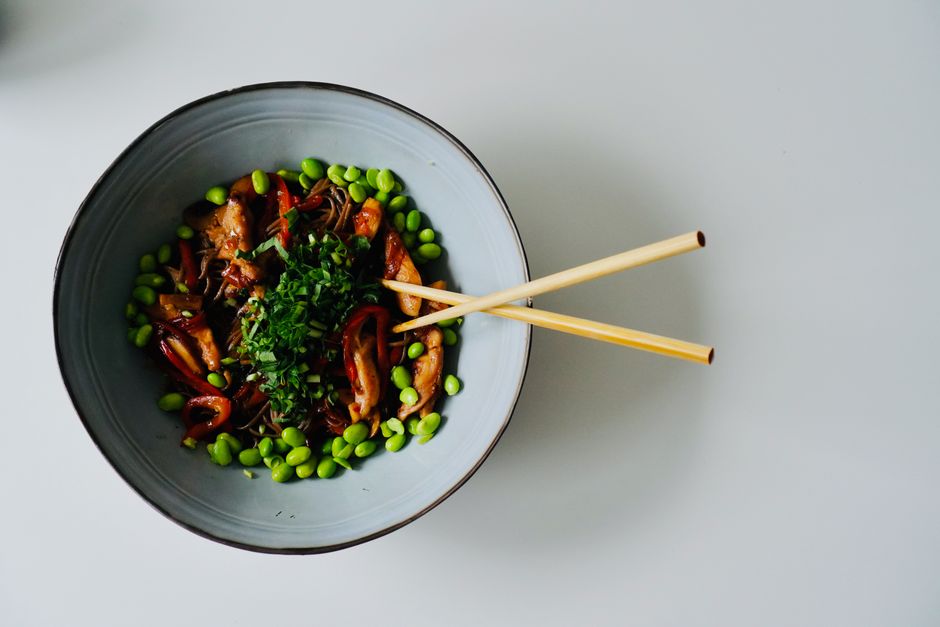
- Lunch: A warm bowl with cooked grains, a lean protein, and lightly sauteed vegetables
- Afternoon walk: 15 to 20 minutes
- Dinner: A lighter version of a typical meal, perhaps soup with crusty bread or a small salmon fillet with roasted carrots
This is not a prescription. It is a starting point to adapt to your own hunger patterns and preferences.
Sources
- National Institute of Diabetes and Digestive and Kidney Diseases (NIDDK): information on gastrointestinal motility and physical activity. niddk.nih.gov
- Oettlé, G.J. (1991). Effect of moderate exercise on bowel habit. Gut, 32(8), 941-944. (Early research establishing the connection between movement and gut transit.)
- De Schepper, H.U. et al. (2004). Gastrointestinal motility and the brain-gut axis. Referenced in gastroenterology reviews on enteric nervous system function.
This article is for general educational and informational purposes only and is not a substitute for medical advice, diagnosis, or treatment. Health needs vary by individual. Consult a qualified healthcare professional before making significant changes to your diet, exercise routine, supplements, medication, or treatment plan, especially if you have a medical condition, are pregnant or breastfeeding, take medication, or have concerns about your symptoms.
One small action is enough to start: choose just one of the adjustments above and practice it on your next rest day. Notice how your body responds. And if you want more practical guidance like this delivered weekly, consider joining the Clean Body Mentor newsletter for evidence-informed ideas on eating, movement, and whole-person wellness.


