


If your stomach feels fine one week and completely unreliable the next, you are not imagining it. Your digestive health is directly shaped by the hormonal rhythms of your menstrual cycle. Bloating, appetite swings, constipation, and loose stools can all shift depending on where you are in the month, not just what you ate that day.
Understanding the connection between your cycle and your gut can help you stop guessing and start making small, realistic adjustments that actually match your body’s changing needs.
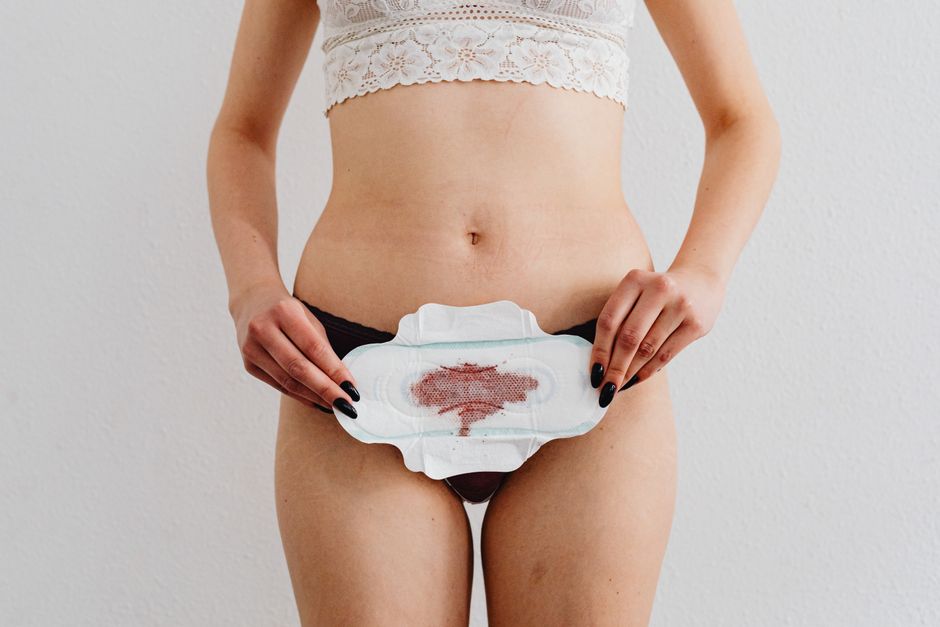
How Hormones Influence Your Gut
Your digestive tract is lined with hormone receptors. Estrogen, progesterone, and prostaglandins all interact with the gut in measurable ways. Research published in the journal Neurogastroenterology and Motility and summarized by the NIH’s National Institute of Diabetes and Digestive and Kidney Diseases notes that sex hormones influence gastrointestinal motility, meaning how quickly or slowly food moves through your system.
In practical terms, this means your transit time, bloating tendency, and even how well you absorb certain nutrients can shift across the four phases of your cycle. None of this is a malfunction. It is your body responding normally to hormonal change.
If stress is also a factor in your digestive discomfort, the article How Digestive Bloating Worsens on Stressful Days and What to Eat When Your Gut Feels Stuck covers how those two influences overlap.

Phase 1: Menstruation (Days 1-5) – Cramping, Prostaglandins, and Loose Stools
During your period, the uterine lining releases prostaglandins to trigger contractions. These same chemicals can stimulate your intestines, which is why loose stools, urgency, and cramping in the gut are so common in the first days of your cycle. Iron loss during this phase is also worth noting.
What tends to help:
- Warm, easy-to-digest foods like cooked grains, soups, and steamed vegetables can reduce the workload on your gut.
- Magnesium-rich foods (dark leafy greens, pumpkin seeds, legumes) may help ease both uterine and intestinal cramping, according to research referenced by the American College of Obstetricians and Gynecologists.
- Iron-containing foods such as lentils, beans, and leafy greens can support what your body is losing, paired with vitamin C sources to aid absorption.
- Staying well-hydrated is especially important during menstruation, as fluid loss can slow digestion.
This is often a phase when your appetite is lower and your gut is more reactive. You do not need to force large meals. Smaller, warm meals spaced throughout the day tend to feel more manageable.
Phase 2: Follicular Phase (Days 6-13) – Rising Estrogen and Improved Gut Motility
As estrogen rises in the follicular phase, many people notice their digestion becomes more comfortable and their appetite feels more flexible. Estrogen has been linked to faster gut motility in some research, which can mean less bloating and easier bowel movements for many people.
This is often the window in your cycle when you feel the most energetic and digestively settled. Your body also tends to be more insulin sensitive during this phase, meaning carbohydrate-rich foods may feel easier to process.
What tends to work well:
- Fiber-forward meals with a variety of plant foods, including legumes, whole grains, and raw vegetables, are often better tolerated now than in other phases.
- Fermented foods like yogurt, kefir, or sauerkraut can be a comfortable addition to support the gut microbiome.
- If you have been adding more fiber to your diet gradually, this phase is a good time to build on that. See Fiber Without the Bloat: A Progressive Eating Plan to Add Plant Foods Without Digestive Distress for a paced approach.
Phase 3: Ovulation (Around Days 14-16) – A Brief Transition
Ovulation itself is a short window, but some people notice a temporary shift in gut comfort around this time, including mild bloating or changes in appetite. Estrogen peaks just before ovulation, then drops briefly, which can create a small digestive dip.
This phase does not require dramatic eating changes for most people. Keeping meals balanced with protein, fiber, and healthy fats helps maintain stable energy and digestion through the transition.

Phase 4: Luteal Phase (Days 17-28) – Progesterone, Bloating, and Cravings
This is the phase most associated with digestive difficulty. After ovulation, progesterone rises sharply. Progesterone is a smooth muscle relaxant, which slows gut motility and can lead to constipation, bloating, and a heavier, more sluggish feeling in the digestive tract.
At the same time, many people experience increased appetite, stronger cravings (particularly for carbohydrates and fats), and more sensitivity to certain foods. This is a physiological pattern, not a willpower issue.
What tends to help:
- Warm, cooked foods are generally easier to process than large raw salads during the late luteal phase.
- Soluble fiber from sources like oats, cooked sweet potato, and ripe bananas can support motility without adding to gas and bloating the way high-insoluble-fiber foods sometimes do.
- Reducing high-sodium processed foods can help manage fluid retention and bloating.
- Smaller, more frequent meals may reduce the heaviness that comes with slower gut transit.
- Eating order matters too. Starting meals with protein and vegetables before adding heavier starches can reduce bloating. More on this approach is covered in Digestive Comfort at Breakfast: Why Eating Order Changes Bloating More Than Food Swaps.
- Cravings for carbohydrates during the luteal phase are partly driven by serotonin fluctuations. Rather than restricting, choosing nutrient-dense carbohydrates (roasted root vegetables, whole grain toast, legumes) can satisfy those signals without triggering a cycle of guilt.
For a deeper look at how your skin also shifts during this phase, Skin Texture Changes With Your Menstrual Cycle: What Happens Week to Week and How to Adjust Your Routine walks through the parallel changes happening elsewhere in your body.

A Few Consistent Habits That Help Across All Phases
While each phase calls for slightly different adjustments, some habits support digestive health menstrual cycle-wide:
- Hydration remains one of the most reliable tools for gut motility across all phases.
- Light movement after meals, even a short walk, supports intestinal motility without requiring a gym session.
- Slow, calm eating allows your digestive system to engage properly. Rushing meals compresses this process. Digestion and Emotional Stress: Why Your Gut Freezes When You Rush and What Breathwork Actually Fixes explains the nervous system side of this.
- Adequate sleep influences gut function. Poor sleep can increase gut sensitivity, which matters especially in the premenstrual days.
When to Reach Out to a Professional
Cycle-related digestive changes are common and often manageable with lifestyle adjustments. But if you experience severe digestive pain, significant changes in bowel habits that persist beyond your cycle, or symptoms that interfere significantly with daily life, it is worth speaking with a qualified healthcare professional. Conditions like irritable bowel syndrome can be influenced by menstrual hormones and deserve proper assessment.

Sources
- National Institute of Diabetes and Digestive and Kidney Diseases (NIDDK), NIH: information on gastrointestinal motility and hormonal influences.
- American College of Obstetricians and Gynecologists (ACOG): guidance on menstrual symptoms and magnesium.
- Neurogastroenterology and Motility journal: research on sex hormones and gut function.
Choose one phase-specific adjustment from this article and try it consistently for a full cycle before adding more changes. Gradual, sustainable shifts tend to build more lasting digestive comfort than sweeping overhauls. If you found this helpful, explore more practical guidance across the Clean Body Mentor site, or subscribe to the weekly newsletter for evidence-informed tips that fit real life.
This article is for general educational and informational purposes only and is not a substitute for medical advice, diagnosis, or treatment. Health needs vary by individual. Consult a qualified healthcare professional before making significant changes to your diet, exercise routine, supplements, medication, or treatment plan, especially if you have a medical condition, are pregnant or breastfeeding, take medication, or have concerns about your symptoms.


