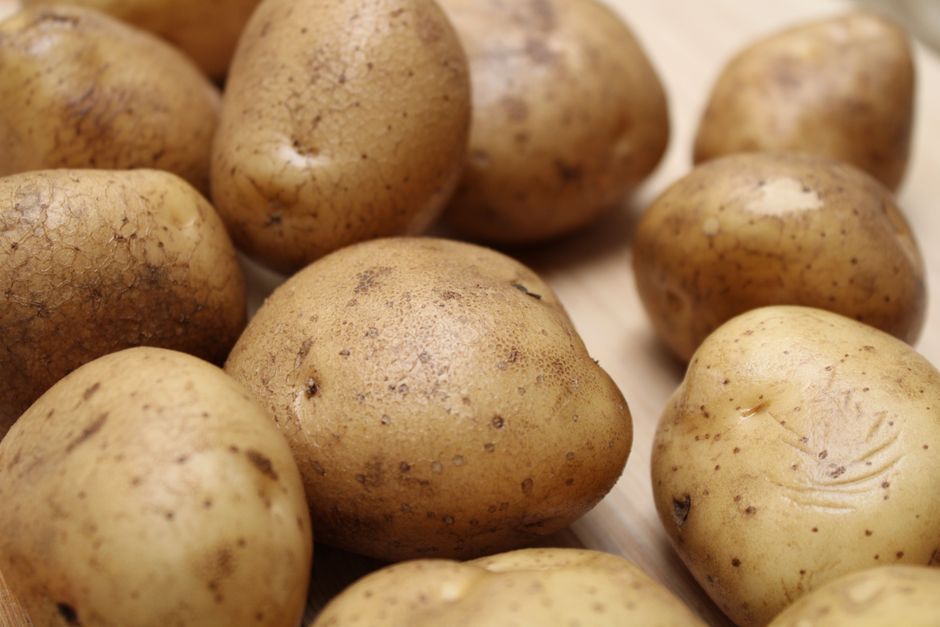
You eat a generous lunch, but by 2:30 pm your stomach is already signaling for more food. If that pattern feels familiar, the temperature of your starches may be part of the reason, not just the quantity you ate.
When cooked rice, potatoes, or pasta cool down before you eat them, a meaningful structural change happens inside the starch. That change slows digestion, blunts blood sugar swings, and may extend the feeling of fullness into your afternoon. This article walks through why that happens and how to use it practically, without overhauling your meals.

What Resistant Starch Actually Is
Starch is made of chains of glucose molecules. When you cook a potato or a pot of rice, heat breaks those chains apart and makes them easy to digest rapidly. Your small intestine absorbs that glucose quickly, which can produce a sharp blood sugar rise followed by an equally sharp drop, the kind of pattern that drives afternoon cravings.
When you let cooked starch cool, a process called retrogradation reorganizes those glucose chains into a tighter, crystalline structure. Your digestive enzymes cannot easily break that structure down. The starch behaves more like dietary fiber than a typical carbohydrate, moving slowly through the small intestine and fermenting in the large intestine instead.
This transformed form is called resistant starch (specifically RS3, the retrograded type). Research published in the journal Nutrients and summarized by the USDA notes that resistant starch escapes small intestine digestion and reaches the colon, where it feeds beneficial gut bacteria and produces short-chain fatty acids (SCFAs), particularly butyrate. Butyrate supports colon cell health and may also signal satiety hormones, including peptide YY and GLP-1, according to research in Cell Metabolism and work by the European Food Safety Authority.
The practical outcome: a meal built around cooled starches tends to produce a more gradual glucose response and a longer satiety window than the same meal served hot.

How Much Resistant Starch Does Cooling Actually Create?
The conversion is real but not extreme. A study cited by the British Journal of Nutrition found that cooling cooked white rice overnight increased resistant starch content roughly threefold compared with freshly cooked rice. Potatoes show a similar effect: boiled then cooled potatoes contain significantly more resistant starch than hot boiled potatoes.
Reheating matters. If you cool rice or potatoes and then reheat them gently (below boiling), most of the resistant starch holds its structure. A full aggressive reheat can partially reverse the retrogradation, though some RS3 typically survives. For maximum benefit, eating at room temperature or slightly warm is more effective than returning the starch to a full boil.
Pasta follows the same principle. Cold pasta salad is a practical RS3 vehicle you may already have in your regular rotation.
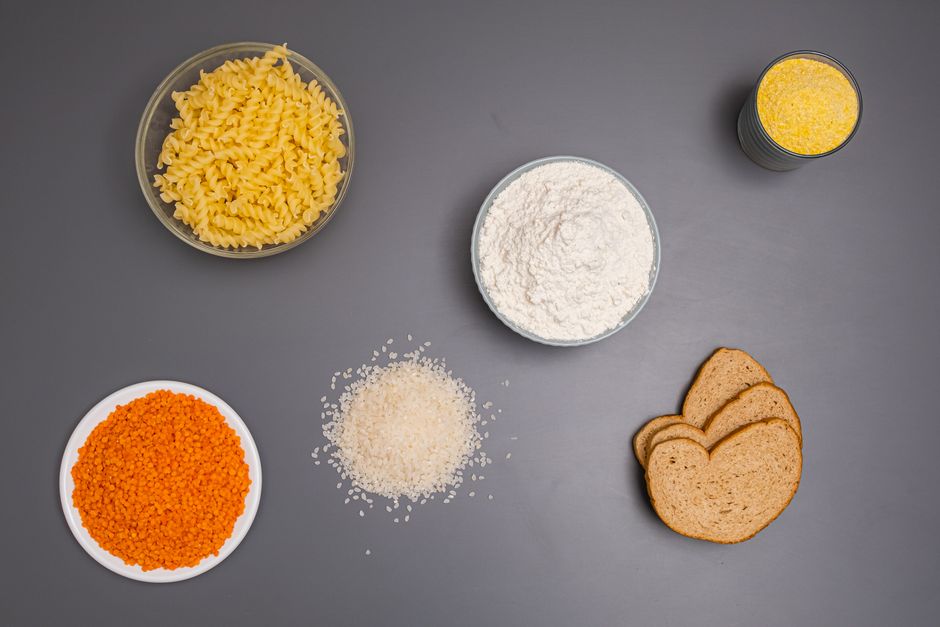
Connecting Resistant Starch to Stable Afternoon Energy
The afternoon slump is often blamed on caffeine timing or poor sleep, and those factors matter. But what you ate for lunch, and how it was prepared, shapes your glucose curve for the next three to four hours. For a deeper look at how food timing interacts with afternoon energy, Meal Timing for Stable Afternoon Energy: Why Food Order and Gaps Matter More Than Snack Calories covers the broader picture.
Resistant starch contributes to stable energy through two connected pathways. First, it slows gastric emptying, meaning food stays in your digestive system longer, which moderates glucose release. Second, the SCFAs produced in fermentation may communicate with satiety circuits in the gut-brain axis. If you are curious how gut function connects to your afternoon mood and energy, Digestion and Mood: How Your Gut Function Shapes Afternoon Emotional Energy Without Supplements explores that relationship in detail.
The combined effect is a lunch that asks less of your insulin response and extends the time before genuine hunger returns.
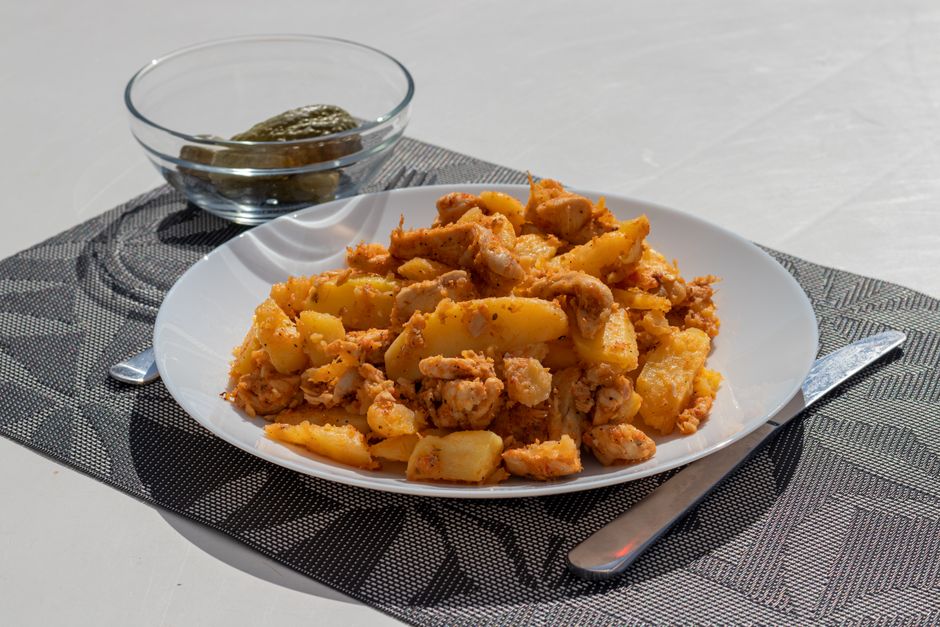
A Practical Tutorial: Building Meals Around Cooled Starches
The good news is this requires almost no extra effort if you already do any meal prep. Here is how to apply it without adding complexity to your week.
Step 1: Cook starches the night before or in the morning.
Prepare a batch of white or brown rice, baby potatoes, sweet potatoes, or pasta. Let them cool fully at room temperature for 30 to 60 minutes, then refrigerate. Overnight refrigeration produces the most resistant starch conversion.
Step 2: Pair cooled starches with protein and a fat source.
Resistant starch works best as part of a balanced plate. Add a protein source such as legumes, eggs, or grilled chicken, and include a fat source like olive oil, avocado, or nuts. Protein and fat both independently slow digestion and support satiety. For a comparison of which protein sources extend fullness most effectively, Legumes vs. Eggs vs. Dairy: Which Protein Source Keeps You Full Longest and Fits Your Budget is a useful companion read.
Step 3: Serve at room temperature or gently warmed.
Remove your container from the refrigerator 15 to 20 minutes before eating, or reheat briefly on medium-low heat rather than at full power. Avoid a rolling boil or microwave on high for extended periods if you want to preserve the RS3 structure.
Step 4: Notice your hunger signals 2 to 3 hours later.
This strategy is worth testing personally. Pay attention to whether your afternoon hunger arrives later or feels less urgent compared with days you eat hot starches for lunch. Individual digestive responses vary, so your experience is meaningful data.
Three quick meal ideas using this approach:
- Cold rice bowl with chickpeas, shredded cucumber, lemon-tahini drizzle, and fresh herbs
- Chilled potato salad with olive oil, mustard, green onion, and a hard-boiled egg
- Room-temperature pasta with white beans, roasted cherry tomatoes, and a handful of arugula
Each of these works well for meal prep and holds up in a lunch container without needing reheating at all, which is the most convenient way to get full RS3 benefit.

Who Benefits Most and Who Should Check In with a Professional
This strategy is generally suitable for most healthy adults. People with irritable bowel syndrome (IBS) or FODMAP sensitivities may notice increased gas or bloating when first adding resistant starch, because the fermentation process produces gas as a normal byproduct. Starting with smaller portions and increasing gradually usually helps. If you have diabetes, a significant digestive condition, or any concern about carbohydrate intake, talk with a registered dietitian before making deliberate dietary changes around starch and glucose management.
For everyone else, cooled starches are an inexpensive, low-effort way to adjust a variable that genuinely affects your afternoon hunger pattern.
A Note on Managing Afternoon Cravings Alongside This Strategy
Resistant starch satiety works as part of a larger afternoon energy system. If you find you are still reaching for food mid-afternoon despite a solid lunch, distinguishing real hunger from stress or habit is worth exploring. Stress Eating vs. True Afternoon Hunger: Building Awareness Without Shame or Restriction offers a compassionate framework for that question.
Choose one of the three meal ideas above and try it consistently for a week. Pay attention to when your hunger signals arrive, not to judge yourself but to gather real information about what helps your body feel steady. If you want more practical nutrition and energy guidance, the Clean Body Mentor newsletter shares evidence-informed strategies weekly in the same no-pressure format.
This article is for general educational and informational purposes only and is not a substitute for medical advice, diagnosis, or treatment. Health needs vary by individual. Consult a qualified healthcare professional before making significant changes to your diet, exercise routine, supplements, medication, or treatment plan, especially if you have a medical condition, are pregnant or breastfeeding, take medication, or have concerns about your symptoms.
Sources
- Blaak, E.E. et al. (2020). Short chain fatty acids in human gut and metabolic health. Beneficial Microbes. Published by Wageningen Academic Publishers.
- Lockyer, S., and Nugent, A.P. (2017). Health effects of resistant starch. Nutrition Bulletin, British Nutrition Foundation.
- European Food Safety Authority (EFSA) Panel on Dietetic Products, Nutrition and Allergies. Scientific opinion on dietary reference values for carbohydrates and dietary fibre. EFSA Journal (2010).
- USDA Agricultural Research Service. Resistant Starch: Promising Dietary Fiber. Published via USDA research communications.
- Baxter, N.T. et al. (2019). Dynamics of Human Gut Microbiota and Short-Chain Fatty Acids in Response to Dietary Interventions with Three Fermentable Fibers. mBio.