

Building lean muscle or keeping your energy steady throughout the day does not require chicken breast at every meal or a tub of protein isolate on the counter. The real challenge on a plant-based diet is not finding protein. It is finding combinations that cover all nine essential amino acids your body cannot make on its own.
Most plant proteins are “incomplete” on their own, meaning they fall short in at least one essential amino acid. But pair them thoughtfully across a single meal or even across the same day, and research suggests your body pools those amino acids just as effectively (Harvard T.H. Chan School of Public Health, Protein resource page). This article ranks the most practical real-food pairings by satiety, cost, and prep time so you can build plant-based protein complete amino acid meals without overthinking it.
Why Complete Amino Acids Matter on a Plant-Based Diet
The nine essential amino acids, including leucine, lysine, and methionine, are non-negotiable for muscle repair, immune function, hormone production, and stable mood. Animal proteins naturally contain all nine. Plant proteins usually have a weak link: legumes tend to be low in methionine, while grains and seeds tend to be low in lysine. Stack them together and those gaps fill in.
You do not need to obsess over this at every snack, but for your main meals, especially if you are active or managing your body composition, pairing intentionally pays off. If you want more detail on how individual plant proteins stack up before diving into combinations, Plant-Based Protein Sources Ranked by Satiety, Cost, and Real-Life Ease: A Beginner’s Whole-Food Comparison is a useful starting point.
The Rankings
1. Lentils and Brown Rice
Satiety: High | Cost: Very Low | Prep Time: 25-30 minutes
This is the workhorse pairing. Lentils are rich in lysine but lower in methionine. Brown rice flips that ratio. Together, a one-cup serving of cooked lentils with three-quarters cup of brown rice delivers roughly 18-20 grams of protein and a full amino acid profile, plus enough fiber to keep you full for hours.
The prep is straightforward: simmer both separately, combine, and season with cumin, garlic, and lemon. Batch-cook on a Sunday and portion for the week. If bloating is a concern when increasing legumes, Fiber Without the Bloat: How to Add Plant Foods Gradually So Your Digestion Adapts covers a sensible ramp-up approach.
Best for: Budget-conscious meal prep, high-protein lunches and dinners.
2. Black Beans and Corn Tortillas
Satiety: High | Cost: Very Low | Prep Time: 10-15 minutes (canned beans)
Traditional Mexican cuisine figured this out centuries before sports nutrition did. Black beans supply lysine; corn provides the methionine and cysteine that legumes lack. Two corn tortillas with half a cup of seasoned black beans, salsa, avocado, and shredded cabbage hits a complete amino acid profile with about 13-15 grams of protein per serving.
This combination shines for quick dinners or packed lunches that do not require reheating. The fat from avocado slows digestion and improves the meal’s staying power.
Best for: Fast weeknight meals, anyone new to plant-based eating.
3. Chickpeas and Whole Wheat Pita or Bread
Satiety: High | Cost: Low | Prep Time: 10 minutes (canned or pre-cooked)
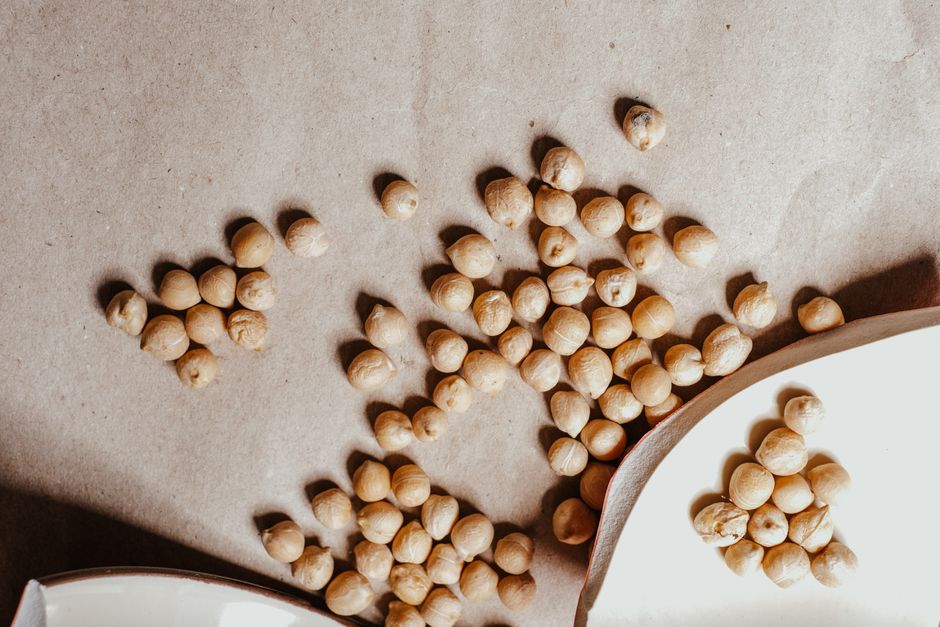
Hummus on whole wheat pita is not just a snack. It is a legitimately complete protein combination. Chickpeas provide lysine; wheat contributes methionine. Add a handful of spinach and a drizzle of olive oil and you have a nutrient-dense, satisfying lunch in under ten minutes.
Chickpeas also contain resistant starch, which research links to improved gut microbiome diversity (per a 2012 study published in the British Journal of Nutrition). For a more structured approach to building this into a filling midday meal, see Building a High-Protein Lunch Bowl That Keeps You Full Until 6pm.
Best for: No-cook lunches, beginner plant-based eaters.
4. Edamame and Quinoa
Satiety: Very High | Cost: Moderate | Prep Time: 15-20 minutes
Here is the premium-tier pairing. Quinoa is one of the rare plant foods that is complete on its own, containing all nine essential amino acids in reasonable amounts (per the USDA FoodData Central database). Edamame is close to complete as well, given that soy provides a strong amino acid profile by plant standards. Combine them and you get an amino acid surplus that rivals many animal proteins.
A cup of cooked quinoa with half a cup of shelled edamame delivers around 18-22 grams of protein. Toss with sesame oil, scallions, and a little low-sodium tamari for a bowl that holds up well in the fridge for three to four days.
Best for: Active adults, strength training recovery meals, higher-protein targets.
5. Hemp Seeds and Oats
Satiety: Moderate-High | Cost: Moderate | Prep Time: 5-10 minutes
This is the breakfast entry in the ranking. Hemp seeds are one of only a few plant foods with a genuinely complete amino acid profile on their own, and their ratio of omega-3 to omega-6 fatty acids is favorable. Add three tablespoons to a bowl of rolled oats and you layer in methionine from the oats alongside a broad amino acid spread from hemp. The combination lands around 14-16 grams of protein per serving.
Top with a banana and a tablespoon of almond butter for additional amino acid diversity. For more structured plant-based morning options, High-Protein Breakfast Combos for Stable Energy Until Lunch: Plant-Based, Dairy, and Whole-Egg Recipes Tested gives a practical comparison.
Best for: Quick breakfasts, readers building sustainable habits without cooking.
6. Tofu and Sesame Seeds Over Greens
Satiety: High | Cost: Low-Moderate | Prep Time: 15-20 minutes
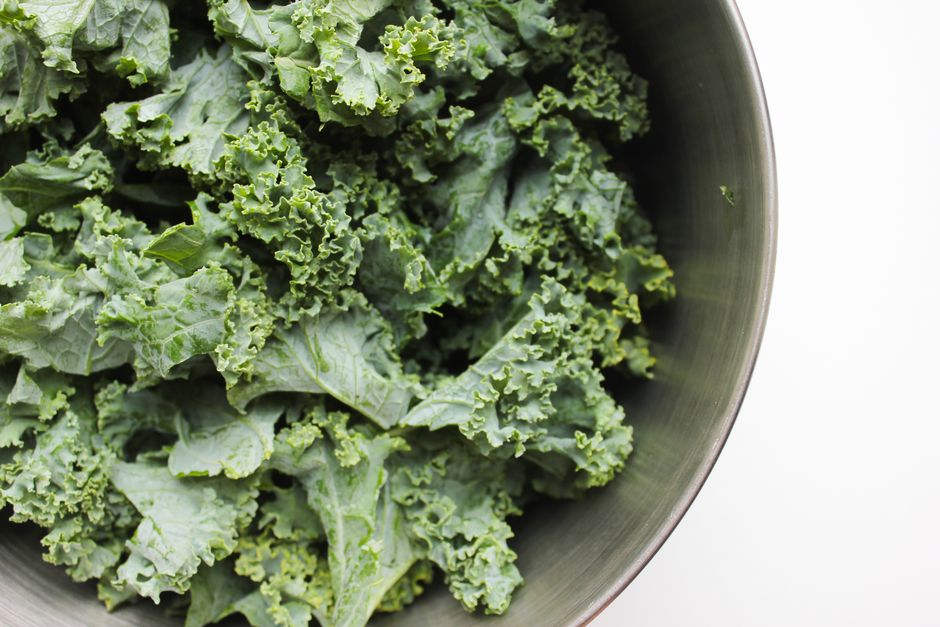
Tofu made from soybeans carries a complete amino acid profile (USDA FoodData Central). Pairing it with sesame seeds, which are rich in methionine, further strengthens the overall protein quality. Pan-sear firm tofu in a small amount of avocado oil, sprinkle with sesame seeds, and serve over a bed of kale or bok choy. The greens add folate, calcium, and a modest additional amino acid contribution.
This pairing also works well as a dinner that supports overnight recovery if you exercise regularly. For a look at how protein timing fits into muscle progress, Workout Nutrition Timing: When to Eat Protein and Carbs for Real Muscle Progress breaks down the evidence clearly.
Best for: Strength training days, plant-based dinners that also support fat loss goals.
A Note on Whole Foods vs. Protein Powders
Plant-based protein isolates and concentrates can be convenient, but they strip out the fiber, phytonutrients, and slow-digesting starches that make whole food combinations so satisfying and gut-friendly. For most healthy adults eating a varied diet, real-food pairings like these six cover your essential amino acid needs without the expense or additives of powders. For a deeper look at when whole foods do the job better than supplements, Gut Health Supplements vs. Real Food: When Pills Help and When Whole Foods Do the Job Better is worth reading.
Where to Start
Pick one combination from this list that fits your current schedule and try it three times this week. Notice how it affects your energy and hunger in the hours that follow. Small, consistent changes tend to stick better than overhauls. If you want practical meal ideas built around these pairings, the Clean Body Mentor newsletter delivers weekly guidance directly to your inbox.
Sources
- Harvard T.H. Chan School of Public Health, The Nutrition Source: Protein
- USDA FoodData Central (quinoa, tofu, hemp seeds entries)
- Baxter, N.T. et al. (2019). Dynamics of Human Gut Microbiota and Short-Chain Fatty Acids in Response to Dietary Interventions with Three Fermentable Fibers. mBio.
- Dahl, W.J. and Zello, G.A. (2012). Resistant starch and chickpeas. British Journal of Nutrition (referenced for resistant starch and gut microbiome context).
This article is for general educational and informational purposes only and is not a substitute for medical advice, diagnosis, or treatment. Health needs vary by individual. Consult a qualified healthcare professional before making significant changes to your diet, exercise routine, supplements, medication, or treatment plan, especially if you have a medical condition, are pregnant or breastfeeding, take medication, or have concerns about your symptoms.