

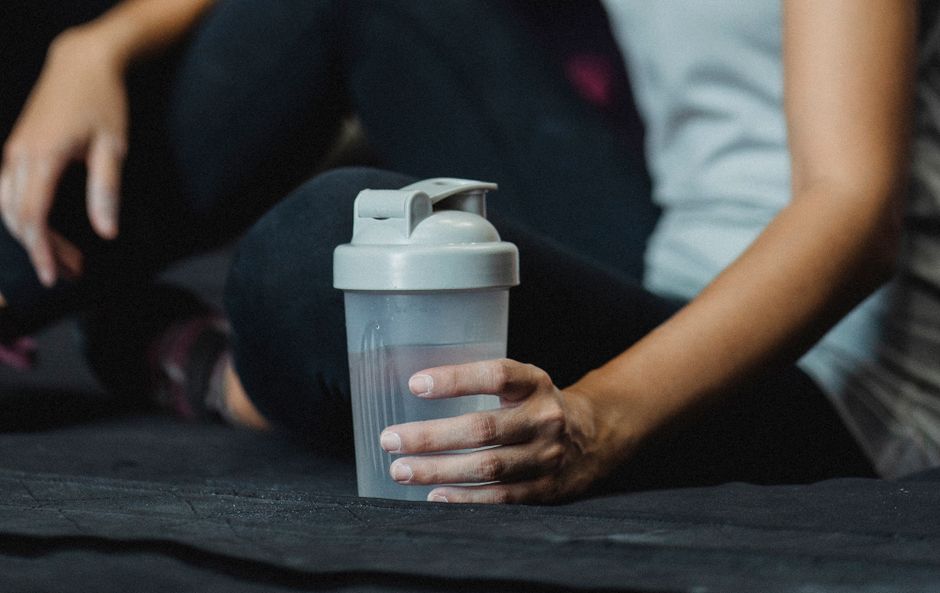
After a tough strength session, you probably think about protein first. Maybe you reach for a shake or plan a high-protein meal. But if you’re skipping the hydration side of recovery, you may be leaving meaningful repair on the table. Hydration for muscle recovery isn’t just about drinking enough water. It’s about replacing what sweat actually takes with you and timing it well enough to matter.
This review looks at the evidence behind post-workout hydration, what electrolytes actually do at a cellular level, and how to match your approach to your own sweat rate and training intensity without falling for marketing hype.

Why Muscle Repair Depends on More Than Protein
Strength training creates small tears in muscle fibers. Your body repairs those tears during rest, which is how muscle grows stronger. That repair process requires more than amino acids. It depends on cellular fluid balance, nerve signaling, and nutrient transport, all of which electrolytes directly support.
Sodium and potassium work together to maintain the electrical gradient across muscle cell membranes. When that balance shifts after heavy sweating, cells can’t contract and relax as efficiently. Magnesium plays a role in muscle relaxation and protein synthesis. Calcium is involved in the muscle contraction signal itself. These aren’t supplement-marketing talking points. They’re basic physiology described by the National Institutes of Health in their resources on electrolytes and fluid regulation.
When you lose significant fluid and minerals through sweat and then replace only the water, you can dilute the electrolytes still circulating in your blood. This is called hyponatremia in its extreme form, but mild electrolyte dilution, while rarely dangerous, can slow the early phase of recovery and contribute to that heavy, fatigued feeling that lingers hours after training.
If you’re newer to strength training and still building your baseline routine, the guide on how to build intuitive strength training confidence when gym intimidation has kept you home offers a practical starting point before layering in nutrition strategy.

What Sweat Rate Actually Tells You
Not everyone needs an electrolyte drink after every workout. The decision comes down to how much you sweat, how long you train, and what the conditions are like.
For light to moderate sessions under 60 minutes in a cool environment, plain water is likely sufficient for most people. The American College of Sports Medicine notes that shorter, lower-intensity workouts generally don’t deplete electrolytes enough to require replacement beyond normal meals.
However, if you’re training for 60 to 90 minutes or longer, working in a warm or humid space, or you notice white residue on your skin or clothes after workouts, that’s visible salt loss. Heavy sweaters can lose between 900 mg and 2,400 mg of sodium per hour of exercise, according to research reviewed by the journal Sports Medicine. Replacing only water after sessions like that can leave your recovery incomplete.
A practical self-check: weigh yourself before and after a workout without drinking during it. Every pound lost is roughly 16 ounces of fluid. If you’re regularly losing 1 to 2 percent or more of your body weight in sweat during sessions, you’re likely a candidate for an electrolyte strategy beyond plain water.
Electrolyte Sources Worth Considering
The sports drink aisle is loud and colorful, but the most useful electrolyte options aren’t necessarily the most expensive or most aggressively marketed.
Whole-food sources first. A recovery meal built around foods like bananas (potassium), leafy greens (magnesium), lightly salted eggs or cottage cheese (sodium and calcium), and sweet potatoes (potassium) delivers electrolytes alongside the protein and carbohydrates your muscles also need. For most moderate-intensity strength trainers, a well-built recovery meal covers the gap. The article on why digestive comfort improves on strength training days and how to eat for better recovery explores how meal composition shapes that entire recovery window.
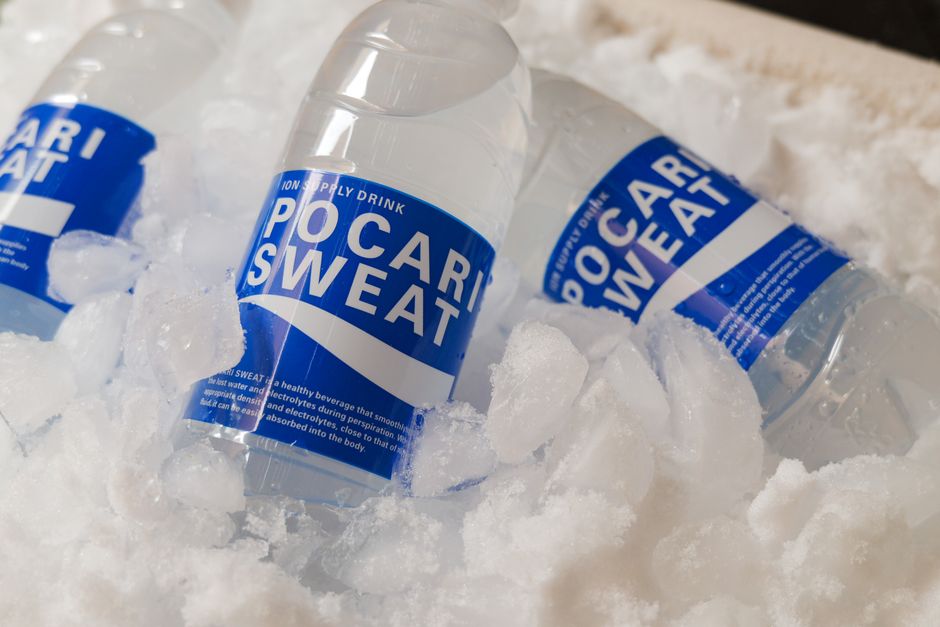
Electrolyte powders and drinks. When whole-food timing isn’t practical or when you’ve had a particularly intense or long session, a low-sugar electrolyte powder or drink can fill the gap efficiently. Look for products with at least 300 to 500 mg of sodium per serving, meaningful potassium, and ideally some magnesium. Skip products that lead with sugar, artificial colors, or a long list of underdosed vitamins added for label appeal. A few grams of carbohydrate alongside electrolytes can help absorption, which is why a small amount of fruit juice mixed with water and a pinch of salt is a genuinely functional option.
Coconut water. It’s often positioned as a natural sports drink. It does contain potassium and some electrolytes, but its sodium content is typically low (around 30 to 60 mg per cup), making it more appropriate for low-sweat sessions than heavy training recovery on its own.
Timing. Begin rehydrating within 30 to 60 minutes post-workout. Research published in the Journal of the International Society of Sports Nutrition suggests that starting fluid and electrolyte replacement early supports the protein synthesis window and reduces next-day soreness. You don’t need to chug large volumes. Steady sipping over one to two hours is more effective than one large bolus.
For more on how hydration timing connects to energy and focus throughout the day, the hydration for real energy guide covers the broader picture.
The Magnesium Angle That Often Gets Skipped
Most post-workout hydration conversations focus on sodium and potassium, but magnesium deserves specific attention for strength training recovery. Research from the National Institutes of Health indicates that magnesium deficiency is relatively common in adults who exercise regularly, partly because sweat losses add to a dietary gap that already exists in many people eating a typical Western diet.
Magnesium supports muscle relaxation after contraction, which is one reason magnesium-low athletes often report muscle tightness and cramping. It also plays a role in sleep quality, and adequate sleep is when the majority of muscle repair happens. Dietary sources include pumpkin seeds, dark chocolate, almonds, spinach, and black beans. If you’re looking at magnesium supplements, magnesium glycinate or citrate forms tend to absorb better than magnesium oxide. That said, talk to a qualified healthcare professional before adding any supplement, especially if you have kidney concerns.
Building a Practical Hydration Strategy
Here’s a simple framework to match your approach to your actual training:
- Light sessions (under 45 minutes, minimal sweat): Water before, during, and after is enough. Prioritize a balanced recovery meal.
- Moderate sessions (45 to 75 minutes, moderate sweat): Water plus a sodium-containing snack or meal within an hour. Consider adding a small electrolyte powder if meals will be delayed.
- Intense or long sessions (75 minutes or more, heavy sweat): Start replacing electrolytes during the last 20 to 30 minutes of the session or immediately after. Use a drink or powder with meaningful sodium (300 mg or more per serving) and follow with a recovery meal.
If next-day soreness is a recurring challenge for you, the broader recovery picture covered in seven recovery practices that actually reduce muscle soreness is worth reading alongside this guide.
One small, realistic action to start today: check your post-workout routine and add a pinch of sea salt and a squeeze of citrus to your water after your next training session. It costs almost nothing and gives your body a better mineral foundation to begin repair. Then, if you want more practical guidance on building sustainable wellness habits, consider signing up for the Clean Body Mentor newsletter for weekly evidence-informed tips.
This article is for general educational and informational purposes only and is not a substitute for medical advice, diagnosis, or treatment. Health needs vary by individual. Consult a qualified healthcare professional before making significant changes to your diet, exercise routine, supplements, medication, or treatment plan, especially if you have a medical condition, are pregnant or breastfeeding, take medication, or have concerns about your symptoms.

Sources
- National Institutes of Health, Office of Dietary Supplements: Magnesium Fact Sheet for Health Professionals
- American College of Sports Medicine: Position Stand on Exercise and Fluid Replacement
- Journal of the International Society of Sports Nutrition: Nutrient timing and recovery (multiple reviews)
- Sports Medicine journal: Sweat sodium concentration data in athletes
- NIH National Library of Medicine: Electrolytes and fluid homeostasis overview


