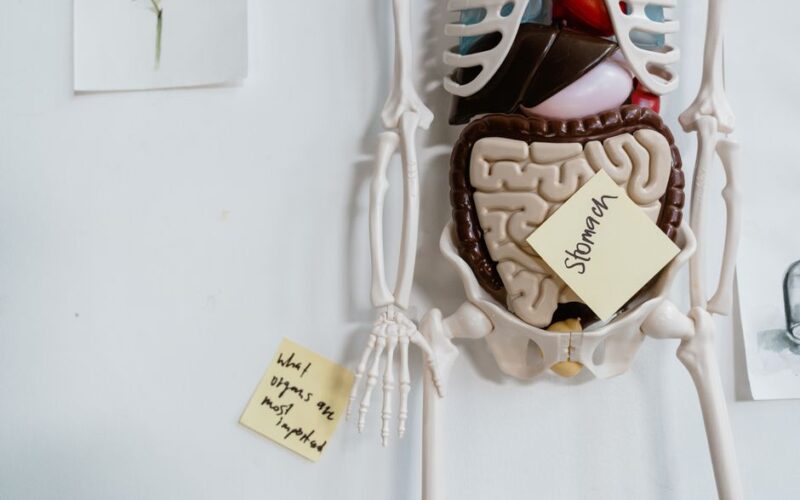

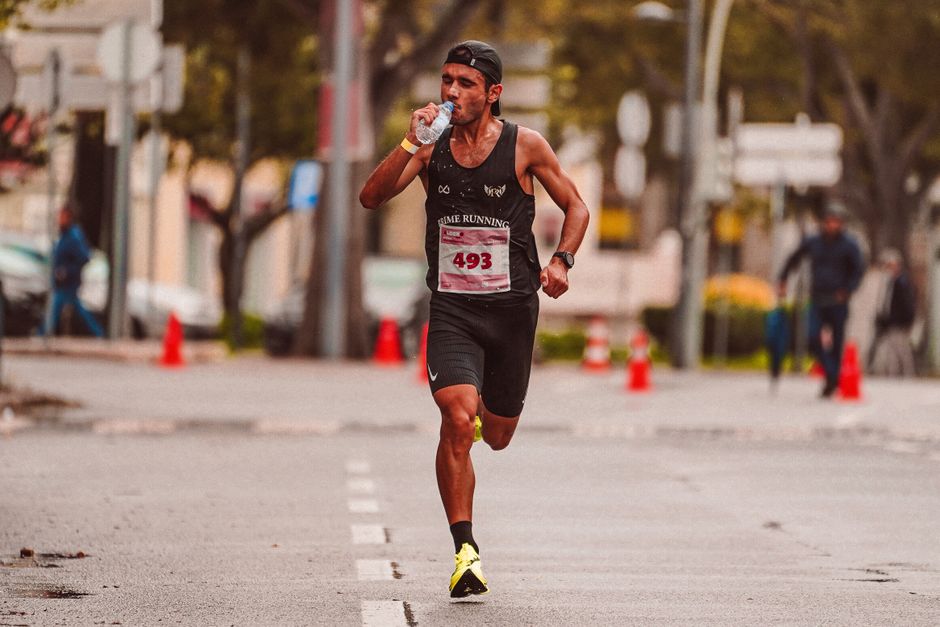
You probably already know that staying hydrated matters. But if you have ever hit a workout feeling flat, struggled with soreness that lingers longer than expected, or noticed your strength drops midway through a set, dehydration may be part of the explanation, not just fatigue or a bad night’s sleep.
Research consistently links hydration status to strength output, endurance, and recovery speed. The good news is that optimizing your water intake for athletic performance does not require a complicated protocol. A few practical shifts in timing and quantity can make a real difference.
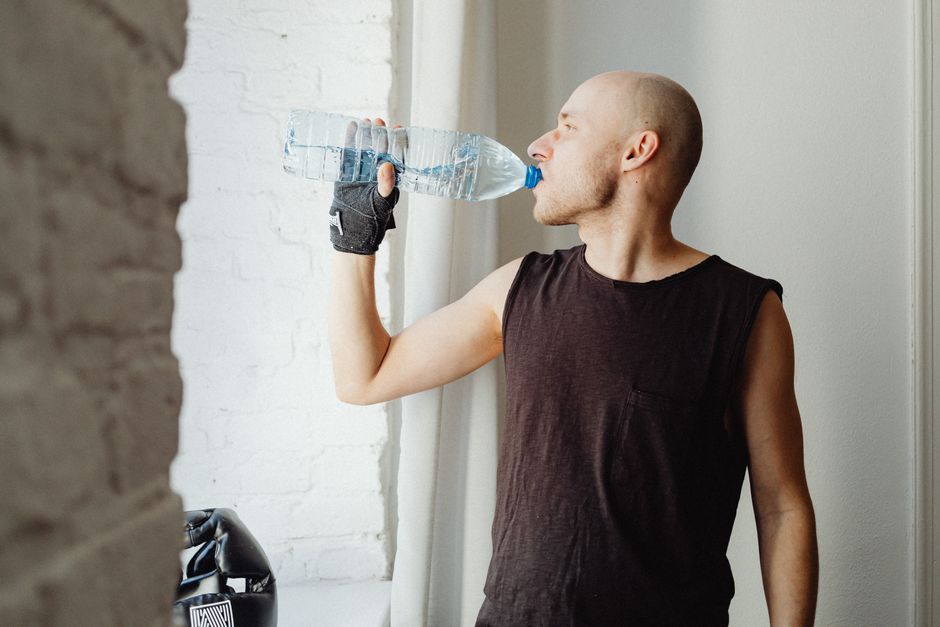
Why Water Matters More Than You Might Think During Strength Training
Muscle tissue is roughly 75 percent water. When you train, you lose fluid through sweat, and even modest fluid losses can affect how your body functions under load.
A 2019 review published in the Journal of Strength and Conditioning Research found that dehydration of just 2 percent of body weight is associated with measurable declines in strength and power output. That 2 percent is easier to reach than it sounds: a 150-pound person loses it after sweating about 3 pounds of fluid, which can happen in a single moderate-intensity session on a warm day.
Beyond acute performance, water plays a direct role in the recovery process. Your body uses fluid to deliver nutrients to damaged muscle fibers, flush metabolic waste products like lactate, and regulate the mild inflammation that follows hard training. Dehydration slows all of these processes, which may help explain why poorly hydrated people often report greater next-day soreness.
For a deeper look at what else supports post-workout muscle repair, see Strength Training Recovery Nutrition: What to Eat After Your Workout for Muscle Repair, which pairs well with the hydration guidance below.
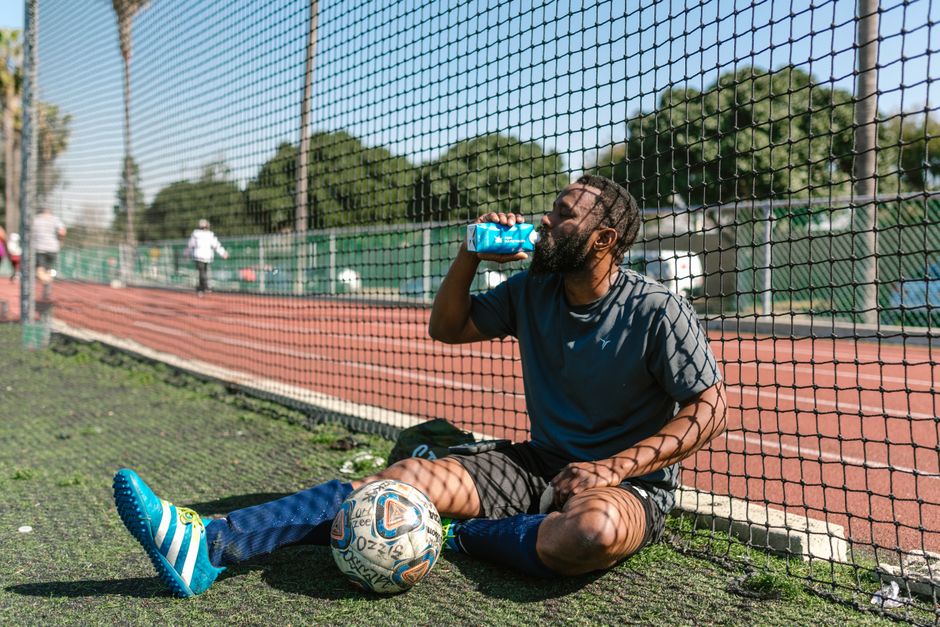
How to Build a Simple Hydration System Around Your Workouts
Rather than chasing a universal daily target, a more practical approach is to anchor your water intake to your workout schedule. Here is a straightforward four-part system.
Step 1: Start Your Day Ahead of Thirst
Thirst is a lagging indicator. By the time you feel it, your body is already working from a slight deficit. Drinking 400 to 600 ml (roughly 14 to 20 oz) of water within an hour of waking sets a positive baseline before you begin any activity.
If you work out in the morning, this step is especially important. Training in a dehydrated state from overnight fasting compounds the performance cost.
Step 2: Time Your Pre-Workout Hydration
Aim to drink about 500 ml (17 oz) of water roughly 2 hours before your session. This window gives your kidneys time to process excess fluid and lets you arrive at your workout in a well-hydrated state rather than scrambling to catch up during warm-up.
The American College of Sports Medicine (ACSM) recommends this pre-exercise timing as part of its fluid intake guidelines for active adults. If 2 hours is not realistic because of your schedule, even 30 minutes of steady sipping beforehand is better than nothing.
Step 3: Drink Consistently During Your Session, Not Just When You Feel Thirsty
For most strength training sessions lasting under 60 minutes, plain water works well. A practical target is 150 to 250 ml (5 to 8 oz) every 15 to 20 minutes, though individual sweat rates vary.
If your sessions run longer than 60 minutes, are performed in heat, or involve significant cardio intervals, replacing some electrolytes (particularly sodium) may help your body retain and use the fluid more effectively. A small amount of sodium from whole food sources or a low-sugar electrolyte option can help here.
For guidance on what else to put in your body around training time, Should You Eat Before or After Your Morning Workout? covers the energy and performance tradeoffs in practical detail.
Step 4: Prioritize Recovery Hydration in the First Hour After Training
Post-workout hydration is often the most overlooked step. During this window, your muscles are actively pulling in nutrients for repair, and your body is working to restore normal fluid balance.
A general target from the ACSM is to drink about 1.5 times the fluid you lost during exercise, measured by the change in your body weight before and after training. If that sounds like too much math for everyday life, simply drinking 500 to 750 ml (17 to 25 oz) of water in the hour following your session covers most situations.
Pairing this with a protein-containing meal or snack amplifies the recovery benefit, since amino acids and fluid together support muscle protein synthesis more effectively than either alone. The guide on Strength Training Recovery Nutrition explains which foods to prioritize in that post-workout window.
Recognizing Your Personal Hydration Signals
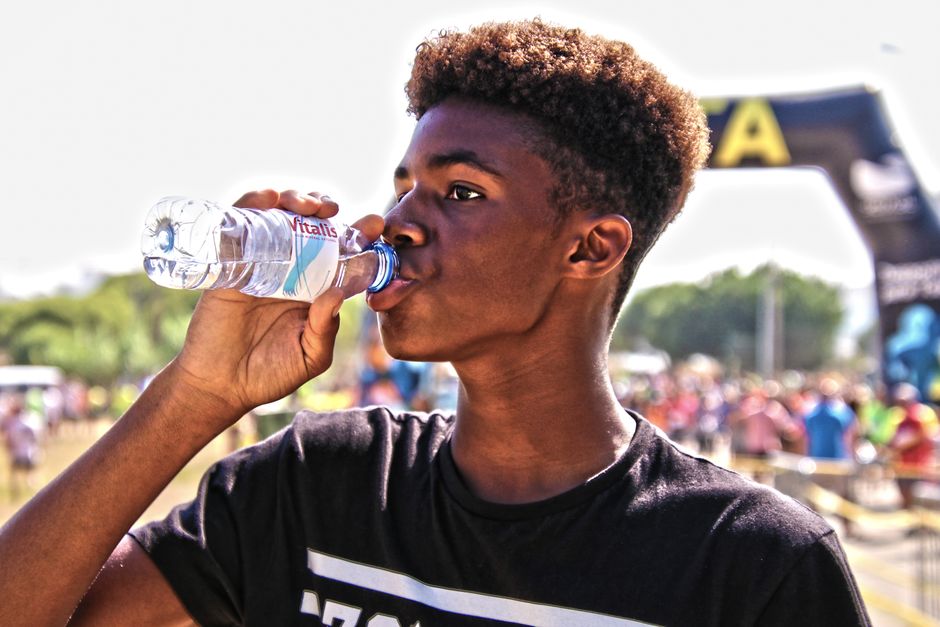
Urine color remains one of the easiest real-time indicators of hydration status. Pale yellow suggests adequate hydration; dark amber or brown indicates you need more fluid. Clear urine across the entire day can suggest overhydration, which is worth noting because excessive water intake can dilute electrolytes, particularly sodium.
For more on separating hydration fact from popular myth, Hydration Myths vs. Facts: How Much Water You Really Need and When It Actually Matters is a good next read.
A Note on Electrolytes, Caffeine, and Other Variables
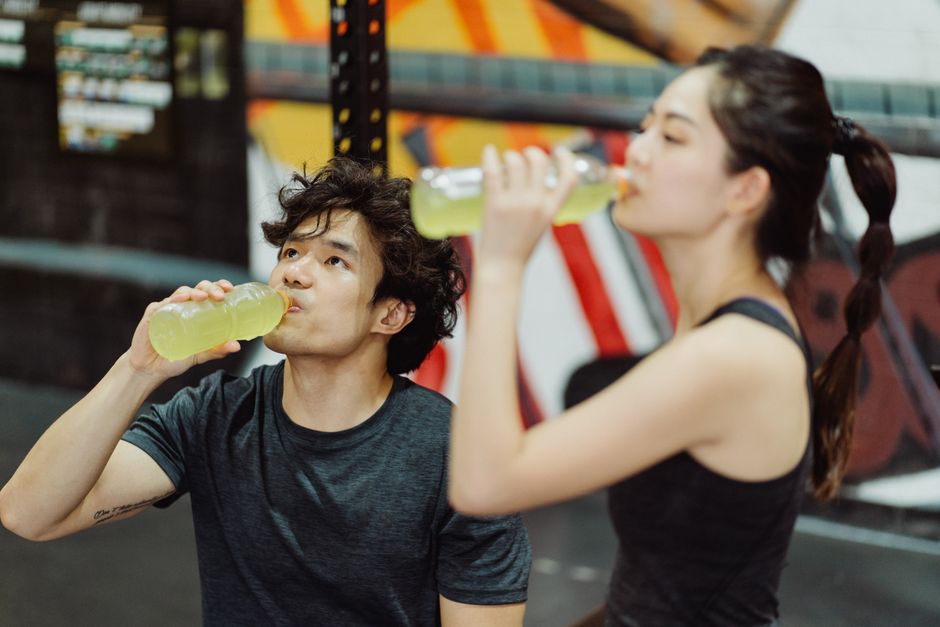
Caffeine before workouts is common, and research suggests moderate doses do not meaningfully dehydrate you during a single session, contradicting an older belief. However, if caffeine is a regular part of your pre-workout routine, accounting for its mild diuretic effect over the course of a day is still sensible.
Electrolytes matter more as training intensity and duration increase. For shorter home strength sessions, plain water and a balanced diet with adequate sodium, potassium, and magnesium usually provide enough support. If you are noticing frequent muscle cramps, fatigue that does not match your effort, or headaches after training, talking with a registered dietitian can help you assess whether an electrolyte imbalance could be contributing.
For an interesting look at recovery practices that interact with hydration and inflammation, Cold Water Immersion vs. Sauna Use covers temperature-based recovery strategies and what the evidence actually supports.
Putting It Into Practice
You do not need to overhaul your entire routine at once. Choose one part of this system, perhaps starting with a consistent morning glass of water before coffee, and build from there. Sustainable habits form through small, repeated actions rather than dramatic overnight changes.
If you want a broader framework for building your strength routine alongside recovery strategies, Building a Sustainable Strength Training Routine at Home offers a beginner-friendly progression that pairs well with the hydration approach described here.
For practical weekly wellness guidance covering movement, nutrition, sleep, and habits, consider joining the Clean Body Mentor newsletter.
This article is for general educational and informational purposes only and is not a substitute for medical advice, diagnosis, or treatment. Health needs vary by individual. Consult a qualified healthcare professional before making significant changes to your diet, exercise routine, supplements, medication, or treatment plan, especially if you have a medical condition, are pregnant or breastfeeding, take medication, or have concerns about your symptoms.
Sources
- American College of Sports Medicine. “Exercise and Fluid Replacement” position stand. Medicine and Science in Sports and Exercise, 2007 (updated guidance referenced in subsequent ACSM publications).
- Judelson DA et al. “Hydration and Muscular Performance: Does Fluid Balance Affect Strength, Power and High-Intensity Exercise?” Sports Medicine, 2007.
- Cheatham SW et al. “Dehydration and Resistance Exercise Performance.” Journal of Strength and Conditioning Research, 2019 (referenced for the 2 percent body-weight threshold).