
You have probably heard it all: drink water before meals to eat less, never drink water with meals because it dilutes your stomach acid, chug eight glasses a day no matter what. Some of this advice has a kernel of truth. A lot of it is oversimplified or just wrong.
Hydration timing digestion research is actually nuanced, and the honest answer is that when you drink water can matter, but not always in the ways popular wellness content suggests. This article walks through the most common claims, compares the evidence, and gives you practical strategies that fit real life.

The “Water With Meals Ruins Digestion” Myth
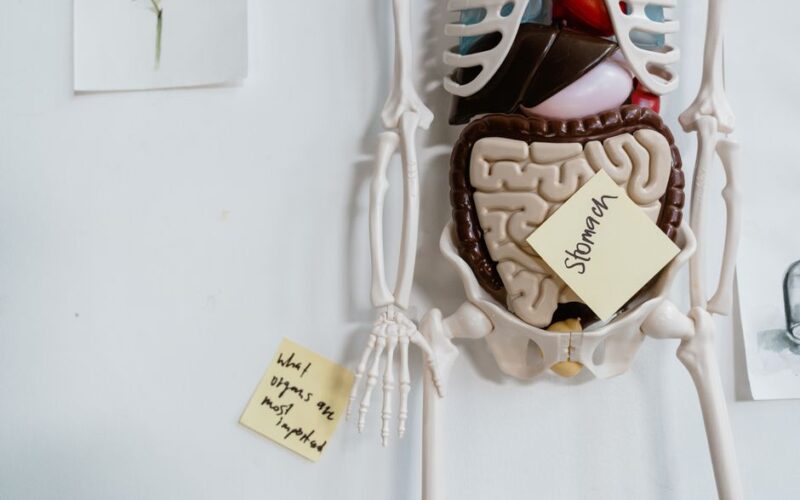
This one circulates constantly: drinking water with your meals dilutes digestive enzymes and stomach acid, which slows digestion and causes bloating.
The physiology does not support this as a blanket rule. Your stomach produces hydrochloric acid and digestive enzymes dynamically based on food intake. A glass or two of water with a meal does not meaningfully reduce gastric acid concentration in healthy adults, according to gastroenterology research and explanations published by the National Institutes of Health (NIH) on normal gastric physiology.
For most people, modest fluid intake during meals (roughly 4 to 8 ounces) is fine and may even support digestion by softening food and helping move it through the digestive tract.
Where nuance matters: People who experience acid reflux or gastroparesis (delayed gastric emptying) may notice that large volumes of liquid with meals worsen their symptoms, because extra volume increases pressure in the stomach. If you fall into that group, smaller sips throughout the meal may feel better than a full glass at once. See a qualified healthcare professional if you are regularly experiencing discomfort.
For a broader look at how water timing interacts with food, Hydration and Digestion: How Water Timing Around Food Changes Nutrient Absorption and Bloating goes deeper into the mechanisms.

Drinking Water Before Meals: What the Evidence Actually Shows
This claim has more support. A study published in the journal Obesity (Davy et al., 2008, Virginia Tech) found that middle-aged and older adults who drank 500 mL (about 16 ounces) of water 30 minutes before a meal consumed fewer calories at that meal and lost more weight over 12 weeks than a control group.
The mechanism is fairly straightforward: stomach distension sends early satiety signals to the brain, which may reduce how much you eat. Research suggests this effect is more pronounced in older adults because the sensation of thirst and fullness can diminish with age.
For younger adults, the effect on calorie intake is smaller but not zero. If you are trying to eat more mindfully or reduce portion sizes without restriction, drinking a glass of water 20 to 30 minutes before a meal is a low-effort habit worth trying.
It is worth pairing this with what you eat, not just when you drink. Digestive Comfort and Meal Timing: How to Eat for Better Digestion and Sustained Energy covers food timing principles that complement hydration strategies.

Hydration Timing and Bloating: Separating Signal From Noise
Bloating is one of the most misattributed digestive symptoms, and water often gets unfair blame.
Bleat is usually driven by gas production from fermentable carbohydrates, swallowing air, gut motility issues, or gut microbiome imbalances, not water intake alone. Drinking water does not directly cause bloating in people with normal digestive function.
However, two hydration-related patterns can contribute to bloating for some individuals:
- Carbonated water: The dissolved CO2 adds gas to the digestive tract. If you are prone to bloating, swapping sparkling for still water especially around meals may help.
- Drinking too quickly: Gulping water or beverages quickly causes you to swallow more air, which can increase gassiness. Slow, steady sipping is an easy fix.
If bloating is a recurring problem for you, Digestive Health Myths vs. Evidence: What Research Actually Shows About Probiotics, Fiber, and Bloating covers the broader picture of what actually drives digestive discomfort.

Hydration Timing and Mood: A Relationship Worth Taking Seriously
This is where the evidence gets genuinely interesting and is often underreported.
Even mild dehydration (1 to 2 percent body weight loss through fluid) has been linked in multiple studies to decreased mood, increased fatigue, reduced concentration, and greater perception of task difficulty. Research from the Human Performance Laboratory at the University of Connecticut found these effects in both men and women, even at rest, not just during exercise.
What does this mean for timing? Morning hydration matters more than most people realize. After 7 to 9 hours of sleep, you wake up in a mild state of fluid deficit. Starting your morning with 12 to 16 ounces of water before coffee can help restore baseline hydration and may support clearer thinking and a more stable mood earlier in the day.
Coffee is mildly diuretic at higher doses, but moderate consumption (1 to 2 cups) does not cause net dehydration in habitual drinkers, according to research summarized by the British Nutrition Foundation. Still, leading with water before caffeine is a simple habit that puts hydration first.
For a detailed breakdown of how water timing affects cognitive function and emotional state, Hydration Timing for Mental Clarity and Mood: When and How Much Water Actually Affects Your Brain covers the neurological side in depth.
How Exercise Intensity Changes the Picture
For most sedentary or lightly active adults, drinking water consistently across the day, without rigid timing rules, is enough. The body regulates fluid balance efficiently when intake is adequate overall.
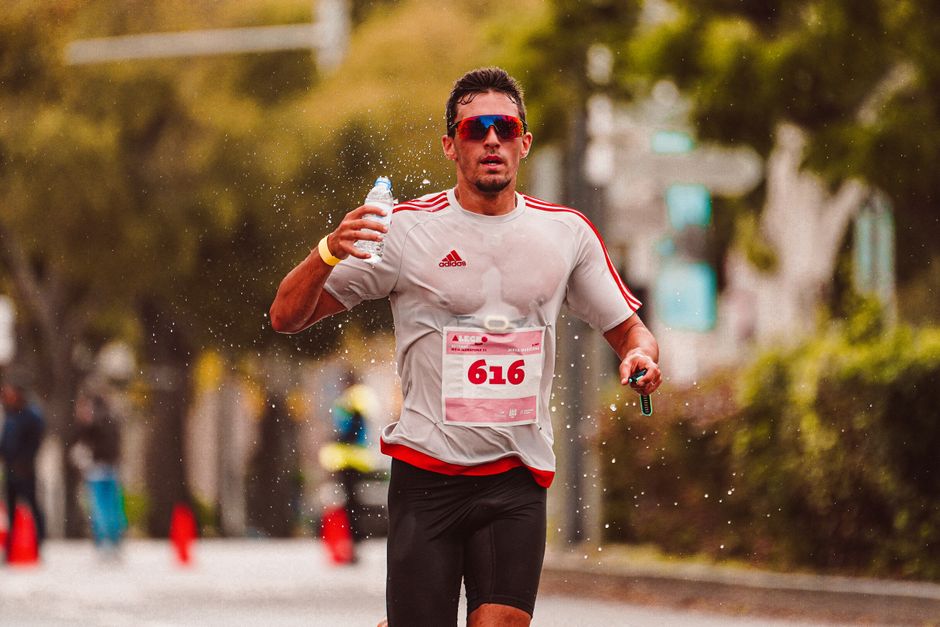
For moderate to vigorous exercise, timing matters more:
- Drink about 16 ounces of water 1 to 2 hours before exercise to start well-hydrated (American College of Sports Medicine guidelines).
- During exercise lasting over 60 minutes, sip regularly rather than waiting until thirsty. Thirst lags behind actual fluid needs during intense activity.
- After exercise, rehydrate gradually over the next hour or two rather than gulping a large amount at once, which can cause temporary nausea.
A Practical Hydration Timing Framework
Here is a realistic starting point. Adjust for your own body, climate, and activity level:
- Morning: 12 to 16 ounces of water shortly after waking, before coffee.
- Before meals: 8 to 16 ounces about 20 to 30 minutes before eating if you want gentle appetite support.
- During meals: Small sips (4 to 8 ounces) are fine for most people. Avoid gulping large volumes if you are sensitive to reflux or bloating.
- Afternoon: Keep a water bottle visible. Dehydration often masquerades as afternoon fatigue. Before reaching for a second coffee, try water first.
- Before bed: A small amount (4 to 6 ounces) is fine; avoid large volumes that interrupt sleep with bathroom trips.
One simple action to start: pick one time slot above where you know you are consistently not drinking water, and commit to just that one change for the next two weeks.
For more on how the timing of what you eat intersects with how you feel, Meal Timing and Digestion: Why When You Eat Affects How Your Body Processes Food and Energy pairs well with this guide.
This article is for general educational and informational purposes only and is not a substitute for medical advice, diagnosis, or treatment. Health needs vary by individual. Consult a qualified healthcare professional before making significant changes to your diet, exercise routine, supplements, medication, or treatment plan, especially if you have a medical condition, are pregnant or breastfeeding, take medication, or have concerns about your symptoms.

Sources
- Davy BM et al. “Water Consumption Reduces Energy Intake at a Breakfast Meal in Obese Older Adults.” Journal of the American Dietetic Association, 2008. Virginia Tech Human Nutrition Foods and Exercise department.
- Ganio MS et al. “Mild dehydration impairs cognitive performance and mood of men.” British Journal of Nutrition, 2011. University of Connecticut Human Performance Laboratory.
- Armstrong LE et al. “Mild Dehydration Affects Mood in Healthy Young Women.” Journal of Nutrition, 2012. University of Connecticut.
- American College of Sports Medicine. “Exercise and Fluid Replacement.” Position Stand. ACSM (acsm.org).
- British Nutrition Foundation. Hydration and caffeine resources (nutrition.org.uk).
- National Institutes of Health. Resources on normal gastric physiology and digestion (nih.gov).