
Sweet cravings are not a character flaw. They are a normal, biological response, partly driven by your brain’s preference for quick energy and partly shaped by habit. The challenge isn’t eliminating sweetness from your life; it’s finding ways to enjoy it that feel satisfying and align with your health goals over the long term.
These five healthy dessert recipes whole food are built from minimally processed ingredients that bring natural sweetness, fiber, healthy fat, or protein to the table. Each one is simple enough for a weeknight and flexible enough to adapt to your taste and dietary needs.
If you’ve noticed that sweetness cravings spike at certain times of day, Midday Hunger vs. Blood Sugar Crashes: Why Your 3pm Cravings Happen and What to Eat to Stop Them is worth reading alongside this guide.
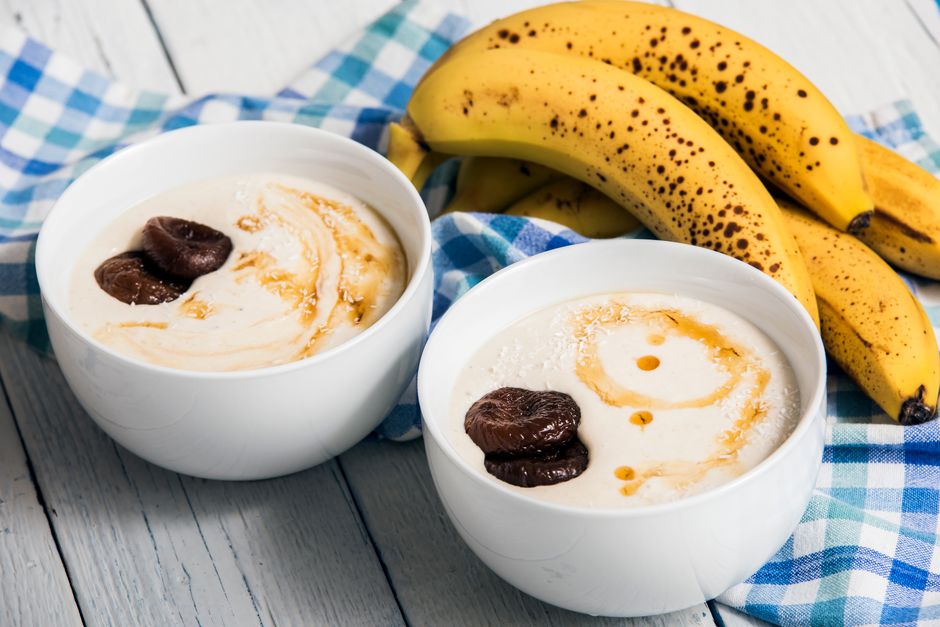
1. Frozen Banana Nice Cream
What you need: 2 ripe frozen bananas, 1 tablespoon natural nut butter, a pinch of cinnamon.
How to make it: Blend frozen banana chunks in a food processor until smooth and creamy, about 2 minutes. Stir in nut butter and cinnamon, then serve immediately or freeze for 30 minutes for a firmer texture.
Why it works: Bananas provide natural fructose alongside potassium and a modest amount of resistant starch when frozen, which ferments more slowly in the gut. Nut butter adds protein and fat, which slows glucose release and keeps you fuller longer. The result is a genuinely creamy texture with no added sugar, no cream, and only whole ingredients. Research suggests that pairing carbohydrate-rich foods with fat and protein can blunt the post-meal blood sugar spike (American Diabetes Association, Diabetes Care guidelines).
Adapt it: Add a handful of frozen mango for a tropical version, or blend in a tablespoon of unsweetened cocoa powder for a chocolate variation.
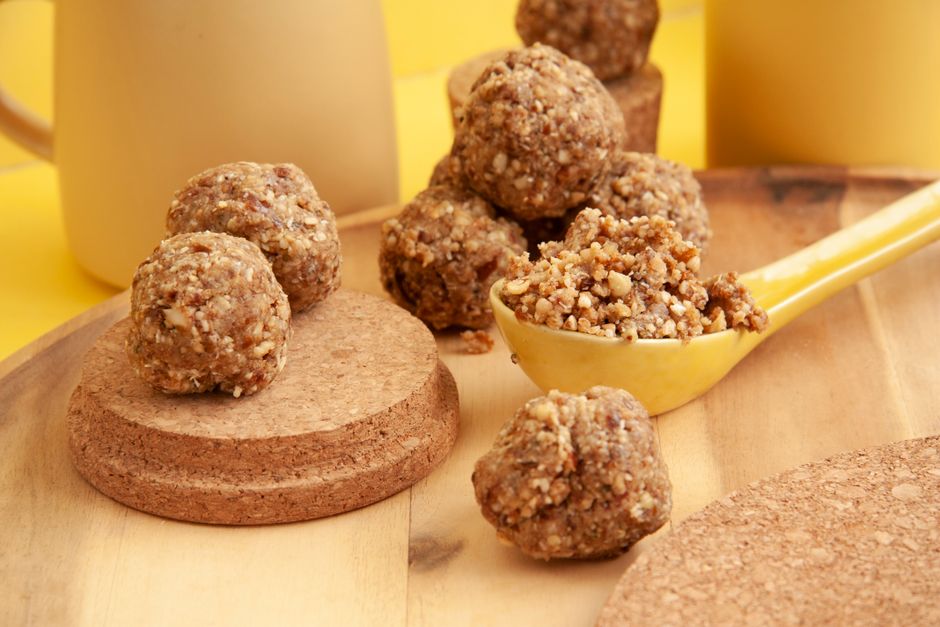
2. Dark Chocolate and Almond Energy Bites
What you need: 1 cup rolled oats, 2 tablespoons raw almond butter, 2 tablespoons raw honey or pure maple syrup, 2 tablespoons dark chocolate chips (70% cacao or higher), 1 tablespoon chia seeds.
How to make it: Combine all ingredients in a bowl and mix until the dough holds together. Roll into 12 small balls and refrigerate for at least 30 minutes before eating.
Why it works: Oats contribute beta-glucan, a soluble fiber that the National Institutes of Health notes may help support healthy cholesterol levels. Chia seeds add omega-3 fatty acids and additional fiber. Dark chocolate at 70% or higher contains flavanols linked to cardiovascular benefit in several peer-reviewed reviews (European Food Safety Authority, 2012 scientific opinion on cocoa flavanols). Honey and maple syrup are still forms of sugar, but they appear in small amounts here alongside fiber and fat, which moderates the glycemic impact.
Adapt it: Swap chia seeds for hemp hearts, or use sunflower seed butter to make these tree-nut-free.
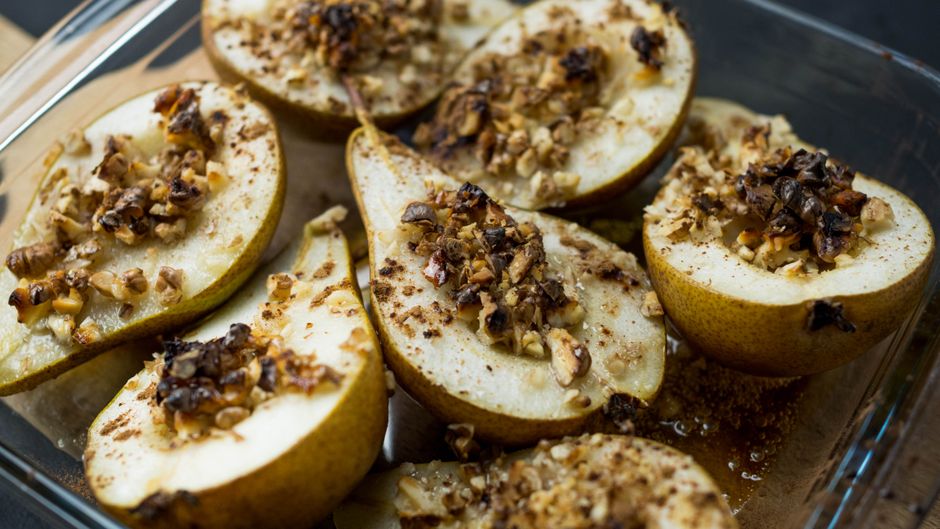
3. Baked Cinnamon Pears with Walnuts
What you need: 2 ripe pears, halved and cored; 2 tablespoons chopped walnuts; 1 teaspoon cinnamon; 1 teaspoon pure maple syrup (optional); a small pinch of nutmeg.
How to make it: Preheat your oven to 375 degrees F. Place pear halves cut-side up in a baking dish. Fill each cavity with walnuts, dust with cinnamon and nutmeg, and drizzle with maple syrup if desired. Bake for 20 to 25 minutes until tender.
Why it works: Pears are among the higher-fiber fruits, with about 5.5 grams of fiber per medium pear (USDA FoodData Central). Fiber feeds beneficial gut bacteria and contributes to satiety. Walnuts provide plant-based omega-3 fatty acids and polyphenols. Baking concentrates the fruit’s natural sweetness without any need for added sugar, so even the optional maple syrup is genuinely optional. This is one of the most beginner-friendly healthy dessert recipes whole food because it requires almost no skill.
Adapt it: Substitute apples for pears, or top with a dollop of plain Greek yogurt after baking for added protein.
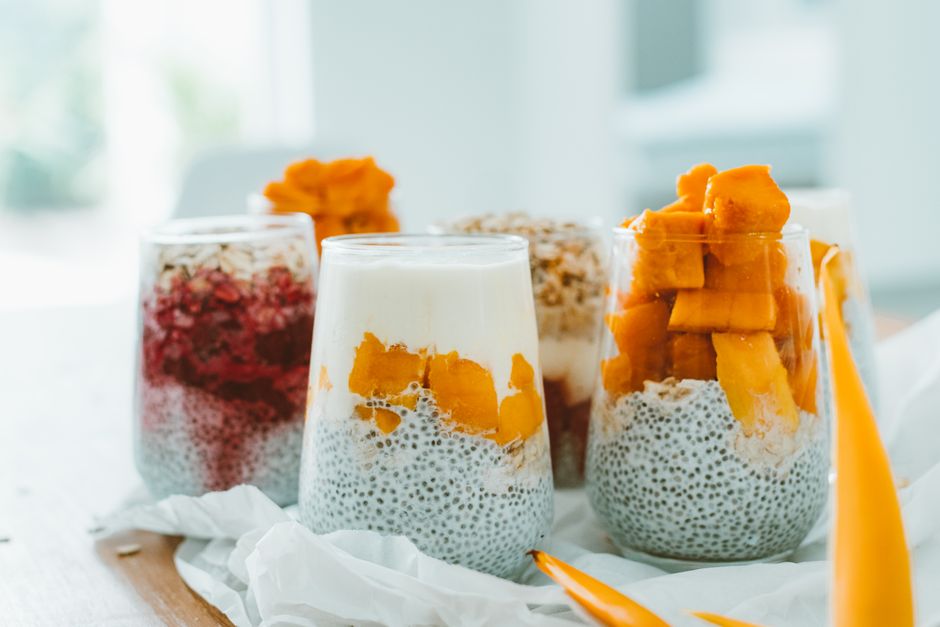
4. Mango Coconut Chia Pudding
What you need: 3 tablespoons chia seeds, 1 cup unsweetened coconut milk (from a carton, not full-fat canned), half a ripe mango (diced), a squeeze of lime, a pinch of sea salt.
How to make it: Whisk chia seeds into coconut milk and refrigerate overnight or for at least 4 hours, stirring once after 30 minutes to prevent clumping. In the morning, top with diced mango, a squeeze of lime, and sea salt.
Why it works: Chia seeds absorb liquid and form a gel-like texture that creates a genuinely pudding-like consistency without cream or refined thickeners. Two tablespoons of chia seeds contain roughly 10 grams of fiber (USDA FoodData Central). Mango brings natural beta-carotene and vitamin C. Lime juice brightens the flavor and encourages slower eating, which supports mindful eating without restriction and greater meal satisfaction.
Adapt it: Use frozen mango for convenience. Stir in a teaspoon of vanilla extract or swap mango for fresh berries.
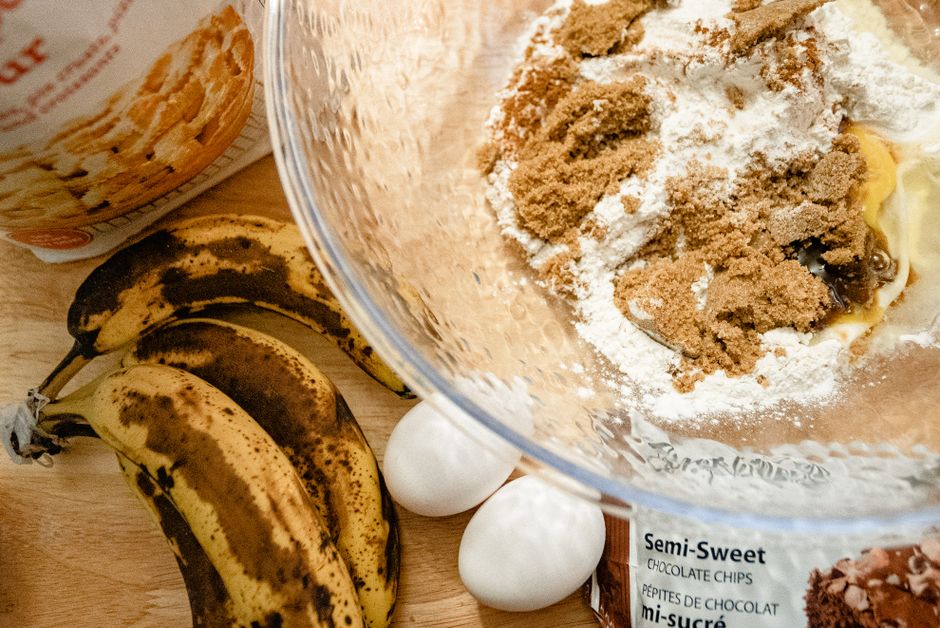
5. Almond Flour Banana Cookies
What you need: 1 ripe banana (mashed), 1 cup almond flour, 1 egg, 1 teaspoon vanilla extract, half a teaspoon baking powder, optional add-ins: dark chocolate chips, unsweetened shredded coconut, or dried cranberries.
How to make it: Preheat oven to 350 degrees F. Mash the banana thoroughly, then mix in the egg and vanilla. Fold in almond flour and baking powder until a soft dough forms. Scoop tablespoon-sized portions onto a parchment-lined baking sheet and press gently flat. Bake for 12 to 14 minutes until lightly golden. Makes about 12 small cookies.
Why it works: Almond flour is higher in protein and healthy fat and lower in carbohydrates than all-purpose flour, which means these cookies digest more gradually than conventional baked goods. The banana provides moisture and sweetness without any added sugar. If you’re building a balanced approach to grocery shopping, almond flour bought in bulk is cost-effective and stores well in the freezer.
Adapt it: Use a flax egg (1 tablespoon ground flaxseed plus 3 tablespoons water, rested 5 minutes) to make these dairy-free and egg-free.
Putting These Recipes Into Your Routine
None of these recipes ask you to be a skilled cook or to give up sweetness. They work because they use whole-food ingredients that bring natural sweetness alongside fiber, protein, or fat, which means your body processes them more gradually than it does refined-sugar treats.
Start with one recipe that sounds genuinely appealing to you and make it once this week. Enjoyment matters in sustainable eating. When a treat feels satisfying, you’re less likely to overcorrect later in the evening.
If you want to understand how food choices throughout the day affect your cravings for sweets, Afternoon Energy Crashes and Food Pairing: Which Meal Combinations Stabilize Blood Sugar Best offers practical context.
For more practical weekly guidance on balanced eating and whole-person wellness, consider subscribing to the Clean Body Mentor newsletter.
Disclaimer: This article is for general educational and informational purposes only and is not a substitute for medical advice, diagnosis, or treatment. Health needs vary by individual. Consult a qualified healthcare professional before making significant changes to your diet, exercise routine, supplements, medication, or treatment plan, especially if you have a medical condition, are pregnant or breastfeeding, take medication, or have concerns about your symptoms.
Sources
- USDA FoodData Central: nutritional data for pears and chia seeds. FoodData Central, U.S. Department of Agriculture.
- American Diabetes Association. “Standards of Medical Care in Diabetes.” Diabetes Care (annual updates). Macronutrient composition and postprandial glucose.
- European Food Safety Authority (EFSA). “Scientific Opinion on the substantiation of a health claim related to cocoa flavanols.” EFSA Journal, 2012.
- National Institutes of Health, National Library of Medicine. Background on beta-glucan and cholesterol (MedlinePlus).