
If you have ever noticed nagging heel pain, a stiff lower back, or chronically tight calves, your footwear may be part of the picture. The debate around barefoot walking vs shoes posture is not just a niche fitness argument. Research suggests that the interface between your foot and the ground shapes how your entire kinetic chain, from ankles to hips to spine, loads and moves throughout the day.
Neither approach is universally right. What matters is understanding what each does to your body, when each is appropriate, and how to make a gradual, safe shift if you want to experiment.
What Supported Shoes Actually Do to Your Feet
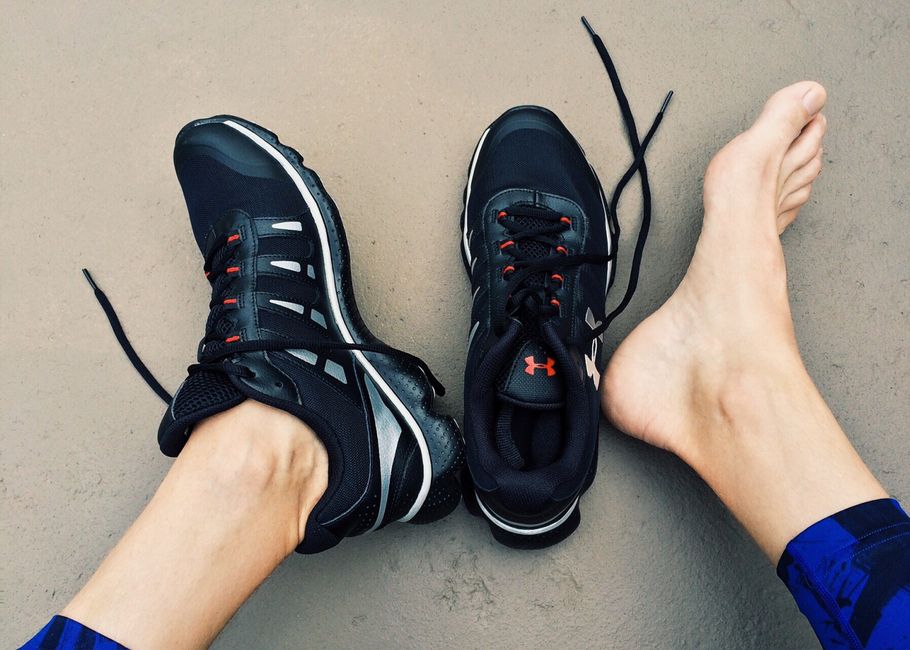
Modern athletic and lifestyle shoes are engineered for cushioning, arch support, and heel elevation. That engineering solves real problems: it reduces impact on hard surfaces, accommodates foot conditions like plantar fasciitis, and provides stability for people with structural differences in their arches.
But there is a tradeoff. A 2022 systematic review published in the Journal of Foot and Ankle Research found that prolonged use of highly cushioned footwear is associated with reduced intrinsic foot muscle activation. When the shoe does the structural work for your arch, the small muscles responsible for maintaining that arch get less stimulus to stay strong. Over years, that reduced demand can contribute to weakened foot musculature, altered gait mechanics, and a subtle shift in how your weight travels up through your knees, hips, and lumbar spine.
Heel elevation is another factor. Most conventional shoes raise the heel 8 to 12 millimeters above the toe. That constant incline shortens the Achilles tendon and calf complex over time, which can tilt the pelvis forward and contribute to lower-back tension. If you spend a lot of your day at a desk, this pattern compounds the stiffness covered in guides like Stretching and Mobility Routines for Desk Workers: Counteract Sitting and Improve Daily Movement.
What Barefoot or Minimalist Walking Does Instead
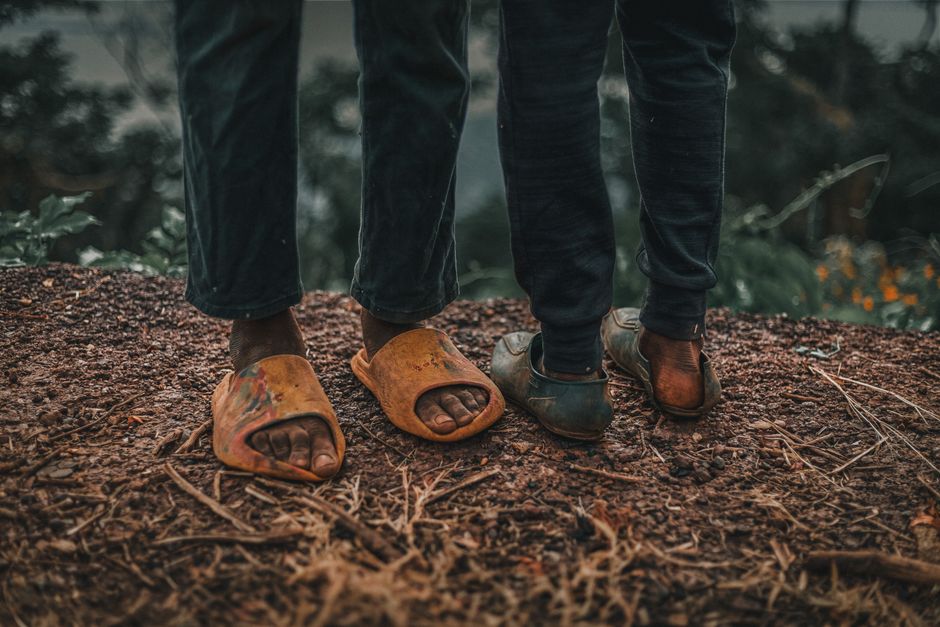
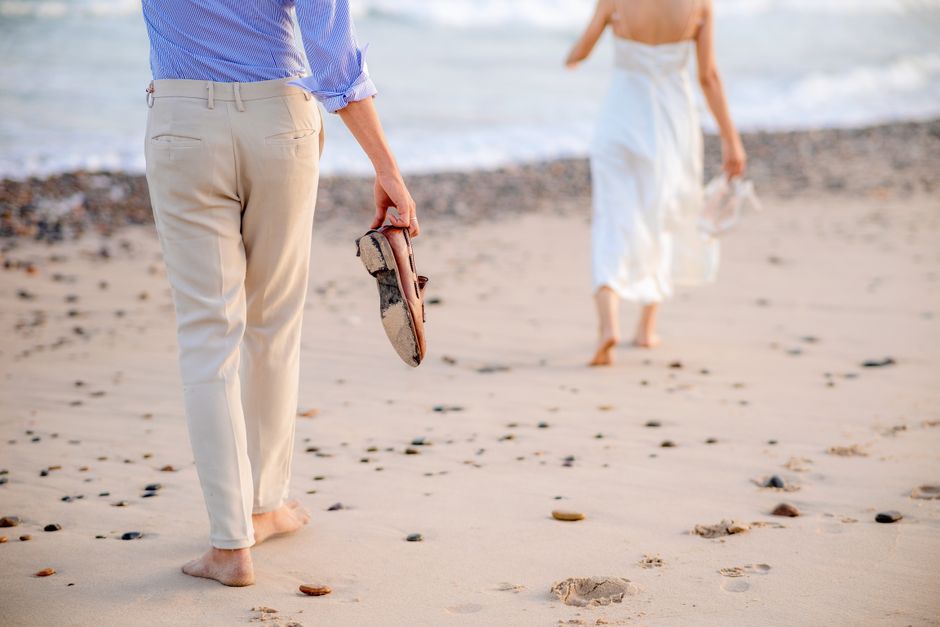
Walking barefoot, or in minimalist shoes with thin, flat soles and a wide toe box, removes most of that mechanical assistance. Your intrinsic foot muscles, plantar fascia, and tendons are recruited more directly. Research published in Scientific Reports (2022) found that adults who regularly walked in minimalist footwear over a 26-week period showed meaningful improvements in foot muscle size and arch strength compared to those in conventional shoes.
Barefoot walking also encourages a forefoot or midfoot strike pattern rather than heel striking, which may reduce impact forces transmitted to the knee. Posture tends to shift as well: a flatter shoe allows the pelvis to sit more neutrally, which can reduce anterior tilt and ease chronic lower-back tension for some people.
That said, barefoot movement is not without risk. Transitioning too quickly can overload structures that have been underused for years. Stress reactions in the metatarsals, plantar fascia irritation, and calf strain are real possibilities when you rush the process.
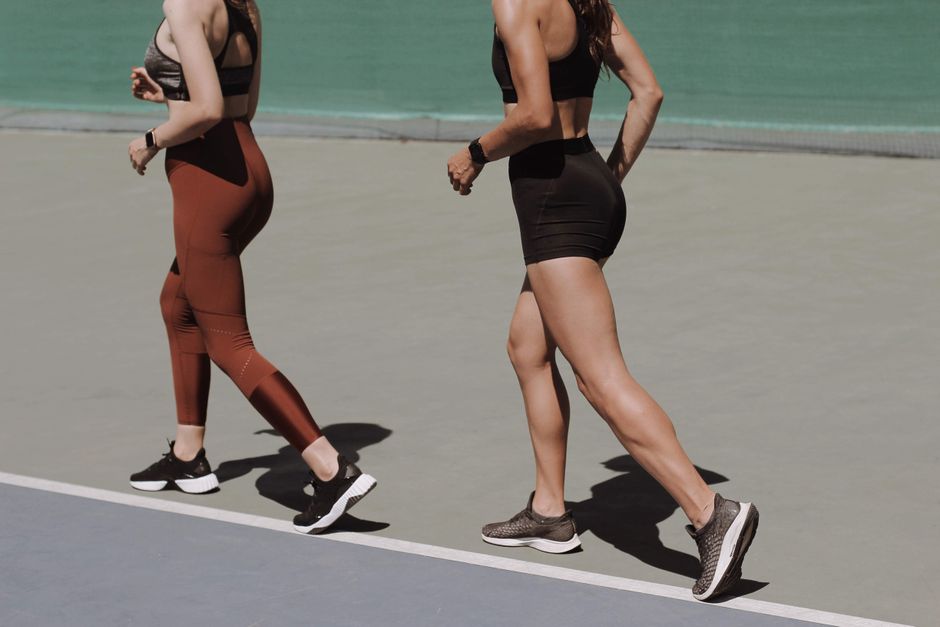
The Posture Connection: What the Evidence Shows
Posture is a full-body conversation, not just a spine issue. Your foot position influences ankle dorsiflexion, which influences knee tracking, which influences hip alignment, which influences your lumbar curve. Footwear sits at the base of that chain.
A study in Gait and Posture found that habitually barefoot populations demonstrate greater ankle mobility and more upright spinal alignment compared to habitually shod populations. These are observational findings, not controlled trials, so they point toward correlation rather than definitive cause and effect. Still, the biomechanical logic is consistent: a foot that moves freely through its full range of motion creates a more stable, adaptable base for everything above it.
For desk workers or people who sit for long stretches, pairing footwear awareness with targeted mobility work can make a noticeable difference. Consider reading Five Beginner Strength Exercises for Posture and Back Health: Simple Moves You Can Do at Home Three Times a Week alongside any footwear changes you make.
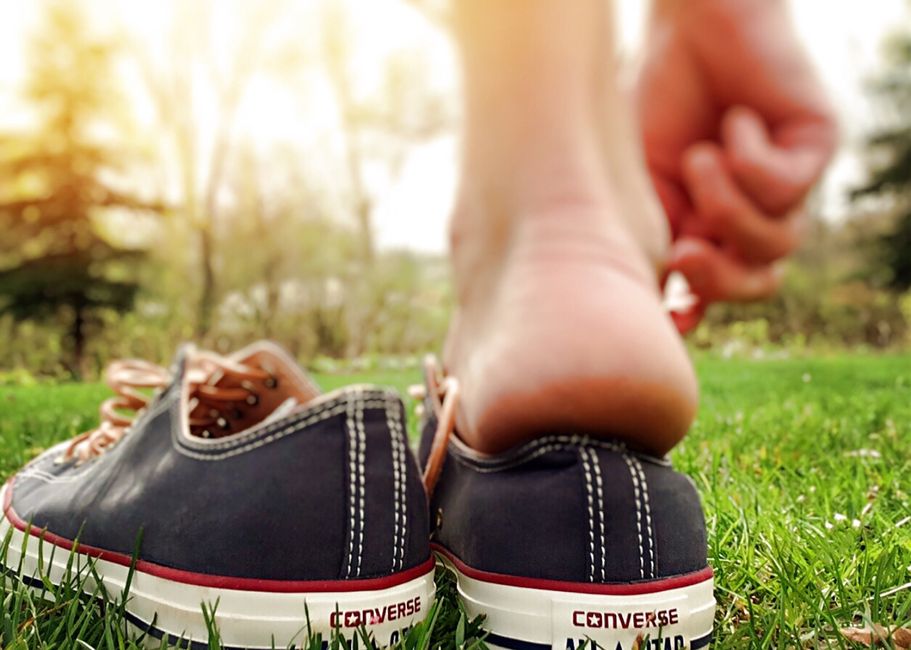
When Supported Shoes Still Make Sense
Minimalist walking is not appropriate for everyone, and dismissing supportive footwear entirely would be misleading. Here are situations where cushioned, structured shoes remain a smart choice:
- Existing foot conditions. Plantar fasciitis, flat feet, bunions, or neuropathy often require medically appropriate footwear. Consult a podiatrist or physical therapist before changing shoe type.
- High-impact activities. Running long distances, hiking technical terrain, or standing for 8-plus hours on hard floors puts different demands on the foot than a casual neighborhood walk.
- Post-injury recovery. If you are returning from a lower-limb injury, structural support during healing is typically recommended by clinicians.
- Pregnancy or postpartum movement. Hormonal changes affect joint laxity, making stability a priority. See Home Strength Training for Postpartum Recovery: Safe, Progressive Workouts for Returning to Movement for more context on postpartum movement considerations.
A Practical Progression If You Want to Try Barefoot Walking
If you are curious about building more foot strength and improving posture through less-supported movement, a gradual approach is essential. Think of it like starting a strength training program: progressive overload applied over weeks, not days.
Weeks 1 to 2: Walk barefoot on grass or carpet for 10 to 15 minutes per day. Focus on how your foot contacts the ground. Notice whether you naturally shift away from heel striking.
Weeks 3 to 4: Add brief barefoot sessions on harder indoor surfaces. Try single-leg standing exercises without shoes to begin activating foot stabilizers.
Weeks 5 to 8: Introduce a minimalist shoe for short outdoor walks (15 to 20 minutes). Keep your conventional shoes for longer distances or high-impact days.
Ongoing: Gradually extend minimalist walking time only when you are symptom-free. Some people find a hybrid approach, minimalist shoes for errands and supported shoes for longer movement sessions, suits their lifestyle best.
If you are building a consistent walking habit alongside this experiment, Building a Walking Habit That Lasts: How to Progress From 10 Minutes to Daily Movement Without Burnout offers a sensible pacing framework.
Which Approach Wins?
Honestly, neither wins outright. Barefoot and minimalist walking can build meaningful foot strength and improve postural alignment when introduced gradually. Supported shoes remain appropriate for many activities, foot conditions, and individual needs. The most useful framing is not either-or but rather: how much foot engagement does this specific activity require, and is my current footwear supporting or suppressing that engagement over time?
Choose one small action from this article and try it consistently for two weeks, whether that is 10 minutes of barefoot walking on grass, swapping to a lower-heel shoe for daily errands, or adding a few toe-spreading exercises before bed. Small, consistent changes tend to outlast dramatic overhauls. For more practical weekly wellness guidance, the Clean Body Mentor newsletter delivers evidence-informed tips like these directly to your inbox.
This article is for general educational and informational purposes only and is not a substitute for medical advice, diagnosis, or treatment. Health needs vary by individual. Consult a qualified healthcare professional before making significant changes to your diet, exercise routine, supplements, medication, or treatment plan, especially if you have a medical condition, are pregnant or breastfeeding, take medication, or have concerns about your symptoms.
Sources
- Holowka, N. B., et al. (2018). Foot strength and stiffness are related to footwear use in a comparison of minimally vs. conventionally shod populations. Scientific Reports, 8(1). (nature.com/scientificreports)
- Stolwijk, N. M., et al. (2022). Effects of footwear on intrinsic foot muscle size and strength: a systematic review. Journal of Foot and Ankle Research.
- Shu, Y., et al. Gait differences between habitually barefoot and shod populations. Gait and Posture. (Elsevier)
- American Podiatric Medical Association. Footwear and foot health guidelines. (apma.org)